
Technical Contents
Engineering Guide: Transparent Pvc Sheet
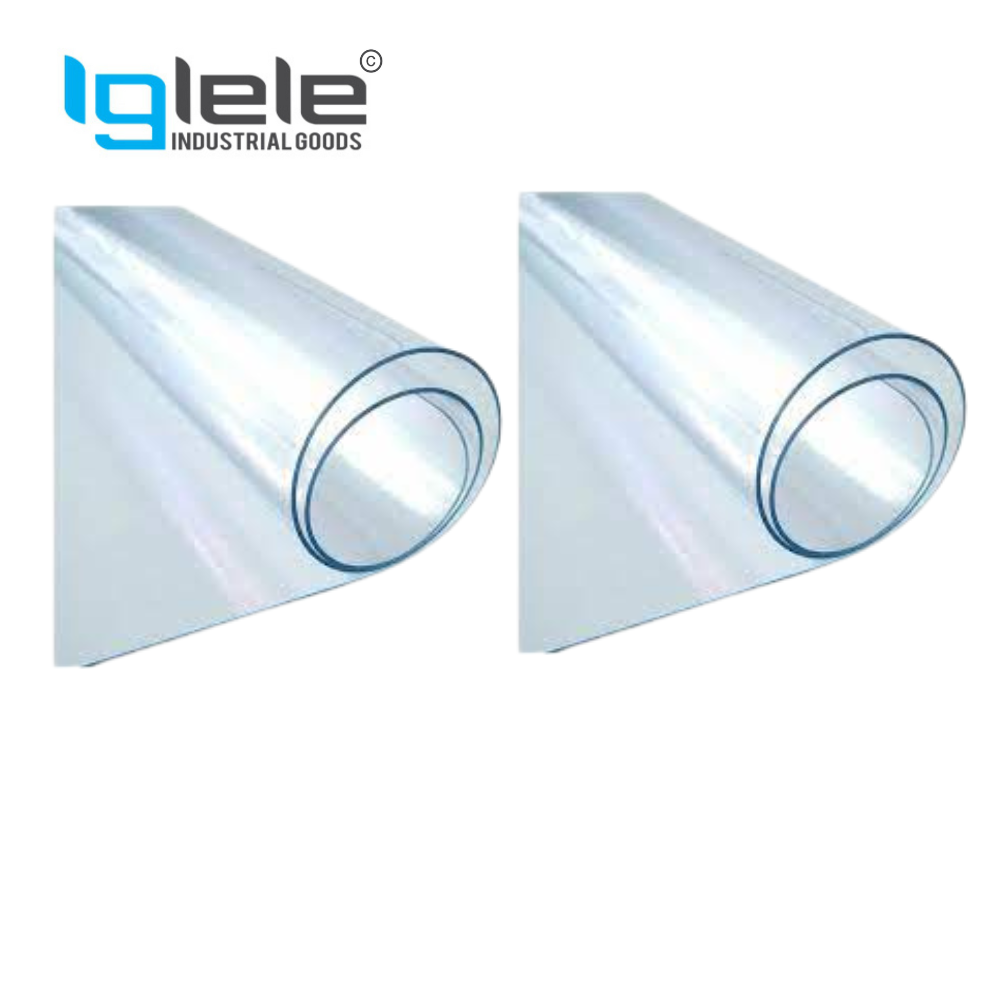
Engineering Insight: Transparent PVC Sheet Material Selection Criticality
Industrial applications demanding transparent PVC sheets frequently encounter premature failure when utilizing generic off-the-shelf formulations. This stems from a fundamental mismatch between standard commercial grades and the rigorous, often unspoken, performance requirements of engineered systems. Transparency alone is insufficient; the material must maintain optical integrity, dimensional stability, and chemical resistance under specific operational stresses. Off-the-shelf solutions prioritize initial cost and basic clarity, neglecting critical long-term performance parameters essential for reliability in demanding environments. Consequently, failures manifest as rapid haze development, discoloration under UV exposure, plasticizer migration leading to surface tackiness or embrittlement, and loss of critical mechanical properties. These issues directly impact product lifespan, system functionality, and ultimately, total cost of ownership, often necessitating costly unplanned downtime and replacement.
The core deficiency lies in the formulation philosophy. Standard transparent PVC relies on high levels of low-cost, volatile plasticizers and minimal stabilizer packages. While adequate for short-term consumer goods, this approach proves disastrous in industrial contexts. Under continuous thermal cycling, UV radiation, or exposure to oils and solvents, these formulations degrade rapidly. Plasticizers leach out, causing shrinkage, cracking, and loss of flexibility. Inadequate UV stabilizers permit photo-oxidation, turning once-clear sheets yellow or opaque within months, critically impairing applications like optical sensors or inspection windows. Furthermore, impurities and inconsistent filler levels in generic grades scatter light, reducing usable transmission below functional thresholds long before physical failure occurs. OEMs selecting based solely on initial sheet price overlook the cascading costs of system failure, warranty claims, and reputational damage.
Suzhou Baoshida Trading Co., Ltd. emphasizes engineered material selection as non-negotiable. Our transparent PVC formulations are developed through rigorous application analysis, targeting specific operational profiles. Critical parameters include controlled plasticizer systems with high molecular weight and low volatility for retention, robust multi-component stabilizer packages tailored to UV and thermal demands, and ultra-pure base resins with minimal particulate content to ensure sustained optical clarity. The table below illustrates the performance divergence:
| Parameter | Generic Off-the-Shelf PVC | Engineered Industrial PVC | Industrial Impact of Deficiency |
|---|---|---|---|
| Initial Light Transmission | 90-92% | 91-93% | Minor initial difference |
| Transmission after 500h UV (ASTM G154) | 62-70% | 85-88% | Sensor malfunction, vision system failure |
| Plasticizer Retention (100°C/72h) | 75-82% | 95-98% | Embrittlement, seal failure, surface contamination |
| Haze Development (1000h thermal aging) | 18-25% | 3-5% | Reduced visibility, inaccurate instrumentation |
| Tensile Strength Retention | 55-65% | 85-90% | Structural integrity loss, premature cracking |
Material selection is the foundational engineering decision. Investing in purpose-formulated transparent PVC, developed with deep understanding of the operational environment and failure mechanisms, is not a cost but a strategic imperative for sustained OEM product performance and reliability. Generic alternatives represent a significant latent risk to system integrity and operational continuity.
Material Specifications
Transparent PVC sheet is a versatile thermoplastic material widely utilized in industrial, medical, and packaging applications due to its clarity, chemical resistance, and ease of fabrication. At Suzhou Baoshida Trading Co., Ltd., we specialize in precision-engineered polymer solutions, including high-performance elastomers such as Viton, Nitrile, and Silicone, which are frequently specified in conjunction with transparent PVC components where sealing, durability, and environmental resistance are critical. While transparent PVC serves primarily as a structural or protective barrier, the elastomeric materials used in associated gaskets, seals, or connectors must be chemically and thermally compatible to ensure system integrity.
Viton, a fluorocarbon-based elastomer, offers exceptional resistance to high temperatures, oils, fuels, and a broad range of aggressive chemicals. It maintains performance in continuous service up to 200°C, making it ideal for aerospace, automotive, and chemical processing environments. Nitrile rubber, also known as Buna-N, provides excellent resistance to aliphatic hydrocarbons, oils, and fuels, with good abrasion resistance and mechanical strength. It performs reliably in applications below 120°C and is commonly used in hydraulic and fuel systems. Silicone rubber stands out for its extreme temperature resilience from -55°C to 230°C, outstanding UV and ozone resistance, and biocompatibility, making it suitable for medical devices, food processing, and outdoor applications.
When integrating transparent PVC sheets with elastomeric seals or gaskets, compatibility with operating conditions—such as temperature extremes, fluid exposure, and mechanical stress—must be rigorously evaluated. PVC exhibits good resistance to water, acids, alkalis, and alcohols but is less effective against aromatic and chlorinated hydrocarbons. Therefore, pairing it with a correctly specified elastomer ensures long-term performance and prevents degradation at material interfaces.
The following table compares key physical and chemical properties of Viton, Nitrile, and Silicone to aid in material selection for industrial applications involving transparent PVC systems.
| Property | Viton | Nitrile | Silicone |
|---|---|---|---|
| Base Polymer | Fluorocarbon | Nitrile (Buna-N) | Polysiloxane |
| Temperature Range (°C) | -20 to 200 | -30 to 120 | -55 to 230 |
| Tensile Strength (MPa) | 12–18 | 10–20 | 5–9 |
| Elongation at Break (%) | 150–300 | 200–500 | 200–700 |
| Hardness (Shore A) | 60–90 | 50–90 | 30–80 |
| Resistance to Oils/Fuels | Excellent | Excellent | Poor to Fair |
| Resistance to Ozone/UV | Excellent | Good | Excellent |
| Resistance to Acids/Bases | Excellent | Good | Good |
| Compression Set | Excellent | Good | Fair to Good |
| Common Applications | Aerospace seals, chemical valves | Fuel hoses, O-rings, gaskets | Medical tubing, outdoor seals, food equipment |
Material selection must be application-specific, considering environmental exposure, regulatory compliance, and mechanical demands. At Suzhou Baoshida Trading Co., Ltd., we support OEMs and industrial partners with technical data, sample testing, and customized formulation guidance to ensure optimal performance in demanding environments.
Manufacturing Capabilities
Engineering Excellence in Transparent PVC Sheet Manufacturing
Suzhou Baoshida Trading Co., Ltd. delivers precision-engineered transparent PVC sheets through integrated material science and mold design expertise. Our dedicated team of 5 Mold Engineers and 2 Formula Engineers operates at the intersection of polymer chemistry and industrial manufacturing, ensuring every sheet meets stringent optical, mechanical, and thermal requirements for demanding industrial applications. This synergy enables us to resolve complex challenges such as haze reduction, dimensional stability under thermal cycling, and long-term UV resistance—critical factors where standard commercial PVC sheets often fail.
Our Formula Engineers specialize in customizing PVC compound formulations at the molecular level. By optimizing plasticizer selection, stabilizer systems, and optical clarifiers, we achieve exceptional light transmission while maintaining mechanical integrity. This precision prevents common issues like plasticizer migration, cloudiness, or embrittlement in end-use environments. Concurrently, our Mold Engineering team employs advanced simulation tools to design tooling that eliminates flow lines, weld marks, and thickness variations during extrusion. This dual-engineering approach ensures uniform sheet thickness, surface gloss consistency, and minimal internal stress—key prerequisites for applications requiring laser cutting, vacuum forming, or optical clarity.
As an OEM partner, we implement a closed-loop development process. Clients provide performance specifications, and our engineers co-develop solutions from raw material validation through pilot production. We maintain full traceability of compound batches and mold parameters, enabling rapid iteration and defect root-cause analysis. This capability reduces time-to-market by up to 30% compared to standard procurement channels, while our in-house testing lab validates compliance against ASTM D1784, ISO 1183, and client-specific protocols.
The table below summarizes critical performance parameters achievable through our engineered approach:
| Parameter | Standard Range | Precision Capability | Testing Method |
|---|---|---|---|
| Thickness Tolerance | ±0.10 mm | ±0.02 mm | ISO 2818 |
| Light Transmission (600nm) | 85–87% | ≥88.5% | ASTM D1003 |
| Haze Value | ≤3.5% | ≤1.8% | ASTM D1003 |
| Shore A Hardness | 70–90 | ±3 points | ASTM D2240 |
| Thermal Deflection (60°C) | 0.5–1.0 mm | ≤0.3 mm | ISO 75 |
This precision is sustained through real-time process monitoring during production, including inline spectrophotometry for color consistency and laser micrometry for thickness control. Our OEM framework supports volume scalability from prototype to 500+ ton/month without compromising tolerances, backed by PPAP documentation and IATF 16949-aligned quality systems. For industries where optical fidelity and dimensional accuracy dictate product performance—from medical device housings to automotive light guides—Suzhou Baoshida provides engineered reliability beyond commodity PVC sheet specifications. Partner with us to transform material constraints into competitive advantages through science-driven manufacturing.
Customization Process
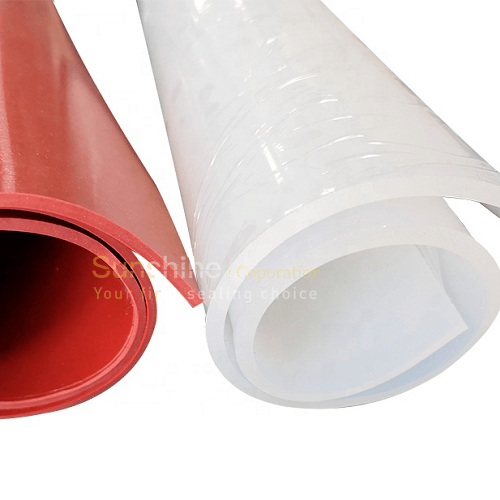
Transparent PVC Sheet Customization Process
At Suzhou Baoshida Trading Co., Ltd., the customization of transparent PVC sheets is a precision-driven process that aligns material science with industrial application requirements. Our systematic approach ensures that each product meets exacting standards for clarity, durability, and performance. The process begins with drawing analysis, followed by specialized formulation, prototyping validation, and culminates in controlled mass production.
The first phase, drawing analysis, involves a detailed technical review of customer-provided engineering drawings and specifications. This includes dimensional tolerances, geometric complexity, intended operating environment, and functional load conditions. Our engineering team evaluates edge definitions, surface finish requirements, and any secondary processing needs such as drilling, thermoforming, or UV resistance. This stage ensures that design intent is fully understood and manufacturable within the constraints of transparent PVC extrusion technology.
Following drawing analysis, the formulation phase is initiated. Transparent PVC requires a balanced compound that maintains optical clarity while delivering mechanical strength and environmental resistance. Our rubber formula engineers design custom PVC blends incorporating plasticizers, stabilizers, UV inhibitors, and optical brighteners as required. The selection of high-purity raw materials is critical to prevent haze or cloudiness. Formulations are adjusted to meet specific needs such as flame retardancy (UL94 rating), anti-static properties, or enhanced flexibility at low temperatures. Each formulation is documented and traceable to ensure consistency across production batches.
The prototyping stage allows for physical validation of both material performance and dimensional accuracy. Small-batch extrusion is conducted under controlled conditions to produce sample sheets for customer evaluation. These prototypes undergo rigorous in-house testing, including tensile strength, light transmittance (measured per ASTM D1003), haze analysis, and thermal stability assessments. Feedback from the customer is incorporated to fine-tune thickness, color consistency, or surface texture before moving forward.
Once approved, the project transitions to mass production. Our automated extrusion lines operate under strict process controls, with real-time monitoring of temperature, line speed, and cooling rates to ensure uniform sheet quality. Inline gauging systems verify thickness consistency across the width and length of the sheet. All production runs are subject to final quality inspection and certified with material test reports.
The following table outlines key technical specifications achievable in our transparent PVC sheet customization process:
| Property | Standard Range | Test Method |
|---|---|---|
| Thickness | 0.3 mm – 5.0 mm | ASTM D5947 |
| Light Transmittance | ≥88% (at 3 mm) | ASTM D1003 |
| Haze | ≤3% | ASTM D1003 |
| Tensile Strength | 45 – 60 MPa | ASTM D638 |
| Elongation at Break | ≥250% | ASTM D638 |
| Operating Temperature | -10°C to +60°C | ISO 188 |
| Flame Resistance | UL94 HB (standard) | UL94 |
Through this structured customization pathway, Suzhou Baoshida delivers transparent PVC sheets that meet the highest industrial standards, tailored precisely to client application demands.
Contact Engineering Team
Precision Transparent PVC Sheet Solutions: Engineering Clarity for Industrial Applications
Suzhou Baoshida Trading Co., Ltd. stands at the forefront of advanced polymer engineering, delivering transparent PVC sheets engineered for mission-critical industrial environments. Our formulations transcend generic commodity products through rigorous molecular optimization, ensuring exceptional optical clarity, thermal stability, and chemical resistance. As your dedicated OEM partner, we integrate material science expertise with precision manufacturing to solve complex challenges in medical device housings, optical sensors, protective barriers, and cleanroom components. Each sheet undergoes stringent in-line spectrophotometric validation and tensile testing to guarantee compliance with ISO 9001 and ASTM D1790 standards. We recognize that transparency in industrial contexts demands more than visual purity—it requires dimensional integrity under operational stress, UV resilience for outdoor exposure, and zero particulate shedding in controlled environments. Our proprietary plasticizer systems eliminate migration issues common in standard PVC, preserving clarity and mechanical properties across extended service lifecycles.
The following technical specifications reflect our baseline industrial-grade transparent PVC sheet capabilities. Custom formulations for specialized requirements—including flame retardancy (UL94 V-0), anti-static properties, or enhanced weatherability—are developed through our collaborative OEM engineering process.
| Parameter | Standard Specification | Testing Method |
|---|---|---|
| Thickness Range | 0.1 mm – 5.0 mm | ASTM D5947 |
| Thickness Tolerance | ±0.05 mm (≤1.0 mm) | ISO 2818 |
| ±0.10 mm (>1.0 mm) | ||
| Clarity (Haze %) | ≤ 8.0% | ASTM D1003 |
| Light Transmission | ≥ 92% @ 550 nm | ASTM D1003 |
| Hardness (Shore A) | 70–95 | ASTM D2240 |
| Operating Temperature | -20°C to +60°C | ISO 188 |
| Regulatory Compliance | REACH, RoHS, FDA 21 CFR 177.1950 | Internal QA Protocol |
Initiate your project with Suzhou Baoshida’s technical team to transform material specifications into engineered reality. Mr. Boyce, our Lead Formulation Engineer and OEM Account Manager, specializes in resolving nuanced challenges such as balancing optical performance with mechanical durability or adapting formulations for high-speed thermoforming processes. His direct oversight ensures seamless translation from prototype to volume production, with zero compromise on batch-to-batch consistency. Industrial buyers consistently engage Mr. Boyce for his pragmatic approach to regulatory hurdles—whether navigating EU MDR for medical components or achieving NSF 51 certification for food processing equipment. Contact him immediately to request:
Custom formulation feasibility assessments within 72 hours
Material Safety Data Sheets (MSDS) and full regulatory dossiers
Thickness-specific tensile/elongation performance curves
Sample kits with certified test reports for your QA validation
Delaying material qualification risks production bottlenecks and non-conformance costs that far exceed premium-grade PVC investment. Mr. Boyce operates on engineering timelines, not sales cycles—expect actionable technical dialogue, not generic proposals. Email [email protected] with your application parameters, volume requirements, and critical performance thresholds. Include “Transparent PVC Technical Query” in the subject line to trigger our priority engineering review protocol. All communications receive a detailed technical response within one business day, including preliminary formulation recommendations. Suzhou Baoshida’s commitment to precision begins with your first inquiry—let us engineer transparency that performs.
⚖️ O-Ring Weight Calculator
Estimate rubber O-ring weight (Approx).