
Technical Contents
Engineering Guide: Tube Silicone Medical

Engineering Insight: Material Selection Imperatives for Medical Silicone Tubing
The performance and regulatory compliance of medical silicone tubing hinge entirely on precise material formulation. Off-the-shelf industrial silicone compounds, while cost-effective for non-critical applications, introduce unacceptable risks in medical device manufacturing. These generic materials lack the stringent controls required for biocompatibility, consistent mechanical behavior, and stability under demanding clinical conditions. Failure to specify medical-grade silicone engineered for the exact application often results in device malfunction, regulatory rejection, or patient harm, ultimately increasing total cost of ownership through scrap, rework, and liability exposure.
Generic silicones frequently contain impurities or inconsistent filler levels that exceed permissible extractable limits defined by ISO 10993 and USP <381>. During sterilization or fluid exposure, these compounds can leach substances causing cytotoxicity or systemic toxicity. Furthermore, industrial grades exhibit significant lot-to-lot variability in critical properties like durometer (hardness) and tensile strength. A tube specified at 50 Shore A might vary ±10 points in commodity material, leading to inconsistent kink resistance, flow characteristics, or connector retention during assembly and use. This variability directly impacts manufacturing yield and device reliability. Crucially, industrial silicones are rarely validated for repeated exposure to aggressive sterilization methods (EtO, gamma, autoclave) or prolonged contact with biological fluids and pharmaceuticals, risking premature degradation, clouding, or loss of critical physical properties.
The table below highlights non-negotiable differences between appropriate medical-grade silicone and unsuitable industrial alternatives for tubing applications.
| Critical Property | Medical-Grade Requirement | Industrial-Grade Risk |
|---|---|---|
| Biocompatibility | Full ISO 10993-5/-10/-11 testing; USP Class VI certification | Unknown/toxic extractables; cytotoxicity risk; regulatory hold |
| Durometer Consistency | Tight tolerance (±3 Shore A); lot-to-lot stability | High variability (±8 Shore A+); inconsistent performance |
| Extractables Profile | Defined, low-level profile per application; validated | Uncontrolled impurities; exceeds safety thresholds |
| Sterilization Stability | Validated for multiple cycles (gamma/EtO/steam); no degradation | Degradation, discoloration, property loss; shelf-life failure |
Suzhou Baoshida Trading Co., Ltd. engineers medical silicone compounds specifically for tubing OEMs, starting from high-purity, medical-grade base polymers. Our formulations rigorously control catalyst systems, filler dispersion, and additive packages to ensure compliance with global biocompatibility standards and exceptional consistency. We tailor durometer, clarity, lubricity, and chemical resistance to the exact clinical function—whether for short-term IV sets, long-term implantable leads, or diagnostic fluid handling. This precision engineering eliminates the hidden costs of generic materials: rejected batches, device recalls, and compromised patient safety. Partnering with a specialist rubber compounder for custom medical silicone tubing is not a cost center; it is a fundamental requirement for robust, compliant, and manufacturable medical devices. The initial investment in correct material science delivers superior clinical performance and long-term supply chain security.
Material Specifications
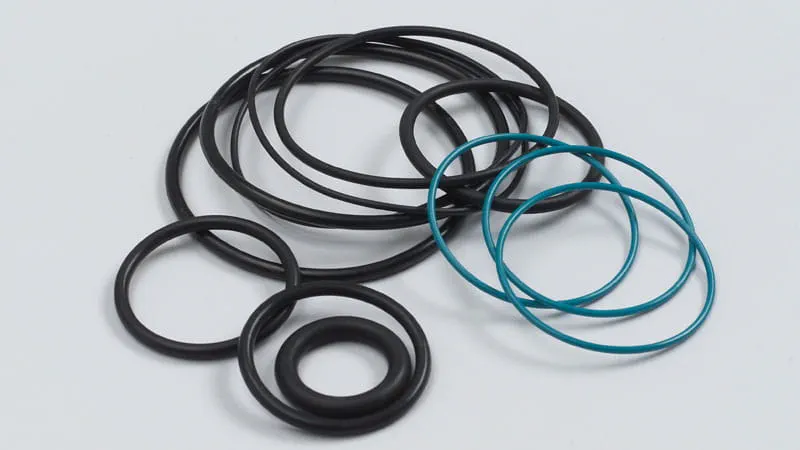
Suzhou Baoshida Trading Co., Ltd. provides high-performance rubber materials tailored for critical applications in the medical, pharmaceutical, and industrial sectors. Among the most widely specified elastomers for medical-grade tubing are Viton, Nitrile (NBR), and Silicone. Each material offers a distinct set of physical, chemical, and thermal properties that determine its suitability for specific operating environments. A precise understanding of these characteristics is essential for OEMs and system integrators to ensure reliability, regulatory compliance, and long-term performance.
Viton, a fluorocarbon-based elastomer, is renowned for its exceptional resistance to high temperatures, aggressive chemicals, oils, and solvents. With continuous service capabilities up to 230°C and short-term tolerance beyond 300°C, Viton is ideal for sterilization processes involving steam, gamma radiation, or chemical agents. Its low permeability to gases and excellent aging resistance make it a preferred choice for applications requiring long service life under harsh conditions. However, Viton exhibits lower flexibility at low temperatures and higher compression set compared to silicone, which may limit its use in dynamic sealing or low-temperature environments.
Nitrile rubber, or acrylonitrile butadiene rubber (NBR), is valued for its outstanding resistance to petroleum-based oils, fuels, and aliphatic hydrocarbons. It performs reliably in temperature ranges from -30°C to 100°C, with some specialty grades extending to 125°C. NBR offers good abrasion resistance and mechanical strength, making it suitable for applications involving fluid handling under mechanical stress. Despite these advantages, its performance degrades rapidly in the presence of ozone, UV light, and polar solvents, and it is not recommended for repeated sterilization cycles typical in medical environments.
Silicone rubber, particularly platinum-cured medical-grade formulations, delivers an optimal balance of biocompatibility, thermal stability, and flexibility. It operates effectively from -60°C to 200°C, supports multiple sterilization methods (including autoclaving, gamma, and ethylene oxide), and complies with USP Class VI, ISO 10993, and FDA regulations. Silicone exhibits low extractables and excellent resistance to oxidation, making it ideal for fluid transfer in sensitive medical devices, drug delivery systems, and biopharmaceutical processing. While it has lower tensile strength and abrasion resistance than NBR or Viton, its inertness and regulatory acceptance are unmatched in medical tubing applications.
The following table summarizes key performance characteristics of these materials for comparative evaluation.
| Property | Viton (FKM) | Nitrile (NBR) | Silicone (VMQ) |
|---|---|---|---|
| Temperature Range (°C) | -20 to 230 | -30 to 125 | -60 to 200 |
| Tensile Strength (MPa) | 10–15 | 15–20 | 6–10 |
| Elongation at Break (%) | 150–300 | 250–500 | 400–700 |
| Hardness (Shore A) | 60–90 | 50–90 | 30–80 |
| Resistance to Oils/Fuels | Excellent | Excellent | Poor |
| Resistance to Ozone/UV | Excellent | Poor | Good |
| Biocompatibility | Moderate | Low | Excellent |
| Sterilization Compatibility | Steam, Gamma, ETO | Limited | Steam, Gamma, ETO |
| Permeability to Gases | Low | Moderate | High |
Selection of the appropriate elastomer requires a comprehensive assessment of the operational environment, regulatory demands, and lifecycle requirements. Suzhou Baoshida Trading Co., Ltd. supports OEM partners with material testing, compliance documentation, and custom formulation services to ensure optimal performance in medical tubing systems.
Manufacturing Capabilities
Engineering Excellence in Medical Silicone Tubing Production
At Suzhou Baoshida Trading Co., Ltd., our engineering division forms the backbone of precision medical silicone tubing manufacturing. We deploy a dedicated team of five certified Mold Engineers and two specialized Rubber Formula Engineers, ensuring end-to-end control from molecular design to final extrusion. This dual-engineering approach eliminates cross-departmental delays and guarantees seamless integration of material science with production physics. Our Formula Engineers focus exclusively on medical-grade silicone systems, optimizing polymer architecture for critical performance parameters such as biocompatibility, thermal stability, and extractable profiles. Concurrently, Mold Engineers apply finite element analysis (FEA) to predict flow dynamics and cure behavior, minimizing defects in complex geometries down to ±0.05mm tolerances.
Material innovation remains central to our value proposition. Our Formula Engineers manipulate base polymer viscosity, filler dispersion, and crosslink density to meet stringent medical standards while addressing client-specific challenges like kink resistance or drug-eluting functionality. Every formulation undergoes rigorous in-house validation against USP Class VI, ISO 10993, and FDA 21 CFR 177.2600 requirements before entering production. This preemptive compliance strategy reduces regulatory risk for OEM partners and accelerates time-to-market.
Mold Engineering capabilities extend beyond conventional tooling design. We utilize real-time cavity pressure monitoring and adaptive cure control systems to maintain consistency across production runs exceeding 500,000 units. Our engineers implement Design for Manufacturing (DFM) protocols during prototyping, identifying potential flash points or weld line weaknesses before tool steel is cut. This proactive methodology achieves first-pass yield rates above 98% for intricate multi-lumen tubing profiles.
As an OEM solutions provider, we deliver complete vertical integration—from raw material sourcing to sterilized packaging. Our facility operates under ISO 13485-certified processes with dedicated cleanrooms (Class 10,000) for medical tubing extrusion. Clients receive full documentation traceability, including lot-specific certificates of conformance and extractables testing reports. The absence of third-party dependencies ensures intellectual property security and flexible scaling from pilot batches to annual volumes exceeding 2 million meters.
Critical Performance Specifications for Medical Silicone Tubing
| Parameter | Standard Range | Testing Method | Compliance Target |
|---|---|---|---|
| Durometer (Shore A) | 10–80 | ASTM D2240 | ±2 points tolerance |
| Tensile Strength | 5.0–12.0 MPa | ASTM D412 | Minimum 7.0 MPa |
| Elongation at Break | 300–800% | ASTM D412 | Minimum 400% |
| Biocompatibility | USP Class VI, ISO 10993 | USP <87>, <88> | Pass all endpoints |
| Dimensional Tolerance | ID: ±0.05mm OD: ±0.10mm | ISO 3302 | Tight-tolerance option |
| Extractables (0.1N NaOH) | <0.5% weight loss | USP <1031> | <0.2% for critical apps |
This engineering synergy—combining molecular precision with advanced tooling intelligence—enables Suzhou Baoshida to solve complex medical tubing challenges that standard suppliers cannot replicate. We transform OEM specifications into validated production realities with uncompromised quality control at every process stage.
Customization Process
Customization Process for Tube Silicone Medical Components
At Suzhou Baoshida Trading Co., Ltd., we specialize in delivering high-performance industrial rubber solutions tailored to the stringent demands of the medical device sector. Our structured customization process ensures that every tube silicone medical component meets exact functional, regulatory, and dimensional requirements. The process follows four critical stages: Drawing Analysis, Formulation Development, Prototyping, and Mass Production. Each phase is executed with scientific precision and full traceability.
The process begins with Drawing Analysis, where our engineering team conducts a comprehensive review of customer-provided technical drawings and performance specifications. Key parameters such as inner and outer diameter tolerances, wall thickness, durometer (Shore A), bend radius, and biocompatibility requirements are evaluated. We assess material compatibility with sterilization methods (e.g., autoclaving, gamma, or ethylene oxide) and fluid exposure conditions. This stage ensures design for manufacturability and identifies potential risks early in development.
Following drawing validation, we proceed to Formulation Development. Our rubber formula engineers design a custom silicone compound that aligns with the application’s mechanical, thermal, and chemical resistance needs. We utilize high-purity, medical-grade silicone base polymers compliant with USP Class VI, ISO 10993, and FDA 21 CFR standards. Additives such as reinforcing fillers, colorants (medical-grade), and processing aids are precisely metered to achieve target properties. The formulation is optimized for extrudability, tensile strength, elongation at break, and compression set performance.
Once the formulation is finalized, we initiate Prototyping. Short-run extrusion is performed using precision tooling matched to the specified tube geometry. Prototypes undergo rigorous in-house testing, including dimensional inspection via optical comparators, durometer verification, and visual defect analysis. Where applicable, functional testing such as burst pressure, kink resistance, and flex life is conducted. Customer feedback is integrated at this stage to fine-tune design or material characteristics before release for production.
The final stage, Mass Production, leverages automated extrusion lines with continuous monitoring systems to ensure batch-to-batch consistency. All production runs are subject to strict quality control protocols, including lot traceability, first-article inspection, and periodic third-party validation. Packaging is customized to meet cleanroom or sterile delivery requirements.
Throughout the process, we maintain close collaboration with OEM partners to ensure alignment with project timelines and regulatory submissions. Our end-to-end control over material sourcing, formulation, and manufacturing enables rapid iteration and reliable scalability.
Typical Physical Properties of Custom Medical Silicone Tubing
| Property | Test Method | Typical Value |
|---|---|---|
| Hardness (Shore A) | ASTM D2240 | 40–80 ±5 |
| Tensile Strength | ASTM D412 | ≥8.0 MPa |
| Elongation at Break | ASTM D412 | ≥400% |
| Compression Set (22 hrs, 70°C) | ASTM D395 | ≤20% |
| Operating Temperature Range | — | -60°C to +200°C |
| Biocompatibility | USP Class VI, ISO 10993 | Pass |
| Sterilization Compatibility | — | Autoclave, Gamma, EtO |
Contact Engineering Team
Precision Medical Silicone Tubing: Partner with Suzhou Baoshida for Critical Applications
Material integrity is non-negotiable in medical device manufacturing. Silicone tubing must consistently meet stringent biocompatibility, dimensional stability, and performance criteria under dynamic physiological conditions. Generic solutions risk device failure, regulatory delays, and patient safety compromises. Suzhou Baoshida Trading Co., Ltd. specializes in engineered silicone formulations and extrusion processes calibrated exclusively for medical-grade tubing requirements. Our ISO 13485-certified supply chain ensures traceability from raw material sourcing to final packaging, adhering to USP Class VI, ISO 10993-5, and REACH standards. We resolve the critical balance between flexibility, kink resistance, and extrusion precision demanded by catheters, drug delivery systems, and life-support equipment.
Our technical team possesses 15+ years of OEM collaboration experience, translating complex application parameters into validated silicone compounds. Unlike commodity suppliers, we optimize polymer architecture at the molecular level—adjusting filler dispersion, crosslink density, and catalyst systems to achieve target properties without compromising purity. This scientific approach eliminates batch variability that plagues standard medical silicone grades. Below are core specifications achievable through our tailored formulation process for medical tubing:
| Property | Test Method | Typical Value Range | Significance for Medical Use |
|---|---|---|---|
| Durometer (Shore A) | ASTM D2240 | 10–80 | Balances patient comfort and structural integrity |
| Tensile Strength (MPa) | ASTM D412 | 6.0–12.0 | Ensures resistance to mechanical stress during use |
| Elongation at Break (%) | ASTM D412 | 400–1000 | Critical for flexibility in minimally invasive procedures |
| Tear Strength (kN/m) | ASTM D624 | 20–45 | Prevents catastrophic failure under tension |
| Compression Set (%) | ASTM D395 | ≤20 (70°C, 22h) | Maintains seal integrity in connectors and ports |
| Biocompatibility | ISO 10993-5/10 | Pass | Mandatory for direct/indirect patient contact |
Suzhou Baoshida operates dedicated cleanroom extrusion lines with real-time laser micrometry, guaranteeing ±0.05mm tolerance on inner/outer diameters for microbore applications. We provide full material documentation packs—including CoA, CoC, and extractables profiles—to accelerate your FDA 510(k) or CE submissions. Our engineering team collaborates from prototype through量产, conducting DOE studies to optimize flow dynamics, sterilization resilience (EtO, gamma, e-beam), and chemical resistance against aggressive pharmaceuticals.
Do not compromise on the foundational component of your medical device. Contact Mr. Boyce, our OEM Technical Manager, for a confidential formulation review. He will analyze your specific pressure, temperature, and regulatory constraints to deliver a silicone tubing solution with zero performance trade-offs. Provide your target specifications, and we will supply test samples with full material traceability within 10 business days. Mr. Boyce’s direct engineering support eliminates procurement bottlenecks and ensures seamless scale-up from clinical trials to high-volume production.
Initiate your project with validated expertise. Email Mr. Boyce at [email protected] with subject line “Medical Tube OEM Inquiry” to schedule a technical consultation. Include your required dimensions, durometer, and sterilization method for immediate compound recommendations. Suzhou Baoshida commits to responding within 4 business hours—because in medical manufacturing, precision cannot wait.
⚖️ O-Ring Weight Calculator
Estimate rubber O-ring weight (Approx).