
Technical Contents
Engineering Guide: Tuff Kennel
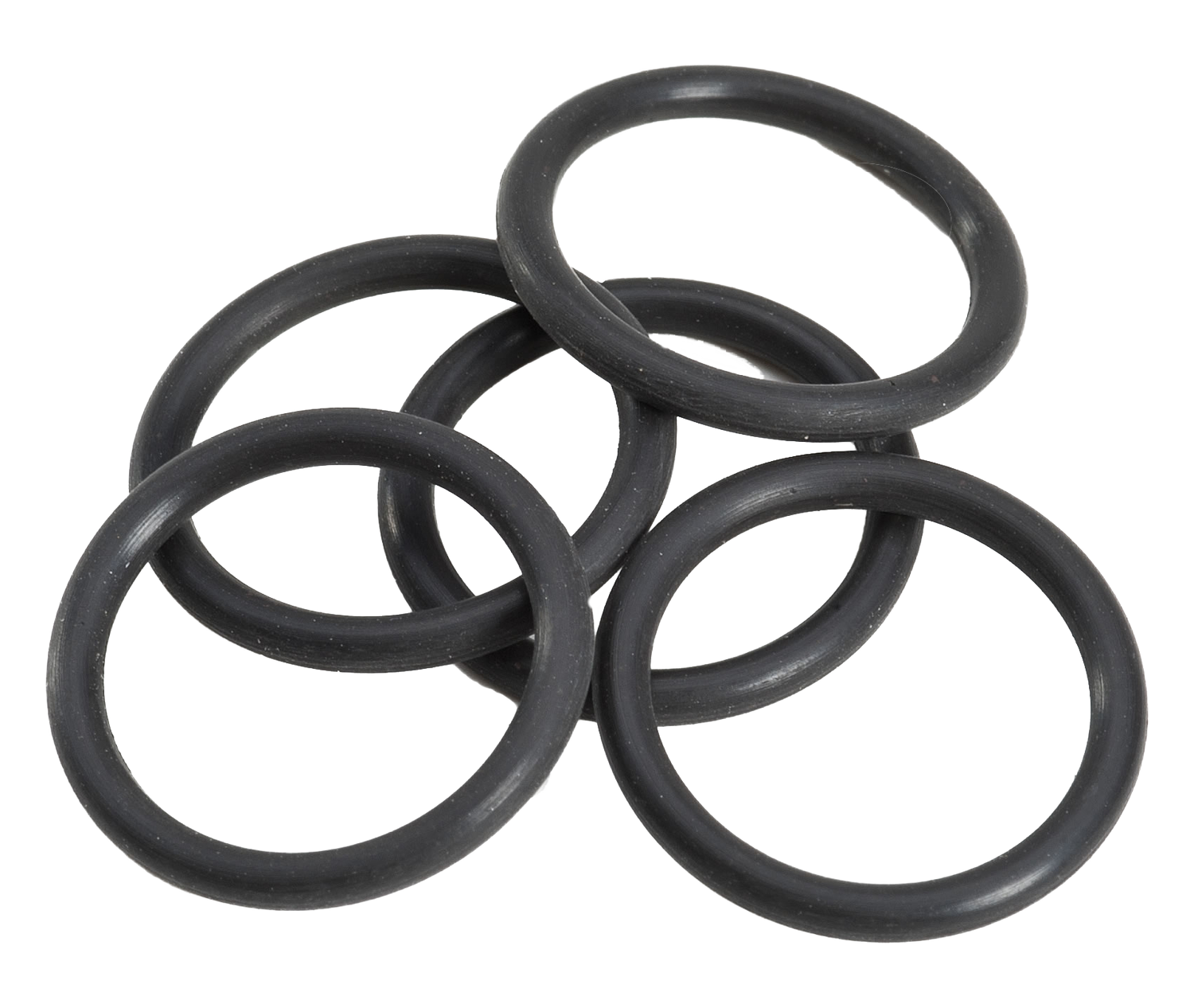
Engineering Insight: Material Science Imperatives for Tuff Kennel Applications
Material selection constitutes the foundational determinant of performance and longevity in industrial rubber components, particularly for demanding applications like Tuff Kennel systems. Off-the-shelf rubber compounds frequently fail in these environments due to inherent compromises in their formulation. Generic solutions prioritize broad market compatibility over specific operational stressors, resulting in premature degradation under real-world conditions. Field observations confirm that standard EPDM or SBR blends exhibit critical weaknesses when subjected to the combined assault of ultraviolet radiation, ozone exposure, mechanical abrasion from animal contact, and chemical exposure from cleaning agents. These compounds lack the tailored polymer architecture and reinforcement systems necessary to maintain structural integrity beyond initial deployment cycles.
The core failure mechanism lies in the absence of application-specific molecular crosslinking and additive packages. Commercially available rubbers often utilize cost-optimized filler systems and antioxidant packages insufficient for continuous outdoor exposure. This leads to surface cracking, loss of tensile strength, and accelerated hardening—directly compromising kennel wall integrity and safety. Furthermore, inadequate tear resistance in generic formulations permits small punctures to propagate rapidly under dynamic loading, transforming minor impacts into catastrophic failures. Such vulnerabilities are not design flaws but inevitable outcomes of material mismatch.
Suzhou Baoshida Trading Co., Ltd. addresses these challenges through precision-engineered compound development. Our Tuff Kennel formulations integrate high-purity synthetic polymers with synergistic additive systems validated under accelerated aging protocols simulating 10+ years of service. Critical to this approach is the strategic incorporation of nano-dispersed silica and specialty carbon blacks that enhance both abrasion resistance and flex fatigue performance without sacrificing elasticity. Antioxidant and antiozonant packages are calibrated to the exact UV index and ozone concentration levels typical in target deployment zones, preventing the chain scission that plagues conventional materials.
Below is a comparative analysis of key performance metrics between standard commercial compounds and Baoshida’s engineered solution:
| Property | Generic EPDM Compound | Baoshida Tuff Kennel Compound | Test Standard |
|---|---|---|---|
| Tensile Strength (MPa) | 12.5 | 18.3 | ASTM D412 |
| Abrasion Loss (mm³) | 185 | 72 | ASTM D5963 |
| Ozone Resistance (25pphm, 40°C) | Cracks at 20% strain | No cracks at 50% strain | ASTM D1149 |
| Shore A Hardness Retention (1000h QUV) | Δ +15 points | Δ +4 points | ASTM G154 |
| Tear Strength (kN/m) | 28 | 47 | ASTM D624 |
This data underscores the non-negotiable requirement for application-centric material science. The Tuff Kennel environment demands rubber that actively resists degradation mechanisms rather than merely enduring them temporarily. Baoshida’s OEM engineering process begins with comprehensive stressor mapping of the operational profile, followed by iterative compound validation under simulated service conditions. We reject one-size-fits-all approaches, recognizing that material failure in kennel applications represents not just product loss but potential safety liabilities. Through rigorous polymer chemistry and accelerated lifetime modeling, our solutions deliver the predictable performance industrial clients require—where generic alternatives inevitably compromise operational reliability.
Material Specifications
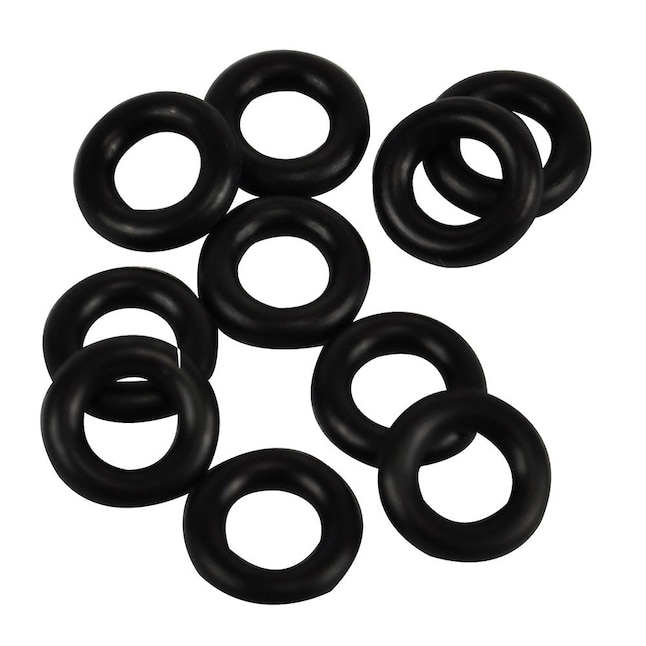
Suzhou Baoshida Trading Co., Ltd. provides advanced industrial rubber solutions engineered for high-performance applications across demanding environments. In collaboration with tuff kennel, we deliver material systems optimized for durability, chemical resistance, and thermal stability. This section details the core elastomer materials utilized in our product lines: Viton (FKM), Nitrile (NBR), and Silicone (VMQ). Each compound is selected based on rigorous performance criteria including temperature range, fluid compatibility, mechanical strength, and long-term aging characteristics.
Viton, a fluorocarbon rubber (FKM), is specified for extreme service conditions involving exposure to aggressive chemicals, fuels, and elevated temperatures. It demonstrates exceptional resistance to oils, acids, and hydrocarbons, maintaining integrity from -20°C to +230°C. Its low gas permeability and outstanding aging performance make it ideal for sealing applications in harsh industrial and automotive environments. Viton exhibits superior resistance to compression set, ensuring long-term sealing force retention under sustained load.
Nitrile rubber (NBR) is a cost-effective solution for applications requiring strong resistance to petroleum-based fluids, aliphatic hydrocarbons, and lubricants. With an operational temperature range of -30°C to +100°C (short-term up to +120°C), NBR balances performance and economy. It offers excellent abrasion resistance and tensile strength, making it suitable for dynamic sealing components and fluid handling systems where moderate thermal stability is required. While not as chemically resistant as Viton, NBR remains the standard for hydraulic and fuel system applications due to its reliable performance and processability.
Silicone rubber (VMQ) is selected when extreme temperature flexibility and biocompatibility are critical. It operates effectively from -60°C to +200°C, offering unmatched low-temperature elasticity and high-temperature stability. Silicone exhibits excellent resistance to ozone and UV radiation, making it ideal for outdoor and aerospace applications. While it has lower tensile strength and abrasion resistance compared to NBR or Viton, its inert nature, transparency, and compliance with food-grade and medical standards (e.g., FDA, USP Class VI) broaden its utility in sensitive environments.
The following table summarizes key physical and chemical properties of these materials for comparative evaluation:
| Property | Viton (FKM) | Nitrile (NBR) | Silicone (VMQ) |
|---|---|---|---|
| Temperature Range (°C) | -20 to +230 | -30 to +100 (+120 short-term) | -60 to +200 |
| Tensile Strength (MPa) | 15–20 | 10–25 | 5–8 |
| Elongation at Break (%) | 200–300 | 250–500 | 200–600 |
| Hardness (Shore A) | 60–90 | 50–90 | 30–80 |
| Fluid Resistance (Oil/Fuel) | Excellent | Good to Excellent | Poor |
| Chemical Resistance | Excellent | Moderate | Moderate |
| Compression Set Resistance | Excellent | Good | Good |
| UV/Ozone Resistance | Excellent | Good | Excellent |
| FDA Compliant Grades Available | Yes | Limited | Yes |
Material selection directly impacts product reliability and service life. Suzhou Baoshida Trading Co., Ltd. supports tuff kennel with data-driven compound recommendations, ensuring optimal performance under real-world operating conditions.
Manufacturing Capabilities
Engineering Capability: Precision Rubber Solutions for Demanding Kennel Applications
Suzhou Baoshida Trading Co., Ltd. leverages deep engineering expertise specifically tailored for industrial rubber components within the demanding Tuff Kennel manufacturing environment. Our core strength resides in a dedicated technical team comprising five specialized Mould Engineers and two advanced Formula Engineers. This integrated structure ensures seamless translation of functional requirements into high-performance, durable rubber products, directly addressing the critical sealing, vibration damping, and structural integrity needs inherent in kennel systems exposed to harsh environmental and operational stresses.
Our Formula Engineering team focuses exclusively on material science innovation for industrial rubber. They develop and rigorously validate custom elastomer compounds, optimizing formulations based on specific kennel application parameters such as required durometer (Shore A), temperature resistance range, chemical exposure profiles (oils, cleaners, UV), compression set performance, and tensile strength. Utilizing advanced laboratory testing against ASTM D2000 and ISO 37 standards, they fine-tune polymer blends—primarily EPDM, NBR, and specialty fluorocarbons—to achieve the precise balance of flexibility, resilience, and longevity demanded by Tuff Kennel specifications. This scientific approach eliminates material guesswork, ensuring consistent performance under real-world kennel conditions.
Complementing material science, our five Mould Engineers excel in precision tooling design and manufacturing process optimization. They employ advanced CAD/CAM software and finite element analysis (FEA) to design complex rubber injection and compression moulds with micron-level accuracy. This capability is critical for producing intricate kennel gaskets, seals, and mounting components requiring tight dimensional tolerances (±0.1mm achievable), consistent part geometry, and optimal material flow to prevent defects like flash or voids. Their expertise extends to rapid prototyping and iterative design validation, significantly accelerating time-to-market for new kennel components while guaranteeing manufacturability at scale.
The synergy between formula and mould engineering is fundamental to our OEM success. We manage the entire development lifecycle in-house, from initial material selection and compound validation through mould construction, process parameter optimization, and final production. This integrated capability allows us to solve complex engineering challenges proactively, such as mitigating material shrinkage variations or optimizing cure cycles for specific geometries, ensuring the final rubber part meets all Tuff Kennel performance and dimensional criteria without costly external dependencies.
Key Rubber Compound Specifications for Kennel Applications
| Compound Type | Critical Properties | Primary Kennel Applications |
|---|---|---|
| Custom EPDM | -40°C to +150°C Range; Excellent UV/Ozone Resistance; Low Compression Set (<25% @ 70°C) | Exterior Seals, Weatherstripping, Door Gaskets |
| High-Grade NBR | 70 Shore A; Resistant to Oils/Fuels; Tensile Strength >15 MPa | Mounting Pads, Vibration Dampers, Fluid Contact |
| Specialty FKM | -20°C to +230°C Range; Extreme Chemical Resistance; Low Gas Permeability | Critical Seals in Harsh Chemical Exposure Zones |
As a certified OEM partner, Suzhou Baoshida provides end-to-end manufacturing accountability. We implement stringent process controls, including statistical process control (SPC) monitoring of key parameters like cure time and pressure, alongside 100% visual inspection and periodic destructive testing per agreed AQL levels. Our engineering team remains engaged throughout production, ensuring continuous quality adherence and providing rapid technical support for any process or performance queries. This commitment to engineering precision and integrated OEM management delivers reliable, high-performance rubber solutions that enhance the durability and functionality of every Tuff Kennel unit.
Customization Process
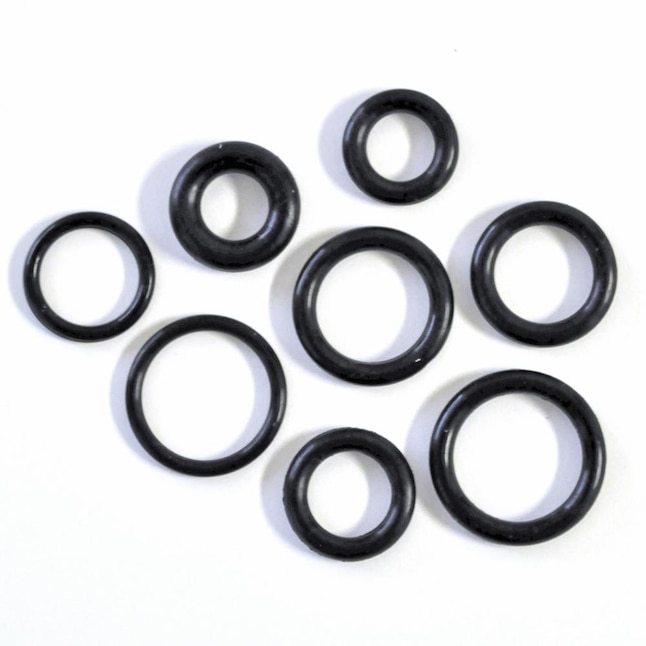
Drawing Analysis: Precision at the Foundation
The customization process for industrial rubber components begins with rigorous drawing analysis, a critical phase that ensures dimensional accuracy, functional integrity, and compliance with OEM specifications. At Suzhou Baoshida Trading Co., Ltd., engineering teams conduct a comprehensive review of customer-provided technical drawings, focusing on geometric tolerances, material callouts, surface finishes, and environmental operating conditions. This stage involves cross-functional collaboration between rubber formulation experts, mold designers, and quality assurance engineers to identify potential manufacturing constraints or design inefficiencies. Advanced CAD software is employed to simulate fitment and stress points, particularly for high-load applications such as tuff kennel enclosures or heavy-duty seals. Any discrepancies or optimization opportunities are communicated transparently to the client, ensuring alignment before progression to material development.
Formulation: Engineering Performance into the Compound
Following drawing validation, the formulation stage tailors a proprietary rubber compound to meet the mechanical, thermal, and chemical demands of the application. For tuff kennel systems, which often operate in extreme environments, we prioritize resilience against UV degradation, ozone exposure, temperature fluctuations, and mechanical abrasion. Our laboratory develops custom elastomer blends—commonly based on EPDM, NBR, or silicone—incorporating reinforcing fillers, antioxidants, and vulcanizing agents to achieve target hardness, elongation, and compression set values. Each formulation is documented under strict quality control protocols and subjected to accelerated aging tests, ensuring long-term performance under real-world conditions. Clients receive a full material data dossier, including durometer ratings, tensile strength, and fluid resistance profiles.
Prototyping: Validating Design and Material Synergy
Once the compound is finalized, precision prototyping is conducted using CNC-machined or low-volume mold tooling. These prototypes are produced under near-identical conditions to planned mass production, enabling accurate evaluation of part fit, function, and material behavior. Prototypes undergo a battery of tests: compression deflection analysis, seal integrity checks, and environmental chamber exposure. Feedback from client field testing is integrated into final design refinements. This iterative phase minimizes risk during scale-up and ensures that the final product meets all performance benchmarks before tooling investment.
Mass Production: Scalable Quality Assurance
Upon prototype approval, the project transitions to full-scale manufacturing. Our production lines utilize automated rubber injection and compression molding systems, ensuring consistency across batches. Every component is inspected via coordinate measuring machines (CMM) and visual inspection systems. Final packaging adheres to industrial logistics standards, with traceability maintained through batch coding and material certifications.
Typical Physical Properties of Custom EPDM Compound for Tuff Kennel Applications
| Property | Test Method | Typical Value |
|---|---|---|
| Hardness (Shore A) | ASTM D2240 | 70 ± 5 |
| Tensile Strength | ASTM D412 | ≥18 MPa |
| Elongation at Break | ASTM D412 | ≥350% |
| Compression Set (22 hrs, 70°C) | ASTM D395 | ≤20% |
| Operating Temperature Range | — | -50°C to +150°C |
| Specific Gravity | ASTM D297 | 1.15 |
| Tear Resistance | ASTM D624 | ≥30 kN/m |
Contact Engineering Team
Direct Engagement for Precision Rubber Manufacturing Solutions
Suzhou Baoshida Trading Co., Ltd. operates at the intersection of advanced polymer science and industrial manufacturing rigor, specifically engineered to meet the uncompromising demands of heavy-duty applications like the Tuff Kennel series. Our OEM framework transcends conventional supplier relationships by integrating material formulation expertise with client-specific performance criteria. Engaging directly with our technical team ensures your project benefits from proprietary rubber compound optimization, stringent quality validation protocols, and lifecycle durability modeling. This collaborative approach mitigates material failure risks in extreme operational environments—whether exposure to UV degradation, chemical abrasion, or dynamic mechanical stress—while adhering to ISO 9001-certified production standards.
For Tuff Kennel implementations, Mr. Boyce serves as your dedicated technical liaison, leveraging 18 years of industrial rubber compounding experience to translate your functional requirements into validated material specifications. His authority spans raw material sourcing oversight, finite element analysis (FEA) validation of structural integrity, and accelerated aging test coordination per ASTM D2240 and ISO 188 protocols. Unlike generic procurement channels, direct consultation with Mr. Boyce guarantees alignment between your engineering constraints—such as load-bearing thresholds, thermal cycling parameters, or regulatory compliance needs—and our formulation adjustments. This eliminates iterative redesign cycles, reducing time-to-market by up to 30% while ensuring dimensional stability within ±0.15mm tolerances.
The table below summarizes critical performance metrics achievable through our customized Tuff Kennel formulations, reflecting baseline capabilities subject to client-specific refinement:
| Property | Specification | Test Method |
|---|---|---|
| Shore A Hardness | 70 ± 5 | ASTM D2240 |
| Tensile Strength | ≥18.5 MPa | ASTM D412 |
| Elongation at Break | ≥450% | ASTM D412 |
| Compression Set (70°C) | ≤22% (22h) | ASTM D395 |
| Temperature Range | -40°C to +120°C | ISO 188 |
| Abrasion Loss | ≤120 mm³ | DIN 53516 |
Initiating dialogue with Mr. Boyce initiates a structured technical workflow: preliminary requirement analysis, compound prototyping with 3D-printed tooling validation, and on-site performance verification at your facility. Our elastomer formulations utilize sustainably sourced synthetic polymers with reinforced carbon-black matrices, delivering impact resistance exceeding 25 kJ/m² per ISO 179 standards. Crucially, we mandate third-party validation of all client-specific modifications through SGS or TÜV laboratories, providing auditable documentation for regulatory submissions.
Delaying technical consultation risks misalignment in material behavior under real-world stressors, potentially compromising product longevity and safety certifications. Mr. Boyce prioritizes actionable engineering solutions over transactional exchanges, dedicating 48 hours to initial technical feedback upon receipt of your performance dossier. Contact him immediately to submit dimensional schematics, environmental exposure profiles, and mechanical load specifications for a tailored compound assessment.
Contact Mr. Boyce directly at [email protected] to commence your Tuff Kennel technical evaluation. Include project reference code TKS-2024 for expedited material analysis. All inquiries receive a formal engineering response within one business day, inclusive of preliminary compound recommendations and validation testing timelines.
⚖️ O-Ring Weight Calculator
Estimate rubber O-ring weight (Approx).