
Technical Contents
Engineering Guide: Two Stroke Fuel Line
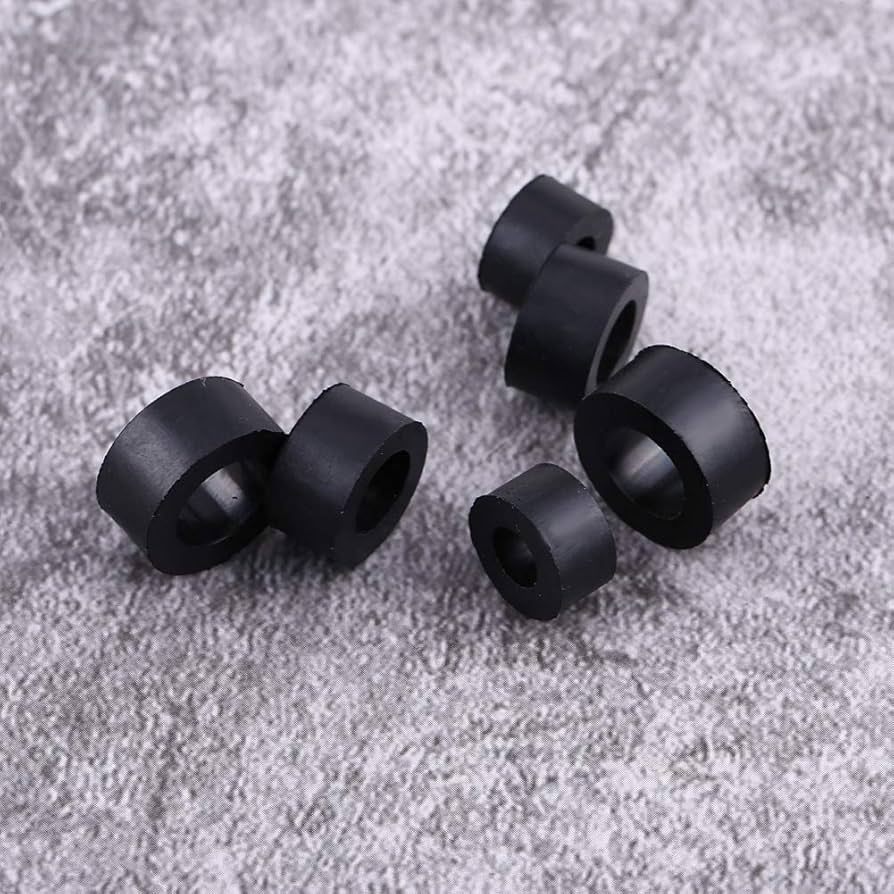
Engineering Insight: Material Selection in Two Stroke Fuel Lines
In the domain of small engine systems, the two stroke fuel line serves a function far beyond simple fluid transfer. It operates under dynamic chemical, thermal, and mechanical stress, making material selection a decisive factor in system reliability. Standard off-the-shelf fuel lines, typically constructed from low-grade nitrile rubber (NBR) or unplasticized PVC, are often incompatible with modern ethanol-blended fuels and fail prematurely due to swelling, hardening, or permeation. These failures manifest as fuel leaks, vapor lock, or engine stalling—issues that compromise both performance and safety.
The root cause of premature degradation lies in the chemical aggressiveness of two stroke fuel mixtures. Unlike pure gasoline, these formulations contain oil (typically 2%–5% by volume) for engine lubrication and increasingly include ethanol at concentrations up to E10 or higher. Ethanol is a polar solvent that attacks conventional rubber matrices, leading to chain scission and loss of mechanical integrity. Additionally, aromatic hydrocarbons in gasoline exacerbate swelling in non-resistant elastomers. Materials such as standard NBR exhibit poor resistance to ethanol and degrade rapidly, while PVC becomes brittle over time due to plasticizer leaching.
At Suzhou Baoshida Trading Co., Ltd., our engineered fuel lines utilize fluorinated nitrile rubber (FKM) and specialty nylon-reinforced nitrile composites, specifically formulated for ethanol and oil resistance. FKM demonstrates exceptional performance in environments with high ethanol content, maintaining dimensional stability and low permeability. The reinforcement layer, typically braided polyester or aramid fiber, enhances burst strength and minimizes volumetric expansion under pressure cycles. This structural integrity ensures consistent fuel delivery, even in high-vibration applications such as chainsaws, leaf blowers, and marine outboards.
Another often-overlooked factor is temperature fluctuation. Two stroke engines generate localized heat spikes, particularly in air-cooled designs. Standard rubber compounds soften at elevated temperatures, increasing the risk of collapse or kinking. Our formulations incorporate thermally stable cross-linking agents that preserve durometer hardness up to 125°C, ensuring reliable operation across extended duty cycles.
Below is a comparative analysis of common materials used in two stroke fuel lines:
| Property | Standard NBR | PVC | FKM (Fluorinated NBR) | Baoshida Composite |
|---|---|---|---|---|
| Ethanol Resistance (E10) | Poor | Moderate | Excellent | Excellent |
| Oil Compatibility | Moderate | Poor | Excellent | Excellent |
| Operating Temperature Range | -20°C to +80°C | -10°C to +60°C | -20°C to +125°C | -30°C to +120°C |
| Permeation Rate (g/m²/day) | 18–25 | 30–40 | 1.5–3.0 | 2.0–4.0 |
| Burst Pressure (MPa) | 2.5 | 1.8 | 6.0 | 7.5 |
The data underscores why generic solutions fail in demanding applications. Off-the-shelf lines sacrifice long-term durability for initial cost savings, leading to higher total cost of ownership due to frequent replacements and equipment downtime.
At Baoshida, we prioritize material science as the foundation of industrial reliability. Our two stroke fuel lines are engineered not to minimum standards, but to the real-world conditions faced by OEMs and maintenance operators. By aligning polymer chemistry with application demands, we deliver solutions that prevent failure before it occurs.
Material Specifications
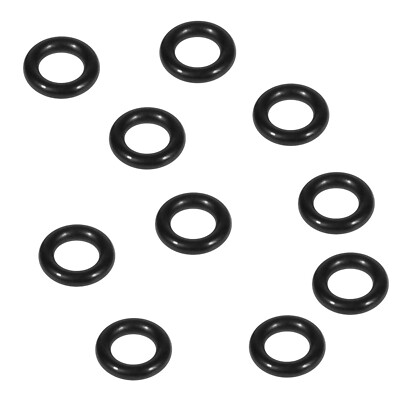
Material Specifications for Two-Stroke Fuel Line Applications
Selecting the appropriate elastomer for two-stroke fuel lines is critical due to exposure to aggressive fuel-oil mixtures, elevated temperatures, and dynamic mechanical stresses. At Suzhou Baoshida Trading Co., Ltd., we prioritize materials that maintain integrity under continuous contact with ethanol-blended gasoline, methanol, and synthetic lubricants typical in modern two-stroke systems. Each compound must resist swelling, hardening, and permeation while retaining flexibility across operational temperature extremes. Below we detail the performance characteristics of Viton, Nitrile, and Silicone compounds validated for this demanding application.
Viton (FKM) fluorocarbon rubber offers the highest resistance to hydrocarbon fuels, oxygenated additives, and thermal degradation. Its perfluoroelastomer structure withstands continuous exposure up to 200°C and intermittent peaks near 250°C, making it ideal for high-performance or turbocharged two-stroke engines. Viton exhibits minimal swell (<15%) in E100 ethanol and maintains tensile strength after 1,000 hours at 150°C per ASTM D471. However, its high raw material cost and specialized processing requirements necessitate precise formulation control to optimize cost-effectiveness for volume OEM production.
Nitrile (NBR) butadiene rubber remains the industry standard for cost-sensitive applications due to its balanced performance and processability. Our proprietary high-acrylonitrile (40-50% ACN) NBR compounds achieve exceptional resistance to aromatic hydrocarbons and aliphatic fuels, with swell rates under 25% in E15 gasoline. Operating effectively from -40°C to 125°C continuous, NBR provides robust abrasion resistance and low compression set (<25% per ASTM D395 at 100°C). While vulnerable to ozone cracking and limited in methanol resistance, optimized NBR formulations deliver 8-10 year service life in standard air-cooled two-stroke systems.
Silicone (VMQ) rubber excels in extreme low-temperature flexibility (-60°C) and high-temperature resilience (200°C short-term), but its application in fuel lines is restricted. Standard silicone exhibits high swell (>50%) in ethanol-gasoline blends due to poor hydrocarbon resistance, leading to rapid permeation and mechanical failure. Only specially formulated fluorosilicone (FVMQ) variants with reinforced polymer backbones are viable, yet they still underperform Viton in fuel resistance and command a 30-40% cost premium. Silicone is generally unsuitable for direct fuel contact in two-stroke lines unless isolated from fuel mixture exposure.
The comparative analysis below summarizes critical performance metrics for OEM selection:
| Property | Viton (FKM) | Nitrile (NBR) | Silicone (VMQ) |
|---|---|---|---|
| Temperature Range (°C) | -20 to +200 | -40 to +125 | -60 to +200 |
| E10 Gasoline Swell (%) | <10 | 15-25 | >50 |
| E85 Methanol Swell (%) | <15 | 30-45 | >70 |
| Compression Set (100°C) | <20% | <25% | <15% |
| Tensile Strength (MPa) | 12-18 | 15-22 | 6-10 |
| Key Applications | High-performance racing, marine outboards | Lawn equipment, entry-level motorcycles | Non-fuel-carrying components only |
Material selection must align with engine operating parameters, fuel composition, and lifecycle cost targets. Suzhou Baoshida Trading Co., Ltd. provides OEMs with application-specific compound validation data per SAE J2044 and ISO 1817 standards, ensuring fuel lines meet stringent permeation and durability requirements. For high-ethanol or extreme-temperature scenarios, Viton remains the optimal solution, while NBR delivers reliable performance for mainstream applications. Silicone should be excluded from direct fuel contact roles in two-stroke systems due to inherent chemical compatibility limitations. Our engineering team collaborates with clients to certify material performance against exact operational profiles.
Manufacturing Capabilities
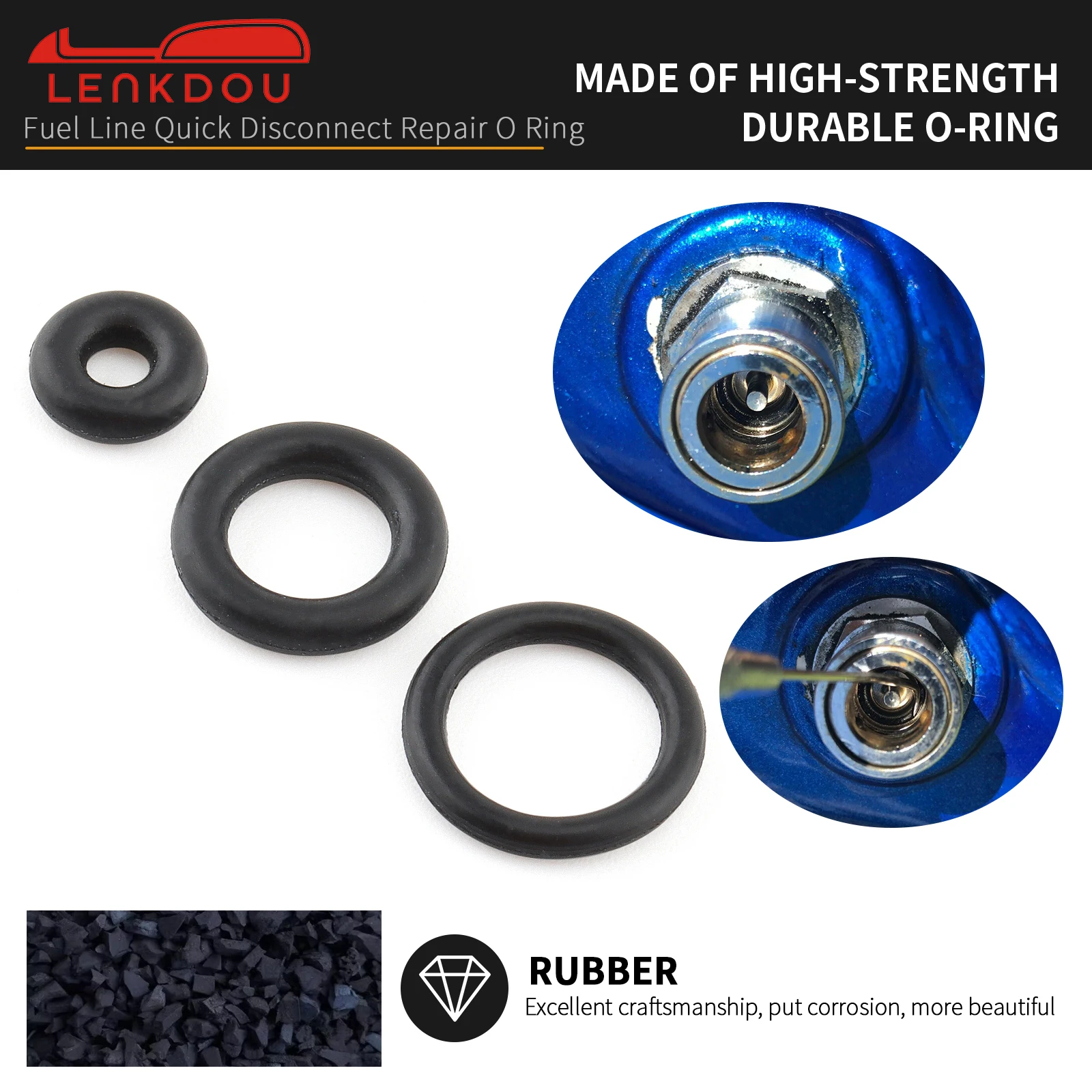
Engineering Excellence in Two-Stroke Fuel Line Development
At Suzhou Baoshida Trading Co., Ltd., our engineering capabilities are built on a foundation of material science precision and advanced mold design, specifically tailored for high-performance industrial rubber applications. Within our dedicated team, we deploy five specialized mold engineers and two certified rubber formulation engineers, enabling us to deliver technically robust, OEM-grade two-stroke fuel lines that meet the stringent demands of modern small-engine systems. Our integrated approach ensures that both material composition and structural geometry are optimized in parallel, reducing development cycles and enhancing product reliability.
Our two-stroke fuel line solutions are engineered to resist critical operational challenges, including fuel permeation, thermal aging, and mechanical fatigue under dynamic vibration conditions. The formulation engineering team specializes in custom compounding of nitrile rubber (NBR), hydrogenated nitrile (HNBR), and fluorocarbon (FKM) elastomers, selecting polymer bases and additive packages—such as antioxidants, plasticizers, and bonding agents—based on fuel composition (petrol-oil mix ratios, ethanol content) and operating temperature ranges. This scientific approach ensures long-term compatibility with both conventional and oxygenated fuels, minimizing swelling and maintaining tensile integrity over extended service life.
Simultaneously, our mold engineering division applies precision CAD/CAM methodologies to design extrusion tooling and forming dies that guarantee dimensional consistency and surface finish quality. We focus on tight tolerance control for inner diameter (ID), outer diameter (OD), and wall thickness uniformity—critical factors in fuel delivery efficiency and system compatibility. Finite element analysis (FEA) is routinely employed to simulate flow dynamics and stress distribution during engine operation, allowing preemptive correction of potential failure points such as kink zones or coupling interface weaknesses.
We support full OEM collaboration, from technical drawings and material data sheets to prototyping and validation testing. Our engineers work directly with client specifications to customize fuel line configurations, including multi-segment assemblies, integrated filters, and molded connectors. Every formulation and design is validated against international performance benchmarks, including ISO 7840, SAE J20, and JASO M310, ensuring global market compliance.
The following table outlines key technical specifications achievable through our engineering platform:
| Parameter | Standard Capability | High-Performance Option |
|---|---|---|
| Material | NBR, EPDM, HNBR | FKM, AEM |
| Inner Diameter Tolerance | ±0.15 mm | ±0.10 mm |
| Operating Temperature Range | -30°C to +100°C | -40°C to +150°C |
| Fuel Resistance (Petrol + 10% Ethanol) | < 15% volume swell after 72h @ 70°C | < 8% volume swell after 72h @ 70°C |
| Burst Pressure | ≥ 1.5 MPa | ≥ 3.0 MPa |
| OEM Customization | Full design and testing support | Rapid prototyping in 15–20 days |
Through the synergy of formulation science and precision tooling, Suzhou Baoshida delivers two-stroke fuel line systems that combine durability, chemical resistance, and dimensional accuracy—engineered for performance and built for partnership.
Customization Process
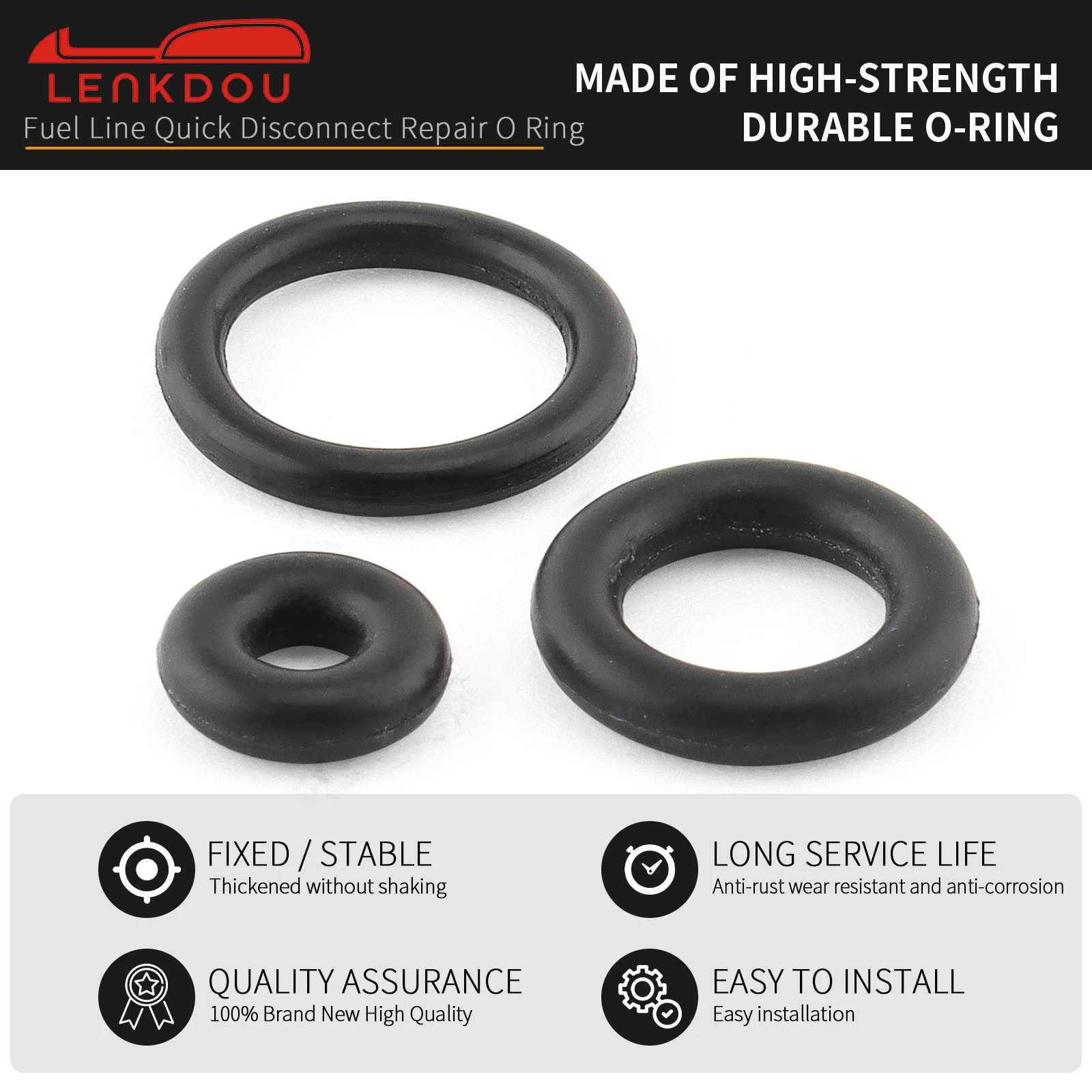
Customization Process for Two-Stroke Fuel Line Manufacturing
Suzhou Baoshida Trading Co., Ltd. employs a rigorously defined engineering workflow to deliver high-performance two-stroke fuel lines tailored to demanding OEM specifications. This process ensures compatibility with aggressive fuel-oil mixtures, thermal cycling, and mechanical stress inherent in two-stroke engine environments. Our methodology eliminates design-to-production gaps through four critical phases.
Drawing Analysis initiates the engagement. Our engineering team conducts a granular review of client-provided technical drawings, focusing on dimensional tolerances, bend radii, and interface geometries. We assess material compatibility requirements against specified fuel blends (including ethanol content up to 15%) and operating temperatures ranging from -40°C to +125°C. Critical attention is paid to dynamic flex zones and potential abrasion points. Any geometric conflicts with assembly constraints or fluid dynamics inefficiencies are flagged for collaborative resolution prior to material selection.
Formulation Development leverages Suzhou Baoshida’s compound expertise. Based on the validated drawing parameters, our rubber chemists design bespoke elastomer formulations. Standard two-stroke fuel lines utilize peroxide-cured NBR/PVC blends for optimal resistance to oil-gasoline emulsions and low-temperature flexibility. For enhanced ethanol tolerance or elevated temperature demands, HNBR or specialty FKM compounds are engineered. Each formulation undergoes computational fluid dynamics (CFD) simulation to predict permeation rates and validate chemical resistance against industry-standard test fuels (e.g., CE10, CM15). Key performance targets are codified in the table below.
| Material Type | Key Properties | Fuel Resistance (ASTM D471) | Temp Range (°C) | Pressure Rating (MPa) |
|---|---|---|---|---|
| Standard NBR/PVC | Balanced cost/performance, good ozone res. | ≤15% vol. swell (CE10) | -40 to +105 | 1.0 |
| High-Grade HNBR | Superior ethanol resistance, low permeation | ≤8% vol. swell (CM15) | -40 to +140 | 1.5 |
| Specialty FKM | Extreme chemical/thermal stability | ≤5% vol. swell (CM15) | -20 to +200 | 2.0 |
Prototyping & Validation follows formulation lock. Precision extrusion and molding produce functional prototypes using production-intent tooling. These undergo accelerated life testing per SAE J2044 and ISO 188 standards, including 1,000-hour fuel immersion, thermal cycling (-40°C to +125°C x 50 cycles), and impulse pressure testing (2x operating pressure at 3 Hz). Vibration durability is validated on engine test benches. Material cross-sections are analyzed via FTIR spectroscopy to confirm no chemical degradation. Client approval is mandatory before tooling release.
Controlled Mass Production commences only after prototype sign-off. Suzhou Baoshida implements statistical process control (SPC) across extrusion, molding, and assembly lines. Every production batch undergoes rigorous in-process checks: dimensional verification via CMM, hardness testing (ASTM D2240), and batch-specific fuel resistance validation. Full traceability is maintained from raw material lot to finished hose assembly, supported by our ISO 9001-certified quality management system. Final inspection includes 100% visual examination and hydrostatic pressure testing at 1.5x operating pressure. This closed-loop process guarantees consistent delivery of fuel lines meeting the exact operational demands of two-stroke powertrain systems.
Contact Engineering Team
For industrial manufacturers and OEMs sourcing high-performance two stroke fuel line components, Suzhou Baoshida Trading Co., Ltd. stands as a trusted partner in precision rubber engineering. Our expertise in industrial rubber solutions ensures that every fuel line we supply meets rigorous standards for chemical resistance, mechanical durability, and operational reliability in demanding two-stroke engine environments. Whether you are producing handheld power tools, marine outboards, or agricultural machinery, our engineered rubber compounds deliver consistent performance under dynamic pressure, temperature fluctuation, and prolonged exposure to fuel-oil mixtures.
At Suzhou Baoshida, we specialize in custom-formulated nitrile rubber (NBR), fluorocarbon (FKM), and chlorinated polyethylene (CM) compounds tailored to the unique requirements of two stroke fuel delivery systems. Our fuel lines exhibit superior resistance to gasoline, ethanol blends (up to E20), and two-stroke lubricants, ensuring long-term integrity and leak-free operation. Each product is manufactured under ISO 9001-certified processes, with strict batch traceability and in-house testing protocols for burst pressure, ozone aging, and volume swell.
We understand that performance in two stroke applications hinges on precise dimensional control and material compatibility. Our engineering team collaborates directly with OEMs to optimize inner diameter consistency, wall thickness tolerance, and surface smoothness—critical factors in maintaining fuel flow efficiency and preventing vapor lock or fuel starvation. Additionally, our lines are available in standard and custom color options with UV-resistant markings for easy identification and compliance with industry coding standards.
Below are representative technical specifications for our standard two stroke fuel line series:
| Property | Test Method | Typical Value |
|---|---|---|
| Inner Diameter | ISO 3309 | 3.0 mm – 6.0 mm (customizable) |
| Wall Thickness | ISO 4078 | 1.5 mm ± 0.1 mm |
| Material | ASTM D1418 | NBR/PVC blend or FKM |
| Hardness (Shore A) | ASTM D2240 | 65 – 75 |
| Tensile Strength | ASTM D412 | ≥15 MPa |
| Elongation at Break | ASTM D412 | ≥250% |
| Fuel Resistance (Volume Swell in ASTM Oil No. 3) | ASTM D471 | ≤25% after 70 hrs at 70°C |
| Operating Temperature Range | — | -30°C to +105°C (intermittent to 125°C) |
| Bend Radius (Minimum) | Internal Test | 3x ID |
To ensure seamless integration into your production workflow, we offer sample kits, technical data sheets, and full material compliance documentation (including REACH and RoHS). Our global logistics network supports just-in-time delivery to manufacturing hubs across Asia, Europe, and North America.
For technical consultation or to initiate a supply agreement, contact Mr. Boyce, OEM Manager and Rubber Formula Engineer, directly at [email protected]. Mr. Boyce leads our application engineering team and provides direct support in material selection, prototype validation, and cost-optimized scaling for high-volume contracts. At Suzhou Baoshida, we engineer not just components—but partnerships in performance. Reach out today to discuss your two stroke fuel line requirements with a specialist in industrial rubber solutions.
⚖️ O-Ring Weight Calculator
Estimate rubber O-ring weight (Approx).