
Technical Contents
Engineering Guide: Types Of Garage Door Seals
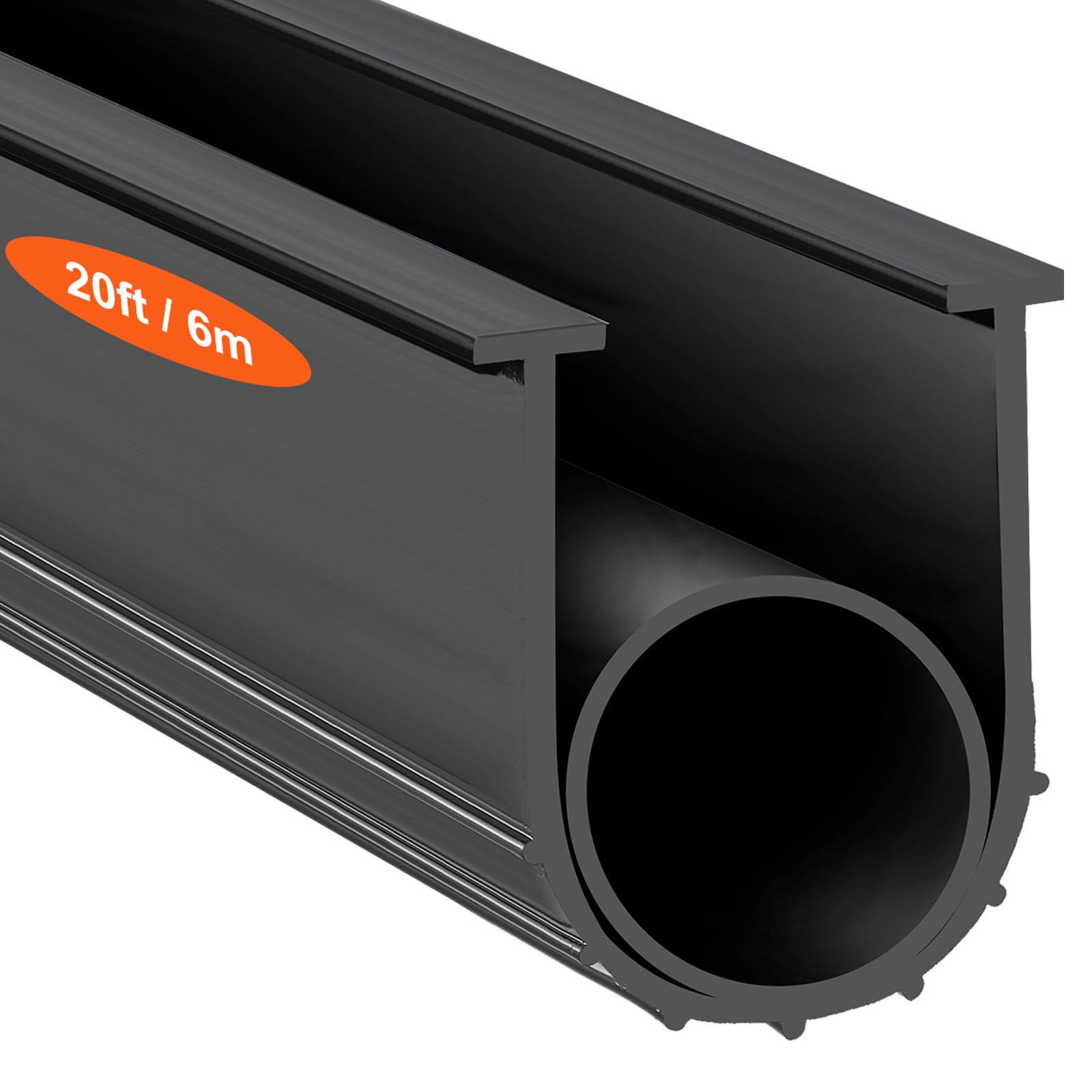
Engineering Insight Material Selection in Garage Door Seals Precision Rubber Seals Require Purpose-Built Formulations
Garage door seals operate under uniquely demanding environmental stressors, rendering generic off-the-shelf solutions fundamentally inadequate for sustained performance. Daily thermal cycling from -30°C to +70°C induces significant material expansion and contraction. Simultaneously, prolonged UV radiation degrades polymer chains, while atmospheric ozone attacks unsaturated bonds. Mechanical compression during door closure imposes cyclic fatigue, and exposure to road salts, oils, and moisture accelerates chemical degradation. Standard retail seals, typically formulated with low-cost EPDM or PVC compounds, lack the molecular stability to withstand this multi-factor assault. These materials exhibit rapid hardening, cracking, and permanent set loss within 12-18 months, leading to compromised weatherproofing, increased energy loss, and premature seal failure. The core engineering failure lies in the absence of tailored polymer architecture and additive packages designed for the specific operational envelope of residential and commercial garage doors.
Material science dictates that successful seal longevity hinges on precise compound formulation. Critical properties include low compression set (<25% after 22 hrs at 70°C per ASTM D395) to maintain sealing force, exceptional UV and ozone resistance (achieved through saturated backbone polymers like premium EPDM or specialty TPEs), and consistent flexibility across extreme temperatures. Off-the-shelf products prioritize initial cost reduction over lifecycle durability, utilizing high filler loads and minimal stabilizers. This compromises elasticity and accelerates embrittlement. Precision-engineered seals, conversely, utilize high-purity monomers, optimized cure systems, and proprietary antioxidant/UV absorber blends to ensure molecular integrity. The resulting compound maintains elastic recovery and dimensional stability for 10+ years, directly translating to reduced maintenance costs and sustained energy efficiency for the end user.
The following table compares critical performance parameters across common seal material types, highlighting the limitations of generic solutions versus engineered compounds:
| Material Type | Temperature Range (°C) | UV/Ozone Resistance | Compression Set (70°C/22h) | Typical Service Life | Key Limitations in Garage Applications |
|---|---|---|---|---|---|
| Generic EPDM (Retail) | -40 to +100 | Moderate | 35-45% | 1-2 years | Rapid hardening, poor low-temp flexibility |
| Premium EPDM (OEM) | -50 to +130 | Excellent | <25% | 10+ years | Higher initial cost |
| Thermoplastic Elastomer | -30 to +110 | Good | 25-35% | 5-7 years | Limited high-temp stability, creep under load |
| Silicone | -60 to +200 | Exceptional | <20% | 15+ years | Highest cost, lower abrasion resistance |
Suzhou Baoshida Trading Co., Ltd. leverages 15+ years of OEM rubber formulation expertise to develop seals meeting exacting JIS K 6259 and ASTM D2000 standards. We reject one-size-fits-all approaches, instead analyzing regional climate data, door cycle frequency, and substrate compatibility to engineer bespoke compounds. This precision eliminates the costly downtime and warranty liabilities inherent in commodity seals, delivering true lifecycle value through molecular-level performance optimization. Material selection is not a cost line item; it is the engineering cornerstone of functional integrity.
Material Specifications
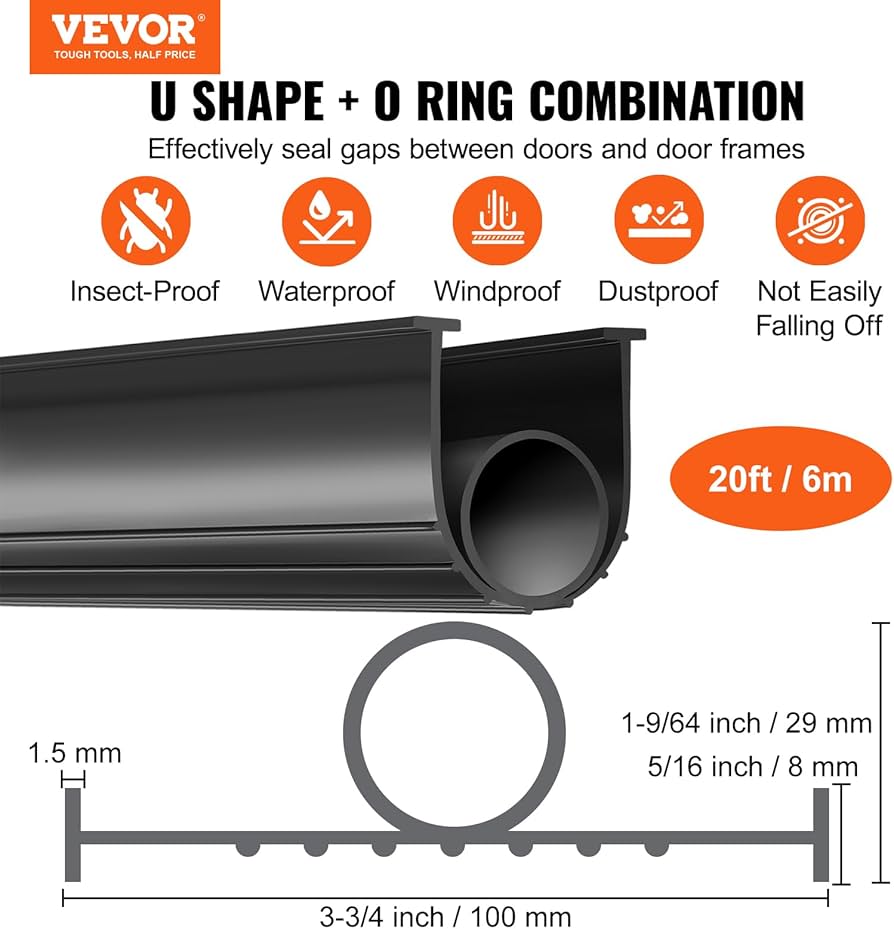
Material Specifications for Precision Garage Door Seals
Suzhou Baoshida Trading Co., Ltd. specializes in high-performance rubber sealing solutions engineered for durability, environmental resistance, and dimensional accuracy. In the context of garage door seals, material selection is critical to ensure long-term functionality under variable temperature, weather, and mechanical stress conditions. The three primary elastomers used in precision garage door seals are Viton (FKM), Nitrile (NBR), and Silicone (VMQ). Each material exhibits distinct chemical, thermal, and mechanical properties that determine its suitability for specific applications.
Viton, a fluorocarbon-based rubber, offers exceptional resistance to high temperatures, ozone, UV radiation, and a broad range of chemicals, including oils, fuels, and solvents. This makes it ideal for garage door seals in industrial or coastal environments where exposure to aggressive substances and prolonged sunlight is common. Viton maintains performance from -20°C to +230°C, providing long-term sealing integrity even under extreme thermal cycling. However, its higher cost and lower flexibility at low temperatures may limit its use in standard residential applications.
Nitrile rubber, or acrylonitrile butadiene rubber (NBR), is widely used due to its excellent resistance to petroleum-based oils and fuels, good abrasion resistance, and cost-effectiveness. With a standard operating range of -30°C to +100°C, NBR is suitable for general-purpose garage door seals in temperate climates. It provides reliable compression set resistance and mechanical strength, making it ideal for frequent-use applications. While NBR performs poorly under prolonged UV exposure and at elevated temperatures, protective coatings or blends can enhance its outdoor durability.
Silicone rubber (VMQ) is valued for its extreme temperature resilience, operating effectively from -60°C to +200°C, and superior resistance to UV and ozone degradation. It is non-reactive, stable, and maintains flexibility in sub-zero conditions, making it ideal for cold storage facilities or regions with harsh winters. Silicone seals also exhibit excellent aging characteristics and low compression set. However, they have lower tensile strength and abrasion resistance compared to NBR and are less resistant to hydrocarbon fluids.
The selection of the appropriate elastomer depends on environmental exposure, temperature range, chemical contact, and lifecycle requirements. Suzhou Baoshida Trading Co., Ltd. ensures precise formulation and extrusion control to meet OEM specifications across all material types.
Material Comparison Table
| Property | Viton (FKM) | Nitrile (NBR) | Silicone (VMQ) |
|---|---|---|---|
| Temperature Range (°C) | -20 to +230 | -30 to +100 | -60 to +200 |
| UV/Ozone Resistance | Excellent | Fair | Excellent |
| Oil and Fuel Resistance | Excellent | Excellent | Poor |
| Abrasion Resistance | Good | Excellent | Fair |
| Compression Set Resistance | Excellent | Good | Excellent |
| Flexibility at Low Temp | Moderate | Good | Excellent |
| Typical Hardness (Shore A) | 70–90 | 60–80 | 40–80 |
| Primary Applications | Industrial, coastal, high-heat | Residential, general use | Cold storage, extreme climates |
Manufacturing Capabilities
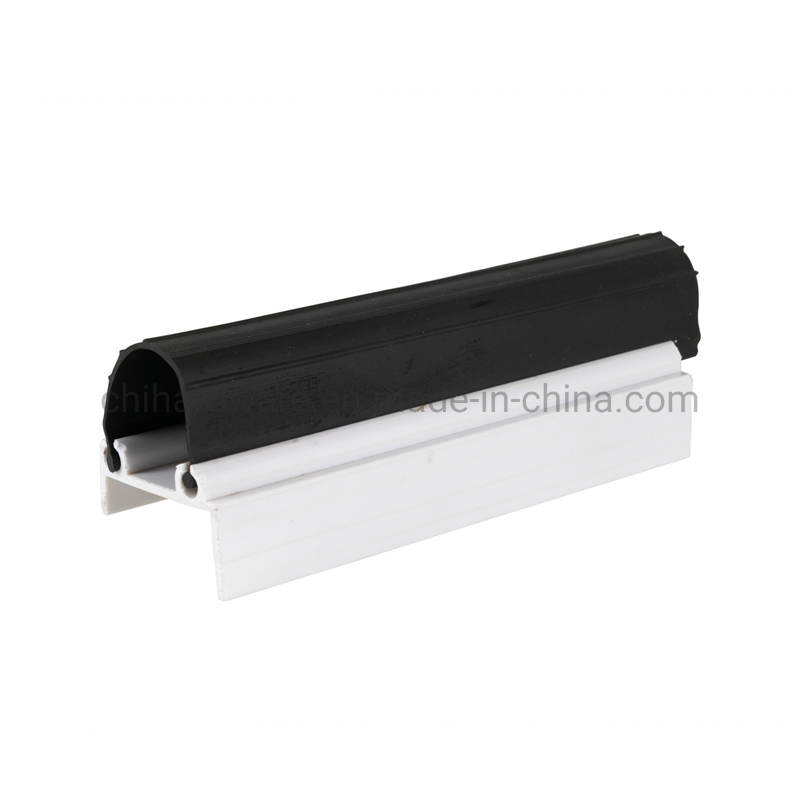
Engineering Excellence in Garage Door Seal Manufacturing
Suzhou Baoshida Trading Co., Ltd. leverages advanced material science and precision engineering to deliver garage door seals that exceed industry performance benchmarks. Our dedicated team of seven specialized engineers—five mould design experts and two rubber formulation specialists—ensures every seal addresses critical operational challenges: thermal efficiency, weather resistance, and long-term dimensional stability. Unlike generic suppliers, we integrate polymer chemistry with mechanical design from the initial concept phase, eliminating common failure points such as compression set degradation, UV-induced cracking, and inadequate low-temperature flexibility.
Material science forms the core of our engineering capability. Our formula engineers optimize elastomer compounds to balance Shore A hardness, tensile strength, and resilience across extreme temperature ranges. Through iterative testing under ASTM D2000 standards, we tailor formulations for specific environmental demands—whether resisting Arctic cold snaps or desert heat exposure. This precision prevents premature seal hardening or extrusion, directly extending product lifecycle and reducing end-user maintenance costs.
Mould engineering complements our material expertise. Our five-engineer team utilizes 3D simulation software to model flow dynamics, cavity pressure distribution, and cooling efficiency. This eliminates weld lines, sink marks, and dimensional drift during high-volume production. Critical tolerances of ±0.1mm are consistently achieved, ensuring seamless integration with OEM door channels and optimal compression force distribution. Such precision guarantees airtight seals that maintain thermal efficiency per ENERGY STAR® requirements.
The following table summarizes key performance metrics for our standard seal formulations, validated through 10,000+ cycle fatigue testing:
| Material Type | Temperature Range | Compression Set (22h/70°C) | Shore A Hardness | ASTM D2000 Classification |
|---|---|---|---|---|
| EPDM 70 | -50°C to +135°C | ≤15% | 68±3 | FE30070 |
| TPE 65 | -40°C to +110°C | ≤22% | 63±3 | BG20065 |
| Silicone 60 | -60°C to +200°C | ≤10% | 58±3 | HK10060 |
OEM partnerships benefit from our end-to-end engineering control. We own all tooling and compound recipes, enabling rapid customization without third-party dependencies. Clients provide dimensional requirements or performance targets; our team delivers optimized solutions within 15 business days through concurrent material and mould development. This includes proprietary additives for ozone resistance or conductive variants for electromagnetic shielding—capabilities rarely offered by commodity seal manufacturers.
Suzhou Baoshida’s engineering framework transforms garage door seals from passive components into engineered performance systems. By unifying formula innovation with precision moulding, we deliver measurable reductions in energy leakage and operational noise while ensuring 10+ year service life. For OEMs, this translates to enhanced product reliability and reduced warranty liabilities in demanding global markets.
Customization Process
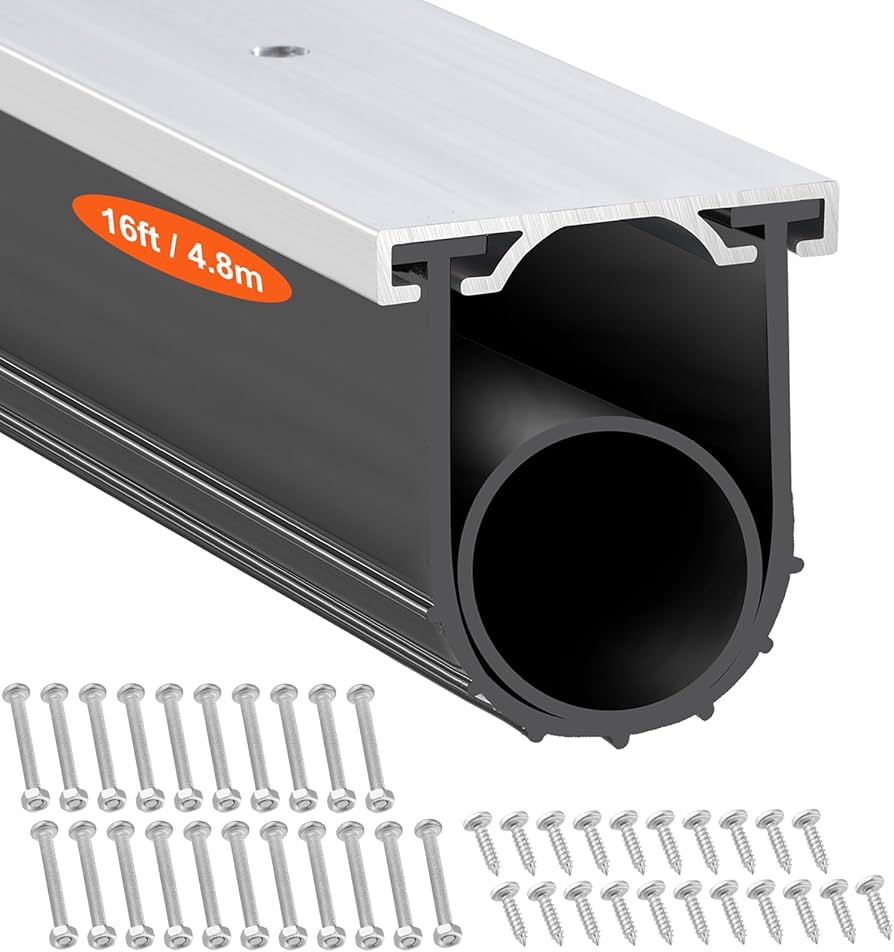
Drawing Analysis
The customization process for precision rubber garage door seals begins with comprehensive drawing analysis. At Suzhou Baoshida Trading Co., Ltd., engineering teams evaluate client-provided technical drawings to extract critical dimensional tolerances, cross-sectional profiles, installation methods, and environmental exposure conditions. This stage ensures geometric compatibility with existing door systems and verifies sealing performance under operational stress. Engineers assess compression set requirements, deflection forces, and mating surface interactions to determine optimal sealing geometry. Any ambiguities in the design are clarified through direct consultation with the client to prevent misinterpretation. The output of this phase is a validated technical specification package that serves as the foundation for material development and prototyping.
Formulation Development
Based on the functional requirements derived from drawing analysis, the rubber formulation is engineered to match performance demands. Suzhou Baoshida specializes in custom compounding of EPDM, silicone, and thermoplastic vulcanizates (TPV), selected for their resistance to UV degradation, temperature extremes (-40°C to +150°C), and compression set. Additives such as anti-oxidants, plasticizers, and reinforcing fillers are precisely metered to enhance durability and flexibility. Shore hardness is tailored between 50–80 A depending on sealing force requirements. The formulation is validated through accelerated aging tests, thermal cycling, and ozone resistance evaluations per ASTM D1149 and ISO 1431 standards. This ensures long-term resilience in outdoor environments where weathering and mechanical fatigue are primary failure modes.
Prototyping and Validation
Once the compound is finalized, a prototype batch is produced using precision extrusion and vulcanization techniques. Prototypes are fabricated in short runs to match the exact profile dimensions and joint configurations specified. These samples undergo dimensional inspection using coordinate measuring machines (CMM) and optical comparators to verify conformance within ±0.2 mm tolerance. Functional testing includes compression deflection analysis, air leakage assessment, and cyclic durability testing over 10,000 door operations. Feedback from client field trials is integrated for design refinement. Only after approval is the prototype deemed suitable for mass production.
Mass Production and Quality Control
Full-scale manufacturing leverages automated extrusion lines with inline laser gauging for real-time dimensional control. Each batch undergoes rigorous quality assurance, including hardness testing, tensile strength verification, and visual inspection for surface defects. All seals are serialized and traceable to raw material lot numbers. Final packaging is customized to prevent deformation during shipping.
| Parameter | Standard Range | Test Method |
|---|---|---|
| Material Types | EPDM, Silicone, TPV | ASTM D2000 |
| Shore A Hardness | 50–80 | ASTM D2240 |
| Temperature Resistance | -40°C to +150°C | ASTM C1677 |
| Compression Set (22h, 70°C) | ≤20% | ASTM D395 |
| Tensile Strength | ≥8 MPa | ASTM D412 |
| UV/Ozone Resistance | Pass 150h | ISO 1431-1 |
Contact Engineering Team
Optimize Your Garage Door Seal Performance Through Precision Engineering
Suzhou Baoshida Trading Co., Ltd. stands at the forefront of industrial rubber compounding, delivering engineered sealing solutions that address the critical thermal, acoustic, and weatherproofing demands of modern garage door systems. Our proprietary formulations—developed over 15 years of OEM collaboration—ensure dimensional stability across extreme temperature cycles, resistance to UV degradation, and minimal compression set under continuous load. Unlike commodity seal producers, we prioritize molecular-level customization: adjusting polymer backbone structures, filler dispersion, and vulcanization kinetics to match your specific operational environment. This scientific approach eliminates premature hardening, cracking, or adhesion failure in field applications, directly enhancing end-user satisfaction and reducing warranty liabilities for your brand.
Our manufacturing ecosystem integrates ISO 9001-certified production with real-time rheometric monitoring, guaranteeing batch-to-batch consistency essential for automated assembly lines. Each seal compound undergoes rigorous validation against ASTM D2000 and EN 12814 standards, with traceable documentation for full material compliance. Below are key performance metrics representative of our standard EPDM and TPE formulations for garage door applications:
| Property | Standard Value | Testing Method |
|---|---|---|
| Hardness (Shore A) | 65 ± 5 | ASTM D2240 |
| Tensile Strength | ≥ 10.5 MPa | ASTM D412 |
| Elongation at Break | ≥ 250% | ASTM D412 |
| Compression Set (70°C/22h) | ≤ 25% | ASTM D395 Method B |
| Temperature Range | -50°C to +120°C | ISO 188 |
| Specific Gravity | 1.15 ± 0.02 | ASTM D297 |
These specifications reflect our baseline industrial-grade compounds; however, true differentiation occurs through application-specific tailoring. Whether your requirement involves low-temperature flexibility for Arctic climates, ozone resistance for coastal installations, or low-friction coefficients for high-cycle commercial doors, our R&D team modifies crosslink density and additive packages to achieve target performance envelopes. We provide comprehensive technical dossiers—including finite element analysis (FEA) stress simulations and accelerated aging data—to de-risk your product integration process.
Initiate a collaborative engineering review with Mr. Boyce, our dedicated OEM Solutions Manager, to transform your sealing challenges into competitive advantages. With direct oversight of Suzhou Baoshida’s compounding facilities and tooling partnerships, Mr. Boyce streamlines the transition from prototype to volume production while ensuring cost efficiency through optimized material utilization. Contact him exclusively for:
Technical validation of custom formulations against your environmental stress criteria
Lifecycle cost analysis comparing standard versus high-performance elastomers
Seamless integration support for automated extrusion and splicing systems
Do not compromise on sealing integrity—a critical failure point in garage door functionality. Mr. Boyce will respond within 4 business hours to schedule a confidential consultation. Reach him directly at [email protected] or +86 512 6761 8836. Include your target application parameters and current pain points to receive a preliminary compound recommendation within 72 hours. Partner with Suzhou Baoshida to embed precision rubber science into your product architecture—where material performance defines market leadership.
⚖️ O-Ring Weight Calculator
Estimate rubber O-ring weight (Approx).