
Technical Contents
Engineering Guide: Urethane Bumper Manufacturer
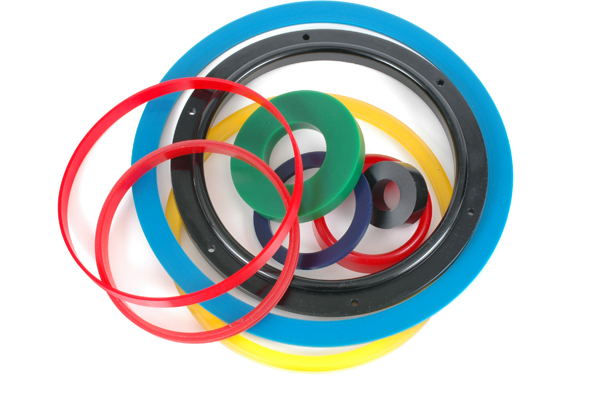
Engineering Insight: The Critical Role of Material Selection in Urethane Bumper Manufacturing
In industrial applications, urethane bumpers serve as vital components for energy absorption, vibration damping, and mechanical protection. While they may appear simple in design, their performance is deeply rooted in the precision of material selection. Off-the-shelf urethane bumpers often fail to meet the demands of rigorous operating environments because they are formulated for general use rather than engineered for specific load, temperature, and chemical exposure conditions. At Suzhou Baoshida Trading Co., Ltd., we emphasize that material science is not a secondary consideration—it is the foundation of reliable performance.
Polyurethane, as a class of polymer, offers a broad spectrum of mechanical properties depending on its formulation. The hardness (Shore A/D), elongation at break, tear strength, and resilience can be tuned by adjusting the isocyanate, polyol, and chain extender ratios. However, generic suppliers frequently standardize on a limited set of formulations, leading to compromises in dynamic performance. For instance, a bumper designed for a forklift impact application requires high rebound resilience and abrasion resistance, while one used in precision automation equipment demands low compression set and dimensional stability under cyclic loading. Using a one-size-fits-all material results in premature wear, cracking, or loss of load-bearing capacity.
Environmental exposure further complicates the selection process. Standard urethanes degrade rapidly under prolonged UV radiation, ozone, or contact with oils and solvents. Without proper additive packages—such as UV stabilizers, antioxidant systems, or hydrolysis-resistant polyols—bumpers can delaminate or harden prematurely. This is particularly critical in outdoor or industrial washdown environments where exposure to water and cleaning agents accelerates material breakdown.
At Baoshida, we approach urethane bumper manufacturing as a systems engineering challenge. Each application undergoes a material qualification process that evaluates operational parameters including impact energy, operating temperature range, contact surface geometry, and expected service life. Only then is a custom formulation developed and validated through accelerated life testing.
The table below illustrates how varying polyurethane formulations affect key performance metrics in industrial bumpers.
| Property | Standard Urethane (Off-the-Shelf) | High-Performance Cast Urethane (Custom) | Difference (%) |
|---|---|---|---|
| Shore Hardness (A90) | 88–92 | 89–91 | ±2% |
| Tensile Strength (MPa) | 35 | 52 | +48.6% |
| Tear Strength (kN/m) | 85 | 130 | +52.9% |
| Elongation at Break (%) | 380 | 420 | +10.5% |
| Compression Set (22h, 70°C) | 18% | 8% | -55.6% |
| Abrasion Loss (Taber, mg) | 85 | 42 | -50.6% |
The data underscores that minor adjustments in chemistry yield substantial improvements in durability. Custom-formulated urethanes not only extend service life but also reduce total cost of ownership by minimizing downtime and replacement frequency.
In conclusion, selecting the right urethane material is not a commodity decision—it is an engineering imperative. Off-the-shelf bumpers may offer short-term cost savings, but they compromise long-term reliability. For mission-critical applications, precision material design is non-negotiable.
Material Specifications
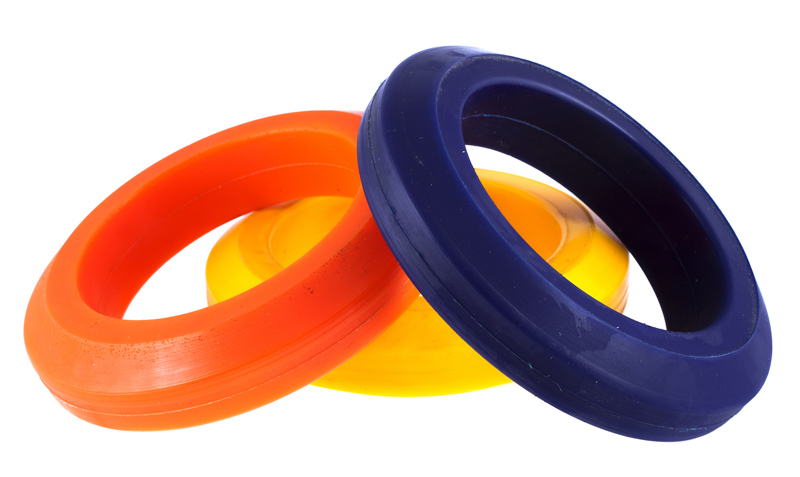
Material Specifications for Precision Urethane Bumpers
Suzhou Baoshida Trading Co., Ltd. delivers engineered rubber solutions for demanding industrial applications, including high-performance urethane bumpers. Material selection critically impacts durability, chemical compatibility, and operational lifespan. Our technical team rigorously validates Viton, Nitrile, and Silicone formulations against OEM specifications to ensure optimal performance under extreme conditions. Each polymer offers distinct advantages for specific environmental stressors, requiring precise alignment with end-use requirements.
Viton fluoroelastomers (FKM) excel in aerospace, automotive, and chemical processing environments where resistance to aggressive fuels, oils, and high temperatures is non-negotiable. With a continuous service range of -20°C to +230°C and intermittent peaks up to 300°C, Viton maintains structural integrity where conventional elastomers fail. Its exceptional resistance to aromatic hydrocarbons, halogenated solvents, and brake fluids makes it indispensable for critical sealing interfaces. However, Viton exhibits lower flexibility at sub-zero temperatures and commands a premium cost, necessitating justified application-specific deployment.
Nitrile rubber (NBR) remains the industrial workhorse for cost-sensitive applications requiring robust oil and fuel resistance. Operating effectively between -40°C and +120°C, NBR formulations achieve Shore A hardness from 40 to 90, accommodating diverse compression and rebound requirements. Its high abrasion resistance and tensile strength (15–30 MPa) suit hydraulic systems, machinery mounts, and automotive fluid-handling components. Limitations include moderate ozone/weathering resistance and degradation above 125°C, restricting use in high-heat zones without specialized additives.
Silicone rubber (VMQ) dominates applications demanding extreme temperature stability and biocompatibility. With an unparalleled range of -60°C to +200°C and medical-grade purity options, silicone is ideal for food processing, pharmaceutical equipment, and electronics housings. Its inherent flexibility across cryogenic conditions and resistance to UV/ozone ensure longevity in outdoor installations. Drawbacks include lower tensile strength (5–12 MPa) versus NBR and susceptibility to tearing under high mechanical stress, requiring careful design integration.
The comparative analysis below details critical parameters for informed material selection. All data reflects standardized testing per ASTM D2000 and ISO 37 protocols under controlled laboratory conditions.
| Property | Viton (FKM) | Nitrile (NBR) | Silicone (VMQ) |
|---|---|---|---|
| Temperature Range (°C) | -20 to +230 | -40 to +120 | -60 to +200 |
| Fuel/Oil Resistance | Excellent | Excellent | Poor |
| Acid/Alkali Resistance | Excellent | Moderate | Good |
| Hardness Range (Shore A) | 50–90 | 40–90 | 30–80 |
| Tensile Strength (MPa) | 10–20 | 15–30 | 5–12 |
| Compression Set (%) | 10–20 | 15–30 | 20–35 |
| Key Limitation | Low-temp flexibility | Heat degradation | Low tear strength |
OEM validation requires cross-referencing these material properties against application-specific stressors, including dynamic load cycles, media exposure, and regulatory compliance. Suzhou Baoshida’s engineering team collaborates with manufacturers to conduct accelerated life testing, ensuring bumper performance aligns with operational duty cycles. Precision in compound formulation—balancing filler content, cure systems, and polymer grades—is paramount to achieving target specifications without compromising cost efficiency. For mission-critical deployments, we recommend pilot testing under actual service conditions prior to full-scale production.
Manufacturing Capabilities
Engineering Capability
At Suzhou Baoshida Trading Co., Ltd., our engineering team forms the backbone of our industrial rubber solutions, delivering precision, durability, and innovation tailored to the specific demands of urethane bumper manufacturing. Our in-house engineering division comprises five dedicated mould engineers and two specialized rubber formula engineers, enabling a fully integrated development process from concept to mass production. This technical synergy ensures that every urethane bumper we produce meets exacting performance standards across industries such as automotive, logistics, material handling, and industrial automation.
Our mould engineers bring over a decade of combined experience in precision tooling design, utilizing advanced CAD/CAM software and CNC machining techniques to develop high-tolerance, long-life moulds. Each mould is optimized for dimensional accuracy, cycle efficiency, and material flow dynamics, ensuring consistent part quality and reduced production downtime. We specialize in multi-cavity and family moulds, supporting both low-volume custom runs and high-volume OEM manufacturing. Finite element analysis (FEA) is routinely applied to validate structural integrity under operational stress, minimizing prototyping iterations and accelerating time-to-market.
Complementing our tooling expertise, our two rubber formula engineers focus on material science innovation, formulating polyurethane compounds that balance hardness, rebound resilience, abrasion resistance, and temperature stability. We develop custom formulations based on client-specific requirements, including load-bearing capacity, noise dampening, and resistance to oils, UV exposure, and ozone degradation. Our lab conducts rigorous testing on durometer, tensile strength, elongation at break, and compression set to ensure every batch meets or exceeds international standards such as ASTM D412 and ISO 48.
Our OEM capabilities are built on a foundation of technical agility and strict confidentiality. We support full turnkey manufacturing, from initial design consultation and prototyping to production, quality control, and logistics. Clients benefit from dedicated project management, traceable documentation, and compliance with ISO 9001 standards. Whether scaling from prototype to production or reverse-engineering legacy components, our engineering team ensures seamless integration into client supply chains.
The following table outlines key technical specifications achievable through our engineering and manufacturing platform:
| Parameter | Typical Range | Testing Standard |
|---|---|---|
| Hardness (Shore A/D) | 60–95A, 30–60D | ASTM D2240 |
| Tensile Strength | 25–50 MPa | ASTM D412 |
| Elongation at Break | 300–600% | ASTM D412 |
| Compression Set (22h, 70°C) | ≤20% | ASTM D395 |
| Tear Strength | 80–120 kN/m | ASTM D624 |
| Operating Temperature | -40°C to +90°C (standard) | Custom up to +120°C |
| Mould Tolerance | ±0.05 mm | ISO 2768 |
This combination of advanced tooling, material science, and OEM scalability positions Suzhou Baoshida as a trusted engineering partner in the global urethane bumper supply chain.
Customization Process
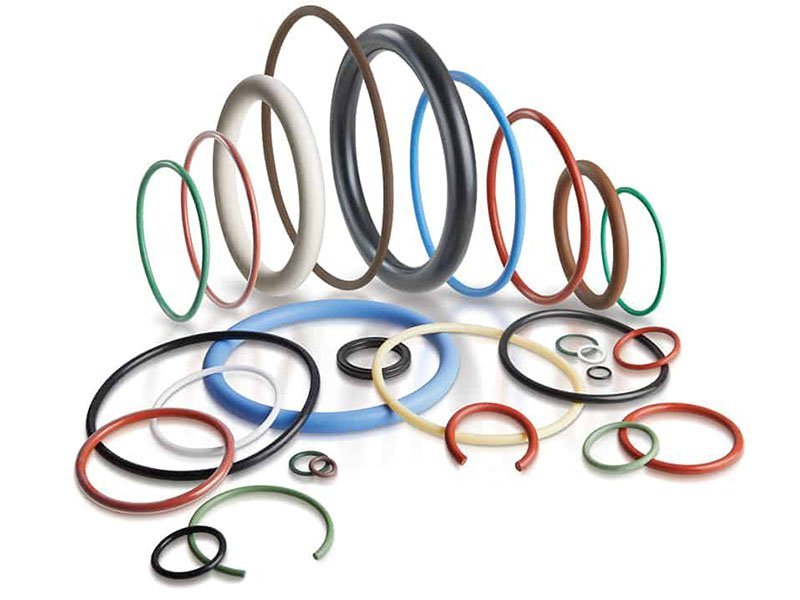
Customization Process for High-Performance Urethane Bumpers
At Suzhou Baoshida Trading Co., Ltd., our urethane bumper customization process integrates material science with precision manufacturing to meet exacting industrial demands. We begin with rigorous Drawing Analysis, where engineering teams dissect client CAD files and GD&T specifications. Critical parameters—such as geometric tolerances, draft angles, and wall thickness uniformity—are evaluated against urethane’s flow dynamics and cure behavior. This phase identifies potential molding defects early, ensuring the design aligns with polyurethane’s viscoelastic properties and production feasibility. Non-conformities trigger collaborative redesigns to optimize part integrity without compromising functional requirements.
The Formulation stage leverages our proprietary material database and client-specified performance criteria. Engineers select base polyols (polyether or polyester) and isocyanates, then calibrate additive packages for targeted outcomes: UV stabilizers for outdoor exposure, plasticizers for low-temperature flexibility, or fire-retardant agents for regulated environments. Shore A hardness, tear strength, and compression set are modeled using rheological simulations, with formulations validated against ASTM D2240, D412, and D395 standards. Every compound is tailored to balance dynamic load absorption, chemical resistance, and service life under operational stressors.
Prototyping transforms validated formulations into physical samples using CNC-machined aluminum molds. We produce 5–10 units for comprehensive validation, testing critical metrics under simulated real-world conditions. The table below outlines key performance benchmarks we verify:
| Property | Test Standard | Typical Range for Industrial Bumpers |
|---|---|---|
| Shore A Hardness | ASTM D2240 | 60–95 |
| Tensile Strength (MPa) | ASTM D412 | 15–35 |
| Elongation at Break (%) | ASTM D412 | 300–600 |
| Compression Set (22h) | ASTM D395 | ≤20% @ 70°C |
| Tear Strength (kN/m) | ASTM D624 | 40–100 |
Clients receive detailed test reports, including durometer gradients across complex geometries and dynamic fatigue data. Iterations address micro-defects like voids or surface tackiness before final sign-off.
Mass Production commences only after prototype approval, with stringent process controls. Our ISO 9001-certified facility employs real-time monitoring of injection pressure, cure temperature (±2°C accuracy), and demold timing to ensure batch consistency. Each lot undergoes 100% visual inspection and statistical sampling for dimensional conformance (per ASME Y14.5). Traceability is maintained via laser-etched batch codes, linking raw material certificates to final QC records. For high-volume orders, we implement automated in-line testing for hardness and weight variance, guaranteeing <0.5% defect rates.
This structured workflow—anchored in material expertise and industrial-grade validation—ensures Suzhou Baoshida delivers urethane bumpers that consistently exceed OEM durability and performance expectations.
Contact Engineering Team
For industrial manufacturers seeking high-performance urethane bumpers tailored to demanding applications, Suzhou Baoshida Trading Co., Ltd. stands as a trusted partner in precision rubber engineering. As a specialized provider of industrial rubber solutions, we combine advanced material science with rigorous quality control to deliver urethane components that meet exact OEM and industrial specifications. Our urethane bumpers are engineered for superior energy absorption, resilience, and longevity in environments ranging from heavy machinery and automation systems to transportation and material handling equipment.
Our manufacturing process integrates computer-aided formulation, precision molding, and comprehensive post-cure inspection to ensure dimensional accuracy and consistent physical properties across every production batch. Whether you require custom durometer ratings, specialized geometries, or application-specific additives such as UV stabilizers, anti-static agents, or oil resistance modifiers, our team is equipped to develop a solution optimized for your operational requirements.
At the core of our service is a commitment to technical collaboration. We work directly with engineering teams, procurement managers, and OEMs to translate functional needs into durable, cost-effective urethane components. Our in-house laboratory performs full-scale mechanical testing, including compression set, tensile strength, abrasion resistance, and dynamic load performance, ensuring every bumper meets or exceeds industry benchmarks.
To support global supply chain integration, we offer scalable production volumes, strict adherence to ISO standards, and comprehensive documentation including material certifications, batch traceability reports, and RoHS/REACH compliance data. Our logistics network ensures timely delivery to North America, Europe, and Asia, with packaging configurations designed to protect sensitive components during transit.
For immediate technical consultation or custom quote requests, contact Mr. Boyce, Rubber Formula Engineer and OEM Manager at Suzhou Baoshida Trading Co., Ltd. Mr. Boyce brings over 12 years of experience in polyurethane formulation and industrial component optimization, providing direct engineering support to clients developing next-generation machinery and equipment. Reach him via email at [email protected] to discuss material selection, prototype development, or volume production planning.
Below are representative technical specifications for our standard urethane bumper formulations. Custom parameters are available upon request.
| Property | 80A Urethane | 95A Urethane | 70D Urethane |
|---|---|---|---|
| Hardness (Shore A/D) | 80A | 95A | 70D |
| Tensile Strength (MPa) | ≥35 | ≥45 | ≥55 |
| Elongation at Break (%) | ≥450 | ≥380 | ≥280 |
| Tear Strength (kN/m) | ≥110 | ≥130 | ≥150 |
| Compression Set (22 hrs, 70°C) | ≤15% | ≤18% | ≤20% |
| Operating Temperature Range | -40°C to +90°C | -40°C to +90°C | -30°C to +100°C |
| Abrasion Resistance (DIN 53516, mm³ loss) | ≤60 | ≤55 | ≤50 |
Partner with Suzhou Baoshida for urethane bumpers that combine scientific precision with industrial reliability. Initiate your project today by contacting Mr. Boyce at [email protected].
⚖️ O-Ring Weight Calculator
Estimate rubber O-ring weight (Approx).