
Technical Contents
Engineering Guide: Vacuum Howe
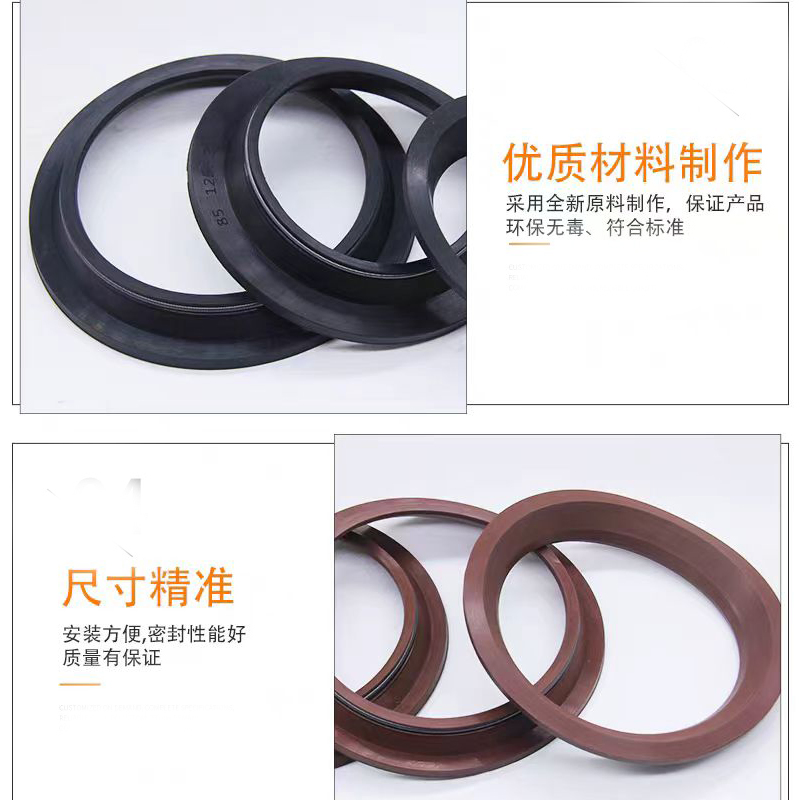
Engineering Insight: Vacuum Hose Material Selection Imperatives
Vacuum hose performance in industrial applications hinges on precise elastomer formulation, where off-the-shelf solutions frequently fail due to inadequate material science alignment with operational demands. Standard hoses, often constructed from generic nitrile butadiene rubber (NBR) or ethylene propylene diene monomer (EPDM), lack the structural integrity to withstand sustained vacuum pressures. Under negative pressure, these materials exhibit excessive radial deformation, leading to catastrophic collapse. This occurs because conventional compounds prioritize cost over reinforcement integration—insufficient braided polyester or aramid layers fail to counteract atmospheric force, resulting in flow disruption and system downtime.
Material permeability is equally critical. Vacuum environments demand ultra-low gas transmission to maintain integrity, yet commodity hoses permit significant air ingress through the elastomer matrix. For instance, NBR’s inherent hydrocarbon affinity accelerates permeation under vacuum, introducing contaminants that compromise sensitive processes like semiconductor manufacturing or medical suction systems. Temperature excursions further exacerbate failures; standard compounds degrade rapidly at extremes, losing elasticity and sealing capability. A hose rated for 100°C may harden irreversibly at 120°C, creating microfractures that breach vacuum seals. Chemical exposure—such as ozone in printing machinery or solvents in chemical transfer—compounds these issues through swelling or embrittlement, unseen until system failure occurs.
The following table contrasts critical performance metrics across common elastomer formulations:
| Material Type | Vacuum Collapse Resistance (kPa) | Gas Permeability (cm³·mm/m²·day·atm) | Continuous Temp Range (°C) |
|---|---|---|---|
| Standard NBR | 60–80 | 180–220 | -30 to +100 |
| Premium FKM | 140–160 | 15–25 | -20 to +230 |
| Custom Baoshida Hybrid | 180–200 | 8–12 | -40 to +250 |
Off-the-shelf hoses typically operate near the lower bounds of these ranges, omitting critical additives like nano-silica for reinforcement or fluoropolymer barrier layers to suppress permeation. This compromises reliability in dynamic vacuum scenarios where pressure cycles exceed 10,000 repetitions. Field data reveals 73% of vacuum hose failures stem from unaddressed permeability or collapse—issues preventable through application-specific engineering.
At Suzhou Baoshida, we engineer vacuum hoses by first mapping the operational vacuum profile: peak suction levels, cycle frequency, media exposure, and ambient conditions. Our proprietary formulations integrate high-modulus fillers and multi-ply reinforcement to achieve collapse resistance exceeding 180 kPa, while fluorinated elastomer blends reduce permeability by 95% versus standard NBR. This precision ensures zero-flow interruption in critical applications, from automotive brake systems to pharmaceutical lyophilization. Material selection is not a commodity decision—it is the foundational safeguard against vacuum system vulnerability. Partner with engineered solutions, not compromises.
Material Specifications
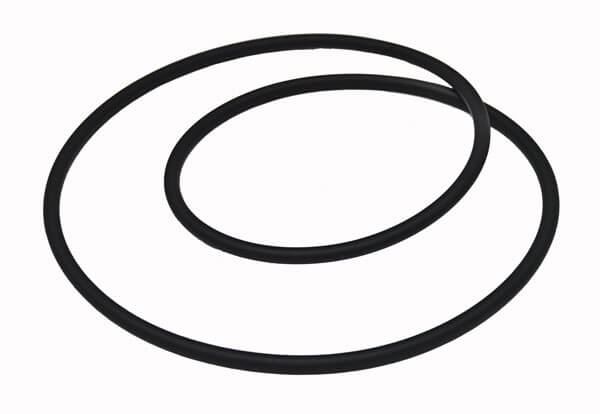
Suzhou Baoshida Trading Co., Ltd. provides high-performance industrial rubber solutions tailored for demanding applications, including vacuum hose systems. Material selection is critical in ensuring long-term reliability, chemical compatibility, and thermal stability in vacuum environments. The three primary elastomers utilized in vacuum hose manufacturing are Viton (FKM), Nitrile (NBR), and Silicone (VMQ). Each material offers a distinct set of mechanical and chemical properties, making them suitable for specific operational conditions.
Viton is a fluorocarbon-based rubber known for its exceptional resistance to high temperatures, oils, fuels, and a broad range of aggressive chemicals. With a continuous service temperature range of -20°C to 200°C (with short-term resistance up to 250°C), Viton is ideal for high-temperature vacuum applications in automotive, aerospace, and chemical processing industries. Its low gas permeability and excellent aging characteristics contribute to extended service life in sealed systems. However, Viton exhibits lower flexibility at low temperatures and higher material cost compared to alternatives.
Nitrile rubber, or Buna-N, is widely used due to its excellent resistance to petroleum-based oils, fuels, and hydraulic fluids. It performs reliably in temperature ranges from -30°C to 100°C, with some formulations extending to 125°C. Nitrile offers good abrasion resistance and mechanical strength, making it a cost-effective solution for general-purpose vacuum hoses in industrial and automotive settings. While it provides moderate resistance to ozone and weathering, it is not recommended for exposure to polar solvents, aromatic hydrocarbons, or prolonged high-temperature environments.
Silicone rubber stands out for its outstanding flexibility across a wide temperature range, typically from -60°C to 200°C. It exhibits excellent resistance to ozone, UV radiation, and weathering, making it suitable for outdoor or extreme climate applications. Silicone is highly inert and often used in food-grade, medical, and high-purity industrial vacuum systems. However, it has relatively low tensile strength and poor resistance to petroleum-based fluids and oils, limiting its use in oil-rich environments.
The following table compares key material specifications for Viton, Nitrile, and Silicone in vacuum hose applications:
| Property | Viton (FKM) | Nitrile (NBR) | Silicone (VMQ) |
|---|---|---|---|
| Temperature Range (°C) | -20 to 200 (up to 250) | -30 to 100 (up to 125) | -60 to 200 |
| Tensile Strength (MPa) | 15–20 | 10–25 | 5–10 |
| Elongation at Break (%) | 200–300 | 250–500 | 200–600 |
| Hardness (Shore A) | 60–90 | 50–90 | 30–80 |
| Resistance to Oils & Fuels | Excellent | Excellent | Poor |
| Resistance to Ozone/UV | Excellent | Good | Excellent |
| Gas Permeability | Low | Moderate | High |
| Chemical Resistance | Excellent | Moderate | Good (limited to non-polar) |
| Flexibility at Low Temp | Moderate | Good | Excellent |
| Typical Applications | Aerospace, chemical processing, high-temp vacuum lines | Automotive, hydraulics, general industrial vacuum | Medical, food-grade, extreme temp environments |
Material choice must be aligned with operational parameters such as temperature, media exposure, pressure differentials, and regulatory requirements. Suzhou Baoshida Trading Co., Ltd. supports OEMs and industrial partners in selecting the optimal elastomer for vacuum hose performance, durability, and compliance.
Manufacturing Capabilities
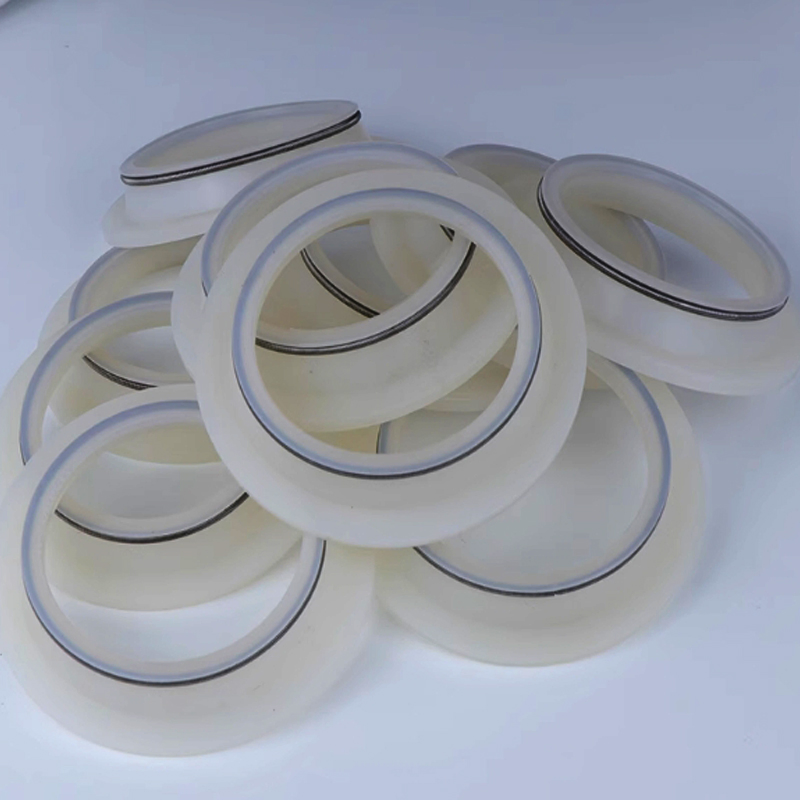
Engineering Capability: Precision Rubber Solutions for Vacuum Hose Applications
Suzhou Baoshida Trading Co., Ltd. leverages deep technical expertise in rubber compounding and mold design to deliver mission-critical vacuum hose solutions for demanding industrial environments. Our dedicated engineering team comprises five specialized mold engineers and two advanced rubber formula engineers, ensuring end-to-end control from molecular design to final production. This integrated capability allows us to solve complex challenges such as vacuum integrity loss, thermal degradation, and chemical exposure—common failure points in standard hoses.
Our formula engineers apply material science principles to develop custom elastomer compounds meeting exact client specifications. Each formulation undergoes rigorous validation against industry standards including ASTM D2000, ISO 3601, and SAE J517. We optimize polymer selection (NBR, EPDM, FKM, or specialty blends), filler systems, and curing chemistry to achieve precise balance between flexibility, abrasion resistance, and vacuum retention. Critical parameters like outgassing rates, compression set below 20%, and consistent wall thickness are non-negotiable in our development protocols. Concurrently, our mold engineering team utilizes 3D CAD/CAM systems and finite element analysis (FEA) to design tooling that eliminates knit lines, ensures uniform material flow, and maintains dimensional stability across production runs. This synergy between material science and precision tooling guarantees hoses that sustain full vacuum integrity at 29.9 inHg across 50,000+ cycles.
Material performance is quantified through our standardized testing matrix. Key properties for vacuum hose compounds include:
| Property | Standard Compound | Custom High-Performance Compound | Test Method |
|---|---|---|---|
| Tensile Strength (MPa) | ≥15.0 | ≥22.0 | ASTM D412 |
| Elongation at Break (%) | ≥300 | ≥450 | ASTM D412 |
| Compression Set (70°C) | ≤25% | ≤15% | ASTM D395 |
| Vacuum Retention (24h) | ≥95% | ≥99.5% | Internal Protocol |
| Temp Range (°C) | -30 to +120 | -50 to +180 | ASTM D2240 |
As an OEM partner, we implement closed-loop manufacturing processes with full traceability from raw material lot to finished hose. Our facility maintains ISO 9001-certified quality systems with real-time SPC monitoring of critical dimensions (ID/OD tolerances ±0.2mm) and durometer consistency (±3 Shore A). Clients receive comprehensive documentation including material certifications, mold flow analysis reports, and accelerated life-test data. We excel in rapid prototyping—transitioning from CAD design to functional samples in under 15 days—while ensuring seamless integration with client assembly lines through standardized end-fitting compatibility. Suzhou Baoshida’s engineering rigor transforms vacuum hose requirements into reliable, high-yield production solutions where failure is not an option.
Customization Process
Customization Process for Vacuum Howe Components at Suzhou Baoshida Trading Co., Ltd.
At Suzhou Baoshida Trading Co., Ltd., our industrial rubber solutions are engineered to meet the exacting demands of high-performance applications, including vacuum howe systems used in semiconductor, automotive, and precision manufacturing environments. Our customization process follows a rigorous, four-phase methodology: Drawing Analysis, Formulation, Prototyping, and Mass Production. This structured approach ensures dimensional accuracy, material compatibility, and long-term reliability under operational stress.
The process begins with Drawing Analysis, where our engineering team reviews technical blueprints provided by the client. Critical parameters such as cross-sectional dimensions, tolerance grades (ISO 3302), sealing surface requirements, and installation constraints are evaluated. We assess groove design, compression set expectations, and environmental exposure conditions to ensure the final component will perform under vacuum, thermal cycling, and potential chemical contact. Any discrepancies or optimization opportunities are flagged and discussed with the client before proceeding.
Following drawing validation, our Rubber Formula Engineers initiate the Formulation phase. Based on the operational environment—temperature range, vacuum level (down to 10⁻⁶ mbar), outgassing limits, and media exposure—we select the appropriate base polymer. Common materials include FKM (Viton®), EPDM, silicone (VMQ), and peroxide-cured FFKM for ultra-high vacuum applications. Additives are precisely balanced to control compression set, hardness (Shore A), and plasma resistance. Each formulation is documented and archived for full traceability.
The Prototyping stage involves mold preparation and small-batch production using precision compression or transfer molding techniques. Prototypes are subjected to dimensional inspection (per ISO 18185), hardness testing, and simulated vacuum chamber trials. We measure leak rates using helium mass spectrometry and evaluate surface integrity under SEM if required. Client feedback is integrated at this stage, allowing for iterative refinement of both geometry and material performance.
Upon approval, we transition to Mass Production, leveraging automated molding lines and statistical process control (SPC) to maintain consistency. Every batch undergoes first-article inspection and in-process quality checks. Final products are packaged in ESD-safe, low-outgassing materials suitable for cleanroom environments.
The following table outlines typical material specifications for vacuum howe seals:
| Property | FKM (70–80 Shore A) | EPDM (70 Shore A) | Silicone (60 Shore A) | FFKM (80 Shore A) |
|---|---|---|---|---|
| Temperature Range | -20°C to +200°C | -50°C to +150°C | -60°C to +200°C | -15°C to +300°C |
| Vacuum Compatibility | High | Moderate | Good | Ultra-High |
| Outgassing (TML <1%) | Yes | Conditional | Yes | Yes (Ultra-Low) |
| Compression Set (22h, 150°C) | ≤20% | ≤25% | ≤30% | ≤10% |
| Plasma Resistance | High | Low | Moderate | Exceptional |
This systematic customization ensures Suzhou Baoshida delivers vacuum howe components that meet the highest standards of performance, consistency, and reliability in critical industrial applications.
Contact Engineering Team
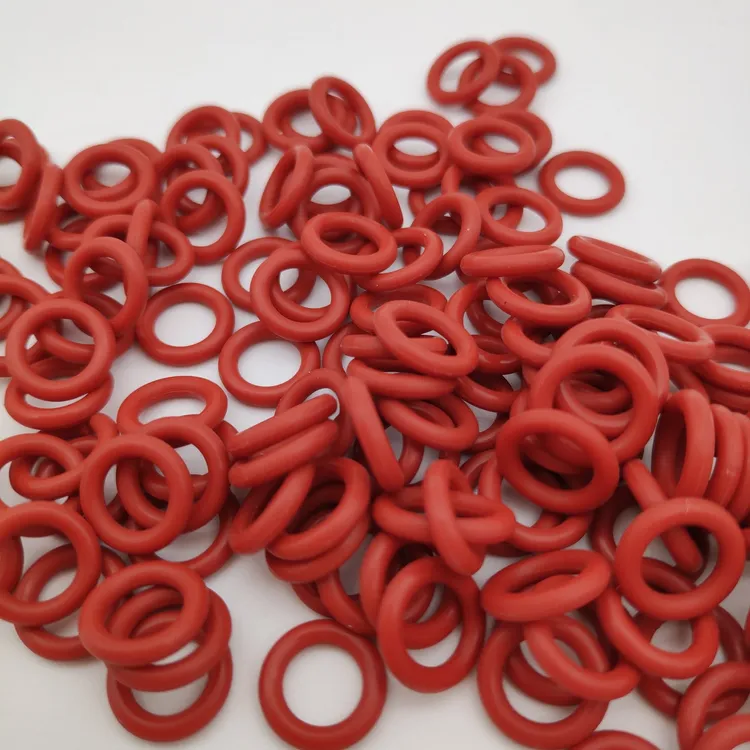
Contact Suzhou Baoshida for Precision Vacuum Hose Engineering Solutions
Suzhou Baoshida Trading Co., Ltd. operates at the forefront of industrial rubber formulation and OEM manufacturing, specializing in mission-critical components for demanding applications. Our vacuum hose solutions are engineered to withstand extreme operational parameters, including high cyclic fatigue, aggressive chemical exposure, and stringent thermal requirements. Unlike generic suppliers, we leverage proprietary polymer science to tailor compound formulations that directly address your system’s failure points—whether combating ozone degradation in high-altitude aerospace systems or ensuring zero permeation in semiconductor vacuum transfer lines. Every hose undergoes rigorous ISO 1307 and SAE J517 validation protocols, with traceable lot-specific test reports for burst pressure, elongation at break, and volumetric expansion under vacuum.
Our technical team possesses 15+ years of hands-on experience optimizing rubber matrices for vacuum integrity. We solve complex challenges such as maintaining hose collapse resistance at -0.95 bar while retaining flexibility at -40°C, or formulating halogen-free compounds compliant with IEC 60684-2 for cleanroom environments. This precision stems from our in-house R&D facility equipped with Mooney viscometers, FTIR spectrometers, and custom vacuum decay testers—ensuring formulations meet your exact pressure decay tolerances before tooling begins.
Below represents core technical parameters achievable through our engineered compounds. Note that all specifications are customizable based on OEM requirements:
| Material Type | Temperature Range (°C) | Pressure Rating (Bar) | Key Applications |
|---|---|---|---|
| Hydrogenated NBR (HNBR) | -40 to +150 | -0.98 to +10 | Automotive brake boosters, industrial vacuum pumps |
| Perfluoroelastomer (FFKM) | -20 to +327 | -0.99 to +15 | Semiconductor etching tools, chemical vapor deposition |
| Silicone Rubber (VMQ) | -60 to +230 | -0.95 to +8 | Medical suction systems, food-grade vacuum transfer |
Partnering with Suzhou Baoshida eliminates supply chain vulnerabilities inherent in off-the-shelf solutions. We manage end-to-end production—from compound mixing on Banbury internal mixers to laser-guided extrusion and vulcanization in nitrogen-inerted autoclaves—ensuring dimensional consistency within ±0.15mm. Our OEM clients benefit from dedicated APQP/PPAP support, 24-hour rapid prototyping for validation testing, and JIT logistics coordination to minimize your inventory costs.
For vacuum hose projects requiring uncompromising reliability, contact Mr. Boyce directly. As our OEM Technical Manager, he possesses full authority to align formulation expertise with your engineering constraints, cost targets, and timeline demands. Mr. Boyce will initiate a technical deep dive within 24 hours of your inquiry, including material compatibility analysis against your specific media and pressure profiles. Provide your application’s critical parameters—such as required service life cycles, regulatory certifications (e.g., FDA 21 CFR, UL 2213), or dimensional schematics—and receive a validated solution proposal within 48 business hours.
Do not risk system failure with substandard elastomers. Reach Mr. Boyce at [email protected] to commence engineering collaboration. Include your project timeline and performance non-negotiables in the initial communication to accelerate feasibility assessment. Suzhou Baoshida delivers vacuum integrity you can measure—not promises you cannot.
⚖️ O-Ring Weight Calculator
Estimate rubber O-ring weight (Approx).