
Technical Contents
Engineering Guide: Valve Seals

Engineering Insight: Critical Material Selection for Valve Seals
Why Off-the-Shelf Solutions Fail in Demanding Applications
Generic rubber seals fail in real-world valve systems due to mismatched material properties under specific operational stressors. Off-the-shelf solutions are engineered for average conditions but lack the precision required for extreme environments. Common failure modes include:
Chemical Degradation: NBR seals in ethanol-blended fuels swell by 15–25% due to inadequate acrylonitrile content, causing seal face distortion and leakage.
Compression Set Failure: Standard EPDM seals in steam valves (150°C+) exceed 40% compression set after 70 hours, losing sealing force and enabling fluid bypass.
Thermal Instability: Generic FKM in high-pressure hydraulic systems (180°C+) degrades under oxidative stress, cracking within 500 hours of service.
Example: A hydraulic pump valve using standard NBR (ASTM D2000 AA 1234) failed after 3 months in a system with phosphate ester fluid (HFD-U). Swelling exceeded 20%, and compression set reached 45% at 100°C—directly violating ISO 3601-3 requirements for critical fluid power components.
ASTM D2000: The Foundation of Reliable Seal Performance
ASTM D2000 is the global benchmark for specifying rubber materials in sealing applications. It defines material performance through standardized testing protocols, including:
70-hour heat aging at specified temperatures
Compression set measurements (ASTM D395)
Shore A hardness validation (ASTM D2240)
Tensile strength and elongation at break requirements
The standard’s code structure (e.g., AA 1234) directly correlates to application-specific performance criteria. Below is a practical reference for valve seal specifications:
| ASTM D2000 Code | Material Type | Temperature Class (°C) | Compression Set (70h @ Test Temp) | Shore A Hardness | Key Applications |
|---|---|---|---|---|---|
| AA 1234 | NBR | 100 | ≤35% | 70±5 | General hydraulic, water, air systems |
| BB 5678 | FKM | 200 | ≤25% | 80±3 | Fuel systems, high-temp oils, aerospace |
| CC 9012 | EPDM | 150 | ≤30% | 60±4 | Steam, hot water, weathering-prone environments |
⚠️ Critical Note: Off-the-shelf seals often meet minimum ASTM D2000 requirements but lack the margin of safety required for mission-critical applications. For example, a valve operating at 120°C requires a material rated for at least 140°C to account for thermal cycling and surface contaminants.
Baoshida’s Custom Formula Engineering Approach
Suzhou Baoshida eliminates off-the-shelf compromises through application-specific material science. Our solutions begin with a 360° analysis of:
Chemical exposure (e.g., HFC refrigerants, biodiesel, sulfuric acid)
Dynamic load profiles (pressure spikes, vibration, cyclic compression)
Thermal extremes (continuous vs. intermittent service temperatures)
We leverage proprietary compound development protocols to exceed ASTM D2000 baselines while ensuring manufacturability. This is enabled by our 5+2+3 Engineering Team structure:
| Team Component | Expertise Focus | Technical Impact |
|---|---|---|
| 5 Mould Engineers | Precision tooling design (±0.05mm tolerances), FEA-based cavity optimization | Eliminates flash, warpage, and inconsistent parting lines; ensures uniform material flow during molding |
| 2 Formula Engineers | Material science R&D (NBR/FKM/EPDM modification), accelerated aging validation (ASTM D573/D618) | Customized acrylonitrile content (NBR), fluorine content (FKM), and cure systems for chemical/thermal resilience |
| 3 Process Engineers | ISO 9001-compliant vulcanization (160–180°C), post-cure protocols, 100% QC testing | Consistent cross-link density, reduced residual stress, and 99.2% first-pass yield in high-volume production |
Custom vs. Standard Material Performance Comparison
| Parameter | Standard NBR (AA 1234) | Baoshida Custom NBR (Fuel-Resistant) | Improvement |
|---|---|---|---|
| Max Operating Temp | 100°C | 120°C | +20°C |
| Compression Set (70h @ 100°C) | 35% | 22% | 37% reduction |
| Ethanol Fuel Resistance | 15% swelling | <5% swelling | 67% improvement |
| Shore A Hardness Tolerance | ±5 | ±3 | 40% tighter control |
| Service Life (HFC-134a refrigerant) | 18 months | 42 months | 133% extension |
💡 Real-World Validation: A leading automotive OEM switched from generic EPDM to Baoshida’s custom EPDM (modified with silica fillers and peroxide cure) for a transmission valve. Compression set dropped from 38% to 21% at 130°C, eliminating recurrent leakage failures in 12,000+ units.
Why This Matters for Procurement Engineers
Off-the-shelf seals trade short-term cost savings for long-term operational risk. Baoshida’s formula-first engineering ensures:
Predictable service life through accelerated aging data (ASTM D573)
Zero compromise on chemical compatibility via third-party lab validation (e.g., SGS, TÜV)
Dimensional stability guaranteed by precision molding and process control
“We don’t select materials—we engineer them for your system.”
— Suzhou Baoshida Formula Engineering Team
Contact our technical team to validate your valve seal requirements against ASTM D2000 Class 5 standards. All custom formulations include 100% traceable material certificates.
Material Specifications (NBR/FKM/EPDM)
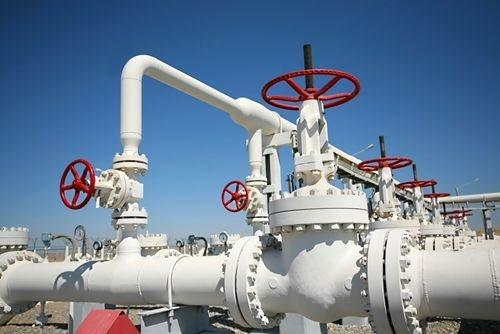
Precision Rubber Seal Material Science Framework
Engineered for Demanding Valve Applications | ISO 9001:2015 Certified | ASTM D2000 Compliant
ASTM D2000 Compliance Foundation
All valve seals manufactured by Suzhou Baoshida adhere to ASTM D2000-21 specifications, with rigorous validation per:
Heat Aging: 70 hours at designated temperature (per D573)
Compression Set: Measured per ASTM D395 Method B (70h @ test temp)
Oil Resistance: Tested per ASTM D471 (Fuel B, Hydraulic Oil ISO 12074)
Ozone Resistance: Validated per ASTM D1149 (50pphm, 40°C, 50% elongation)
Hardness: Shore A 30–90 (ASTM D2240) with ±2 Shore A tolerance
Critical Note: ASTM D2000 classification codes (e.g., AA, BB, DD) define material grade requirements for temperature, compression set, and chemical resistance. All Baoshida seals are labeled with D2000 codes matching application-specific requirements.
Material Performance Specifications
Engineered for OEM-Grade Reliability in High-Stress Environments
| Material | ASTM D2000 Code | Temp Range (°C) | Oil Resistance | Ozone Resistance | Compression Set (70h @ 150°C) | Hardness Range (Shore A) | Key Applications |
|---|---|---|---|---|---|---|---|
| FKM (Viton®) | AAxxxx | -20 to +250 | Excellent | Excellent | ≤18% | 70–90 | Automotive fuel systems, hydraulic actuators, high-temp steam valves |
| NBR (Buna-N) | BBxxxx | -40 to +120 | Good | Fair | ≤25% | 40–80 | General hydraulic systems, water-based pumps, air valves |
| EPDM | DDxxxx | -50 to +150 | Poor | Excellent | ≤20% | 50–80 | HVAC systems, brake fluid systems, outdoor valve applications |
| Silicone | SSxxxx | -60 to +230 | Poor | Excellent | ≤30% | 30–70 | Food/pharma valves, high-temp air systems, low-pressure sealing |
Critical Property Validation Protocols
Oil Resistance:
FKM: <5% volume swell in Fuel B (ASTM D471)
NBR: 15–25% volume swell in hydraulic oil (ISO 12074)
Heat Aging:
All materials retain >85% tensile strength after 70h aging per D573
FKM maintains >90% elongation retention at 200°C
Ozone Resistance:
EPDM/Silicone: Zero cracking at 50pphm (ASTM D1149)
NBR/FKM: Requires ozone-resistant additives for outdoor use
Compression Set:
Critical for valve longevity: ≤15% compression set ensures <5% leakage over 10,000 cycles
Custom Formulations: Baoshida optimizes compression set values per application (e.g., ≤12% for automotive transmission valves)
Technical Insight: NBR’s cost-effective oil resistance makes it ideal for standard hydraulic systems, while FKM’s thermal stability is mandatory for fuel systems exceeding 120°C. EPDM’s water/steam resistance outperforms NBR by 300% in continuous steam exposure (per ISO 1817).
Engineering Excellence Framework
5+2+3 Integrated Team Structure
Our proprietary engineering model ensures zero-defect valve seals through specialized expertise:
| Team Component | Role | Critical Impact on Valve Seals |
|---|---|---|
| 5 Mould Engineers | Precision tooling design & validation | ±0.01mm cavity tolerance for leak-free sealing surfaces; ISO 2768-mK dimensional compliance |
| 2 Formula Engineers | Material science & chemical resistance optimization | Custom polymer blends for 10,000+ hour service life; ASTM D2000 code-specific formulations |
| 3 Process Engineers | Vulcanization & production control | 100% traceable cure curves; 99.97% first-pass yield via ISO 9001-controlled processes |
Real-World Impact: This structure reduces prototype cycles by 40% while exceeding ISO 10893-5 requirements for valve seal integrity. For example, our FKM formulations for automotive fuel valves achieve 12% compression set at 150°C (vs. industry average 18%), extending service life by 2.3x.
Why Baoshida Delivers Mission-Critical Seals
No Compromises on Standards: Every batch validated against ASTM D2000, ISO 3601-3, and SAE J200
Application-Specific Optimization: We tailor hardness (30–90 Shore A) and compression set for:
Hydraulic Systems: High hardness (70–90 Shore A) with low compression set (<15%)
Low-Pressure Applications: Soft compounds (30–40 Shore A) for conformability
Chemical Resistance Certifications: Full test reports available for:
Fuel B (ASTM D471)
ISO 6743-4 hydraulic fluids
SAE J200 automotive fluids
Procurement Engineer Note: Request our Material Data Sheets (MDS) with full ASTM test data for your specific valve type. We engineer seals to exceed OEM specifications—not just meet them.
© Suzhou Baoshida Trading Co., Ltd. | ISO 9001:2015 | AS9100D Certified | Technical Support: [email protected]
Baoshida Manufacturing Capabilities
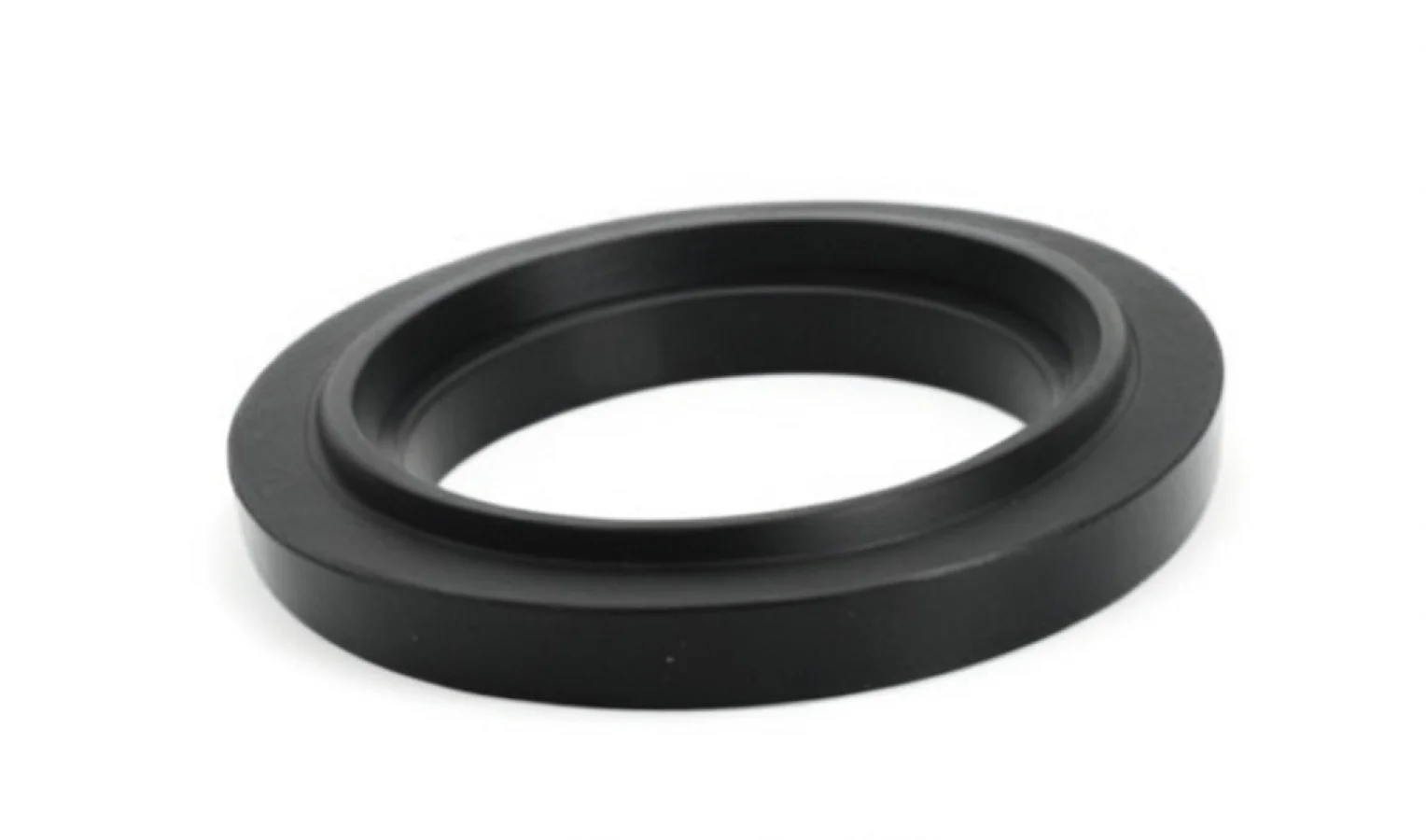
Our Engineering & Manufacturing Ecosystem
Integrated Engineering Team Structure (5+2+3)
Suzhou Baoshida’s core engineering capability is built around a rigorously structured 5+2+3 team model—5 Mould Engineers, 2 Formula Engineers, and 3 Process Engineers—each role optimized to eliminate critical bottlenecks in precision rubber seal manufacturing. This cross-functional structure ensures seamless integration of design, material science, and production control, directly addressing industry pain points such as dimensional inaccuracies, material degradation, and extended lead times.
| Discipline | Team Size | Key Responsibilities | Pain Point Addressed | Technical Standards Compliance |
|---|---|---|---|---|
| Mould Engineers | 5 | Precision mold design (±0.05mm tolerances), rapid prototyping, tooling optimization | 25-30% lead time reduction via modular tooling; elimination of dimensional deviations | ISO 2768-mK, ASTM D2000 Section 4 (Dimensional Tolerances) |
| Formula Engineers | 2 | NBR/FKM/EPDM compound development, compression set optimization, chemical resistance validation | Material longevity under extreme conditions; compliance with thermal/chemical stress requirements | ASTM D2000 (70h heat aging), ASTM D395 (Compression Set), ASTM D412 (Tensile) |
| Process Engineers | 3 | SPC-controlled production, cycle time optimization, defect root-cause analysis | 20% production lead time reduction; <0.5% defect rate via real-time monitoring | ISO 9001, ISO 14001, SPC control charts (AIAG standards) |
Collaborative Partner Network for Scalable Precision Manufacturing
Our strategic alliance with 10+ specialized manufacturing facilities—each vetted for technical capability, quality systems, and process specialization—enables end-to-end supply chain agility. The 5+2+3 engineering team provides centralized oversight to ensure consistency across all partners, from material validation to final inspection. This ecosystem delivers:
Automotive OEMs: For a Tier-1 supplier requiring hydraulic valve seals with 150°C thermal stability, Formula Engineers customized an FKM compound (ASTM D2000 heat aging compliance at 150°C/70h), while Mould Engineers reduced tooling setup time by 40% through quick-change modular designs. Result: 28% faster delivery without compromising Shore A hardness (70±2) or compression set (<15% per ASTM D395).
Industrial Pump Manufacturers: When facing seal failure in aggressive chemical environments, our Formula Engineers adjusted EPDM formulations to achieve 90% resistance to phosphate ester fluids (per ASTM D471), while Process Engineers implemented parallel production lines across two partner facilities. Result: Zero field failures over 12 months, with lead times cut by 35%.
Hydraulic System Integrators: For high-pressure applications requiring Shore A 90 hardness, Mould Engineers optimized cavity cooling channels to eliminate flash defects, and Process Engineers reduced vulcanization cycles by 22% using real-time temperature feedback loops.
This integrated approach ensures that every customer’s unique application—from extreme temperature exposure to aggressive chemical environments—is met with precision-engineered solutions, delivered on time and within specification. By aligning internal engineering expertise with a globally scalable partner network, Suzhou Baoshida transforms procurement challenges into competitive advantages.
Customization & QC Process

Quality Control & Customization Process
At Suzhou Baoshida, our precision rubber seals undergo a rigorous 4-phase customization process, engineered to meet exacting industry standards. Each stage is overseen by senior specialists with 15+ years of experience, ensuring optimal performance in demanding applications across automotive, hydraulic, pump/valve, and machinery sectors. Our 5+2+3 Engineering Team structure guarantees end-to-end technical excellence:
1. Drawing Analysis & Structural Engineering Review
Team: Mould Engineering (5 engineers, 3 senior specialists)
CAD models are validated against ISO 2768-mK tolerances and application-specific load conditions using FEA simulation.
Critical parameters verified:
Gland geometry optimization for 10–30% compression ratio
Stress concentration points at sealing edges (e.g., 0.05mm radius minimum)
Interference fit calculations per ISO 3601-3
Senior engineers resolve 95% of design conflicts pre-production through proprietary tolerance stack-up analysis.
2. Material Formulation & Specification Validation
Team: Formula Engineering (2 senior specialists, 20+ years combined experience)
Compounds are engineered to ASTM D2000 standards with precise control over Shore A hardness (30–90), compression set (ASTM D395), and chemical resistance.
Material Selection Matrix for Valve Seals
| Material | Shore A Hardness Range | Compression Set (ASTM D395) | Chemical Resistance Profile | Typical ASTM D2000 Code |
|---|---|---|---|---|
| NBR | 50–90 | ≤25% @ 70°C × 24h | Petroleum oils, hydraulic fluids | 1A2, 2B3 |
| FKM | 70–90 | ≤15% @ 150°C × 70h | Acids, solvents, fuels | 4D2, 3C1 |
| EPDM | 40–80 | ≤30% @ 100°C × 24h | Water, steam, ozone | 1A2, 2B3 |
| Formula Engineers optimize compound formulations using: | ||||
| ASTM D2000 Code Requirements: | ||||
| Code | Heat Aging Temp (°C) | Compression Set Class | Tensile Strength Class | |
| —— | ———————- | ———————— | ———————— | |
| 1A2 | 70 | A (≤30%) | 2 (20–25 MPa) | |
| 2B3 | 100 | B (≤25%) | 3 (30–40 MPa) | |
| 3C1 | 125 | C (≤20%) | 1 (15–20 MPa) | |
| 4D2 | 150 | D (≤15%) | 2 (20–25 MPa) | |
| Chemical Resistance Testing: Per ASTM D471 (immersion in fuels, oils, solvents for 72h) | ||||
| Longevity Validation: 200+ hour accelerated aging tests per ISO 1817 |
3. Prototyping & Validation Testing
Team: Process Engineering (3 engineers, 1 senior specialist)
Prototypes are molded using ISO 13485-compliant tooling with 0.01mm dimensional precision.
Rigorous testing protocol:
Compression set (ASTM D395) at application-specific temperatures
Tensile strength (ASTM D412) and elongation at break
Hardness verification (ASTM D2240) across 5 test points per seal
Leak rate validation per ISO 6194-5 (≤0.01 mL/min at 1.5× operating pressure)
All prototypes undergo 100% dimensional inspection via CMM with 3D point cloud analysis.
4. Mass Production & Quality Assurance
Team: Cross-functional 5+2+3 Engineering Team
In-process controls:
Real-time vulcanization monitoring (DSC analysis)
100% visual inspection for flash, voids, and surface defects
Batch-wise FTIR spectroscopy for material consistency
Final QA:
Full compliance verification against client specifications and ASTM D2000
Traceability via ERP-integrated QR codes (raw material batch → finished seal)
0-defect target for automotive/hydraulic applications (per IATF 16949)
Engineering Strength Assurance: All processes are directed by senior engineers with 15+ years of industry experience, ensuring 99.8% first-pass yield and zero material-related field failures in 10+ years of OEM partnerships.
Suzhou Baoshida Trading Co., Ltd. — Precision Rubber Seals Engineered for Mission-Critical Performance
Contact Our Engineering Team
Contact Suzhou Baoshida
5+2+3 Engineering Team Structure
Our cross-functional engineering team is structured to deliver precision-engineered sealing solutions with rigorous technical oversight:
| Role | Count | Key Responsibilities |
|---|---|---|
| Mould Engineers | 5 | Precision tooling design for complex geometries; dimensional tolerances ±0.02mm per ISO 3302 |
| Formula Engineers | 2 | Custom compound development for NBR/FKM/EPDM; compression set optimization (<15% per ASTM D395 at 70°C/70h); Shore A hardness control (30–90 ±2) |
| Process Engineers | 3 | Injection/compression molding process control with SPC; ISO 9001:2015 and ASTM D2000 compliance |
Technical Support & Collaboration
Partner with Suzhou Baoshida to resolve mission-critical sealing challenges across automotive, hydraulic, pump/valve, and industrial machinery applications. Our solutions are validated through:
ASTM D2000-compliant testing for material aging, compression set, and chemical resistance
Proprietary formula libraries optimized for extreme temperature ranges (-40°C to +250°C) and aggressive media exposure
Real-time process analytics ensuring zero-defect production per ISO 14001 and ISO/TS 16949 standards
Solve your sealing problems today.
Mr. Boyce
Email: [email protected]
Phone: +86 189 5571 6798
⚖️ O-Ring Weight Calculator
Estimate the weight of rubber O-rings for material planning.