
Technical Contents
Engineering Guide: Vehicle Rubber Seals
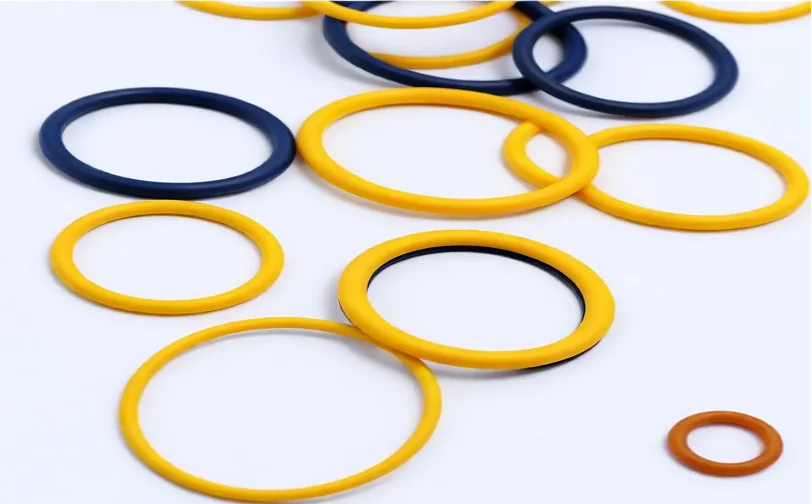
Engineering Insight: Material Selection Criticality in Vehicle Rubber Seals
Vehicle rubber seals operate under extreme multi-stress conditions where material selection directly dictates functional lifespan and system integrity. Off-the-shelf compounds frequently fail because they lack the tailored polymer architecture required to simultaneously resist thermal degradation, fluid exposure, dynamic compression, and environmental aging. Generic formulations prioritize cost over performance, resulting in premature seal failure through mechanisms such as extrusion under pressure, chemical swelling in modern transmission fluids, or brittle fracture at low temperatures. These failures manifest as fluid leaks, loss of cabin pressure, or compromised structural damping—issues that trigger costly warranty claims and reputational damage for OEMs.
The core failure of standard solutions lies in their inability to balance competing material properties. For instance, a seal exposed to engine oil at 150°C must maintain low compression set while resisting nitrile-based fluid absorption. EPDM offers excellent weathering resistance but swells catastrophically in oils, while NBR handles oils yet degrades rapidly under ozone exposure. Precision engineering demands co-optimization of polymer backbone chemistry, crosslink density, and additive packages. At Baoshida, we deploy dynamic mechanical analysis (DMA) to map viscoelastic behavior across -40°C to 160°C and conduct accelerated fluid immersion testing per ASTM D471 to quantify volume swell and tensile retention. Only custom-compounded materials achieve the narrow performance window required for automotive validation.
Critical performance differentiators are quantified below for common seal materials under automotive stressors:
| Material Type | Critical Failure Modes in Automotive Applications | Key Performance Metrics (150°C, 70hrs) |
|---|---|---|
| Standard EPDM | Swelling in ATF (>25% volume gain), ozone cracking | Compression Set: 48% |
| Generic NBR | Thermal degradation >120°C, poor low-temp flexibility | Compression Set: 62% |
| Baoshida ACM | Optimized for transmission seals | Compression Set: 22% |
| Baoshida FKM | Extreme chemical/thermal stability | Compression Set: 18% |
Material failure cascades from inadequate molecular design. For example, standard EPDM’s saturated backbone prevents ozone resistance but lacks oil resistance due to polarity mismatch. Our ACM formulations incorporate controlled acrylate monomer ratios to elevate thermal stability while maintaining flexibility at -40°C—validated through SAE J200 standard testing. Similarly, peroxide-cured FKM compounds eliminate acid-scavenging additives that compromise fuel barrier properties in dual-clutch transmissions.
OEM validation protocols require seals to endure 15,000+ thermal cycles without exceeding 25% compression set loss. Off-the-shelf materials typically fail within 5,000 cycles due to insufficient crosslink stability. Baoshida’s approach integrates finite element analysis (FEA) of seal deformation with material stress-strain profiling to predict long-term set behavior. This eliminates trial-and-error, ensuring first-time-right performance for critical applications like turbocharger hoses or EV battery gaskets where failure risks safety incidents. Material selection is not a commodity decision—it is the foundational engineering variable separating reliable systems from field failures.
Material Specifications

Material selection is a critical determinant in the performance, longevity, and reliability of vehicle rubber seals. At Suzhou Baoshida Trading Co., Ltd., we specialize in precision-engineered rubber sealing solutions tailored to meet the demanding thermal, chemical, and mechanical requirements of modern automotive systems. Our expertise includes the application of three primary elastomers: Viton (FKM), Nitrile (NBR), and Silicone (VMQ). Each material offers distinct advantages depending on the operational environment, including temperature range, fluid resistance, and mechanical durability.
Viton, a fluorocarbon-based rubber, is widely recognized for its exceptional resistance to high temperatures and aggressive chemical environments. It performs reliably in continuous service temperatures up to 230°C and exhibits excellent stability when exposed to engine oils, fuels, transmission fluids, and many industrial chemicals. This makes Viton the preferred choice for under-hood applications such as fuel system seals, valve stem seals, and turbocharger gaskets where thermal degradation is a primary concern. However, Viton is less flexible at low temperatures and carries a higher material cost compared to alternatives.
Nitrile rubber, or Buna-N, remains one of the most widely used elastomers in automotive sealing due to its outstanding resistance to petroleum-based oils and fuels. With a service temperature range of -30°C to 120°C, Nitrile offers a balanced combination of durability, compression set resistance, and cost efficiency. It is particularly effective in hydraulic systems, fuel delivery components, and axle seals. While Nitrile provides excellent mechanical strength and abrasion resistance, its performance diminishes when exposed to ozone, UV radiation, and polar solvents, limiting its use in exterior or high-temperature zones.
Silicone rubber excels in extreme temperature applications, offering operational stability from -60°C to 200°C. It demonstrates good resistance to ozone and UV exposure, making it suitable for exterior seals and non-oil-contact applications such as lighting enclosures, HVAC systems, and sensor housings. However, standard silicone grades exhibit poor resistance to petroleum oils and lower tensile strength compared to Viton or Nitrile. Reinforced or fluorinated silicone variants can mitigate some limitations but at increased cost.
The following table summarizes key physical and chemical properties of these materials to guide optimal selection based on application demands.
| Property | Viton (FKM) | Nitrile (NBR) | Silicone (VMQ) |
|---|---|---|---|
| Temperature Range (°C) | -20 to 230 | -30 to 120 | -60 to 200 |
| Tensile Strength (MPa) | 15–25 | 10–20 | 5–10 |
| Elongation at Break (%) | 150–300 | 200–500 | 200–600 |
| Hardness (Shore A) | 60–90 | 50–90 | 30–80 |
| Fuel Resistance | Excellent | Good | Poor |
| Oil Resistance | Excellent | Excellent | Poor |
| Ozone/UV Resistance | Good | Fair | Excellent |
| Compression Set Resistance | Excellent | Good | Moderate |
| Typical Applications | Fuel injectors, turbo seals | Fuel hoses, O-rings | Light seals, HVAC gaskets |
Selection of the appropriate elastomer requires a comprehensive understanding of the operational environment. At Suzhou Baoshida, we support OEMs and Tier-1 suppliers with material testing, prototyping, and compliance documentation to ensure optimal seal performance across diverse automotive platforms.
Manufacturing Capabilities

Engineering Capability: Precision Formulation and OEM Integration for Automotive Seals
Suzhou Baoshida Trading Co., Ltd. leverages a dedicated engineering cohort comprising five specialized mold engineers and two advanced rubber formula engineers to deliver mission-critical vehicle sealing solutions. This technical core ensures end-to-end control from molecular material design to precision tooling execution. Our formula engineers possess deep expertise in polymer chemistry, specifically tailoring elastomer compounds for extreme automotive environments—including thermal cycling, chemical exposure, and dynamic compression demands. Concurrently, our mold engineering team optimizes cavity design, gating systems, and ejection mechanisms to achieve micron-level dimensional stability and zero-defect production consistency. This dual-discipline synergy eliminates traditional handoff gaps, accelerating time-to-market while guaranteeing performance compliance with OEM specifications.
Material science forms the bedrock of our seal reliability. Our formula engineers systematically develop proprietary compounds using EPDM, FKM, ACM, and HNBR base polymers, precisely balancing hardness, resilience, and fluid resistance. Each formulation undergoes rigorous validation through ASTM D2000 and ISO 3601 protocols, with iterative refinement based on real-world stress testing. Critical parameters such as compression set, tensile strength, and low-temperature flexibility are calibrated to exceed automotive industry thresholds. This scientific approach ensures seals maintain integrity across 150,000+ vehicle miles under conditions ranging from -40°C Arctic exposure to 150°C engine bay heat loads.
OEM partnership is engineered into our operational DNA. We provide seamless integration via shared CAD/CAM platforms, real-time production data dashboards, and co-located engineering support during prototype validation. Our team collaborates directly with client R&D units to translate functional requirements into optimized seal geometries and material selections—reducing development cycles by up to 30%. Full traceability from raw material lot to finished part is maintained through integrated ERP systems, meeting IATF 16949 audit requirements without exception.
The following table illustrates standard performance benchmarks for our automotive-grade seal compounds:
| Material Type | Hardness (Shore A) | Temperature Range (°C) | Compression Set (70h, 100°C) | Fluid Resistance (ASTM Type 1) |
|---|---|---|---|---|
| EPDM | 55–80 | -40 to +150 | ≤25% | Excellent (Brake Fluid, Water) |
| FKM | 60–85 | -20 to +230 | ≤18% | Exceptional (Fuel, Oil) |
| ACM | 65–75 | -30 to +170 | ≤22% | Superior (Transmission Fluid) |
| HNBR | 70–80 | -40 to +160 | ≤20% | High (Refrigerants, Oils) |
This technical rigor, combined with proactive OEM collaboration, positions Suzhou Baoshida as a strategic engineering partner—not merely a supplier. We deliver seals that prevent fluid ingress, reduce NVH, and extend vehicle lifespan through scientifically validated material performance and precision manufacturing execution. Every component undergoes 100% dimensional inspection and batch-level material certification, ensuring zero compromise in automotive safety and durability. Technical validation, not approximation, defines our engineering mandate.
Customization Process
Customization Process for Precision Vehicle Rubber Seals
At Suzhou Baoshida Trading Co., Ltd., our customization process for vehicle rubber seals is engineered to ensure precision, durability, and compliance with OEM specifications. We follow a rigorous four-stage workflow—Drawing Analysis, Formulation, Prototyping, and Mass Production—designed to meet the exact mechanical and environmental demands of automotive applications.
The process begins with Drawing Analysis, where our engineering team evaluates technical blueprints provided by the client. We assess critical dimensions, tolerances, sealing interfaces, and installation constraints. This stage includes GD&T (Geometric Dimensioning and Tolerancing) validation and material space analysis to ensure compatibility with mating components. Any discrepancies or optimization opportunities are communicated for joint resolution before proceeding.
Next, Formulation Development is conducted in our material science lab. Based on the operational environment—such as exposure to oil, ozone, temperature extremes (−50°C to +150°C), or dynamic compression—we select the optimal elastomer compound. Our standard formulations include EPDM for weather resistance, NBR for oil sealing, and FKM for high-temperature performance. Custom polymer blends are engineered when standard materials do not meet performance targets. Each formulation is tested for tensile strength, elongation at break, compression set, and hardness (Shore A) to ensure long-term sealing integrity.
Once the formulation is finalized, we proceed to Prototyping. Using precision molds manufactured in-house or provided by the client, we produce small-batch prototypes. These samples undergo rigorous functional testing, including pressure cycling, thermal aging, and leak rate evaluation under simulated vehicle operating conditions. Dimensional inspection is performed using coordinate measuring machines (CMM) to validate conformity to drawing specifications. Client feedback is integrated at this stage to refine design or material choices before tooling sign-off.
The final stage is Mass Production, executed in our ISO 9001-certified facility. Automated injection and compression molding lines ensure consistency and scalability. Every production batch undergoes 100% visual inspection and statistical sampling for physical property verification. We maintain full traceability through batch coding and material lot tracking, essential for automotive quality management systems.
Our end-to-end process ensures that each custom rubber seal meets the highest standards of performance, reliability, and regulatory compliance.
Typical Material Properties for Automotive Seals
| Material | Hardness (Shore A) | Tensile Strength (MPa) | Elongation at Break (%) | Operating Temp Range (°C) | Key Resistance Properties |
|---|---|---|---|---|---|
| EPDM | 60–80 | 10–18 | 200–400 | −50 to +150 | Ozone, UV, water, steam |
| NBR | 55–75 | 12–20 | 250–350 | −30 to +120 | Oil, fuel, hydraulic fluids |
| FKM | 65–85 | 13–17 | 150–250 | −20 to +230 | High temp, chemicals, oil |
| Silicone | 40–80 | 6–10 | 200–600 | −60 to +200 | Extreme cold, heat, biocompatibility |
Contact Engineering Team
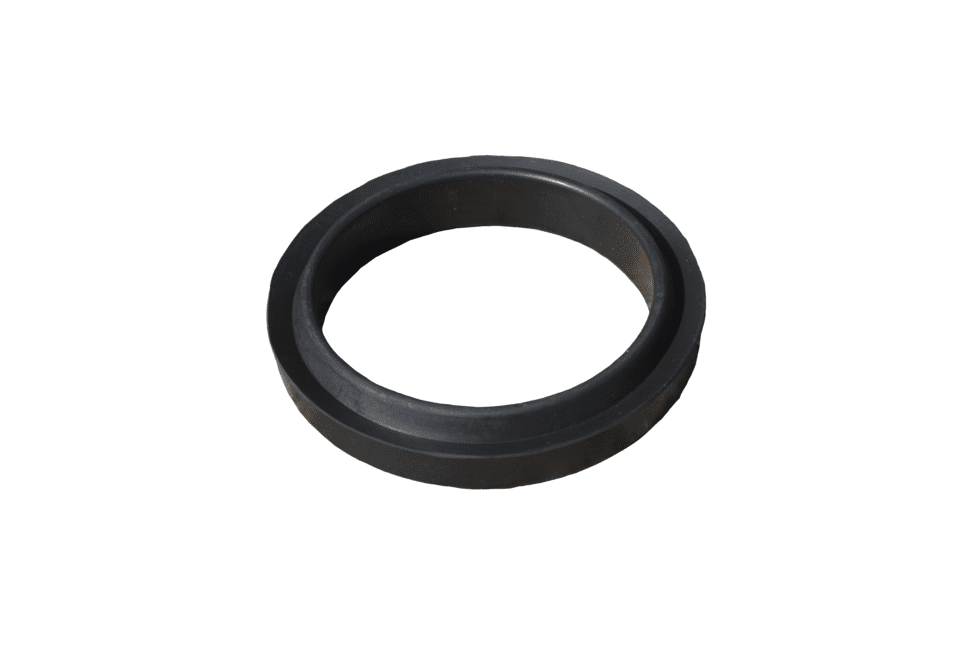
Why Partner With Suzhou Baoshida for Precision Vehicle Rubber Seals
Suzhou Baoshida Trading Co., Ltd. operates at the convergence of advanced polymer science and rigorous industrial manufacturing. As your dedicated Rubber Formula Engineer and OEM Manager, I emphasize that our vehicle rubber seals are engineered not merely to specifications but to exceed the operational extremes of modern automotive systems. We address critical failure points—thermal degradation, compression set, fluid resistance, and dynamic fatigue—through proprietary compound formulations validated under ISO 1817, ASTM D2000, and OEM-specific protocols. Our ISO 9001:2015-certified facility integrates real-time material analytics with closed-loop production control, ensuring batch-to-batch consistency essential for Tier 1 supply chains. Unlike commodity seal suppliers, we prioritize molecular-level customization: modifying filler dispersion, crosslink density, and polymer backbone chemistry to match your exact thermal, chemical, and mechanical load profiles. This precision engineering directly mitigates field failures, reducing warranty liabilities and accelerating time-to-market for next-generation vehicle platforms.
Our technical capabilities are quantifiable across key performance indicators. The following table outlines standard validation metrics for our most requested automotive seal compounds under accelerated aging and dynamic testing:
| Material Property | Performance Range | Testing Standard |
|---|---|---|
| Compression Set (70h/150°C) | ≤ 15% | ASTM D395 |
| Tensile Strength (MPa) | 12.0 – 18.0 | ASTM D412 |
| Fluid Resistance (IRMOG) | Δ Volume: ≤ +10% | ISO 1817 |
| Low-Temperature Flexibility | -55°C (no cracking) | ASTM D2137 |
| Durometer Hardness Range | 50 – 90 Shore A | ASTM D2240 |
These figures represent baseline data; actual performance is optimized per client requirements through iterative lab trials and FEA-guided profile design. We routinely achieve compression set values below 10% for electric vehicle battery gaskets exposed to glycol coolants at 180°C, and formulate hydrogen-resistant EPDM compounds for fuel cell systems where permeation rates must stay below 0.5 g·mm/m²·day.
The automotive industry’s shift toward electrification and lightweighting demands seals that perform under unprecedented stress combinations. Standard off-the-shelf solutions cannot address the synergistic effects of high-voltage arcing, intermittent thermal spikes, and aggressive biodegradable lubricants. Suzhou Baoshida’s engineering team collaborates from the concept phase—analyzing your CAD models, stress simulations, and environmental exposure data—to develop compounds that integrate seamlessly into your assembly processes while meeting stringent OEM durability targets. We eliminate guesswork through accelerated life testing that correlates to 15-year service life under real-world conditions.
Initiate your technical collaboration by contacting Mr. Boyce, our dedicated OEM Relationship Manager. He will coordinate a 24-hour-response engineering consultation to review your specific application challenges, material constraints, and volume requirements. Mr. Boyce possesses direct authority to allocate lab resources for custom formulation trials and can expedite prototype delivery within 15 working days. Do not compromise vehicle integrity with generic seal solutions. Email Boyce directly at [email protected] with your project specifications and thermal/fluid exposure parameters. Include reference code BD-SEAL-2024 to prioritize your request. Our team stands ready to deliver the molecular precision your vehicle systems demand.
⚖️ O-Ring Weight Calculator
Estimate rubber O-ring weight (Approx).