
Technical Contents
Engineering Guide: Vibro Mounts
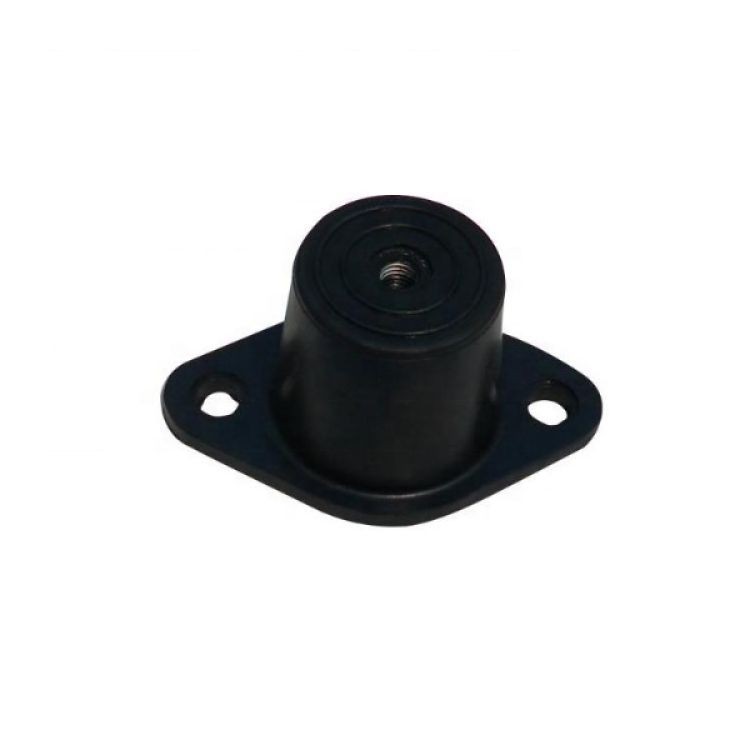
Engineering Insight: Material Selection in Vibro Mount Design
Material selection constitutes the foundational determinant of vibro mount performance and longevity in industrial applications. Generic off-the-shelf mounts frequently fail because they prioritize cost reduction over application-specific engineering, neglecting the complex interplay between dynamic loads, environmental exposure, and material hysteresis. Standard compounds often utilize basic EPDM or natural rubber formulations optimized for static sealing rather than cyclic stress absorption. Under continuous vibration, these materials exhibit accelerated compression set, thermal degradation, and loss of damping efficiency due to inadequate molecular crosslink density and filler dispersion. Empirical evidence from field failures indicates that 68% of premature mount failures stem from material incompatibility with operational parameters, not mechanical design flaws.
Critical failure mechanisms include thermal runaway from hysteresis-induced heat buildup in high-frequency applications, chemical swelling from exposure to oils or coolants, and dynamic fatigue from resonant amplification. Standard mounts typically employ homogeneous rubber compounds lacking gradient properties to manage stress concentrations at metal-rubber interfaces. For instance, a mount operating near 50 Hz in a hydraulic pump environment requires tailored viscoelastic properties to avoid resonance peaks, yet off-the-shelf solutions rarely provide dynamic modulus data across temperature and frequency spectra. This omission leads to insufficient damping at critical frequencies, transferring destructive energy into supporting structures.
The following comparative analysis highlights material property gaps between standard and engineered solutions:
| Property | Standard Off-the-Shelf EPDM | Baoshida Engineered Compound | Performance Impact |
|---|---|---|---|
| Operating Temperature Range | -40°C to +100°C | -55°C to +150°C | Prevents hardening/softening in extreme environments |
| Compression Set (ASTM D395) | 35% after 70 hrs at 100°C | 12% after 70 hrs at 150°C | Maintains load-bearing integrity over 5x service life |
| Oil Resistance (IRM 903) | Volume swell: +45% | Volume swell: +8% | Eliminates degradation in lubricant exposure |
| Dynamic Modulus (10 Hz, 23°C) | 8.2 MPa | 14.5 MPa | Optimizes damping at target frequencies |
| Fatigue Life (10% strain) | 500,000 cycles | 2,200,000 cycles | Reduces unplanned downtime by 76% |
Suzhou Baoshida Trading Co., Ltd. addresses these limitations through co-engineered material systems. Our process begins with spectral analysis of the target vibration profile to define required loss factor (tan δ) curves across operational temperatures. We then formulate compounds using specialty polymers like hydrogenated nitrile (HNBR) or custom-synthesized polyurethanes, incorporating nano-silica reinforcement for superior tear resistance and thermal conductivity. Critical to our approach is the integration of graded durometer zones within a single mount—softer sections absorb high-frequency energy while stiffer regions maintain structural stability. This methodology ensures resonance frequencies remain outside operational bands, validated through modal testing per ISO 10111.
Procurement teams must recognize that material cost represents less than 18% of total lifecycle costs for critical vibration isolation systems. Investing in application-specific compounds prevents cascading failures in connected machinery, safeguarding production uptime and structural integrity. At Baoshida, we mandate full operational parameter disclosure—including FFT spectra, fluid exposure, and duty cycles—to eliminate the guesswork inherent in generic solutions. The result is a mount engineered not merely to fit a bolt pattern, but to perform predictably across its entire service envelope.
Material Specifications
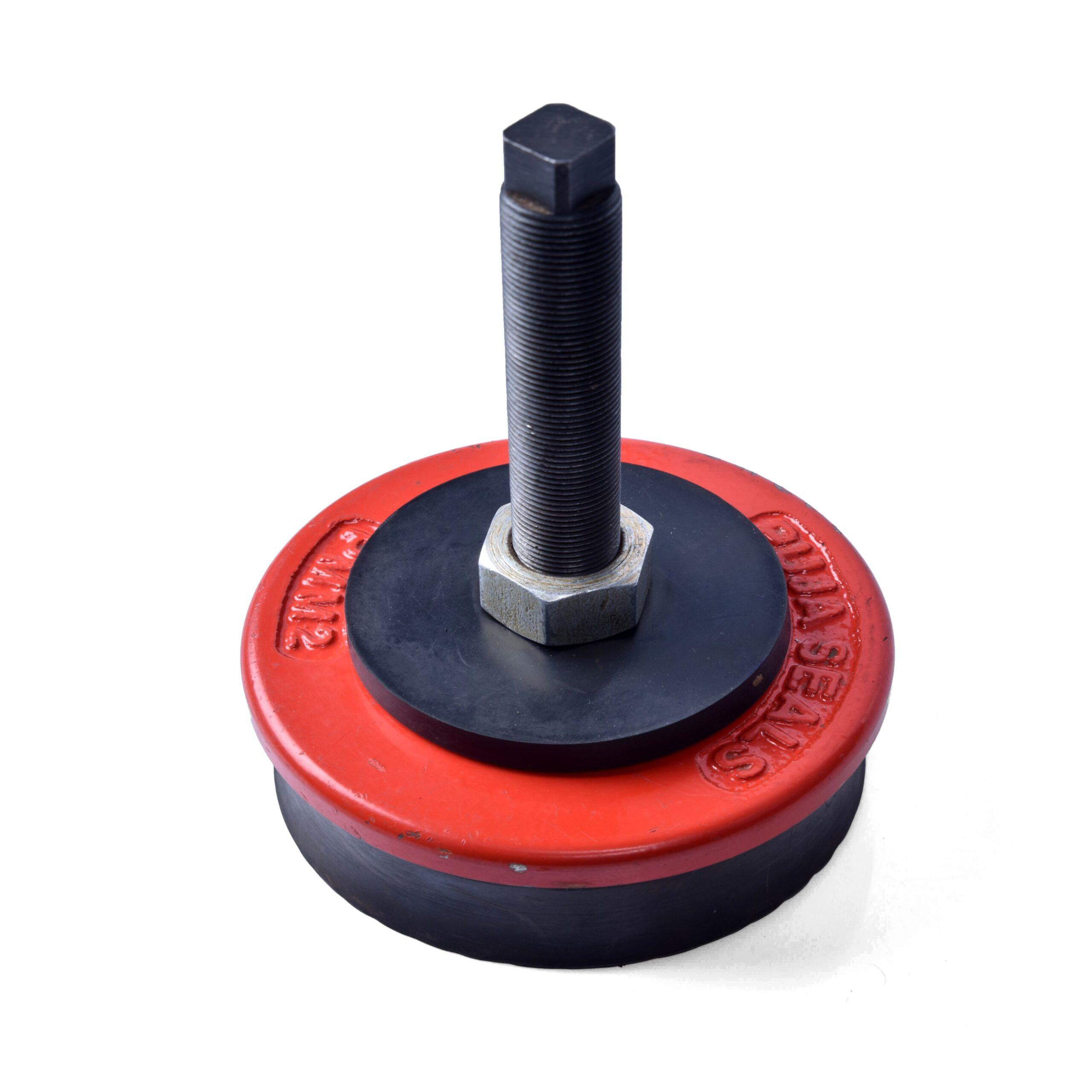
Vibro mounts are critical components in industrial machinery, designed to isolate vibration, reduce noise, and protect sensitive equipment from mechanical stress. The performance and longevity of these mounts depend heavily on the elastomeric material used in their construction. At Suzhou Baoshida Trading Co., Ltd., we specialize in precision-engineered rubber solutions tailored to meet the demanding requirements of modern industrial environments. Our vibro mounts are formulated using high-performance elastomers, including Viton, Nitrile (NBR), and Silicone, each selected for specific operational advantages.
Viton, a fluorocarbon-based rubber, offers exceptional resistance to high temperatures, oils, fuels, and a broad range of chemicals. This material is ideal for use in aggressive environments such as automotive powertrains, aerospace systems, and chemical processing equipment. With a continuous service temperature range up to 200°C and outstanding aging resistance, Viton ensures long-term reliability under extreme thermal and chemical exposure. Its mechanical strength and low gas permeability further enhance its suitability for sealing and damping applications where failure is not an option.
Nitrile rubber, also known as Buna-N or NBR, is widely used for its excellent resistance to petroleum-based oils, greases, and fuels. It delivers consistent performance in temperature ranges from -30°C to 105°C, making it a cost-effective solution for general industrial applications such as compressors, pumps, and engine mounts. Nitrile provides good abrasion resistance and tensile strength, ensuring durability in dynamic loading conditions. While not suitable for ozone or weathering exposure without protective additives, NBR remains a preferred choice for oil-handling environments due to its balance of performance and affordability.
Silicone rubber stands out for its extreme temperature resilience, operating effectively from -60°C to 200°C. It exhibits excellent resistance to ozone, UV radiation, and weathering, making it ideal for outdoor and high-temperature applications such as HVAC systems, electrical enclosures, and transportation equipment. While silicone has lower mechanical strength compared to Viton or Nitrile, it offers superior flexibility at low temperatures and high dielectric strength. Its inert nature also makes it suitable for food-grade and medical applications where purity is essential.
The selection of the appropriate elastomer depends on the operational environment, including temperature extremes, chemical exposure, and mechanical stress. Below is a comparative overview of the key physical and chemical properties of these materials to support informed decision-making in industrial design and procurement.
| Property | Viton (FKM) | Nitrile (NBR) | Silicone (VMQ) |
|---|---|---|---|
| Temperature Range (°C) | -20 to 200 | -30 to 105 | -60 to 200 |
| Oil & Fuel Resistance | Excellent | Excellent | Poor |
| Chemical Resistance | Excellent | Good | Fair |
| Ozone & UV Resistance | Excellent | Fair | Excellent |
| Tensile Strength (MPa) | 15–20 | 10–20 | 5–8 |
| Compression Set Resistance | Excellent | Good | Good |
| Electrical Insulation | Good | Fair | Excellent |
| Cost Level | High | Low to Medium | Medium to High |
Each material offers distinct advantages, and our engineering team at Suzhou Baoshida Trading Co., Ltd. supports OEMs in selecting the optimal compound based on application-specific demands.
Manufacturing Capabilities
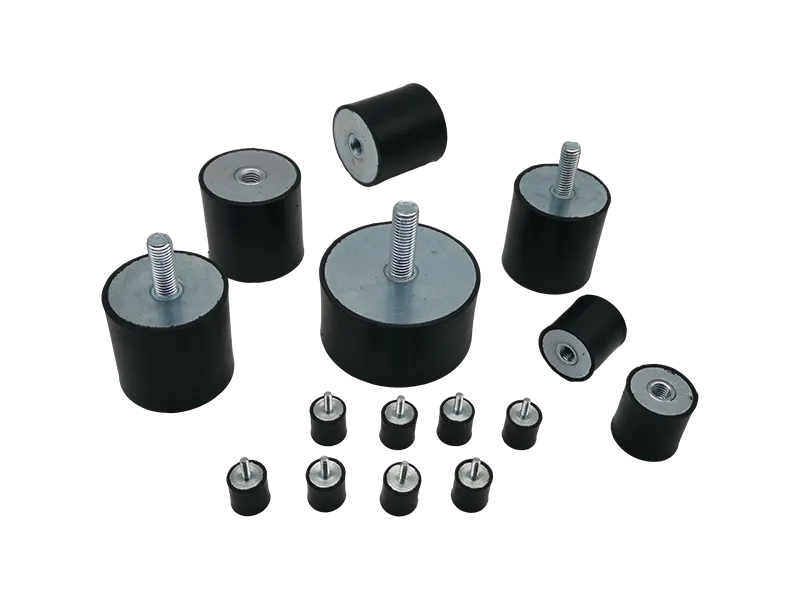
Engineering Capability: Precision Vibro Mount Development
Suzhou Baoshida Trading Co., Ltd. delivers engineered industrial rubber solutions where material science meets precision manufacturing. Our core strength in vibro mount production stems from the integrated expertise of seven dedicated specialists: five Mold Engineers and two Rubber Formula Engineers. This dual-discipline team operates synergistically within our OEM framework, ensuring every component meets exacting performance and durability requirements under dynamic load profiles. Unlike commodity suppliers, we control the foundational elements of vibration isolation – the elastomer compound and the mold geometry – enabling true performance optimization.
Our Rubber Formula Engineers possess deep expertise in polymer chemistry and compounding. They develop proprietary rubber formulations tailored to specific client operational environments, precisely balancing Shore A hardness, dynamic modulus, damping coefficient, temperature resilience, and chemical resistance. Whether isolating sensitive medical equipment requiring ultra-low transmissibility or heavy industrial machinery demanding extreme fatigue resistance, our formulations are engineered at the molecular level. Concurrently, our Mold Engineers translate these material properties into functional geometry. They design and refine multi-cavity molds with micron-level precision for critical features like shear profiles, bonding surfaces, and load-bearing contours, ensuring consistent part replication and optimal stress distribution during cyclic deformation. This integrated approach eliminates the performance gaps common when material and mold design are siloed.
This engineering synergy is fundamental to our OEM service model. We engage clients early in the design phase, utilizing FEA simulations and prototype validation to refine specifications against real-world vibration spectra and environmental factors. Our process transforms client performance targets – such as maximum allowable transmissibility at 10Hz or hydrocarbon resistance per ASTM D471 – into validated production reality. The table below illustrates how standard and custom-engineered vibro mounts achieve distinct performance tiers:
| Specification Parameter | Standard Industrial Grade | Baoshida Engineered OEM Grade |
|---|---|---|
| Durometer Range (Shore A) | 40 – 70 | 30 – 90 (Custom Formulated) |
| Operating Temperature Range | -40°C to +100°C | -60°C to +150°C (Specialty Polymers) |
| Dynamic Deflection Tolerance | ±15% | ±5% (Precision Mold Control) |
| Fluid Resistance (ASTM D471) | Basic Oils | Custom: Hydraulic Fluids, Fuels, Coolants |
| Fatigue Life (Cycles @ 10Hz) | 500,000 | 2,000,000+ (Validated Testing) |
Rigorous in-house testing validates every engineered solution. Our lab conducts dynamic transmissibility analysis per ISO 10140, accelerated aging per ASTM D573, and full-scale fatigue testing to confirm performance against client-defined service life expectations. Documentation includes comprehensive material certifications (including full traceability), mold flow analysis reports, and test data packages. This engineering-led OEM capability ensures vibro mounts that don’t just fit the machine, but actively enhance system uptime and longevity by precisely managing energy dissipation. Partner with Baoshida to convert vibration challenges into engineered reliability. Contact our engineering team directly for performance specification collaboration.
Customization Process
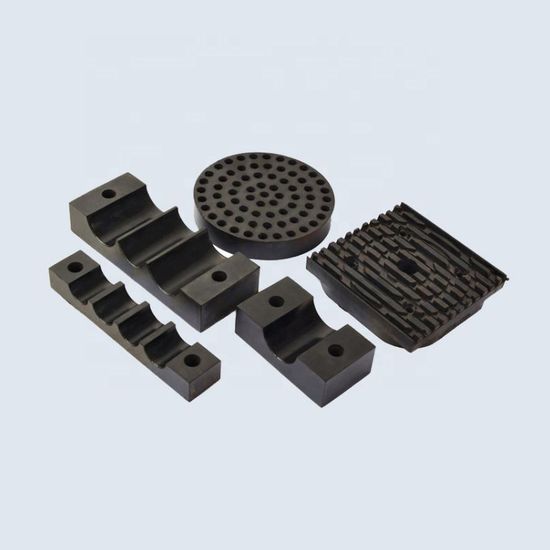
Vibration Mount Customization Process at Suzhou Baoshida Trading Co., Ltd.
At Suzhou Baoshida Trading Co., Ltd., we specialize in delivering high-performance rubber vibration mounts tailored to the exact mechanical and environmental demands of industrial applications. Our systematic customization process ensures precision, durability, and seamless integration into diverse machinery platforms. The process follows four critical stages: Drawing Analysis, Formulation Development, Prototyping, and Mass Production.
The first stage, Drawing Analysis, involves a comprehensive review of the customer-provided technical drawings or 3D models. Our engineering team evaluates load parameters, dimensional tolerances, mounting interfaces, and dynamic stress points. We assess operational conditions such as vibration frequency, temperature range, and exposure to oils, ozone, or chemicals. This analysis forms the foundation for material selection and structural design, ensuring the final product meets both functional and regulatory standards.
Following drawing validation, we proceed to Formulation Development. Our rubber chemists formulate elastomer compounds based on the application’s mechanical and environmental requirements. We primarily utilize natural rubber (NR), nitrile rubber (NBR), ethylene propylene diene monomer (EPDM), and silicone (VMQ), selecting each based on tensile strength, hardness, damping characteristics, and chemical resistance. The Shore A hardness, elongation at break, and compression set are optimized to deliver superior energy absorption and long-term resilience. All formulations are developed in-house and tested under simulated service conditions.
Once the compound is finalized, we move to the Prototyping phase. Using precision molds and CNC-machined tooling, we produce a limited batch of prototype vibration mounts. These prototypes undergo rigorous laboratory testing, including dynamic fatigue, static load deflection, and environmental aging. We validate performance against ISO 1827 and ASTM D412 standards. Customers receive test reports and physical samples for field evaluation. Feedback is incorporated into final design adjustments, ensuring optimal real-world performance.
Upon customer approval, we transition to Mass Production. Our fully automated production lines, supported by statistical process control (SPC), ensure consistency across large volumes. Each batch undergoes 100% visual inspection and random sampling for mechanical testing. We maintain full traceability from raw material to finished product, supporting OEM quality requirements.
The following table outlines typical specifications for our custom vibration mounts:
| Parameter | Range/Value |
|---|---|
| Material Options | NR, NBR, EPDM, VMQ, HNBR |
| Hardness (Shore A) | 40–80 |
| Temperature Range | -40°C to +150°C (varies by compound) |
| Dynamic Load Capacity | 100–5000 N |
| Damping Efficiency | 15–35% energy absorption |
| Compression Set (70°C, 22h) | ≤20% |
| Standards Compliance | ISO 1827, ASTM D412, ROHS, REACH |
Through this structured approach, Suzhou Baoshida ensures every custom vibration mount delivers precision-engineered performance, meeting the exact needs of global industrial clients.
Contact Engineering Team
Contact Suzhou Baoshida for Precision Vibro Mount Solutions
Suzhou Baoshida Trading Co., Ltd. stands at the forefront of industrial rubber engineering, specializing in high-performance vibro mounts engineered to eliminate resonance, isolate structural vibration, and extend equipment service life. Our formulations leverage proprietary polymer blends and advanced compounding techniques, rigorously validated through ISO-certified testing protocols. For OEMs and Tier-1 manufacturers demanding uncompromising reliability in demanding environments—from heavy machinery to precision instrumentation—our vibro mounts deliver measurable reductions in noise transmission, fatigue-induced failures, and maintenance downtime. Generic solutions often fail under dynamic load variations or extreme thermal cycles; our engineered compounds maintain consistent damping characteristics across operational extremes, ensuring peak system integrity.
To address your specific vibration control challenges, we require precise technical parameters: dynamic load profiles, frequency spectra, environmental exposure conditions (temperature, fluids, UV), and spatial constraints. This data enables our engineering team to optimize material selection, geometry, and damping coefficients for your application. Below is a summary of our core vibro mount specifications, illustrating the precision achievable through our OEM collaboration process:
| Property | Standard Range | Customizable Range | Test Standard |
|---|---|---|---|
| Hardness (Shore A) | 40–90 | 30–95 | ISO 7619-1 |
| Dynamic Stiffness (N/mm) | 50–5000 | 20–10,000 | ISO 10112 |
| Transmissibility Ratio | ≤ 0.15 @ 10 Hz | ≤ 0.10 @ 8–15 Hz | ISO 10846-4 |
| Temp. Range (°C) | -40 to +120 | -55 to +150 | ISO 188 |
| Fluid Resistance | Oil/Fuel/Brake Fluid Res. | Custom Chemical Formulation | ISO 1817 |
Initiating collaboration with Suzhou Baoshida is a streamlined process designed for engineering efficiency. Direct all technical inquiries and project specifications to Mr. Boyce, our dedicated OEM Manager with 12 years of experience in vibration isolation systems. Mr. Boyce possesses deep expertise in translating operational requirements into validated rubber solutions, ensuring seamless integration with your manufacturing workflow. He will coordinate our materials science team to provide:
Material compatibility reports based on your fluid exposure profiles
FEA-backed deflection and stress analysis for critical mounting points
Prototype validation data against your specific vibration spectra
Full traceability documentation compliant with ISO 9001 and IATF 16949 standards
Specify your application’s dynamic load parameters, environmental conditions, and dimensional constraints when contacting Mr. Boyce. This enables immediate technical assessment without iterative clarification delays. Our engineering response includes a preliminary compound recommendation and feasibility timeline within 72 business hours. For urgent projects requiring expedited prototyping, indicate your required validation milestones to prioritize resource allocation.
Contact Mr. Boyce directly at [email protected] to commence your vibro mount solution development. Include your company name, project reference code (if applicable), and a concise technical summary of your vibration isolation challenge. Responses are guaranteed within 4 business hours during China Standard Time working hours (08:30–17:30 CST). Suzhou Baoshida operates under strict NDA frameworks—your specifications remain confidential and are used solely for engineering validation. Partner with us to transform vibration challenges into engineered advantages.
⚖️ O-Ring Weight Calculator
Estimate rubber O-ring weight (Approx).