
Technical Contents
Engineering Guide: Viton Sheet
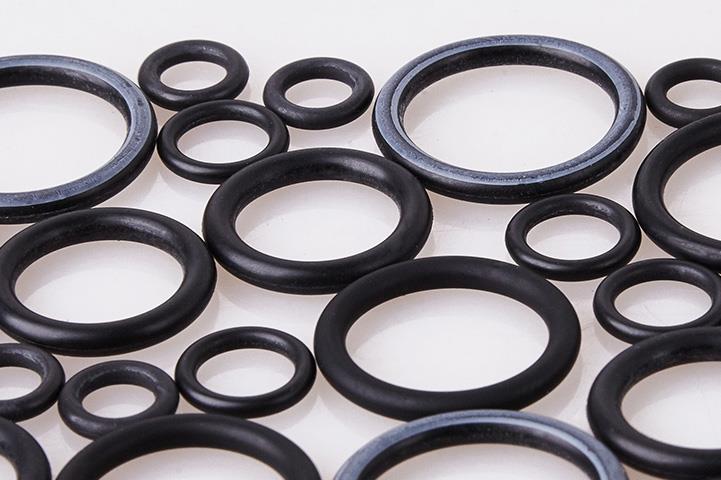
Engineering Insight: The Critical Role of Material Selection in Viton Sheet Applications
In high-performance industrial environments, the selection of elastomeric materials is not a matter of convenience but of engineering necessity. Viton sheet, a fluoropolymer rubber (FKM) manufactured by Chemours (formerly DuPont), is widely regarded as a premium solution for sealing and gasketing under extreme conditions. However, despite its reputation, off-the-shelf Viton sheet products often fail to deliver expected performance when applied without rigorous material evaluation. This discrepancy arises not from inherent flaws in Viton itself, but from misalignment between standardized formulations and the specific chemical, thermal, and mechanical demands of real-world applications.
Viton is engineered to resist aggressive chemicals, elevated temperatures, and prolonged exposure to oils and fuels. Its molecular structure, rich in fluorine content, provides exceptional stability in environments where conventional elastomers like NBR or EPDM degrade rapidly. Yet, Viton is not a monolithic material. It comprises multiple grades—each tailored for distinct performance profiles. Generic or commoditized Viton sheets often default to standard Type A (66% fluorine) or Type B compounds, which may lack the optimized heat resistance, low-temperature flexibility, or chemical resistance required in specialized applications such as semiconductor processing, aerospace fuel systems, or aggressive chemical transfer equipment.
The failure of off-the-shelf solutions typically manifests in premature compression set, cracking under thermal cycling, or chemical swelling due to incompatible fluid exposure. These issues stem from insufficient customization. For instance, a gasket in a high-temperature engine bay may require Viton GLT or GBLT grades, which incorporate tetrafluoroethylene (TFE) and propylene for enhanced thermal stability up to 250°C. Conversely, a seal exposed to ketones or esters may necessitate a specialty grade like Viton Extreme™, which offers improved resistance to polar solvents—something standard FKM formulations cannot guarantee.
At Suzhou Baoshida Trading Co., Ltd., we emphasize engineered material selection over generic substitution. Our technical team works with OEMs to analyze fluid compatibility, thermal profiles, stress duration, and regulatory requirements (e.g., FDA, AMS, or ISO standards) to specify the precise Viton compound. This approach ensures long-term reliability, reduces downtime, and mitigates the hidden costs of seal failure.
Below is a comparison of common Viton sheet grades and their key performance characteristics:
| Grade Type | Fluorine Content | Continuous Use Temp (°C) | Key Resistance Properties | Typical Applications |
|---|---|---|---|---|
| Viton A | 66% | 200 | Fuels, oils, aliphatic hydrocarbons | Automotive seals, O-rings |
| Viton B | 68% | 200 | Aromatic hydrocarbons, improved heat resistance | Refinery gaskets, chemical pumps |
| Viton F | 70% | 200 | Heteroatoms, amines, polar solvents | Petrochemical, agrochemical |
| Viton GLT | 68–70% | 230 | Superior low-temp flexibility, heat resistance | Aerospace, turbo systems |
| Viton GBLT | 70%+ | 250 | Enhanced thermal stability, broad chemical resistance | High-performance industrial seals |
Material selection is not a one-size-fits-all proposition. Precision in specifying the correct Viton sheet grade is fundamental to achieving optimal service life and system integrity.
Material Specifications
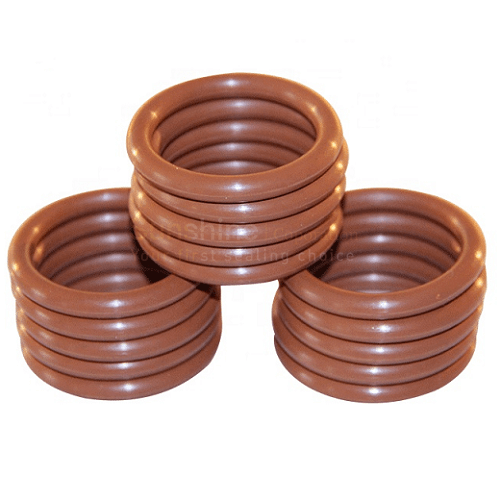
Material Specifications for High-Performance Elastomer Sheets
Viton sheet, chemically classified as fluoroelastomer (FKM/FPM), represents the pinnacle of synthetic rubber performance for extreme industrial applications. Its molecular structure, featuring fluorine-carbon bonds, delivers exceptional resistance to high temperatures, aggressive chemicals, and oxidation. Standard Viton grades maintain continuous serviceability from -20°C to +230°C, with specialty formulations extending short-term exposure to +300°C. Critical properties include tensile strength of 12–20 MPa (ASTM D412), elongation at break of 150–300%, and hardness ranging from 50 to 90 Shore A. Viton exhibits near-immunity to non-polar solvents (e.g., hydrocarbons, fuels, oils), acids, and chlorinated compounds, making it indispensable for aerospace, semiconductor, and chemical processing seals. Its low gas permeability and outstanding resistance to compression set (≤25% at 200°C per ASTM D395) ensure long-term sealing integrity under sustained load. Unlike many elastomers, Viton retains functionality in high-radiation environments and demonstrates superior flame resistance (ASTM D3801 UL94 V-0 rating).
Nitrile rubber (NBR) and silicone (VMQ) serve as cost-effective alternatives for less demanding scenarios but lack Viton’s comprehensive resilience. NBR excels in fuel and oil resistance below 120°C but degrades rapidly under high heat or ozone exposure. Silicone offers unmatched flexibility from -60°C to +200°C and biocompatibility yet suffers from poor tensile strength and susceptibility to撕裂 in dynamic applications. For OEMs, material selection must balance operational parameters against lifecycle costs—Viton’s premium pricing is justified where failure risks catastrophic downtime or safety hazards.
Material Comparison for Critical Industrial Applications
| Property | Viton (FKM) | Nitrile (NBR) | Silicone (VMQ) |
|---|---|---|---|
| Temperature Range (°C) | -20 to +230 (continuous) | -30 to +120 | -60 to +200 |
| Tensile Strength (MPa) | 12–20 | 10–25 | 5–10 |
| Fuel/Oil Resistance | Exceptional | Excellent | Poor |
| Acid Resistance | Excellent | Moderate to Poor | Moderate |
| Compression Set (200°C) | ≤25% | ≤40% | ≥35% |
| Key ASTM Standards | D2000 FK, D1418 Group FK | D2000 BM, D1418 Group N | D2000 MQ, D1418 Group Q |
Suzhou Baoshida Trading Co., Ltd. rigorously tests all Viton sheets to ISO 37 and ASTM D2000 specifications, ensuring dimensional stability (±0.2mm tolerance) and purity for critical OEM deployments. While NBR and silicone fulfill niche requirements, Viton remains the definitive solution for applications demanding uncompromised chemical inertness and thermal stability. Engineers must prioritize fluid compatibility charts and dynamic stress analysis during selection—our technical team provides custom formulation support to mitigate field failure risks. For mission-critical systems, Viton’s operational reliability directly correlates with reduced maintenance cycles and extended service life.
Manufacturing Capabilities
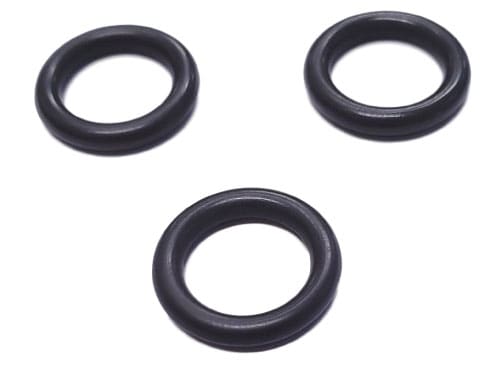
Engineering Capability: Precision-Driven Development for Viton® Sheet Manufacturing
At Suzhou Baoshida Trading Co., Ltd., our engineering capability forms the backbone of our industrial rubber solutions, particularly in the specialized production of Viton® (FKM) sheets. With a dedicated team of five mold engineers and two certified rubber formulation engineers, we maintain full in-house control over material development, mold design, and process optimization. This integrated approach ensures that every Viton® sheet we manufacture meets stringent performance requirements across aerospace, automotive, chemical processing, and semiconductor industries.
Our formulation engineers possess advanced expertise in fluoroelastomer chemistry, enabling precise customization of Viton® compounds to meet specific thermal, chemical, and mechanical demands. Whether clients require standard ASTM D2000 grades or proprietary formulations resistant to aggressive fuels, acids, or high-temperature steam, our team develops tailored recipes that balance performance with cost-efficiency. We conduct rigorous laboratory testing for compression set, tensile strength, heat aging, and fluid resistance, ensuring compliance with international standards and OEM specifications.
Complementing our formulation expertise, our five mold engineers specialize in precision tooling design for compression, transfer, and calendering processes used in sheet production. They utilize CAD/CAM software and finite element analysis (FEA) to optimize mold geometry, reduce cycle times, and eliminate defects such as voids or non-uniform thickness. This synergy between material science and mechanical engineering allows us to produce Viton® sheets with exceptional dimensional accuracy, surface finish, and batch-to-batch consistency.
As an OEM manufacturing partner, Suzhou Baoshida offers end-to-end development support—from concept validation to serial production. We work directly with client technical teams to interpret performance requirements, conduct material selection, and validate prototypes under real-world conditions. Our facility supports low-volume prototyping and high-volume production, with strict quality control protocols including incoming raw material inspection, in-process checks, and final product certification.
This vertically integrated engineering model enables rapid iteration, reduced time-to-market, and long-term reliability for critical sealing applications. By combining deep material knowledge with precision manufacturing, we deliver Viton® sheet solutions that perform under extreme conditions.
Typical Physical Properties of Standard Viton® Sheet (ASTM D2000 Classification)
| Property | Test Method | Typical Value |
|---|---|---|
| Hardness (Shore A) | ASTM D2240 | 70 ± 5 |
| Tensile Strength | ASTM D412 | ≥12 MPa |
| Elongation at Break | ASTM D412 | ≥150% |
| Compression Set (22 h at 200°C) | ASTM D395 | ≤30% |
| Heat Aging (70 h at 200°C), Tensile Retention | ASTM D573 | ≥70% |
| Fluid Resistance (IRM 903, 70 h at 150°C), Volume Swell | ASTM D471 | ≤20% |
| Specific Gravity | ASTM D297 | 1.82 ± 0.05 |
All values are representative for standard Grade FKM-2640. Custom formulations available upon request.
Customization Process
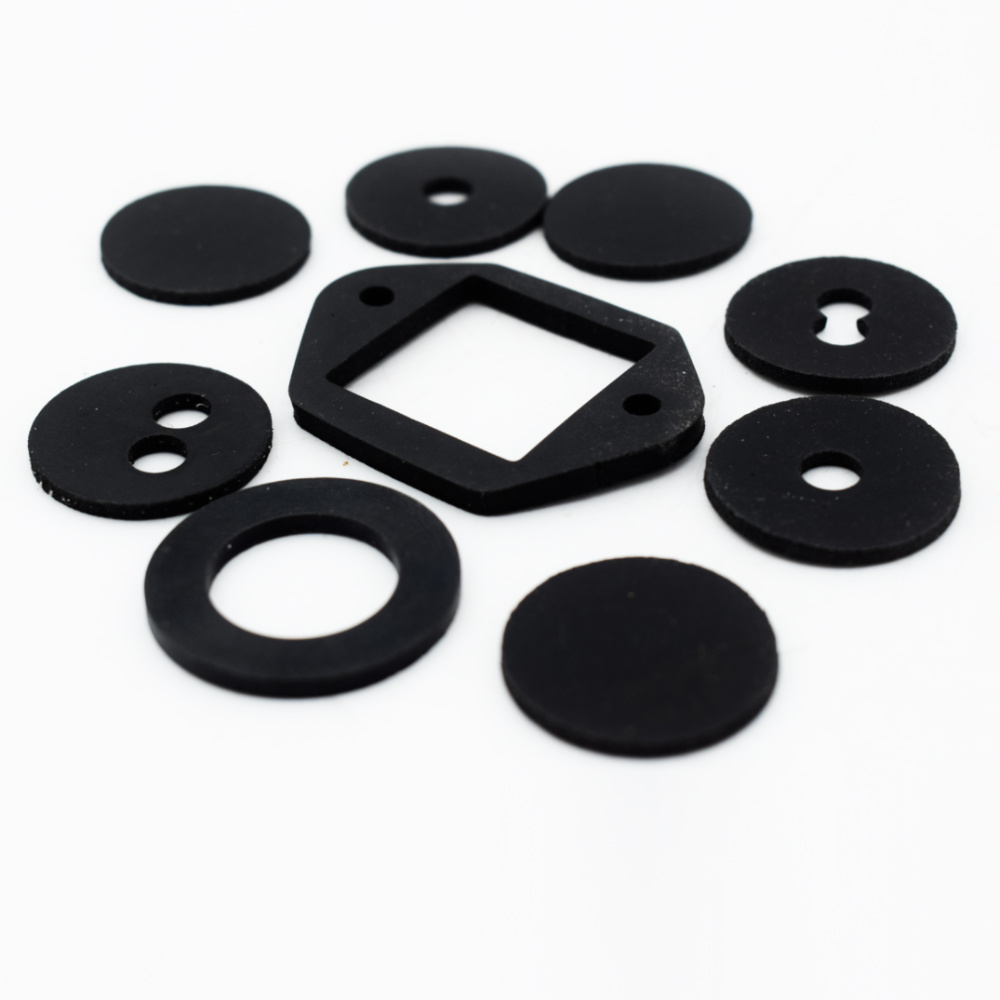
Viton Sheet Customization Process: Precision Engineering from Concept to Volume Production
At Suzhou Baoshida Trading Co., Ltd., our Viton® (FKM) sheet customization process integrates rigorous scientific validation with industrial scalability. As a trusted OEM manager and rubber formula engineering partner, we execute a four-phase workflow ensuring technical compliance and operational efficiency for demanding industrial applications.
Drawing Analysis: Technical Feasibility Validation
Initial engagement begins with comprehensive dimensional and specification review of client-provided engineering drawings. Our engineering team scrutinizes critical parameters including thickness tolerances (±0.05 mm to ±0.50 mm per ASTM D3182), surface finish requirements (e.g., smooth, textured, or fabric-laminated), and geometric complexity. We cross-reference these against Viton’s inherent material constraints—such as minimum bend radii and compression set behavior—to identify potential manufacturability risks. This phase includes formal documentation of deviations or recommendations via an Engineering Change Notice (ECN), ensuring alignment before material development commences.
Formulation: Performance-Driven Compound Design
Leveraging proprietary perfluoroelastomer databases and client-specific environmental exposure data, our formula engineers develop tailored Viton compounds. Key variables optimized include polymer grade (e.g., standard, low-temperature, or high-purity), filler systems, and cure kinetics. For instance, aerospace seals requiring resistance to Skydrol hydraulic fluid necessitate specialized triazine-cured formulations, while semiconductor applications demand ultra-low outgassing compounds meeting ASTM E595. All formulations undergo predictive modeling for compression set (ASTM D395) and fluid resistance (ASTM D471) prior to lab-scale mixing.
Prototyping: Rigorous Validation Under Simulated Conditions
Prototype sheets are manufactured using client-approved tooling on calibrated hydraulic presses (150–175°C, 5–15 MPa). Each batch undergoes mandatory testing per the schedule below, with results documented in a Material Test Report (MTR). Critical validation includes accelerated aging per ASTM D573, tensile/elongation verification (ASTM D412), and application-specific fluid immersion trials. Clients receive dimensional certification reports alongside physical samples for functional testing in their end-use environments. Iterations are completed within 15 business days to resolve performance gaps.
Mass Production: Scalable Quality Assurance
Upon prototype sign-off, production transitions to ISO 9001-certified partner facilities with dedicated Viton lines. We implement Statistical Process Control (SPC) monitoring of key variables: Mooney viscosity (ML 1+4 @ 121°C), cure time (t90 via ASTM D2084), and dimensional stability. Every production lot undergoes 100% visual inspection and batch-level physical testing. Traceability is maintained via laser-etched batch codes linking to raw material CoAs and process parameters. Typical lead time for 5,000 kg orders is 25–30 days with JIT delivery coordination.
Critical Viton Sheet Performance Specifications
| Property | Standard Grade | Low-Temp Grade | High-Purity Grade | Test Standard |
|———————————–|—————-|—————-|——————-|——————|
| Temperature Range (°C) | -20 to +230 | -40 to +215 | -15 to +250 | ASTM D2240 |
| Tensile Strength (MPa) | ≥15.0 | ≥12.0 | ≥14.0 | ASTM D412 |
| Compression Set (%), 70h/150°C | ≤25 | ≤30 | ≤20 | ASTM D395 |
| Resistance to 10% HNO₃ (70°C) | Excellent | Excellent | Excellent | ASTM D471 |
| Resistance to Ketones | Poor | Poor | Poor | ASTM D471 |
This structured methodology ensures Suzhou Baoshida delivers Viton sheets meeting exacting technical requirements while mitigating supply chain risks through engineered process control and transparent documentation protocols. All phases adhere to IATF 16949 frameworks for automotive-critical components.
Contact Engineering Team

Contact Suzhou Baoshida for Premium Viton Sheet Solutions
At Suzhou Baoshida Trading Co., Ltd., we specialize in delivering high-performance industrial rubber solutions tailored to the rigorous demands of modern manufacturing. As a trusted OEM manager and rubber formula engineer, we bring precision, consistency, and technical expertise to every Viton® (FKM) sheet we supply. Whether your application involves extreme temperatures, aggressive chemicals, or high-pressure environments, our Viton sheets are engineered to exceed expectations.
Viton is a fluoropolymer elastomer renowned for its exceptional resistance to heat, oils, acids, and a broad spectrum of solvents. This makes it an ideal material for sealing, gasketing, and insulation in industries such as automotive, aerospace, semiconductor, chemical processing, and oil & gas. Our manufacturing process ensures uniform durometer, tight thickness tolerances, and consistent physical properties across all sheet batches, providing reliability and performance in mission-critical operations.
We offer Viton sheets in multiple grades, including standard, high-temperature, and low-temperature formulations, allowing customization based on your operational requirements. Sheets are available in various thicknesses, hardness levels, and dimensions, and can be cut to custom sizes or fabricated into finished components upon request. Each product is backed by comprehensive quality control protocols, including ASTM-compliant testing for tensile strength, elongation, compression set, and fluid resistance.
Below are the typical technical specifications for our standard Viton sheet offerings:
| Property | Test Method | Value |
|---|---|---|
| Hardness (Shore A) | ASTM D2240 | 60, 70, 80, 90 |
| Tensile Strength | ASTM D412 | ≥12 MPa |
| Elongation at Break | ASTM D412 | ≥200% |
| Compression Set (22 hrs, 200°C) | ASTM D395 | ≤25% |
| Operating Temperature Range | — | -20°C to +230°C (intermittent to 300°C) |
| Specific Gravity | ASTM D297 | 1.82 – 1.88 |
| Color | — | Black, Brown, or Custom |
| Thickness Range | — | 1 mm to 50 mm |
| Sheet Size | — | Up to 1000 mm × 2000 mm |
All materials are traceable, and material certification can be provided upon request. We also support custom formulation development for clients requiring specialized resistance profiles or regulatory compliance (e.g., FDA, UL, or ROHS).
For technical consultations, sample requests, or volume quotations, contact Mr. Boyce, our dedicated OEM Manager and Rubber Formula Engineer. With deep expertise in elastomer science and industrial applications, Mr. Boyce provides direct technical support to ensure your Viton sheet selection aligns perfectly with your engineering and production needs.
Reach out today via email at [email protected] to discuss your project requirements. We respond promptly to all inquiries and offer fast turnaround on samples and production orders. Suzhou Baoshida Trading Co., Ltd. is committed to being your strategic partner in high-performance rubber solutions—where material science meets manufacturing excellence.
⚖️ O-Ring Weight Calculator
Estimate rubber O-ring weight (Approx).