
Technical Contents
Engineering Guide: Vmq O-Ring
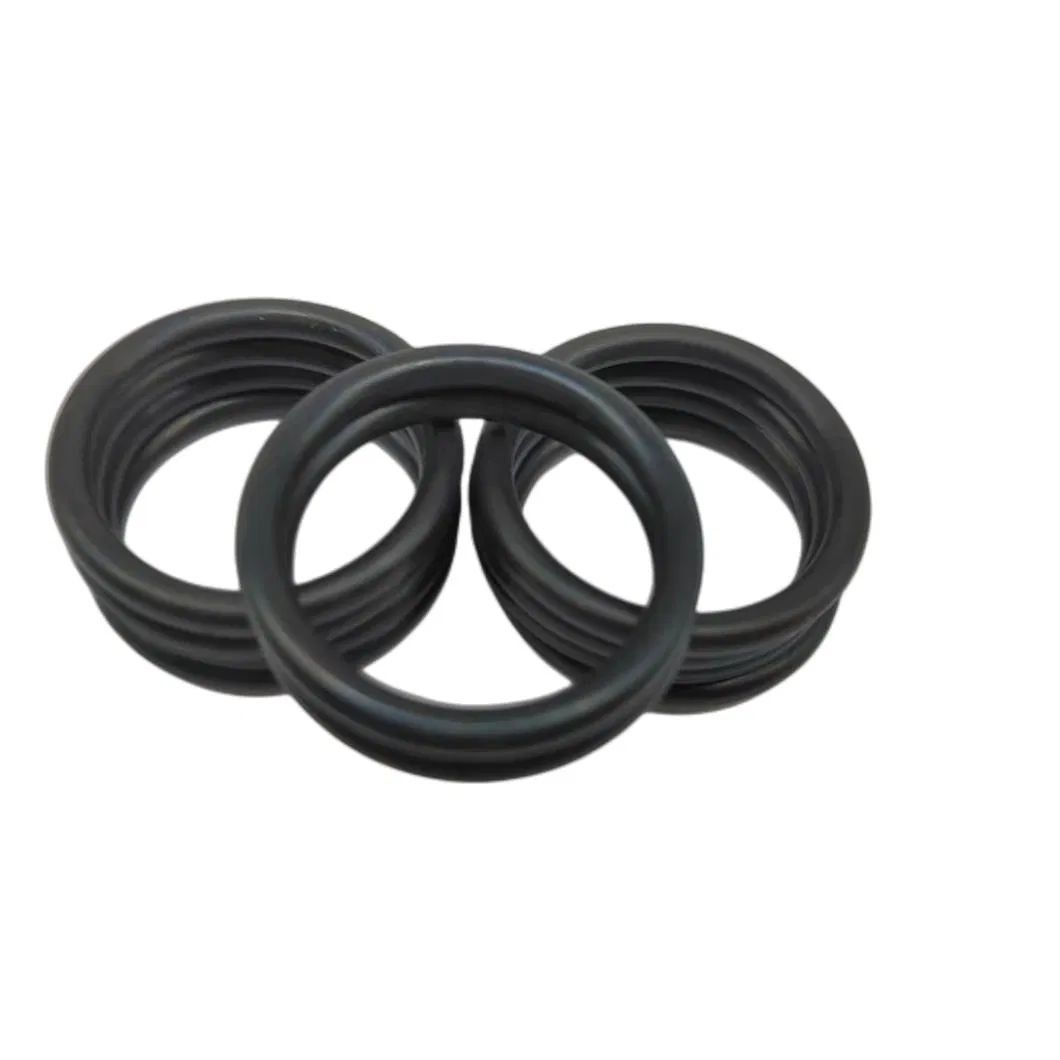
Engineering Insight: VMQ O-Ring Material Selection Criticality
Material selection for O-rings transcends basic compatibility charts. In demanding industrial sealing applications, particularly those involving extreme temperatures, steam, or specific chemical environments, the choice of silicone rubber (VMQ) requires meticulous engineering consideration. Off-the-shelf VMQ O-rings, while meeting generic ASTM D2000 classifications, frequently fail prematurely when deployed in critical systems. This stems from insufficient attention to the nuanced interplay between polymer formulation, cure chemistry, and the precise service environment. Generic compounds prioritize cost and broad applicability, sacrificing the tailored performance essential for reliability under stress. Common failure modes include excessive compression set in continuous high-heat service, rapid deterioration upon exposure to hot water or steam above 120°C, and incompatibility with peroxide-cured systems due to residual platinum catalysts in standard formulations. These failures manifest as leaks, system downtime, and costly remediation far exceeding the initial O-ring expenditure.
The core issue lies in the variability within the VMQ family itself. Base polymer molecular weight, vinyl content, filler type and loading, and critically, the cure system (peroxide vs. platinum addition cure) dramatically alter performance. Standard peroxide-cured VMQ offers good general heat resistance but suffers in steam and hot water due to hydrolytic degradation of the polymer backbone. Platinum-cured (LSR) VMQ provides superior purity and steam resistance but requires absolute exclusion of catalyst poisons like sulfur or amines present in many adjacent materials. Furthermore, achieving low compression set at temperatures approaching 200°C necessitates specialized high-purity polymers and optimized cure packages not found in commodity grades. Relying solely on nominal material designation ignores these critical sub-variants, leading to mismatched solutions.
Suzhou Baoshida Trading Co., Ltd. engineers emphasize that successful VMQ O-ring implementation demands application-specific formulation. Understanding the exact peak temperature profile, cyclic nature of exposure, chemical concentrations, pressure dynamics, and adjacent materials is non-negotiable. Our OEM partnership process involves rigorous application review to select or develop VMQ compounds targeting the specific failure mechanisms inherent in the operational environment. This precision engineering approach prevents the costly consequences of generic part selection.
Critical VMQ Performance Comparison
| Property | Standard Peroxide VMQ | Platinum-Cured VMQ (LSR) | NBR (Buna-N) | EPDM | Critical Limitation for Off-the-Shelf Use |
|---|---|---|---|---|---|
| Continuous Temp Range (°C) | -60 to +200 | -60 to +200 | -30 to +100 | -50 to +150 | Standard VMQ fails rapidly >120°C in steam |
| Steam Resistance (120°C) | Poor | Excellent | Very Poor | Good | Generic VMQ swells/degrades; requires LSR grade |
| Compression Set (22h/150°C) | 25-40% | 10-20% | 30-50% | 15-25% | High set in standard VMQ causes seal loss |
| Peroxide System Compatible | Limited | Excellent | Poor | Good | Standard VMQ contains Pt catalyst; poisons cure |
| Hot Water Resistance | Poor | Good | Very Poor | Excellent | Hydrolysis degrades standard VMQ backbone |
Material selection is a foundational engineering decision, not a procurement checkbox. Generic VMQ O-rings represent a significant risk in critical applications where failure consequences are severe. Partnering with a specialist like Suzhou Baoshida, focused on precision rubber formulation and OEM validation protocols, ensures VMQ seals deliver the required longevity and safety under exacting conditions.
Material Specifications
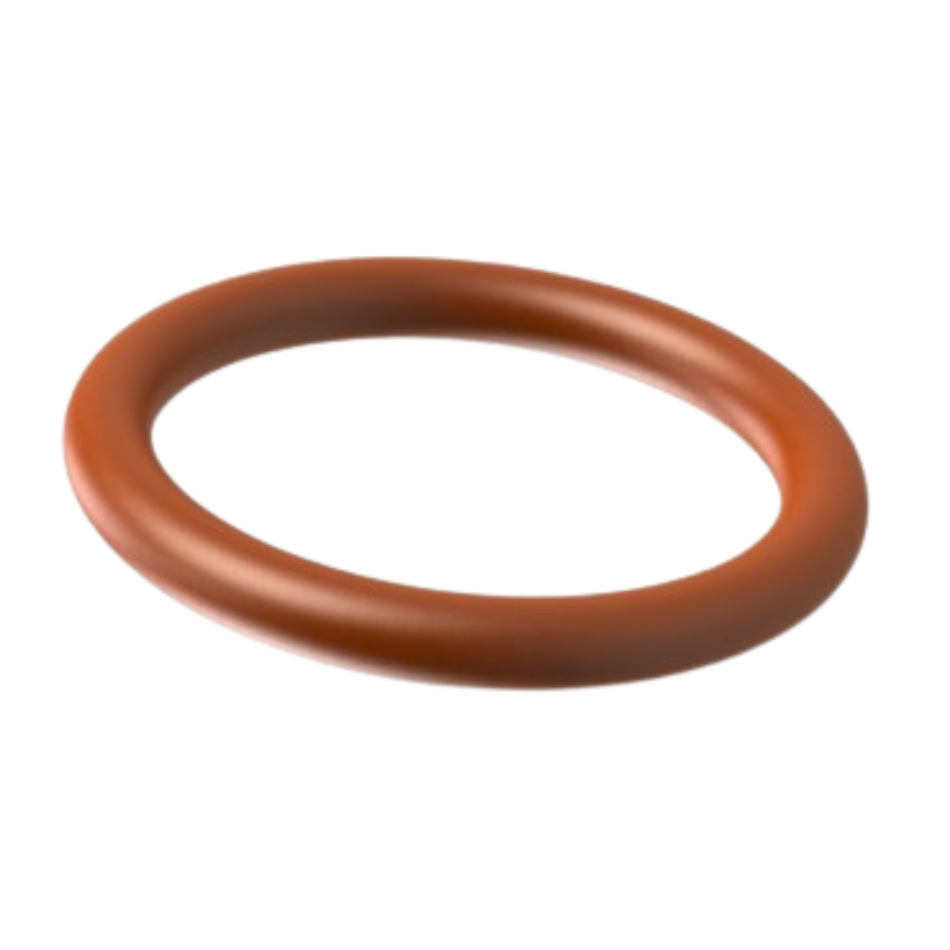
Viton, Nitrile, and Silicone are three of the most widely used elastomers in precision rubber seal manufacturing, particularly for VMQ O-rings deployed in demanding industrial environments. Each material offers distinct chemical, thermal, and mechanical properties, allowing engineers to select the optimal compound based on operational parameters such as temperature range, fluid exposure, compression set resistance, and mechanical stress. Understanding these material characteristics is essential for ensuring long-term sealing integrity and system reliability.
Viton, a fluorocarbon (FKM) rubber, is renowned for its exceptional resistance to high temperatures, typically performing continuously in environments up to 200°C, with short-term excursions to 250°C. It exhibits outstanding resistance to a broad range of aggressive chemicals, including hydrocarbons, oils, fuels, and many acids. This makes Viton the preferred choice for aerospace, automotive, and chemical processing applications where exposure to harsh media is common. Additionally, Viton demonstrates low gas permeability and excellent resistance to aging and ozone, contributing to extended service life in critical sealing applications.
Nitrile rubber (NBR), also known as Buna-N, provides a cost-effective solution for applications involving petroleum-based oils and fuels. It operates effectively within a temperature range of -30°C to 120°C, making it suitable for moderate thermal environments. Nitrile offers excellent abrasion resistance and good tensile strength, which enhances its durability under mechanical stress. However, its performance degrades when exposed to polar solvents, ozone, and certain brake fluids. Despite these limitations, Nitrile remains a popular selection for hydraulic systems, fuel handling equipment, and general industrial machinery due to its balance of performance and affordability.
Silicone rubber (VMQ) stands out for its extreme temperature resilience, functioning reliably from -60°C to 200°C, with some specialty grades exceeding this range. It possesses excellent resistance to ozone, UV radiation, and weathering, making it ideal for outdoor and high-altitude applications. Silicone is also biocompatible and meets numerous FDA and medical-grade requirements, supporting use in pharmaceutical and food processing industries. However, it has relatively low tensile and tear strength compared to Viton and Nitrile, and its permeability to gases is higher. Therefore, it is best suited for static sealing applications where mechanical stress is minimal.
The following table summarizes the key physical and chemical properties of these materials for comparative analysis:
| Property | Viton (FKM) | Nitrile (NBR) | Silicone (VMQ) |
|---|---|---|---|
| Temperature Range (°C) | -20 to 200 (+250) | -30 to 120 | -60 to 200 |
| Fluid Resistance | Excellent (oils, fuels, acids) | Good (petroleum oils, water) | Fair (water, alcohols); Poor (hydrocarbons) |
| Compression Set Resistance | Excellent | Good | Very Good |
| Tensile Strength | High | High | Moderate |
| Tear Resistance | High | High | Low to Moderate |
| Ozone & UV Resistance | Excellent | Poor | Excellent |
| Gas Permeability | Low | Moderate | High |
| Typical Applications | Aerospace, chemical processing, automotive | Hydraulics, fuel systems, industrial machinery | Medical devices, food processing, outdoor seals |
Selection of the appropriate elastomer requires a comprehensive evaluation of the operating environment and performance demands. At Suzhou Baoshida Trading Co., Ltd., we provide precision-engineered VMQ O-rings tailored to meet stringent industrial standards, ensuring optimal performance across diverse applications.
Manufacturing Capabilities
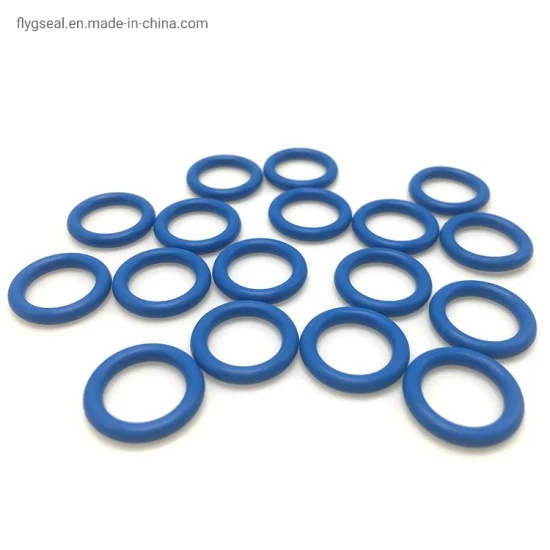
Engineering Capability: Precision VMQ O-Ring Development at Suzhou Baoshida
Suzhou Baoshida Trading Co., Ltd. leverages deep engineering expertise to deliver mission-critical VMQ (silicone rubber) O-rings for demanding industrial applications. Our core strength lies in the integrated collaboration between five dedicated mold engineers and two specialized rubber formula engineers. This dual-discipline approach ensures seamless alignment between material science and precision manufacturing, eliminating common interoperability gaps in seal production. Mold engineers utilize advanced CAD/CAM systems to design cavities with micron-level tolerances, while formula engineers optimize VMQ compounds for specific chemical resistance, thermal stability, and compression set performance. This synergy enables rapid iteration from concept to validation, reducing time-to-market by up to 30% compared to industry benchmarks.
Our OEM process begins with rigorous client requirement analysis, translating operational parameters—such as media exposure, temperature cycles, and dynamic load profiles—into actionable engineering specifications. We develop custom VMQ formulations in-house, adjusting polymer architecture, filler systems, and cure chemistry to meet exact performance thresholds. For instance, aerospace-grade compounds undergo peroxide curing for superior low-temperature flexibility down to -60°C, while pharmaceutical variants prioritize USP Class VI compliance through platinum-catalyzed formulations. Every design undergoes finite element analysis (FEA) to predict seal behavior under stress, preventing extrusion in high-pressure systems up to 50 MPa.
Material validation follows stringent protocols including ASTM D2000 classification, ISO 3601 groove compatibility testing, and real-time aging studies per ASTM D573. Below are representative VMQ O-ring specifications achievable through our engineering pipeline
| Parameter | Standard Value | Customization Range |
|---|---|---|
| Temperature Range | -60°C to +200°C | -75°C to +230°C |
| Hardness (Shore A) | 50–80 | 30–90 |
| Tensile Strength (MPa) | ≥8.0 | 6.0–12.0 |
| Elongation at Break (%) | ≥250 | 150–400 |
| Compression Set (70°C/72h) | ≤20% | ≤15% (optimized grades) |
| Fluid Resistance (IRMOG) | Class A/B | Class A (custom blends) |
OEM scalability is embedded in our workflow. We support clients from prototype (minimum order 500 pieces) to high-volume production (500,000+ units monthly) with identical material batches and tooling validation. Our cleanroom molding facilities feature 25–500T hydraulic presses with closed-loop process control, ensuring dimensional consistency within ±0.05mm tolerances. Critical to aerospace and semiconductor clients, we implement PPAP Level 3 documentation with full traceability of raw materials (including DuPont Dow Elastosil® and Momentive VMQ base polymers) and in-process SPC data.
Quality assurance extends beyond ISO 9001:2015 certification. Every VMQ batch undergoes third-party verification for outgassing (ASTM E595), biocompatibility (ISO 10993), and permeation rates. This engineering rigor minimizes field failures—our clients report 99.2% service life compliance in hydraulic systems operating at 150°C continuous duty. Partnering with Baoshida means accessing material science and precision manufacturing as a unified capability, not outsourced components.
Customization Process
Drawing Analysis
The customization process for VMQ O-rings begins with a comprehensive drawing analysis, where engineering specifications are evaluated for dimensional accuracy, tolerance compliance, and application suitability. At Suzhou Baoshida Trading Co., Ltd., we review client-provided technical drawings in accordance with ISO 3601, AS568, or custom standards, verifying critical parameters such as inner diameter, cross-section, groove dimensions, and surface finish requirements. This stage ensures that the O-ring will function reliably under specified mechanical and environmental conditions. Our engineering team conducts a design for manufacturability (DFM) assessment to identify potential production challenges and recommend adjustments where necessary, minimizing risk during later stages.
Formulation Development
Following drawing validation, we proceed to formulation development, tailoring the VMQ (silicone rubber) compound to meet the operational demands of the application. VMQ is selected for its exceptional thermal stability, low compression set, and resistance to ozone and UV radiation. However, performance can be further optimized through additive integration. Our in-house rubber chemistry lab formulates compounds with precise control over hardness (Shore A), elongation at break, and thermal range. Fillers, pigments, and processing aids are adjusted to achieve target physical properties while maintaining process compatibility. Specialized variants—including high-consistency rubber (HCR) and liquid silicone rubber (LSR)—are developed based on production volume and performance requirements. Each formulation is documented and archived for full traceability.
Prototyping and Validation
Once the compound is finalized, prototype tooling is manufactured to produce sample O-rings for validation testing. Prototypes are molded using precision hydraulic presses under controlled temperature and pressure conditions. We conduct a series of performance tests, including compression set (ASTM D395), tensile strength (ASTM D412), thermal aging (ASTM D573), and fluid resistance as applicable. Dimensional inspection is performed using digital imaging systems to ensure conformity to print specifications. Feedback from testing is used to refine both the tooling and formulation if needed. Clients receive a detailed test report and physical samples for field evaluation, ensuring confidence before moving to full-scale production.
Mass Production
Upon client approval of prototypes, we initiate mass production using high-efficiency molding lines equipped with real-time process monitoring. Each batch undergoes rigorous in-process quality checks and final inspection per AQL 1.0 standards. Traceability is maintained through batch coding and material certification. Our production capacity supports both low-volume specialty runs and high-volume OEM supply, with lead times optimized through lean manufacturing practices.
| Property | Standard Value (Typical VMQ) | Test Method |
|---|---|---|
| Hardness (Shore A) | 40–80 ±5 | ASTM D2240 |
| Tensile Strength | ≥6.0 MPa | ASTM D412 |
| Elongation at Break | ≥200% | ASTM D412 |
| Operating Temperature | -60°C to +200°C | ASTM D573 |
| Compression Set (22 hrs, 175°C) | ≤25% | ASTM D395 |
| Specific Gravity | 1.15–1.25 | ASTM D297 |
Contact Engineering Team
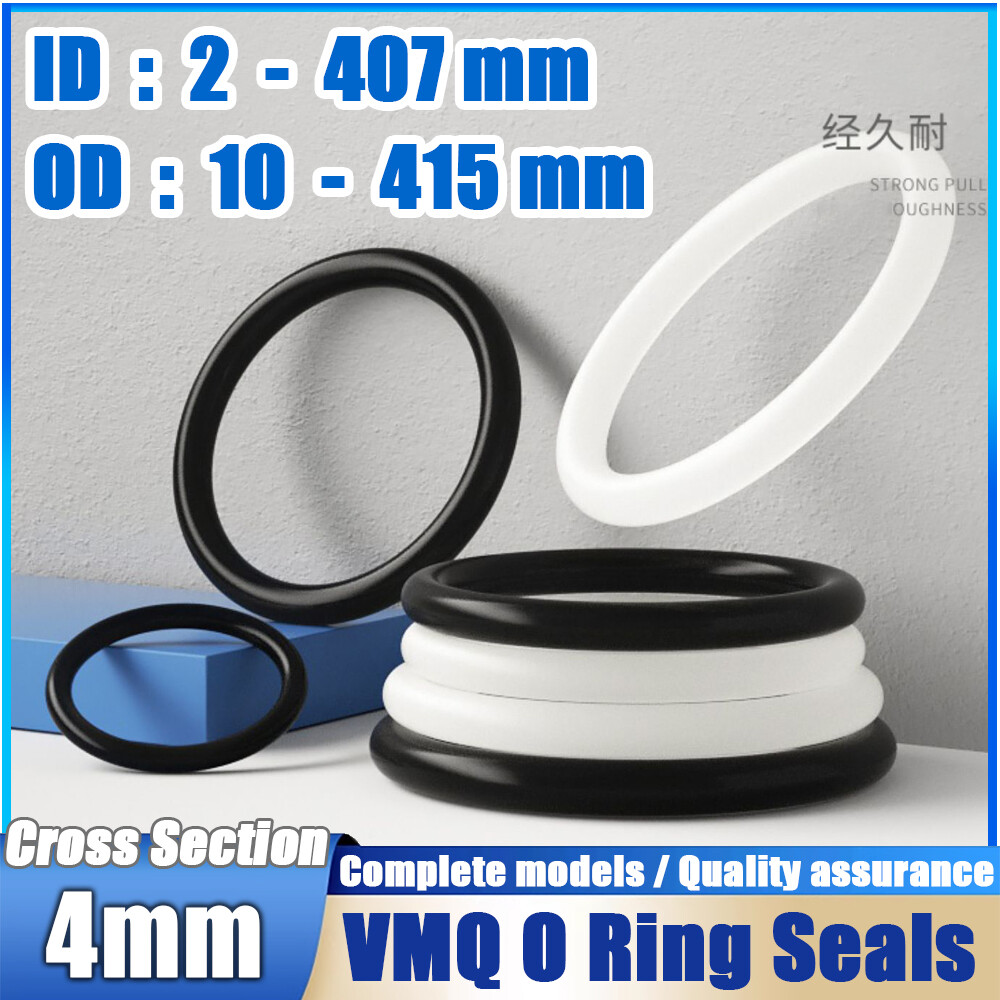
Direct Engineering Collaboration for VMQ O-Ring Solutions
Suzhou Baoshida Trading Co., Ltd. operates at the intersection of advanced polymer science and precision manufacturing, specializing in critical VMQ (methyl vinyl silicone) O-ring formulations for demanding industrial applications. Our engineering team possesses deep expertise in silicone elastomer chemistry, enabling us to address complex sealing challenges where thermal stability, chemical inertness, and biocompatibility are non-negotiable. VMQ compounds require meticulous control over polymer structure, filler dispersion, and peroxide curing systems to achieve optimal performance—capabilities rigorously embedded in our ISO 9001-certified production processes. When standard catalog specifications fail to meet your operational parameters, our OEM development pipeline provides tailored material engineering and dimensional refinement to exact ASTM D2000 or custom technical drawings.
The following table summarizes core technical parameters for our standard VMQ O-ring formulations, serving as a baseline for application-specific optimization:
| Property | Test Method | Typical Value Range |
|---|---|---|
| Temperature Range | ASTM D1418 | -60°C to +230°C |
| Hardness (Shore A) | ASTM D2240 | 40–80 ±5 |
| Tensile Strength | ASTM D412 | 6.0–9.5 MPa |
| Elongation at Break | ASTM D412 | 250–600% |
| Compression Set (22h/175°C) | ASTM D395 | ≤25% |
| Fluid Resistance (IRMOG) | ASTM D471 | Excellent |
These values reflect baseline performance for general-purpose VMQ compounds. However, real-world sealing environments often necessitate compound modifications—such as platinum-cured formulations for ultra-high purity, fluorosilicone variants for aggressive hydrocarbon exposure, or custom durometer gradients for multi-pressure interfaces. Our laboratory in Suzhou conducts iterative formulation trials using Mooney viscometry, DSC thermal analysis, and accelerated aging protocols to validate material behavior under your specific media, temperature cycles, and mechanical loads. This data-driven approach eliminates guesswork in seal selection, reducing field failure risks in aerospace hydraulic systems, semiconductor processing equipment, and pharmaceutical fluid handling.
Engaging Suzhou Baoshida initiates a structured technical dialogue. Submit your application requirements—including fluid media, temperature profiles, dynamic/static loading conditions, and regulatory constraints—and our engineers will provide a formal material compatibility assessment within 72 hours. For urgent prototyping needs, our CNC-machined tooling facility supports rapid O-ring production in quantities from 10 to 100,000 pieces, with full traceability to raw material batch records. We prioritize partnerships where engineering collaboration drives measurable performance gains, not merely transactional component supply.
Initiate your VMQ sealing solution development by contacting Mr. Boyce, our dedicated OEM Technical Manager. Email [email protected] with your project specifications, target tolerances (per AS568 or custom), and performance validation criteria. Include any existing failure analysis reports or fluid compatibility test data to expedite our technical review. Mr. Boyce will coordinate a cross-functional team comprising compound chemists, process engineers, and quality assurance specialists to deliver a formal quotation with material certification packages and dimensional inspection reports. For time-sensitive projects requiring expedited sampling, reference your target timeline in the email subject line. Suzhou Baoshida Trading Co., Ltd. is committed to transforming your sealing challenges into engineered reliability—contact us to begin the precision engineering process.
⚖️ O-Ring Weight Calculator
Estimate rubber O-ring weight (Approx).