
Technical Contents
Engineering Guide: Vulcanized Paper
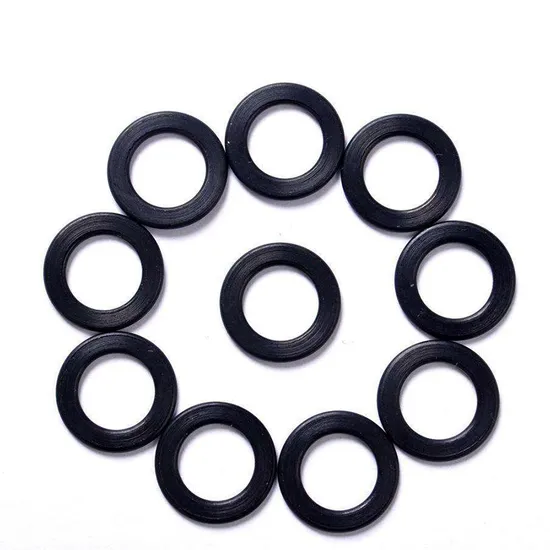
Engineering Insight: Vulcanized Paper – The Critical Role of Material Selection
Vulcanized paper, also known as vulcanized fiber, is a thermoset material derived from cellulose treated with zinc chloride and hydrochloric acid, resulting in a dense, rigid laminate with exceptional mechanical and electrical properties. While it is not rubber in the traditional sense, its integration into industrial rubber solutions—particularly in seals, insulators, and mechanical spacers—necessitates a rigorous engineering approach to material compatibility and performance under operational stress. At Suzhou Baoshida Trading Co., Ltd., we emphasize that off-the-shelf vulcanized paper components frequently fail in demanding applications due to oversights in material selection and environmental adaptation.
Generic vulcanized paper products are often manufactured to meet minimum industry standards, prioritizing cost and availability over performance fidelity. These materials may exhibit inconsistent density, moisture absorption rates, or delamination resistance, leading to premature failure in high-vibration, high-humidity, or chemically aggressive environments. For example, standard-grade vulcanized paper can absorb up to 15% moisture by weight when exposed to 90% relative humidity, significantly reducing dielectric strength and dimensional stability. In contrast, engineered variants with controlled cellulose polymerization and post-treatment sealing demonstrate less than 6% moisture uptake under identical conditions.
Moreover, mechanical loading conditions are frequently underestimated. Off-the-shelf components may lack the compressive strength required for gasketing applications or fail under repeated flexural stress in dynamic assemblies. The absence of precise tolerance control in mass-produced sheets further exacerbates misalignment and leakage risks in precision machinery.
To ensure reliability, material selection must be application-driven. Key parameters include operating temperature, chemical exposure, electrical requirements, and mechanical load profiles. At Baoshida, we collaborate with OEMs to evaluate these variables and recommend vulcanized paper grades optimized for specific service conditions. This includes sourcing materials with enhanced cross-link density, laminated barriers, or hybrid composite structures that integrate rubber or phenolic layers for synergistic performance.
The following table outlines critical performance specifications across different grades of vulcanized paper:
| Property | Standard Grade | Industrial-Grade | Baoshida-Optimized Grade |
|---|---|---|---|
| Tensile Strength (MPa) | 80 | 110 | 130 |
| Compressive Strength (MPa) | 180 | 240 | 280 |
| Moisture Absorption (%) | 15 | 8 | 5.5 |
| Dielectric Strength (kV/mm) | 12 | 16 | 18 |
| Maximum Operating Temperature (°C) | 70 | 85 | 100 |
| Density (g/cm³) | 1.25 | 1.35 | 1.40 |
Material selection is not a commodity decision—it is an engineering imperative. By moving beyond off-the-shelf solutions and adopting a precision-driven approach, manufacturers can significantly enhance product longevity, safety, and performance. At Suzhou Baoshida Trading Co., Ltd., we provide technical guidance and material sourcing aligned with the highest standards of industrial reliability.
Material Specifications
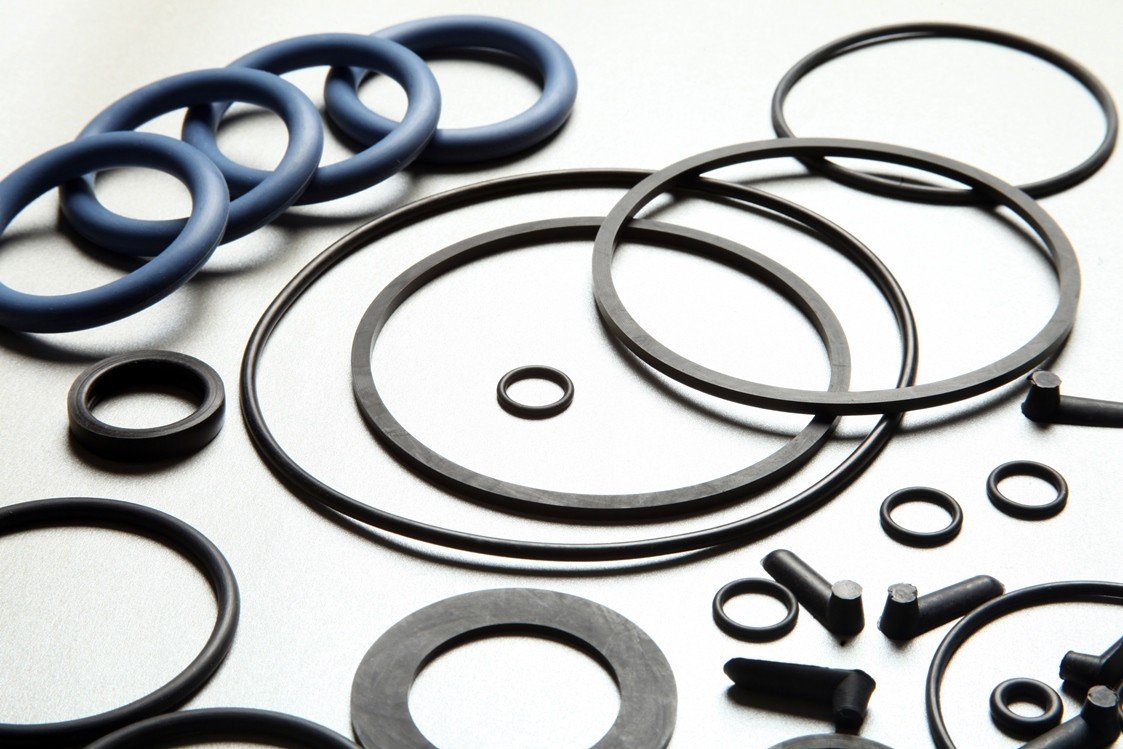
Material Specifications for Vulcanized Paper Composites
Vulcanized paper refers to specialized fiber-reinforced elastomeric composites where high-purity cellulose fibers are integrally bonded within a cured rubber matrix. This structure delivers exceptional dimensional stability, tear resistance, and reinforcement for dynamic sealing applications under compression. At Suzhou Baoshida Trading Co., Ltd., we engineer these composites using precision vulcanization techniques to ensure uniform fiber dispersion and optimal crosslink density. Critical performance hinges on the elastomer selection, which must align with operational temperature, chemical exposure, and mechanical stress profiles. Viton (FKM), Nitrile (NBR), and Silicone (VMQ) represent the primary material systems for industrial vulcanized paper, each offering distinct advantages for targeted use cases.
Material selection requires rigorous evaluation of fluid compatibility, thermal limits, and mechanical resilience. Viton provides superior resistance to aggressive chemicals, fuels, and high temperatures, making it indispensable for aerospace and chemical processing seals. Nitrile balances cost-effectiveness with robust performance in oil and hydrocarbon environments, commonly specified for automotive transmission seals and hydraulic systems. Silicone excels in extreme temperature cycling and biocompatibility but exhibits lower tensile strength and limited resistance to petroleum-based fluids, positioning it for medical device and food-grade applications. Compression set resistance is paramount for long-term sealing integrity, particularly in static applications where permanent deformation compromises functionality.
The comparative analysis below details key specifications for vulcanized paper formulations using these elastomers. All values reflect standard test methods per ASTM D2000 and ISO 37, with hardness measured in Shore A scale.
| Property | Viton (FKM) | Nitrile (NBR) | Silicone (VMQ) |
|---|---|---|---|
| Temperature Range (°C) | -20 to +230 | -40 to +125 | -60 to +200 |
| Tensile Strength (MPa) | 12–18 | 15–22 | 6–10 |
| Elongation at Break (%) | 150–250 | 200–350 | 200–400 |
| Hardness Range (Shore A) | 60–90 | 50–90 | 40–80 |
| Compression Set (70h/100°C) | ≤25% | ≤30% | ≤20% |
| Key Fluid Resistance | Fuels, acids, oils | Oils, hydraulic fluids | Water, steam, ozone |
| Limitations | Poor ketone resistance | Limited high-temp stability | Low tear strength, poor oil resistance |
Suzhou Baoshida prioritizes OEM-specific formulation adjustments to meet exacting application demands. For instance, peroxide-cured Viton variants enhance compression set resistance above 200°C, while carboxylated NBR grades improve abrasion resistance in high-wear scenarios. Silicone composites may incorporate ceramic fillers for enhanced thermal conductivity in electrical insulation roles. All materials undergo stringent batch testing for fiber orientation consistency and vulcanization completeness, ensuring zero delamination risk under operational stress. Engineers must validate material suitability against actual service conditions, particularly regarding fluid immersion effects and cyclic loading requirements. Our technical team provides comprehensive application support to optimize material selection and prevent premature field failures.
Manufacturing Capabilities
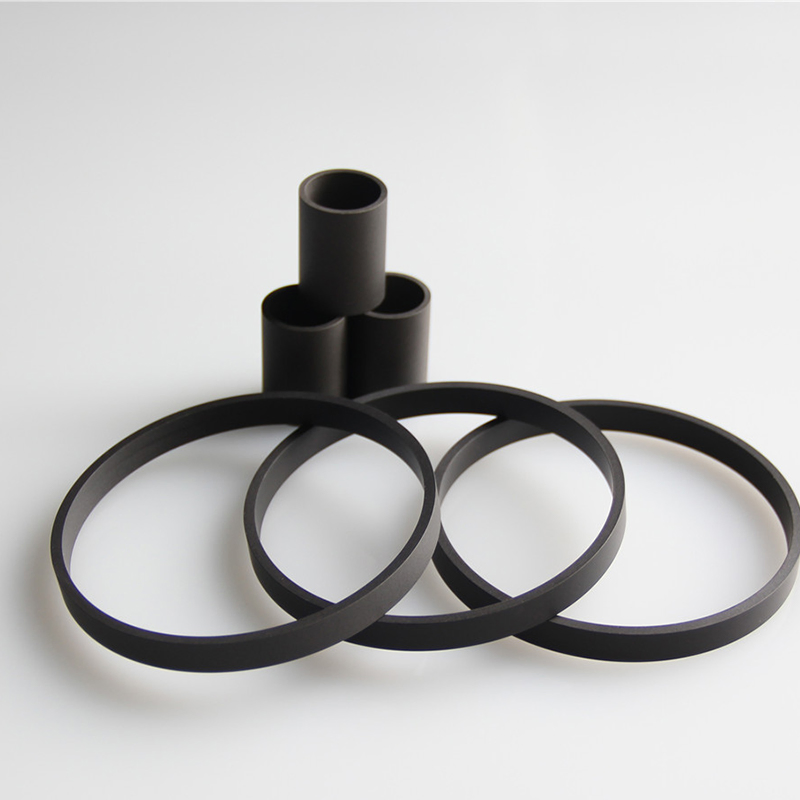
Engineering Capability: Precision-Driven Development for Industrial Rubber Applications
At Suzhou Baoshida Trading Co., Ltd., our engineering capability forms the backbone of our industrial rubber solutions, enabling us to deliver high-performance vulcanized paper products tailored to exacting OEM specifications. With a dedicated team of five experienced mould engineers and two specialized rubber formula engineers, we integrate material science with precision tooling to ensure optimal product functionality, durability, and consistency across production cycles.
Our formula engineers possess deep expertise in elastomer chemistry, focusing on the development and refinement of rubber compounds used in the vulcanization of paper substrates. This process involves the cross-linking of polymer chains under heat and pressure to enhance mechanical strength, thermal stability, and chemical resistance. By formulating custom rubber blends—balancing sulfur content, accelerators, fillers, and reinforcing agents—we achieve precise control over hardness, tensile strength, and compression set, ensuring compatibility with diverse industrial environments.
Parallel to compound development, our five mould engineers specialize in the design, simulation, and optimization of vulcanization tooling systems. These engineers employ advanced CAD/CAM software and finite element analysis (FEA) to model heat distribution, pressure gradients, and material flow during the vulcanization cycle. This enables the creation of precision-engineered moulds that ensure uniform curing, minimal flash, and dimensional accuracy in the final vulcanized paper components. Our in-house tooling capability allows rapid prototyping and iterative design adjustments, shortening time-to-market for OEM partners.
We support full OEM manufacturing, from initial concept and material selection to final production and quality validation. Our engineers collaborate directly with client technical teams to interpret performance requirements, environmental constraints, and regulatory standards—such as ISO 2230 for rubber testing or GB/T 531.1 for hardness measurement—ensuring full compliance and functional reliability.
Our integrated approach—combining formulation science with precision engineering—enables us to produce vulcanized paper components used in electrical insulation, industrial gaskets, and mechanical spacers where thermal resilience, dielectric strength, and mechanical integrity are critical.
The following table summarizes key technical parameters achievable in our vulcanized paper production:
| Property | Typical Range | Test Standard |
|---|---|---|
| Hardness (Shore A) | 60–90 | GB/T 531.1 / ISO 7619-1 |
| Tensile Strength | 8–18 MPa | GB/T 528 / ISO 37 |
| Elongation at Break | 150–350% | GB/T 528 / ISO 37 |
| Compression Set (24h, 70°C) | ≤25% | GB/T 7759 / ISO 815 |
| Dielectric Strength | ≥12 kV/mm | GB/T 1408.1 / IEC 60243-1 |
| Operating Temperature | -40°C to +120°C | Internal Validation |
This technical foundation, supported by rigorous in-process quality control and final product testing, ensures that every vulcanized paper component meets the performance demands of modern industrial systems. At Baoshida, engineering excellence is not an outcome—it is our standard.
Customization Process
Vulcanized Fiber Customization Process: Precision Engineering for Industrial Applications
Suzhou Baoshida Trading Co., Ltd. delivers engineered vulcanized fiber solutions—distinct from rubber despite the historical naming—through a rigorously controlled four-phase customization workflow. This cellulose-based composite, formed via sulfur vulcanization of wood pulp, requires exacting material science to achieve client-specified mechanical, thermal, and chemical resistance properties. Our process ensures dimensional stability and performance consistency for critical industrial components.
Drawing Analysis initiates the project. Engineering teams dissect client technical drawings to validate feasibility against vulcanized fiber’s inherent constraints. Key parameters assessed include minimum wall thickness (≥0.5 mm), tolerance ranges (±0.05 mm for precision grades), hole-to-edge clearance, and surface finish requirements. We identify potential stress concentration zones and advise on design modifications to prevent delamination or fracture during service. This phase includes material suitability screening against operational factors like continuous temperature exposure (up to 120°C) and chemical contact.
Formulation follows design validation. Our rubber formula engineers develop a proprietary compound balancing cellulose purity, sulfur crosslink density, and additive integration. Critical variables adjusted include:
Vulcanization accelerator type (e.g., thiurams for rapid cure)
Fillers (e.g., silica for abrasion resistance)
Plasticizers for flexibility retention
Thermal stabilizers for high-temperature applications
Formulation targets are derived from ASTM D273 performance benchmarks, ensuring the compound meets the exact tensile strength, dielectric strength, and water absorption thresholds required.
Prototyping validates the engineered solution. Using client-approved formulations, we produce 5–10 sample units via compression molding under controlled temperature (140–160°C) and pressure (15–25 MPa) cycles. Each prototype undergoes:
Dimensional verification via CMM (Coordinate Measuring Machine)
ASTM D638 tensile testing
Water immersion tests per ASTM D570
Client-specific functional trials
Feedback from this stage triggers iterative refinements to the formulation or process parameters before tooling commitment.
Mass Production leverages Suzhou Baoshida’s ISO-certified manufacturing infrastructure. Production runs employ automated molding presses with real-time cure monitoring via dielectric sensors. Every batch undergoes 100% visual inspection and statistical sampling for:
Thickness uniformity (micrometer checks at 5+ points/unit)
Hardness (Shore D 75–85, per ASTM D2240)
Electrical resistance (≥10¹² Ω·cm)
Final shipments include material test reports traceable to raw material lot numbers, ensuring full compliance with OEM quality standards.
Critical Vulcanized Fiber Performance Specifications
| Material Grade | Tensile Strength (MPa) | Water Absorption (%) | Max Continuous Temp (°C) | ASTM Standard |
|---|---|---|---|---|
| VP-100 General | 180–200 | ≤8.0 | 100 | D273 Type I |
| VP-200 Industrial | 220–240 | ≤6.5 | 120 | D273 Type II |
| VP-300 Electrical | 190–210 | ≤5.0 | 110 | D273 Type III |
This structured approach eliminates guesswork in vulcanized fiber component manufacturing. Suzhou Baoshida’s integration of materials science, precision engineering, and statistical process control guarantees that every custom part performs reliably in demanding industrial environments, from electrical insulation to mechanical wear components.
Contact Engineering Team
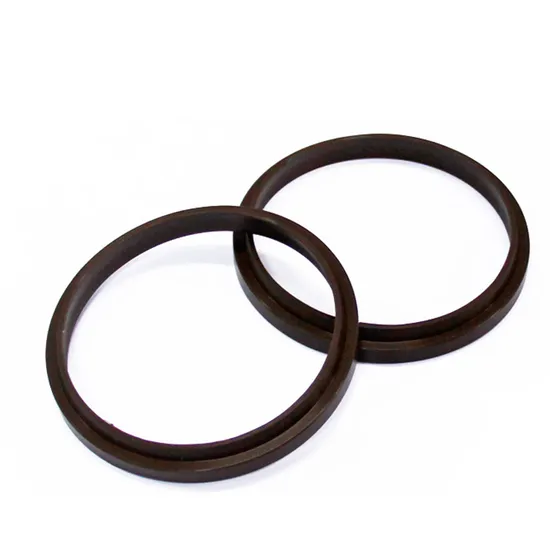
For industrial manufacturers seeking high-performance composite materials, vulcanized paper represents a critical solution in demanding mechanical and electrical applications. At Suzhou Baoshida Trading Co., Ltd., we specialize in advanced industrial rubber solutions, including precision-engineered vulcanized paper products tailored to meet rigorous OEM specifications. Our materials are formulated for superior dielectric strength, mechanical resilience, and thermal stability, making them ideal for use in insulating components, washers, spacers, and structural reinforcements across automotive, aerospace, and electrical equipment industries.
Vulcanized paper, also known as compressed fiber or phenolic paper laminate, is produced through a controlled vulcanization process that bonds cellulose fibers with phenolic resins under high temperature and pressure. This results in a rigid, dimensionally stable material with excellent arc resistance and low moisture absorption. Our production process adheres to ISO 9001 standards, ensuring consistent quality, repeatability, and compliance with international industrial norms. We offer custom thicknesses, sheet sizes, and machining capabilities to support prototyping and high-volume production runs.
Below are the typical technical specifications for our standard grade vulcanized paper:
| Property | Value | Test Method |
|---|---|---|
| Specific Gravity | 1.35 – 1.45 | ASTM D792 |
| Tensile Strength | ≥ 120 MPa | ASTM D638 |
| Compressive Strength | ≥ 200 MPa | ASTM D695 |
| Dielectric Strength (Short Time) | ≥ 18 kV/mm | ASTM D149 |
| Arc Resistance | ≥ 150 seconds | ASTM D495 |
| Water Absorption (24 hrs) | ≤ 0.3% | ASTM D570 |
| Operating Temperature Range | -40°C to +120°C | ISO 188 |
| Hardness (Shore D) | 85 – 95 | ASTM D2240 |
These values are indicative and may vary slightly depending on resin content, fiber orientation, and curing parameters. Custom formulations can be developed to enhance specific attributes such as flame retardancy, tracking resistance, or mechanical toughness.
Partnering with Suzhou Baoshida ensures access to technical expertise grounded in material science and industrial application engineering. Our team supports clients from initial material selection through to final product validation, offering batch traceability, technical data sheets, and sample provisioning for qualification testing.
To discuss your vulcanized paper requirements or request material samples, contact Mr. Boyce, OEM Manager and Rubber Formula Engineer at Suzhou Baoshida Trading Co., Ltd. Direct correspondence to [email protected] ensures a prompt, technically informed response. We welcome inquiries from manufacturers, procurement managers, and design engineers seeking reliable, high-integrity composite materials for mission-critical applications. Let us support your next-generation product development with engineered rubber and fiber solutions built for performance and longevity.
⚖️ O-Ring Weight Calculator
Estimate rubber O-ring weight (Approx).