
Technical Contents
Engineering Guide: Washer Leveling Feet
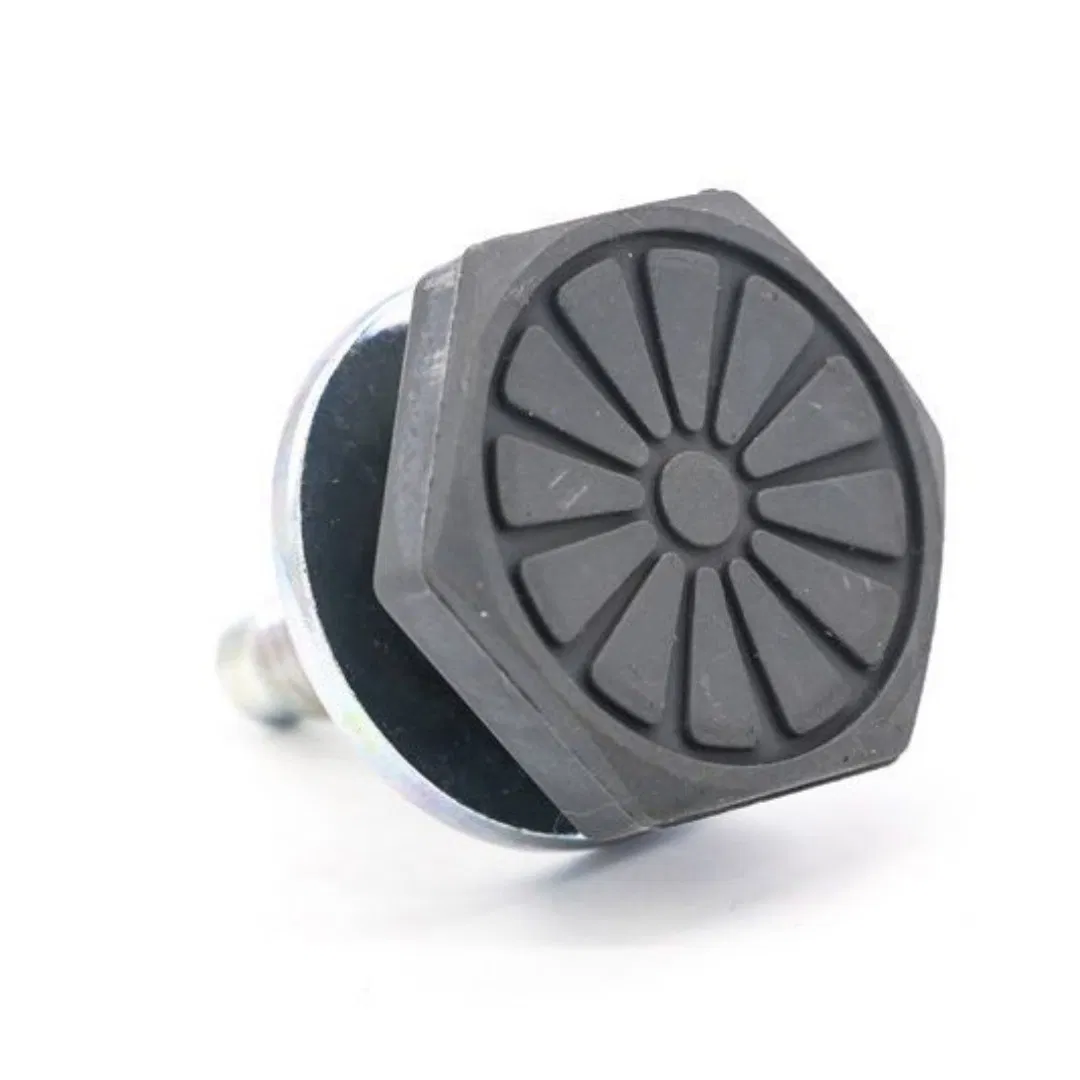
Engineering Insight: Material Selection in Washer Leveling Feet
In the design and manufacturing of washer leveling feet, material selection is not a secondary consideration—it is a foundational engineering decision that directly impacts performance, durability, and long-term reliability. These components, though seemingly minor in the overall assembly of household or industrial washing machines, serve a critical function: isolating vibration, maintaining unit stability, and preventing premature wear on internal components. When material properties are mismatched to operational demands, even high-precision mechanical designs will degrade rapidly.
Off-the-shelf leveling feet often fail due to generic material formulations that prioritize cost over performance. Standard rubber compounds such as unmodified natural rubber (NR) or low-grade ethylene propylene diene monomer (EPDM) may offer initial compliance and damping but lack the resilience required under prolonged dynamic loading, temperature fluctuations, and exposure to moisture and detergents. These environments accelerate material aging, leading to cracking, compression set, and loss of load-bearing integrity. As a result, the washing machine experiences increased vibration transmission, uneven leveling, and potential damage to the drum suspension system.
At Suzhou Baoshida Trading Co., Ltd., our approach centers on engineered elastomers tailored to the specific mechanical and environmental conditions of the appliance. High-performance EPDM formulations with optimized cross-link density provide superior resistance to heat, ozone, and water—common stressors in laundry environments. For applications requiring enhanced oil and detergent resistance, we utilize hydrogenated nitrile butadiene rubber (HNBR), which maintains elasticity and structural integrity even after extended exposure to aggressive cleaning agents.
Beyond chemical resistance, the mechanical behavior of the elastomer under compression and shear loading is critical. A material with poor recovery characteristics will bottom out over time, eliminating the leveling function. Dynamic modulus and damping coefficient must be precisely balanced: too stiff, and vibration isolation is compromised; too soft, and the foot cannot support the load. This balance is achieved through rigorous compound development, including filler selection (e.g., reinforcing carbon black or silica), plasticizer stability, and vulcanization control.
The following table outlines key material performance specifications relevant to washer leveling feet:
| Property | Standard NR/EPDM | High-Performance EPDM | HNBR | Test Standard |
|---|---|---|---|---|
| Hardness (Shore A) | 55–65 | 60–70 | 65–75 | ASTM D2240 |
| Tensile Strength (MPa) | 8–12 | 14–18 | 20–25 | ASTM D412 |
| Compression Set (70°C, 24h) | 25–35% | 12–18% | 10–15% | ASTM D395 |
| Heat Resistance (°C) | 100 | 130 | 150 | ASTM D573 |
| Water Resistance | Moderate | Excellent | Excellent | ISO 1817 |
| Detergent Resistance | Poor | Good | Excellent | Custom immersion test |
Material selection must be treated as a systems-level engineering decision. Off-the-shelf solutions fail because they generalize application conditions. At Baoshida, we partner with OEMs to develop application-specific compounds that ensure long-term performance, reduce field failures, and enhance end-user satisfaction through silent, stable operation.
Material Specifications
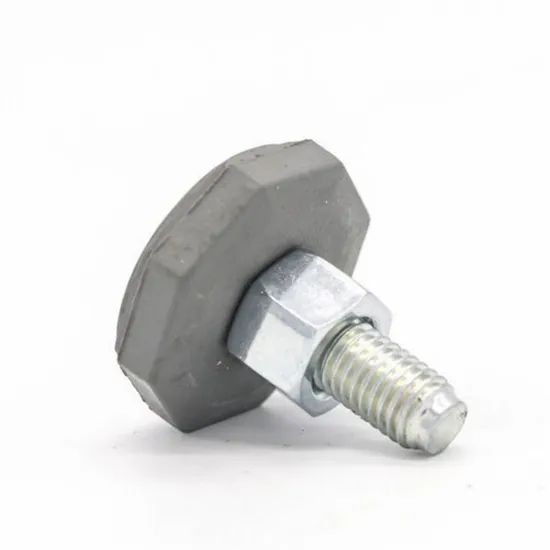
Material Specifications for Washer Leveling Feet in Precision Applications
Material selection for washer leveling feet directly impacts equipment stability, vibration damping, and service life in industrial environments. At Suzhou Baoshida Trading Co., Ltd., we engineer rubber components to exacting OEM standards, recognizing that the operational demands on leveling feet—sustained compression load, exposure to fluids, and temperature fluctuations—require precise elastomer properties. The three primary materials employed are Viton (FKM), Nitrile (NBR), and Silicone (VMQ), each offering distinct performance profiles critical for specific application conditions. Understanding these specifications ensures optimal functionality and longevity of the leveling system.
Viton fluorocarbon rubber provides exceptional resistance to high temperatures and aggressive chemicals, making it indispensable for demanding industrial settings. It maintains integrity between -20°C and 230°C continuous service, with short-term peaks to 300°C. Viton exhibits outstanding resistance to oils, fuels, hydraulic fluids, acids, and steam, significantly outperforming other elastomers in hydrocarbon-based environments. Its low compression set ensures reliable load retention under constant stress, crucial for maintaining precise equipment leveling over extended periods. While Viton commands a higher material cost, its durability in harsh chemical and thermal conditions justifies the investment for critical applications like semiconductor manufacturing or chemical processing equipment.
Nitrile butadiene rubber (NBR) remains the most cost-effective solution for general industrial applications involving oil and fuel exposure. Operating effectively from -40°C to 120°C, NBR offers excellent resistance to petroleum-based oils, greases, and aliphatic hydrocarbons. Its good abrasion resistance and moderate compression set performance provide reliable service in machinery like CNC centers, packaging lines, and hydraulic systems where exposure to lubricants is common. Standard NBR formulations are vulnerable to ozone, weathering, and polar solvents; however, hydrogenated NBR (HNBR) variants enhance thermal and ozone resistance for more demanding scenarios while retaining good oil compatibility.
Silicone rubber (VMQ) excels in extreme temperature applications and offers superior electrical insulation properties. It functions reliably from -60°C to 200°C, with specialized grades extending to 230°C. Silicone provides excellent resistance to ozone, UV radiation, and weathering, making it suitable for outdoor equipment or cleanrooms. Its inherent flexibility at low temperatures is unmatched. However, silicone has poor resistance to concentrated acids, bases, and hydrocarbon fuels, and exhibits higher compression set than Viton or NBR under sustained load. It is the preferred choice for medical device leveling, food processing equipment requiring high-temperature sanitation, or applications requiring electrical isolation.
The comparative performance characteristics of these materials are summarized below for critical parameters relevant to washer leveling feet:
| Property | Viton (FKM) | Nitrile (NBR) | Silicone (VMQ) |
|---|---|---|---|
| Temperature Range (°C) | -20 to +230 | -40 to +120 | -60 to +200 |
| Oil/Fuel Resistance | Excellent | Excellent | Poor |
| Acid/Chemical Resist | Excellent | Fair to Good | Poor to Fair |
| Ozone/Weather Resist | Excellent | Poor | Excellent |
| Compression Set | Very Low | Moderate | Moderate to High |
| Hardness Range (ShA) | 60-90 | 50-90 | 30-80 |
| Primary Application Focus | Extreme Chemical/High Temp | General Oil Exposure | Extreme Temp/Cleanroom |
Selecting the appropriate elastomer requires careful analysis of the specific operational environment, including fluid exposure, temperature extremes, required lifespan, and load stability. Suzhou Baoshida Trading Co., Ltd. provides comprehensive material data sheets and application engineering support to ensure the optimal rubber compound is specified for your washer leveling feet, guaranteeing precision performance and minimizing total cost of ownership through extended component life.
Manufacturing Capabilities
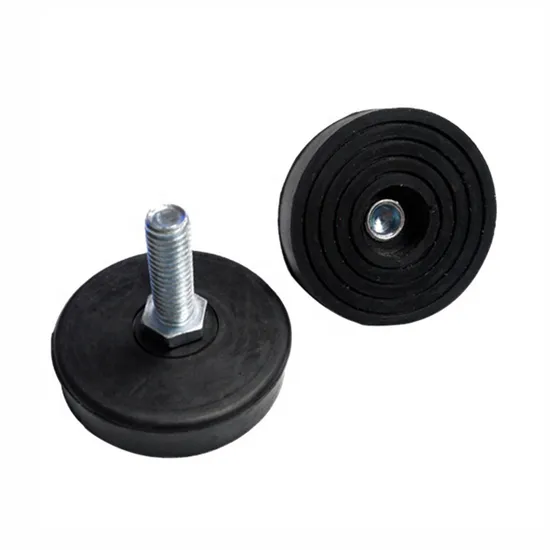
Suzhou Baoshida Trading Co., Ltd. operates at the forefront of precision rubber engineering, delivering OEM-grade rubber components for industrial applications. Our core competency in developing high-performance washer leveling feet is anchored in a dedicated team of five mold engineers and two specialized rubber formula engineers. This integrated technical team enables us to deliver fully customized, application-specific solutions with rigorous control over material behavior, dimensional accuracy, and long-term reliability.
Our mold engineering team specializes in the design and optimization of precision tooling for rubber compression and transfer molding processes. Each engineer brings extensive experience in geometric tolerance analysis, flow simulation, and cavity layout optimization, ensuring that every washer leveling foot meets exacting dimensional and functional requirements. Advanced CAD/CAM systems and rapid prototyping capabilities allow for accelerated development cycles, reducing time-to-market without compromising on quality. All molds are manufactured to ISO 9001 standards, with strict adherence to wear resistance, ejection efficiency, and cycle life performance.
Complementing our mold expertise are two in-house rubber formula engineers who focus exclusively on elastomer material science. They formulate custom rubber compounds tailored to specific load-bearing, compression set resistance, temperature stability, and chemical exposure conditions. By controlling the polymer base, filler systems, vulcanization agents, and aging inhibitors, we ensure that each washer leveling foot maintains structural integrity and sealing performance under dynamic mechanical stress. This proprietary formulation capability allows us to meet OEM specifications for hardness (Shore A 40–90), tensile strength, and elongation at break with exceptional consistency.
Our OEM service model is built on collaborative engineering. We work directly with clients to analyze load distribution, surface contact requirements, and environmental exposure, then co-develop a solution that integrates seamlessly into the final assembly. From initial concept to mass production, we maintain full traceability and process validation through statistical process control (SPC) and first-article inspection reports (FAIR).
The following table outlines typical technical specifications achievable for our washer leveling feet, based on standard and custom formulations:
| Parameter | Standard Range | Custom Capability |
|---|---|---|
| Material | NBR, EPDM, Silicone, NR, SBR | Fluorocarbon (FKM), HNBR, CR |
| Hardness (Shore A) | 50–80 | 40–90 |
| Operating Temperature | -30°C to +120°C | -50°C to +250°C (silicone/FKM) |
| Compression Set (70 hrs, 70°C) | ≤25% | ≤15% (optimized compounds) |
| Tensile Strength | 8–15 MPa | Up to 20 MPa |
| Elongation at Break | 200–450% | Up to 600% |
| Tolerance (ISO 2768-m) | ±0.1 to ±0.3 mm (depending on size) | Tighter tolerances on request |
This combination of mold precision, material science, and OEM collaboration positions Suzhou Baoshida as a trusted engineering partner for critical rubber components in industrial machinery, automation systems, and precision equipment.
Customization Process
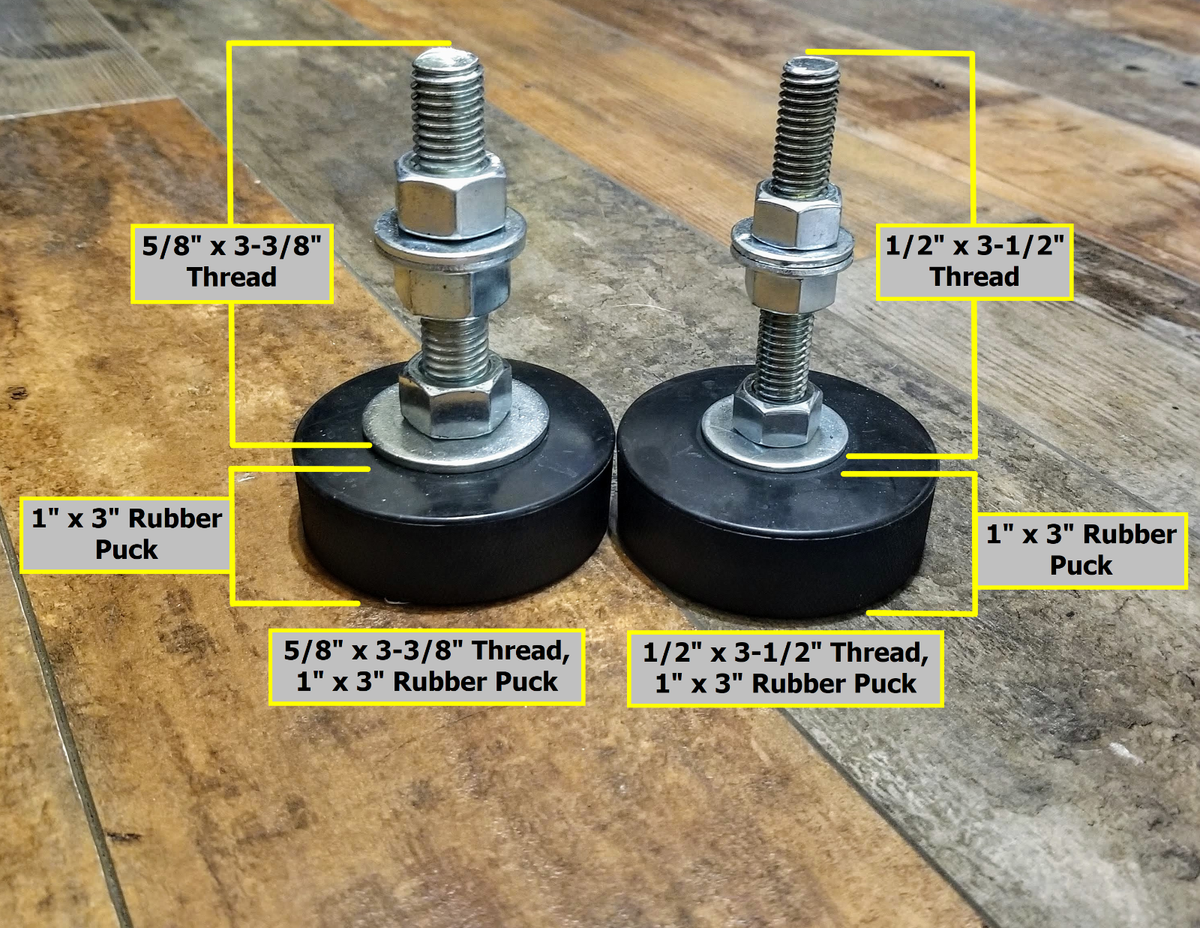
Customization Process for Precision Washer Leveling Feet
At Suzhou Baoshida Trading Co., Ltd., our customization process for washer leveling feet integrates rigorous engineering protocols to ensure dimensional stability, load-bearing precision, and environmental resilience. This four-phase workflow eliminates guesswork and accelerates time-to-market for industrial clients requiring vibration-dampening solutions in machinery, automation systems, and structural applications.
Drawing Analysis Phase
We initiate with a comprehensive GD&T (Geometric Dimensioning and Tolerancing) audit of client-provided technical drawings. Critical parameters include load distribution geometry, thread engagement depth, and surface finish requirements for mating components. Our engineers cross-reference ISO 2768-mK tolerances against application-specific stress simulations, identifying potential failure points such as edge thinning under cyclic compression. Material callouts are scrutinized for compatibility with operational environments—e.g., oil resistance for hydraulic systems or UV stability for outdoor equipment. This phase concludes with a formal feasibility report detailing required mold modifications and material constraints.
Formulation Development
Based on the drawing analysis, our rubber compounding team designs bespoke elastomer formulations. Standard compounds are inadequate for leveling feet due to dynamic load variability; thus, we prioritize controlled polymer chain architecture. For instance, nitrile butadiene rubber (NBR) formulations are tailored with precise acrylonitrile content (33–36%) to balance oil resistance and low-temperature flexibility. Critical additives include nano-silica reinforcement for compression set resistance (<15% per ASTM D395) and peroxide curing systems to minimize shrinkage. Each formulation undergoes Durometer stability testing across -40°C to +120°C ranges to prevent modulus drift under thermal cycling.
Prototyping and Validation
Prototypes are manufactured using production-intent tooling to capture real-world molding variables. We conduct three-tier validation:
First, dimensional verification via CMM (Coordinate Measuring Machine) against nominal tolerances (±0.05 mm).
Second, functional load testing to 150% of rated capacity (e.g., 500 kgf) with deflection measurement.
Third, accelerated aging per ASTM D573 to simulate 5-year service life. Failure analysis—such as identifying stress cracks at thread roots—triggers iterative compound adjustments. Clients receive a full test dossier including compression set, tensile strength, and dynamic stiffness coefficients before approval.
Mass Production Assurance
Approved designs transition to ISO 9001-certified production lines with automated shot-weight control and inline vulcametric monitoring. Every batch undergoes first-article inspection, with statistical process control tracking key metrics like Shore A hardness deviation (±2 points). We implement lot traceability via laser-etched batch codes and provide material certificates compliant with REACH and RoHS. Typical lead time from prototype sign-off to bulk shipment is 25 days for 50,000 units, with zero-defect delivery guaranteed through AQL 1.0 sampling.
Typical Washer Leveling Feet Material Specifications
| Property | Test Standard | Target Value |
|—————————|—————|——————–|
| Hardness (Shore A) | ASTM D2240 | 60 ± 5 |
| Tensile Strength | ASTM D412 | ≥12 MPa |
| Compression Set (22h/70°C)| ASTM D395 | ≤15% |
| Temperature Range | ISO 188 | -40°C to +120°C |
| Oil Resistance (IRMOG) | ASTM D471 | Volume swell ≤25% |
This structured approach ensures washer leveling feet maintain micron-level leveling accuracy under sustained loads while resisting degradation from industrial contaminants. Suzhou Baoshida’s engineering-led customization transforms client specifications into field-proven components with documented performance traceability.
Contact Engineering Team
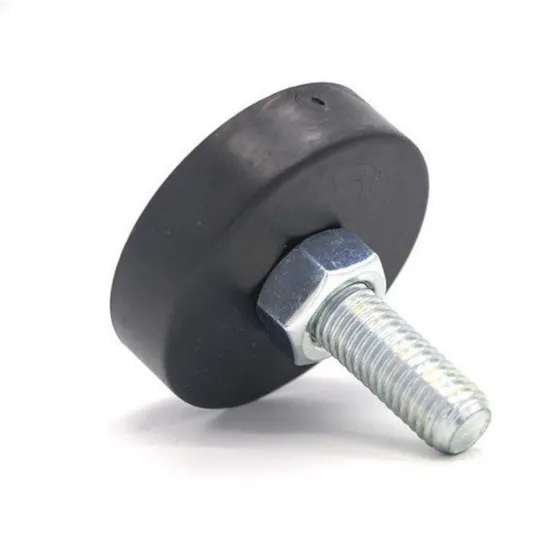
For industrial manufacturers seeking high-performance washer leveling feet and precision rubber seals, Suzhou Baoshida Trading Co., Ltd. delivers engineered solutions built for durability, consistency, and operational reliability. As a trusted OEM partner in the precision rubber components sector, we specialize in custom-formulated elastomeric products designed to meet the exact mechanical and environmental demands of modern appliances and industrial equipment. Our washer leveling feet are engineered to provide superior load distribution, vibration damping, and noise reduction, ensuring optimal performance across a wide range of household and commercial washing machines.
Every component we manufacture is developed using advanced rubber compounding techniques and precision molding processes. Our formulations are tailored to resist compression set, ozone exposure, temperature fluctuations, and long-term mechanical stress—critical factors in maintaining the integrity of leveling systems over the product lifecycle. Whether you require standard configurations or fully customized designs, our engineering team works closely with OEMs to optimize material selection, durometer hardness, and geometric tolerances to match your application requirements.
We understand that consistency in production and adherence to technical specifications are paramount in high-volume manufacturing. Suzhou Baoshida maintains strict quality control protocols in compliance with ISO standards, ensuring every batch of rubber leveling feet meets exact dimensional, mechanical, and performance criteria. Our production facilities are equipped for scalable output, supporting both prototyping and mass production with rapid turnaround times.
Below are representative technical specifications for our standard washer leveling feet. Custom configurations are available upon request.
| Property | Value | Test Method |
|---|---|---|
| Material | EPDM Rubber | ASTM D1418 |
| Hardness (Shore A) | 55 ± 5 | ASTM D2240 |
| Tensile Strength | ≥ 8.0 MPa | ASTM D412 |
| Elongation at Break | ≥ 250% | ASTM D412 |
| Compression Set (22 hrs @ 70°C) | ≤ 20% | ASTM D395 |
| Operating Temperature Range | -40°C to +120°C | Internal Testing |
| Color | Black (custom colors available) | Visual Comparison |
| Base Diameter | 30 mm (customizable) | Dimensional Inspection |
| Load Capacity (per foot) | Up to 150 kg | Application Testing |
Partnering with Suzhou Baoshida means gaining access to a responsive, technically driven team committed to solving complex sealing and damping challenges. We support global clients with full documentation, material certifications, and sample provisioning to accelerate your design and validation cycles.
For technical inquiries, custom development, or volume procurement of washer leveling feet and other precision rubber seals, contact Mr. Boyce directly at [email protected]. Our engineering and sales team is prepared to assist with material selection, CAD support, and compliance documentation to ensure seamless integration into your manufacturing workflow. Reach out today to discuss how we can enhance the performance and reliability of your next product generation.
⚖️ O-Ring Weight Calculator
Estimate rubber O-ring weight (Approx).