
Technical Contents
Engineering Guide: Washer Vibration Pads
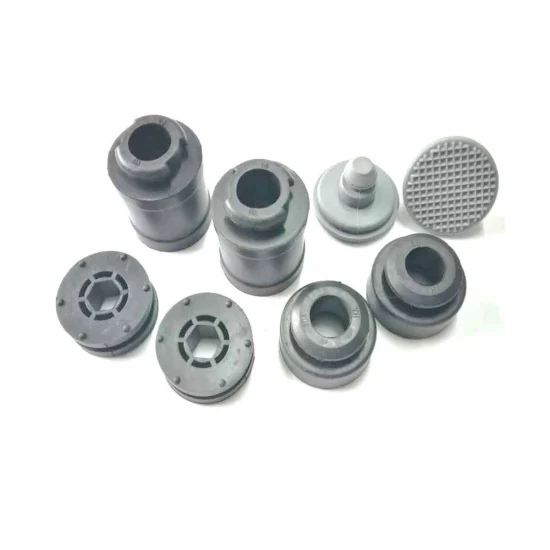
Engineering Insight: The Critical Role of Material Selection in Washer Vibration Pads
In precision industrial applications, washer vibration pads serve as essential components for dampening mechanical resonance, reducing noise transmission, and protecting sensitive equipment from structural fatigue. While often perceived as simple elastomeric spacers, their performance is fundamentally governed by the precision of material selection. Off-the-shelf solutions, though cost-attractive, frequently fail to meet the dynamic demands of real-world operating environments due to generalized formulations that overlook critical variables such as load profile, temperature range, chemical exposure, and frequency of vibration.
The failure of generic pads typically manifests through premature compression set, loss of damping efficiency, or chemical degradation. These issues arise because standard products are commonly manufactured using low-cost rubber compounds such as reclaimed SBR or unoptimized natural rubber blends. These materials lack the repeatability and stability required in high-cycle or extreme-condition applications. In contrast, engineered solutions leverage high-purity elastomers tailored to specific performance parameters. For instance, hydrogenated nitrile (HNBR) offers superior resistance to oil and heat, making it ideal for industrial washing equipment with frequent solvent exposure. Similarly, silicone rubber provides stable performance across extreme temperature ranges (-60°C to +200°C), while maintaining consistent damping characteristics.
Equally important is the durometer (hardness) profile and dynamic modulus of the material. A pad that is too soft may bottom out under load, losing its damping capability, while one that is too rigid transmits vibration rather than absorbing it. Precision formulation allows for graded hardness zones and composite layering, enabling multi-directional energy dissipation. Moreover, long-term compression set resistance ensures that the pad maintains its original thickness and load-bearing capacity over thousands of cycles—critical for maintaining seal integrity and alignment in automated machinery.
At Suzhou Baoshida Trading Co., Ltd., our approach integrates OEM application data with advanced material science to deliver custom-formulated washer vibration pads. We prioritize elastomer purity, reinforcing filler dispersion, and curing kinetics to ensure dimensional stability and performance longevity. This precision engineering mitigates the risk of unplanned downtime and reduces total cost of ownership, despite higher initial material costs.
The following table outlines key material options and their performance attributes for industrial washer vibration pads:
| Material | Hardness Range (Shore A) | Temp Range (°C) | Fluid Resistance | Compression Set (%) @ 70°C/22h | Damping Efficiency (Tan δ) |
|---|---|---|---|---|---|
| HNBR | 60–80 | -40 to +150 | Excellent | ≤15 | 0.18–0.25 |
| Silicone | 50–70 | -60 to +200 | Good | ≤20 | 0.10–0.15 |
| EPDM | 55–75 | -50 to +130 | Very Good | ≤18 | 0.16–0.22 |
| Neoprene | 60–85 | -40 to +100 | Moderate | ≤25 | 0.14–0.20 |
| Natural Rubber | 40–70 | -20 to +70 | Poor | ≤30 | 0.25–0.35 |
Material selection is not a commodity decision—it is a core engineering parameter. By moving beyond off-the-shelf compromises, OEMs can achieve significant gains in equipment reliability and operational efficiency.
Material Specifications
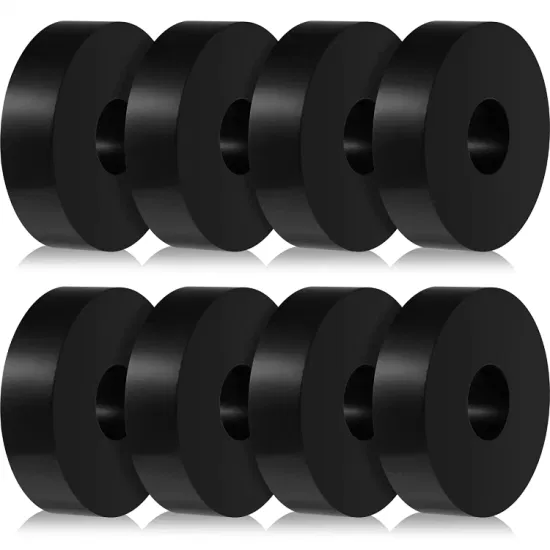
Material Specifications for Precision Washer Vibration Pads
Selecting the optimal elastomer for washer vibration pads is critical for ensuring long-term performance in dynamic industrial environments. At Suzhou Baoshida Trading Co., Ltd., we engineer precision rubber seals with stringent attention to material properties that directly impact damping efficiency, fatigue resistance, and environmental compatibility. Our core formulations for washer vibration pads leverage three advanced elastomers: Viton (FKM), Nitrile (NBR), and Silicone (VMQ). Each material offers distinct advantages based on operational parameters such as temperature extremes, chemical exposure, and mechanical stress. Understanding these specifications prevents premature failure in critical applications including automotive powertrains, industrial machinery, and HVAC systems.
Viton (FKM) is specified for extreme-condition scenarios demanding exceptional resistance to high temperatures and aggressive chemicals. Its fluorocarbon backbone provides stability against oils, fuels, and acids up to 230°C continuous service. This material maintains seal integrity in aerospace and chemical processing equipment where NBR or Silicone would degrade rapidly. However, Viton exhibits higher compression set at elevated temperatures and carries a premium cost, making it unsuitable for budget-sensitive, low-stress applications.
Nitrile (NBR) remains the industry standard for cost-effective oil and fuel resistance in moderate-temperature environments. With a balanced profile of abrasion resistance, tensile strength, and resilience, NBR performs reliably between -40°C and +120°C. It is ideal for automotive engine mounts and hydraulic systems exposed to hydrocarbon-based fluids. Limitations include poor ozone resistance and stiffening below -40°C, necessitating careful evaluation in outdoor or cryogenic settings.
Silicone (VMQ) delivers unmatched flexibility across extreme temperature ranges from -60°C to +200°C, with short-term excursions to 250°C. Its inert composition ensures biocompatibility and resistance to UV/ozone degradation, making it suitable for medical devices and outdoor electronics. Silicone’s low resilience and susceptibility to tear under high dynamic loads restrict its use in high-amplitude vibration scenarios unless reinforced with specialized fillers.
The comparative specifications below guide material selection based on quantifiable engineering criteria:
| Material | Hardness Range (Shore A) | Temperature Range (°C) | Key Fluid Resistance | Compression Set (22 hrs, 150°C) | Tensile Strength (MPa) | Dynamic Resilience |
|---|---|---|---|---|---|---|
| Viton (FKM) | 60–90 | -20 to +230 | Fuels, Acids, Oils | ≤25% | 8–15 | Moderate |
| Nitrile (NBR) | 40–90 | -40 to +120 | Oils, Hydraulic Fluids | ≤30% | 10–20 | High |
| Silicone (VMQ) | 30–80 | -60 to +200 | Water, Alcohols, Ozone | ≤20% | 5–12 | Low to Moderate |
Material choice must align with the specific stress profile of the application. For instance, NBR’s superior dynamic resilience makes it optimal for high-frequency engine vibrations, while Viton’s thermal stability is non-negotiable in exhaust system isolators. Silicone excels where thermal cycling dominates but requires design compensation for lower mechanical strength. Suzhou Baoshida’s OEM engineering team validates all formulations per ASTM D2000 standards, ensuring repeatability in compression deflection and fatigue life. Consult our technical department to match material science to your operational demands, avoiding costly mismatches in vibration control performance.
Manufacturing Capabilities
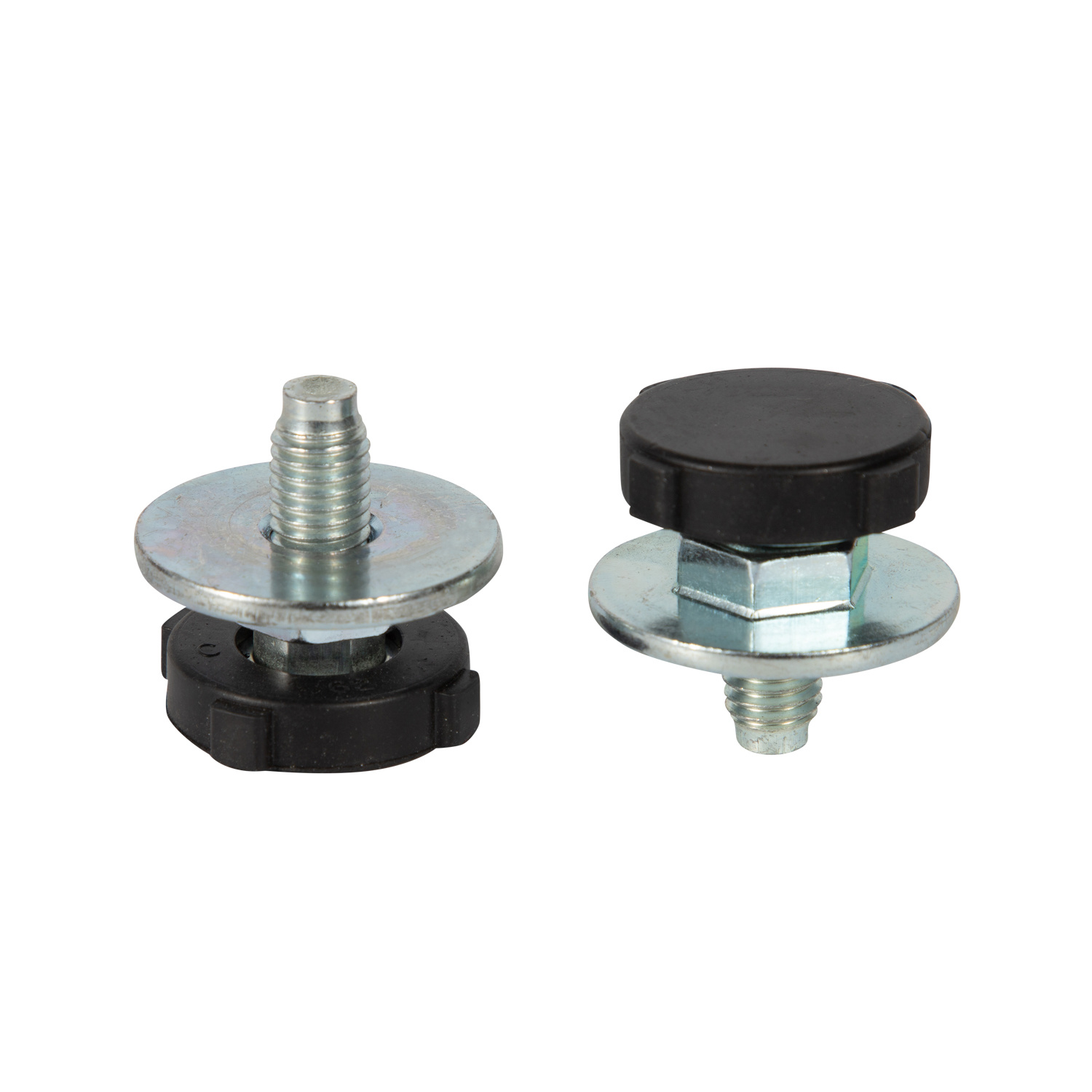
Engineering Capability
At Suzhou Baoshida Trading Co., Ltd., our engineering foundation is built on deep technical expertise in rubber formulation and precision mold design, specifically tailored for high-performance washer vibration pads. Our team comprises five dedicated mold engineers and two specialized rubber formula engineers, enabling full in-house control from concept to final production. This integrated capability ensures rapid prototyping, consistent quality, and optimized performance for demanding industrial applications.
Our mold engineers utilize advanced CAD/CAM software, including SolidWorks and AutoCAD, to develop precision steel and aluminum molds with tight tolerances down to ±0.05 mm. Each mold is designed for durability, cycle efficiency, and dimensional stability, supporting both low-volume prototyping and high-volume manufacturing. Finite element analysis (FEA) is routinely applied to simulate stress distribution and deformation under load, ensuring optimal pad geometry for vibration isolation and load-bearing requirements. This proactive design validation reduces trial iterations and accelerates time-to-market for custom OEM solutions.
Complementing mold design is our proprietary rubber formulation expertise. Our two formula engineers hold advanced degrees in polymer science and have over 15 combined years of experience in elastomer development. They specialize in compounding nitrile (NBR), ethylene propylene diene monomer (EPDM), and silicone (VMQ) to meet specific performance criteria such as temperature resistance, oil resistance, compression set, and dynamic damping. Each formulation is tested under controlled laboratory conditions for hardness (Shore A), tensile strength, elongation at break, and resilience, ensuring compliance with international standards including ASTM D2000 and ISO 3302.
We maintain a fully equipped rubber testing lab on-site, allowing real-time feedback between formulation adjustments and performance validation. This closed-loop development process is critical for achieving consistent material behavior across production batches, especially for OEMs requiring long-term supply reliability.
Our OEM capabilities extend beyond manufacturing to include collaborative design support, material selection guidance, and full documentation packages (including DFMEA, control plans, and PPAP submissions). Clients benefit from a single-source partner that manages both material science and tooling engineering under one roof, eliminating interface risks and streamlining product development.
The following table outlines key technical specifications achievable for washer vibration pads:
| Parameter | Typical Range / Value | Test Standard |
|---|---|---|
| Hardness (Shore A) | 40–90 | ASTM D2240 |
| Tensile Strength | 8–20 MPa | ASTM D412 |
| Elongation at Break | 200–600% | ASTM D412 |
| Compression Set (24h, 70°C) | ≤25% | ASTM D395 |
| Temperature Range | -40°C to +150°C (NBR/EPDM) | ISO 1817 |
| Tolerance (Dimensional) | ±0.05 mm to ±0.2 mm | ISO 3302 |
| Damping Coefficient | 0.05–0.15 (adjustable via compound) | Internal Testing |
This combination of engineering depth, material science rigor, and OEM-focused service positions Suzhou Baoshida as a trusted partner for precision rubber solutions in automation, automotive, and industrial equipment sectors.
Customization Process
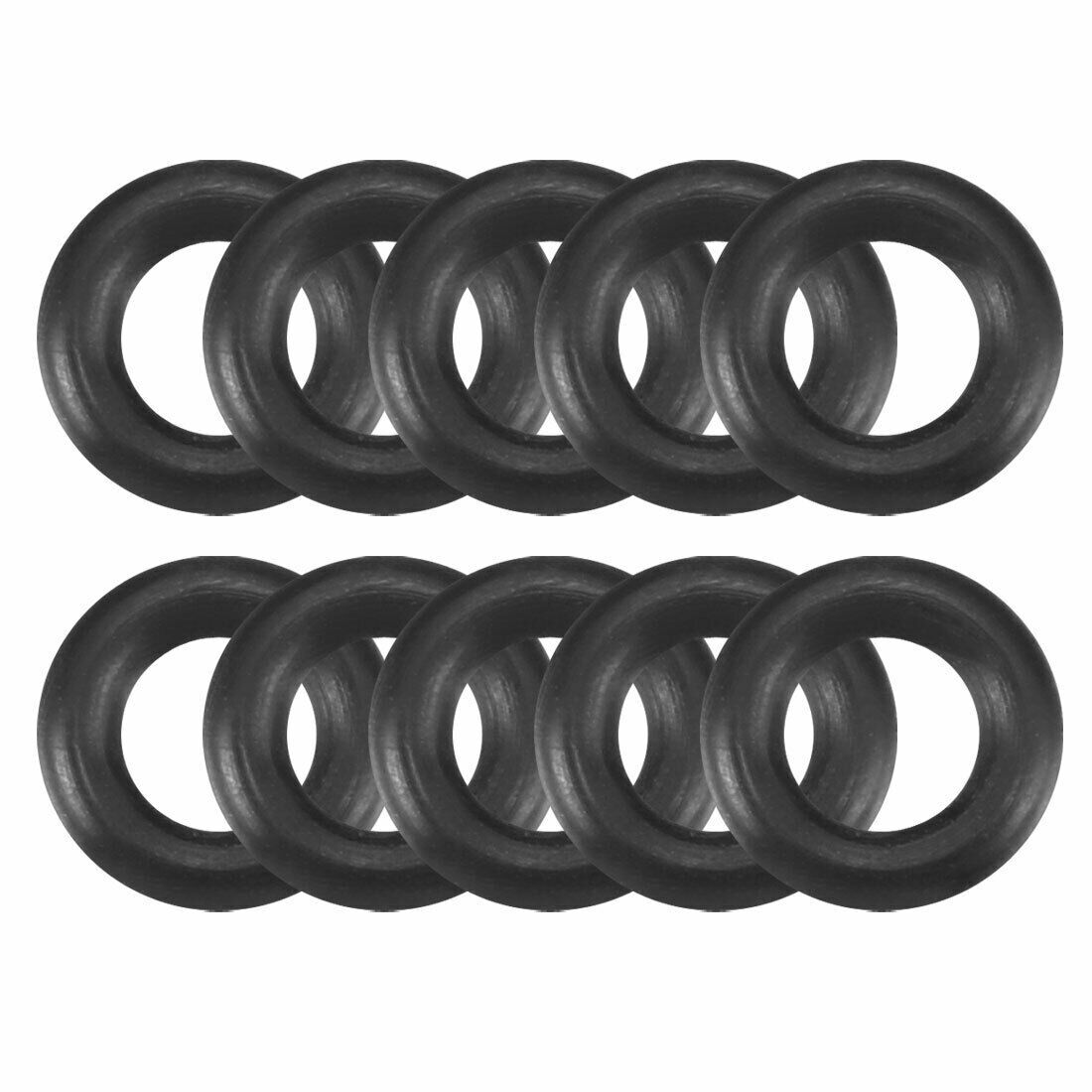
Customization Process for Precision Washer Vibration Pads
At Suzhou Baoshida Trading Co., Ltd., our customization process for washer vibration pads begins with rigorous drawing analysis. Our engineering team dissects client-provided technical schematics, focusing on geometric tolerances per ISO 2768, load distribution requirements, and dynamic stress points. We validate dimensional accuracy against operational parameters such as vibration frequency (5–200 Hz), compression deflection (10–40%), and environmental exposure. Finite element analysis (FEA) simulations predict material behavior under cyclic loading, ensuring the design mitigates resonance risks in critical applications like industrial pumps or HVAC systems. Non-conformities are resolved via collaborative CAD revisions before proceeding.
Material formulation follows stringent performance criteria. Our rubber compounding laboratory selects base polymers—NBR for oil resistance, EPDM for ozone stability, or silicone for extreme temperatures—tailoring additives to achieve precise viscoelastic properties. Key considerations include Shore A hardness (50–80), compression set (<25% per ASTM D395), and damping coefficient (0.15–0.35). Accelerated aging tests at 100°C for 72 hours verify longevity, while dynamic mechanical analysis (DMA) quantifies energy dissipation across -40°C to 150°C ranges. This phase ensures the compound absorbs vibrational energy without premature fatigue, directly impacting equipment lifespan.
Prototyping employs CNC-machined molds for rapid validation. Each prototype batch undergoes ISO 1817 fluid resistance testing and ASTM D2240 hardness verification. We conduct real-world simulations using servo-hydraulic shakers to measure transmissibility ratios at target frequencies. Clients receive test reports detailing hysteresis loops, resonance shifts, and thermal stability. Iterations address micro-defects like edge tearing or inconsistent durometer, typically requiring 2–3 cycles for aerospace or medical OEM approvals.
Mass production integrates statistical process control (SPC) with 100% visual inspection via automated optical systems. Each lot includes traceable material certificates (RoHS/REACH compliant) and batch-specific mechanical test data. We maintain ±0.1 mm dimensional tolerances through in-mold pressure sensors and real-time cure monitoring. Final pads undergo 100% dynamic balancing checks on calibrated test rigs, ensuring <5% variance in damping performance. This closed-loop system guarantees consistency for high-volume OEM deployments, from automotive engine mounts to semiconductor manufacturing stages.
Material Specifications for Washer Vibration Pads
| Material Type | Hardness Range (Shore A) | Temperature Range (°C) | Compression Set (% max) | Key Applications |
|---|---|---|---|---|
| Nitrile (NBR) | 60–75 | -30 to +120 | 20 | Hydraulic systems, fuel handling |
| EPDM | 50–80 | -50 to +150 | 25 | Outdoor HVAC, solar trackers |
| Silicone | 55–70 | -60 to +200 | 15 | Medical devices, aerospace |
| Neoprene | 65–80 | -40 to +100 | 18 | Marine equipment, generators |
| Polyurethane | 70–85 | -20 to +90 | 12 | High-load industrial machinery |
This end-to-end workflow—anchored in material science and precision manufacturing—delivers washer vibration pads that suppress structural noise while extending asset reliability. Suzhou Baoshida’s OEM partnerships thrive on this repeatable, data-driven methodology.
Contact Engineering Team
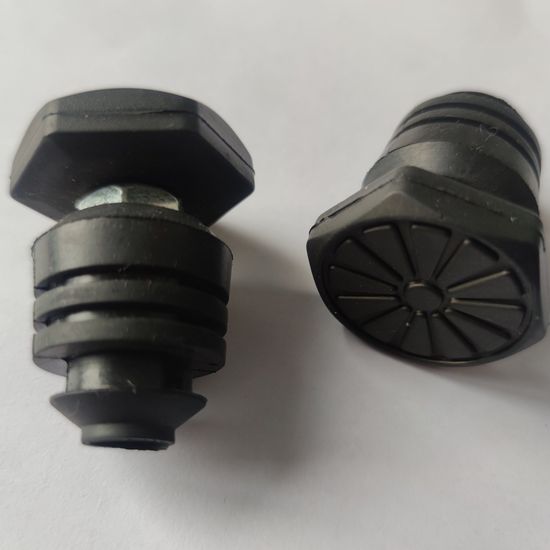
For engineered solutions in industrial rubber components, Suzhou Baoshida Trading Co., Ltd. stands as a trusted partner in the precision manufacturing of high-performance sealing and damping products. As specialists in rubber formulation and OEM production, we deliver mission-critical components to global markets, with a focused expertise in washer vibration pads designed for durability, consistency, and operational reliability under dynamic load conditions. Our engineering team applies material science principles to tailor elastomeric compounds that meet exact mechanical, thermal, and environmental requirements across automotive, machinery, HVAC, and industrial equipment sectors.
Washer vibration pads produced by Suzhou Baoshida are formulated using advanced NBR, EPDM, and silicone rubber systems, optimized for compression set resistance, dynamic damping, and long-term resilience. Each component undergoes stringent quality control in accordance with ISO 9001 standards, ensuring dimensional accuracy and performance repeatability batch after batch. Whether you require standard configurations or custom-engineered profiles, our technical team collaborates directly with OEMs to refine material selection, hardness, thickness, and bonding methods to match your assembly specifications.
To support seamless integration into high-volume production lines, we offer comprehensive documentation packages including material certifications, test reports, and process validation data. Our manufacturing infrastructure supports low to high-volume runs with rapid tooling deployment and scalable molding capabilities—enabling fast time-to-market without compromising on quality.
For technical inquiries, material recommendations, or custom development projects, we invite you to contact Mr. Boyce, OEM Account Manager at Suzhou Baoshida Trading Co., Ltd. With over 12 years of experience in rubber application engineering and client technical support, Mr. Boyce serves as the primary liaison between design teams and production execution. He ensures that every project receives a scientifically grounded response, backed by material testing and real-world performance data.
Reach out via email at [email protected] to initiate a technical consultation, request samples, or discuss volume supply agreements. We respond to all inquiries within 12 business hours and are equipped to provide bilingual (English/Chinese) technical documentation and engineering support.
Below are representative specifications for our standard washer vibration pad series. All parameters are adjustable based on application demands.
| Property | Test Method | Value (Typical) |
|---|---|---|
| Material | — | NBR / EPDM / Silicone |
| Hardness (Shore A) | ASTM D2240 | 50–80 ±5 |
| Tensile Strength | ASTM D412 | ≥8.5 MPa |
| Elongation at Break | ASTM D412 | ≥250% |
| Compression Set (22 hrs, 70°C) | ASTM D395 | ≤25% |
| Operating Temperature Range | — | -30°C to +120°C (NBR) |
| Dimensional Tolerance | ISO 3302 | Class M2–M3 |
| Damping Coefficient (Tan δ) | ISO 4664 | 0.18–0.32 @ 20°C |
Partner with Suzhou Baoshida for technically validated rubber solutions engineered at the molecular level. Contact Mr. Boyce today to advance your next design iteration with precision-formulated washer vibration pads.
⚖️ O-Ring Weight Calculator
Estimate rubber O-ring weight (Approx).