
Technical Contents
Engineering Guide: Water Bottle Rubber Seals
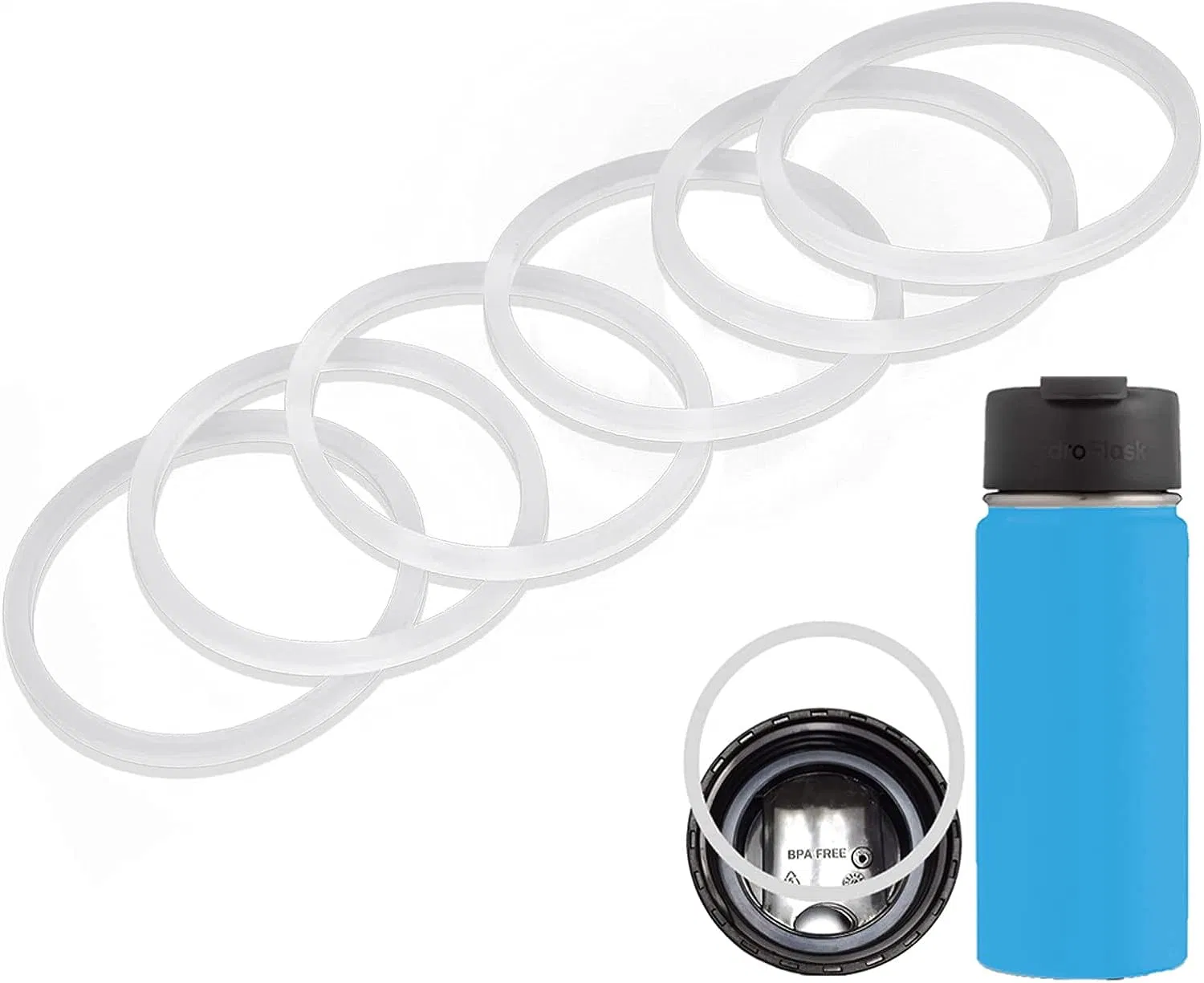
Engineering Insight: The Critical Role of Material Selection in Water Bottle Rubber Seals
In the precision-driven domain of consumer goods manufacturing, water bottle rubber seals represent a small component with disproportionately high functional significance. These seals are not merely passive components; they are engineered interfaces responsible for maintaining leak integrity, ensuring user safety, and preserving product longevity under dynamic mechanical and environmental conditions. Despite their modest size, improper material selection can lead to catastrophic field failures, including leakage, odor development, and even compliance violations. This underscores why off-the-shelf rubber solutions frequently underperform in high-demand applications.
Standard elastomers such as generic silicone or low-grade EPDM are often selected for cost efficiency and immediate availability. However, these materials lack the tailored performance characteristics required for rigorous use cases. For example, repeated thermal cycling—common during hot filling, sterilization, or outdoor exposure—can induce compression set in substandard silicones, leading to permanent deformation and seal failure. Likewise, exposure to acidic or alkaline beverages can degrade non-resistant elastomers, resulting in swelling, cracking, or extractables that compromise beverage safety.
At Suzhou Baoshida Trading Co., Ltd., we emphasize application-specific elastomer engineering. Our approach begins with a comprehensive analysis of operational parameters: temperature range, media compatibility, mechanical stress, and regulatory requirements. For water bottles intended for hot-fill applications, we recommend high-purity, platinum-cured silicone with enhanced thermal stability. For carbonated beverage containers requiring high burst resistance, we utilize fluorosilicone blends offering superior resistance to hydrocarbons and oxidation.
Another critical factor is compression set performance. A seal must maintain elastic recovery after prolonged compression—often over months of storage. Off-the-shelf seals commonly exhibit >20% compression set after 70 hours at 150°C, whereas engineered solutions from Baoshida consistently achieve <10% under the same conditions. This difference directly correlates with long-term leak prevention and user satisfaction.
Furthermore, regulatory compliance cannot be an afterthought. Materials must meet FDA 21 CFR 177.2600 for food contact, EU 1935/2004, and where applicable, NSF/ANSI 61. Generic seals often lack full traceability or fail extractables testing, creating liability risks for OEMs.
The following table summarizes key performance metrics across common elastomer types used in water bottle seals:
| Material | Temperature Range (°C) | Compression Set (22 hrs, 150°C) | Media Resistance | FDA Compliant | Typical Use Case |
|---|---|---|---|---|---|
| Standard Silicone | -50 to 200 | 18–25% | Good (water, mild acids) | Often partial | Low-cost reusable bottles |
| Platinum-Cured Silicone | -60 to 230 | <10% | Excellent | Full compliance | Premium hot-fill bottles |
| EPDM | -40 to 150 | 15–20% | Moderate (poor with oils) | Conditional | Non-carbonated beverages |
| Fluorosilicone | -20 to 200 | 12–18% | Superior (hydrocarbons, alcohols) | Available | Carbonated/sports drinks |
Material selection is not a commodity decision—it is a precision engineering imperative. At Baoshida, we partner with OEMs to develop seals that meet exact functional and regulatory demands, avoiding the hidden costs of premature failure.
Material Specifications

Material Specifications for Water Bottle Rubber Seals
Selecting the optimal elastomer for water bottle seals demands rigorous evaluation of chemical exposure, temperature extremes, and regulatory compliance. At Suzhou Baoshida Trading Co., Ltd., our OEM-engineered seals prioritize long-term sealing integrity under cyclic hydration, intermittent UV exposure, and repeated mechanical stress. Viton, Nitrile, and Silicone represent our core formulations, each engineered for specific performance thresholds in consumer and industrial hydration systems.
Viton (FKM) excels in high-temperature applications exceeding 150°C, such as thermal carafes or steam-sterilized containers. Its fluorocarbon backbone provides exceptional resistance to oxidation, ozone, and non-polar chemicals like oils or alcohols occasionally encountered in flavored beverages. However, Viton exhibits higher compression set at elevated temperatures compared to alternatives and carries a premium cost. Its limited flexibility below -20°C restricts use in sub-zero environments.
Nitrile (NBR) remains the cost-optimized solution for ambient-temperature water bottles, offering robust resistance to aliphatic hydrocarbons and moderate water absorption. With a functional range of -30°C to 100°C, it withstands daily handling stresses while maintaining low gas permeability. Critical limitations include vulnerability to ketones, esters, and prolonged hot water exposure above 80°C, which accelerates hydrolysis and hardening. NBR formulations require stringent plasticizer retention control to prevent seal shrinkage.
Silicone (VMQ) dominates food-contact applications requiring biocompatibility and extreme temperature resilience. Our platinum-cured grades achieve -60°C to 200°C stability with negligible extractables, meeting FDA 21 CFR 177.2600 and EU 10/2011 standards. Superior resistance to aqueous solutions, steam, and microbial growth makes it ideal for reusable bottles subjected to dishwasher cycles. Trade-offs include higher gas permeability than NBR and susceptibility to tearing under high mechanical loads without reinforcement.
The following comparative analysis details critical performance parameters for water bottle seal applications:
| Material Property | Viton (FKM) | Nitrile (NBR) | Silicone (VMQ) |
|---|---|---|---|
| Temperature Range (°C) | -20 to 230 | -30 to 100 | -60 to 200 |
| Water Resistance | Excellent | Good | Exceptional |
| Compression Set (22h/150°C) | 25-35% | 15-25% | 10-20% |
| Food Compliance | FDA Optional | Limited Grades | Full FDA/EU |
| Key Limitation | Low Temp Flex | Hot Water Aging | Tear Strength |
Suzhou Baoshida’s OEM process tailors polymer formulations to client specifications, adjusting durometer (typically 40-70 Shore A), filler systems, and cure chemistry. For instance, peroxide-cured Silicone variants enhance steam resistance, while hydrogenated NBR (HNBR) extends hot water durability. All compounds undergo ASTM D2000 validation for tensile strength, elongation, and fluid immersion testing per ISO 1817. Material selection must align with the bottle’s lifecycle requirements—Viton for thermal extremes, NBR for economy in cold-fill systems, and Silicone for premium reusable vessels demanding regulatory compliance and longevity. Our engineering team provides full material traceability and batch-specific certification to ensure consistent seal performance across high-volume production runs.
Manufacturing Capabilities

Engineering Capability in Precision Rubber Sealing for Water Bottle Applications
At Suzhou Baoshida Trading Co., Ltd., our engineering expertise in rubber formulation and mold design forms the foundation of our leadership in manufacturing high-performance water bottle rubber seals. With a dedicated team of five certified mold engineers and two specialized rubber formulation engineers, we integrate material science with precision tooling to deliver sealing solutions that meet stringent functional, regulatory, and durability requirements.
Our formulation engineers possess advanced knowledge in elastomer chemistry, focusing on optimizing compound performance for applications involving repeated compression, temperature fluctuation, and prolonged contact with aqueous media. We develop custom rubber formulations primarily based on silicone (VMQ), ethylene propylene diene monomer (EPDM), and nitrile rubber (NBR), tailored to meet specific customer demands for compression set resistance, tensile strength, and extractables. All formulations are engineered to comply with food contact regulations, including FDA 21 CFR 177.2600 and EU 1935/2004, ensuring safety and regulatory compliance for consumer water bottle use.
The mold engineering team leverages CAD/CAM software and precision CNC machining to design and produce high-tolerance molds with tight dimensional control. Our in-house tooling capability enables rapid prototyping, design validation, and seamless transition to mass production. Each mold is optimized for consistent material flow, minimal flash, and extended service life—critical for maintaining seal integrity across millions of cycles. We specialize in multi-cavity molds for high-volume OEM runs, as well as insert molding techniques for hybrid seals integrating metal or plastic components.
Our OEM service model is built on collaborative engineering. From initial concept to final validation, we work closely with clients to define performance parameters, conduct material testing, and refine designs through iterative prototyping. This co-engineering approach ensures that every seal is optimized for the specific bottle neck geometry, closure mechanism, and user experience requirements—such as ease of opening, leak prevention, and resealability.
We maintain full traceability throughout the development and production process, supported by documented design failure mode and effects analysis (DFMEA), process capability studies (Cp/Cpk), and comprehensive material certification. This systematic engineering discipline enables us to support global brands in achieving consistent quality and reliability across diverse markets.
The following table outlines typical material and performance specifications for our standard water bottle seal formulations:
| Property | Silicone (VMQ) | EPDM | NBR |
|---|---|---|---|
| Hardness (Shore A) | 40–80 | 50–70 | 55–75 |
| Tensile Strength (MPa) | ≥7.0 | ≥8.5 | ≥10.0 |
| Elongation at Break (%) | ≥250 | ≥200 | ≥220 |
| Compression Set (70°C, 22h) | ≤20% | ≤25% | ≤30% |
| Temperature Range (°C) | -60 to +200 | -50 to +150 | -30 to +120 |
| FDA Compliant | Yes | Yes | Conditional |
| Water Resistance | Excellent | Excellent | Good |
Through the synergy of advanced rubber chemistry and precision mold engineering, Suzhou Baoshida delivers technically superior seals that enhance product performance and consumer trust in water bottle systems worldwide.
Customization Process
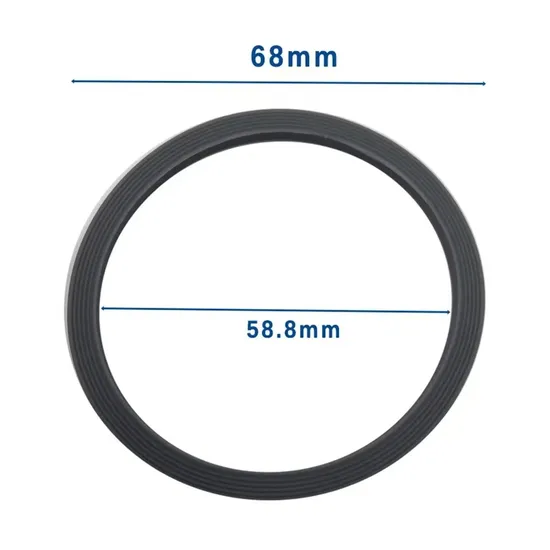
Customization Process for Precision Water Bottle Rubber Seals
At Suzhou Baoshida Trading Co., Ltd., our customization process for water bottle rubber seals integrates material science with precision manufacturing to ensure leak-proof performance and regulatory compliance. This structured workflow guarantees seals meet exact client specifications while adhering to global food safety standards such as FDA 21 CFR 177.2600 and EU Regulation 10/2011.
Drawing Analysis Phase
Initial engagement begins with rigorous technical drawing review. Our engineering team validates dimensional tolerances, surface finish requirements, and geometric compatibility with the bottle assembly. Critical parameters like groove dimensions, compression set limits, and interference fits are cross-referenced against ISO 3302-1:2014 tolerance classes. We identify potential stress concentration points and material deformation risks, providing actionable feedback to optimize seal functionality before formulation.
Formulation Development
Based on drawing insights, our rubber compounding laboratory designs bespoke elastomer formulations. Material selection prioritizes NSF/ANSI 61 certification and resistance to water oxidation, UV exposure, and repeated sterilization cycles. Key formulation variables include polymer base (e.g., silicone, EPDM, or FKM), filler ratios for compression set control, and non-toxic accelerators. Below are typical specifications for water bottle seals:
| Property | Standard Range | Test Method |
|---|---|---|
| Hardness (Shore A) | 40–70 ±5 | ASTM D2240 |
| Tensile Strength | ≥7.0 MPa | ASTM D412 |
| Compression Set (22h/70°C) | ≤25% | ASTM D395 |
| Temperature Resistance | -40°C to +150°C | ISO 188 |
| Extractables (Water, 70°C) | <0.5% by weight | FDA 21 CFR 177.2600 |
Prototyping and Validation
Pre-production prototypes undergo multi-stage validation. Dimensional accuracy is verified via CMM (Coordinate Measuring Machine) against client CAD models. Functional testing includes burst pressure trials (min. 1.5x operating pressure), cyclic compression fatigue (10,000+ cycles), and real-world extraction tests per FDA protocols. Seal integrity is assessed under thermal shock conditions (-20°C to 80°C) to simulate consumer usage. Client approval requires ≤0.1% failure rate across 500 test units.
Mass Production Execution
Upon prototype sign-off, we transition to automated mass production in ISO 9001-certified facilities. All batches implement real-time SPC (Statistical Process Control) monitoring of injection molding parameters: temperature uniformity (±2°C), cure time precision (±0.5s), and flash control (<0.1mm). Each lot undergoes 100% visual inspection and抽样 testing per AQL 1.0 standards. Traceability is maintained via laser-etched batch codes, with full documentation including raw material certificates and third-party compliance reports.
This end-to-end process ensures Suzhou Baoshida delivers water bottle seals with zero field failures, supporting OEMs in achieving sustainable, high-integrity packaging solutions. Our engineering oversight from concept to量产 eliminates supply chain risks while meeting stringent global safety mandates.
Contact Engineering Team

For manufacturers and OEMs seeking high-performance water bottle rubber seals, Suzhou Baoshida Trading Co., Ltd. delivers precision-engineered sealing solutions tailored to demanding industrial and consumer applications. Our expertise in rubber formulation and compression molding ensures consistent quality, exceptional durability, and leak-proof performance across a wide range of environmental conditions. Whether you require seals for reusable sports bottles, insulated containers, or medical-grade hydration systems, our technical team is equipped to support your design and production needs.
At Suzhou Baoshida, we specialize in custom rubber seals made from food-grade silicone, EPDM, and NBR compounds, all compliant with FDA, LFGB, and RoHS standards. Our manufacturing process integrates rigorous quality control, from raw material inspection to final dimensional verification, guaranteeing seals that meet exacting tolerances and long-term resilience. We serve global clients in the consumer goods, outdoor equipment, and healthcare sectors, providing scalable production with rapid turnaround and competitive pricing.
Partnering with us means direct access to an experienced engineering team focused on material science and sealing dynamics. We conduct comprehensive testing for compression set, tensile strength, and temperature resistance to ensure each seal performs reliably under real-world conditions. Our in-house tooling facility allows for fast prototyping and mold modifications, reducing time-to-market for new product introductions.
To optimize performance and regulatory compliance, we recommend early collaboration during the product development phase. Our engineers can assist in material selection, seal geometry design, and tolerance analysis to prevent common failure modes such as extrusion, swelling, or compression fatigue. This proactive approach minimizes costly redesigns and ensures seamless integration into your assembly process.
Below are typical specifications for our standard water bottle rubber seal offerings. Custom configurations are available upon request.
| Property | Silicone | EPDM | NBR |
|---|---|---|---|
| Hardness Range (Shore A) | 40–80 | 50–80 | 50–90 |
| Temperature Resistance | -60°C to +230°C | -50°C to +150°C | -30°C to +120°C |
| Tensile Strength (MPa) | ≥6.0 | ≥7.5 | ≥10.0 |
| Elongation at Break (%) | ≥250 | ≥200 | ≥250 |
| Compression Set (70 hrs @ 150°C) | ≤20% | ≤25% | ≤30% |
| Food Contact Compliance | FDA 21 CFR 177.2600, LFGB | Compliant with EU 10/2011 | Compliant with EU 10/2011 |
| Typical Applications | Reusable bottles, baby products | Outdoor gear, insulated containers | High-pressure squeeze bottles |
For technical inquiries, sample requests, or volume quotations, contact Mr. Boyce, OEM Account Manager at Suzhou Baoshida Trading Co., Ltd. Mr. Boyce brings over 12 years of experience in rubber component sourcing and international supply chain coordination, ensuring your project receives expert guidance from concept to delivery. He is available to discuss material certifications, production capacity, and logistics support for global distribution.
Reach out today to optimize your water bottle sealing performance with engineered rubber solutions built for reliability and regulatory compliance. Contact Mr. Boyce directly at [email protected] to schedule a technical consultation.
⚖️ O-Ring Weight Calculator
Estimate rubber O-ring weight (Approx).