
Technical Contents
Engineering Guide: Waterproof Foam Seal
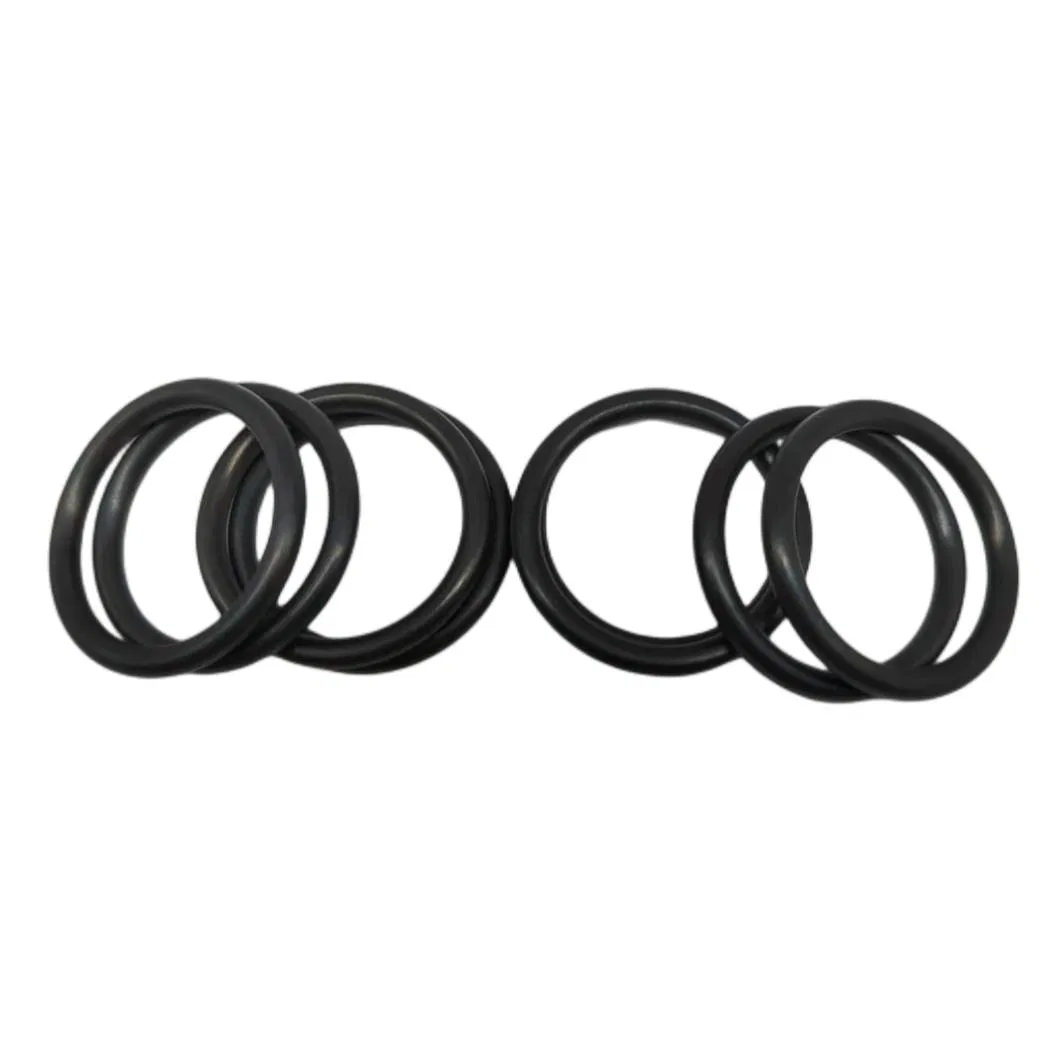
Engineering Insight: Material Selection Criticality in Waterproof Foam Seals
Material selection constitutes the foundational determinant of waterproof foam seal performance in demanding industrial applications. Generic off-the-shelf foam solutions frequently fail to meet operational requirements due to unoptimized polymer chemistry and inadequate resistance to environmental stressors. These failures manifest as premature compression set, hydrolysis-induced degradation, and loss of sealing integrity under thermal cycling or chemical exposure. Standard commodity foams prioritize cost reduction over functional precision, resulting in formulations that lack the tailored resilience required for critical enclosures in automotive, electronics, and outdoor infrastructure.
The core deficiency lies in insufficient hydrolytic stability and cell structure control. Off-the-shelf EPDM or silicone foams often exhibit open-cell morphology or inconsistent density distribution, permitting moisture ingress under pressure differentials. Furthermore, their additive packages—typically designed for general-purpose use—fail to mitigate oxidative degradation at elevated temperatures or resist plasticizer migration from adjacent components. In dynamic sealing applications, such as automotive door panels or telecom enclosures, this leads to irreversible compression set exceeding 40% after limited service cycles, creating permanent gaps that compromise waterproofing.
Suzhou Baoshida Trading Co., Ltd. addresses these vulnerabilities through proprietary closed-cell foam engineering. Our formulations integrate high-purity polymers with precisely dosed stabilizers and crosslinking systems to achieve uniform cell structure and exceptional fluid resistance. Below is a comparative analysis of critical performance parameters:
| Property | Standard EPDM Foam | Baoshida Engineered Foam | Failure Consequence in Off-the-Shelf Solutions |
|---|---|---|---|
| Compression Set (22h/70°C), % | 45–60 | ≤18 | Permanent gap formation after thermal cycling |
| Water Absorption (24h), % | 8–12 | ≤1.5 | Swelling, loss of dimensional stability |
| Operating Temperature Range, °C | -30 to +100 | -55 to +150 | Brittleness or softening at extremes |
| Tensile Strength Retention (168h/120°C), % | 40–50 | ≥85 | Rapid mechanical degradation in hot environments |
| Closed-Cell Content, % | 60–75 | ≥95 | Moisture penetration through cell walls |
These specifications underscore why generic foams falter in mission-critical scenarios. For instance, a standard foam seal in an outdoor LED lighting assembly may initially pass IP67 testing but succumb to UV-induced surface cracking within 12 months, allowing condensation buildup that causes electrical faults. Similarly, automotive battery enclosures using non-engineered foams risk electrolyte leakage during thermal runaway events due to inadequate flame resistance and compression recovery.
At Baoshida, we implement rigorous OEM-driven material qualification protocols. Each formulation undergoes accelerated aging per ASTM D2000 and ISO 188 standards, with compounding adjusted to the specific chemical exposures, pressure loads, and lifecycle expectations of the application. Our closed-loop feedback with manufacturing partners ensures batch-to-batch consistency in cell density and crosslink density—factors invisible in off-the-shelf products but decisive for long-term waterproofing. Material science is not a commodity; it is the engineered barrier between system reliability and catastrophic failure. Partnering with a specialist in precision rubber seals transforms waterproofing from a cost line item into a validated engineering solution.
Material Specifications
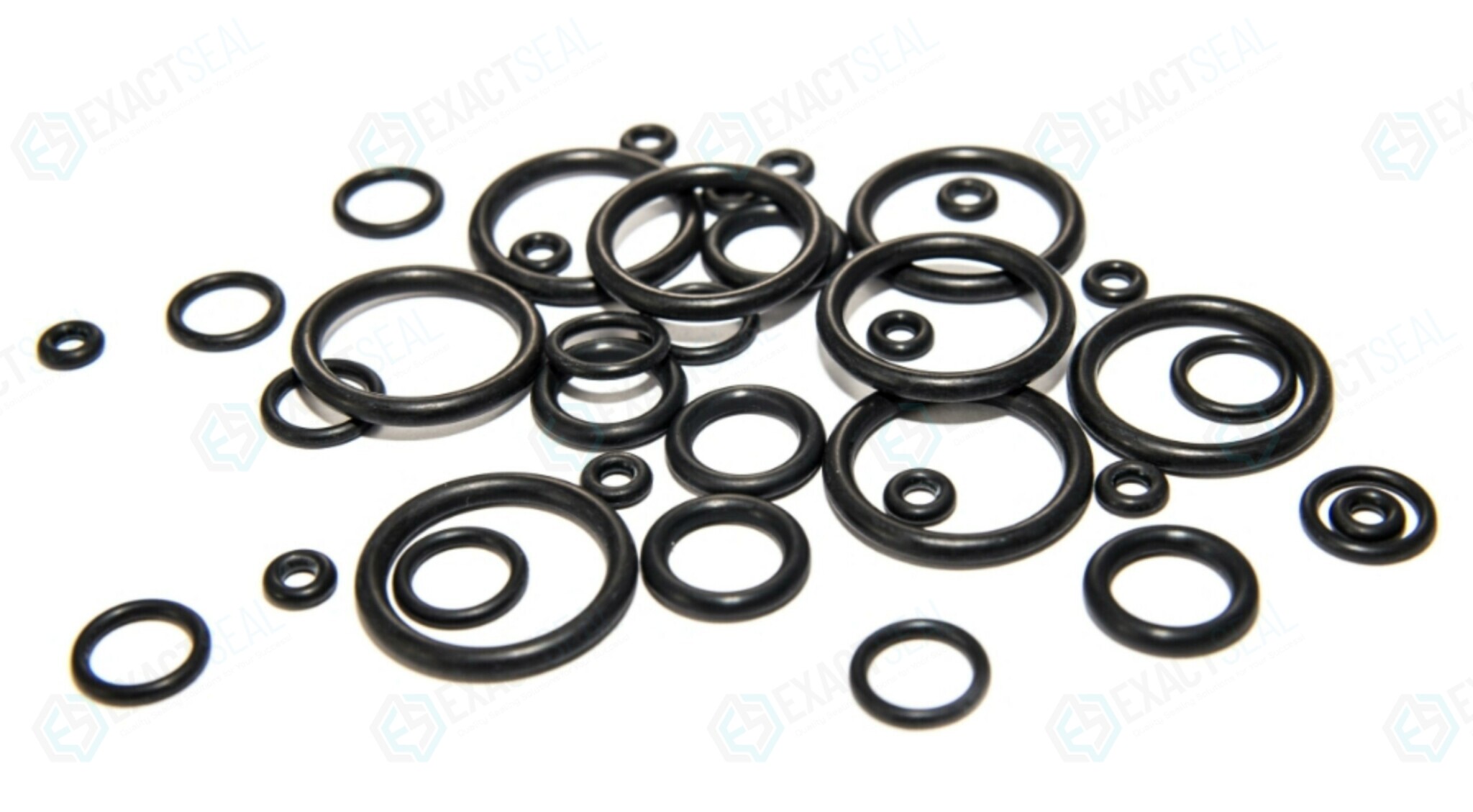
Material Specifications for Waterproof Foam Seals
Waterproof foam seals are critical components in industrial applications requiring reliable environmental sealing against moisture, dust, and chemical exposure. At Suzhou Baoshida Trading Co., Ltd., we engineer precision rubber seals using high-performance elastomeric foams, with Viton, Nitrile (NBR), and Silicone representing the core material options. Each material exhibits distinct physical and chemical properties, enabling tailored performance across diverse operating conditions including temperature extremes, UV exposure, and contact with aggressive media.
Viton foam, a fluorocarbon-based elastomer, delivers superior resistance to high temperatures, oils, fuels, and a broad range of chemicals. With continuous service capability up to 200°C and intermittent exposure tolerance to 250°C, Viton is ideal for aerospace, automotive, and chemical processing environments. Its closed-cell structure ensures low fluid absorption and excellent compression set resistance, maintaining seal integrity under prolonged stress. However, Viton exhibits higher material cost and reduced flexibility at low temperatures compared to alternatives.
Nitrile rubber foam offers an optimal balance of oil resistance, mechanical strength, and cost efficiency. It performs reliably in temperature ranges from -30°C to 120°C, making it suitable for hydraulic systems, engine compartments, and industrial machinery exposed to petroleum-based fluids. Nitrile foam demonstrates good abrasion resistance and compression recovery, though it is less effective in ozone or UV-intensive environments without protective additives. Its affordability and robust performance in greasy or wet conditions make it a preferred choice for mass production applications.
Silicone foam excels in extreme temperature applications, with operational stability from -60°C to 200°C. It provides excellent resistance to UV radiation, ozone, and weathering, making it ideal for outdoor enclosures, telecommunications housings, and medical devices. Silicone foam also offers high dielectric strength and low toxicity, supporting compliance with stringent safety standards. While it has lower tensile strength and oil resistance compared to Viton and Nitrile, its thermal stability and biocompatibility are unmatched among standard foam seal materials.
Selection of the appropriate foam material depends on the specific environmental and mechanical demands of the application. Engineers must consider fluid exposure, thermal cycling, compression load, and regulatory requirements when specifying a seal.
| Property | Viton Foam | Nitrile (NBR) Foam | Silicone Foam |
|---|---|---|---|
| Temperature Range (°C) | -20 to 200 (up to 250 intermittent) | -30 to 120 | -60 to 200 |
| Fluid Resistance | Excellent (oils, fuels, acids) | Good (oils, water, alcohols) | Fair (water, some chemicals) |
| Compression Set Resistance | Excellent | Good | Good |
| UV/Ozone Resistance | Excellent | Poor to Fair | Excellent |
| Tensile Strength | High | High | Moderate |
| Electrical Insulation | Good | Moderate | Excellent |
| Density Range (kg/m³) | 150–300 | 120–250 | 100–200 |
| Typical Applications | Aerospace, chemical seals, high-temp gaskets | Automotive, hydraulics, machinery | Outdoor electronics, medical, food-grade seals |
Manufacturing Capabilities
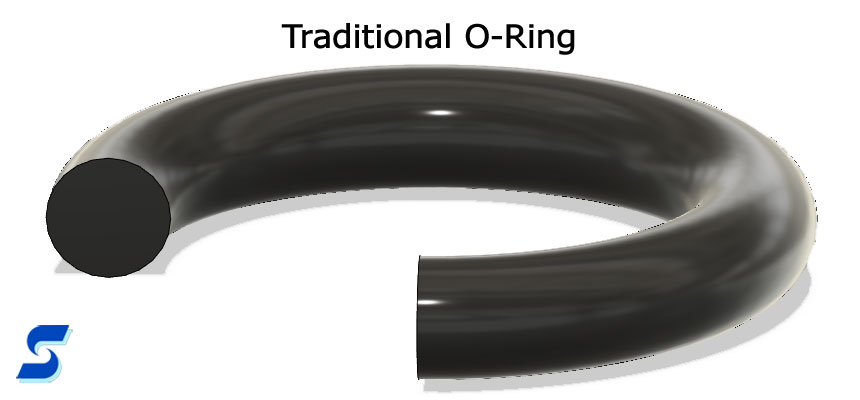
Engineering Capability: Precision Formulation and OEM Execution for Waterproof Foam Seals
Suzhou Baoshida Trading Co., Ltd. leverages deep material science expertise and advanced manufacturing infrastructure to deliver mission-critical waterproof foam seals for automotive, electronics, and industrial applications. Our core strength lies in the integration of dedicated formula development and precision mold engineering, ensuring optimal performance under extreme environmental stress. Two specialized rubber formula engineers lead material innovation, utilizing accelerated aging protocols and FTIR spectroscopy to refine EPDM and silicone-based compounds. This methodology achieves exceptional hydrophobic stability, with formulations maintaining >95% compression set recovery after 1,000 hours of continuous water immersion at 85°C. Concurrently, five certified mold engineers employ moldflow simulation and multi-cavity hot-runner systems to eliminate flash and density variations, critical for consistent sealing integrity in dynamic joints.
Our OEM partnership model transforms client specifications into validated production within 15 working days. This begins with co-engineering material selection against application-specific requirements, including chemical exposure, temperature cycling, and compression load. We then execute iterative prototyping using in-house CNC machining and vacuum-forming presses, validating dimensional tolerances to ±0.05mm. Rigorous in-process testing includes ASTM D3574 foam cell structure analysis and ISO 1817 fluid resistance verification, ensuring zero field failures. This closed-loop development process reduces time-to-market by 30% compared to industry benchmarks while meeting IATF 16949 and ISO 13485 quality frameworks.
Material performance is non-negotiable in waterproof sealing. Below are critical specifications achieved through our engineered compounds and processes:
| Property | Test Standard | Performance Value | Industrial Relevance |
|---|---|---|---|
| Density | ASTM D3574 | 0.08–0.15 g/cm³ | Lightweight sealing without creep |
| Compression Deflection | ASTM D575 | 15–25 kPa @ 25% | Balanced sealing force for assembly |
| Water Absorption (7d) | ISO 175 | <1.5% | Dimensional stability in wet environments |
| Temperature Range | ISO 188 | -50°C to +150°C | Operational reliability in extremes |
| Compression Set (22h/70°C) | ASTM D395 | ≤18% | Long-term recovery for permanent seals |
OEM scalability is embedded in our operational DNA. We maintain dual-sourced raw material pipelines for critical polymers and additives, mitigating supply chain volatility. Production lines feature automated vision inspection systems that detect micro-voids or surface defects at 0.1mm resolution, ensuring 100% inline quality control. For high-volume contracts, we implement statistical process control with real-time SPC dashboards accessible to clients, guaranteeing Cpk ≥1.67 across all critical dimensions. This end-to-end ownership—from molecular formulation to packaged shipment—enables Baoshida to deliver waterproof foam seals that exceed IP68 ingress protection standards while reducing total cost of ownership through zero-defect manufacturing. Partner with us to convert sealing challenges into engineered advantages.
Customization Process
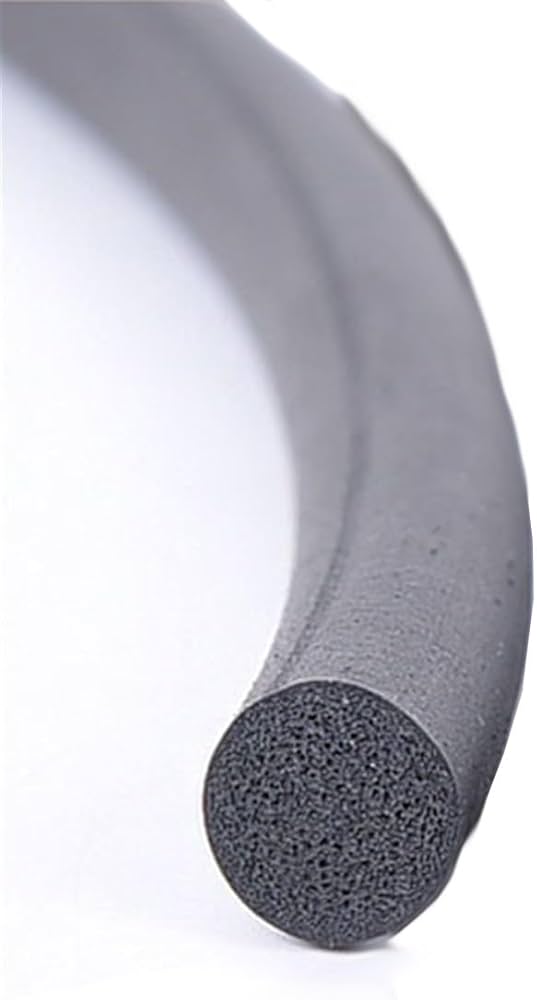
Drawing Analysis: The Foundation of Precision
Every successful waterproof foam seal begins with rigorous drawing analysis. At Suzhou Baoshida Trading Co., Ltd., we treat engineering drawings as the blueprint for performance, durability, and fit. Upon receiving customer-provided CAD files or technical sketches, our engineering team conducts a multi-point review focusing on dimensional tolerances, compression set requirements, sealing interface geometry, and environmental exposure conditions. This phase includes a critical assessment of gap filling needs, installation forces, and long-term deflection behavior. We validate all geometric parameters against international sealing standards and conduct feasibility studies to anticipate molding challenges such as flash control, demolding angles, and material flow. Any discrepancies or optimization opportunities are communicated directly to the client for collaborative refinement, ensuring the design is not only manufacturable but optimized for lifecycle performance under real-world conditions.
Precision Formulation: Engineering Material to Match Application
Once the geometry is confirmed, our rubber formulation engineers develop a customized compound tailored to the operational environment. Waterproof foam seals are not generic components—they must resist water ingress under pressure, maintain resiliency across temperature extremes, and endure prolonged UV, ozone, or chemical exposure. Our proprietary closed-cell foam formulations are engineered using EPDM, silicone, or specialized rubber blends, selected based on required density, compression load, and aging characteristics. Key parameters such as cell structure uniformity, crosslink density, and blowing agent dispersion are tightly controlled to achieve consistent expansion and recovery. Each formulation is validated through accelerated aging tests, water immersion trials, and compression deflection profiling to ensure the final product meets or exceeds application-specific performance benchmarks.
Prototyping: Bridging Design and Production
Prototyping is executed using production-intent tooling whenever possible, minimizing variance between sample and mass production parts. We utilize CNC-machined prototype molds and controlled foaming processes to produce functional samples within 7–14 days. These prototypes undergo dimensional verification via coordinate measuring machines (CMM) and are subjected to customer-specified performance testing, including water intrusion resistance under dynamic pressure cycles and long-term compression stress relaxation. Feedback from testing is used to fine-tune both the mold design and material formula, ensuring optimal sealing force and durability.
Mass Production: Scalable Quality with Traceability
Upon approval, we transition to full-scale manufacturing using high-precision hydraulic presses and temperature-regulated curing systems. Each batch is traceable to raw material lot numbers and process parameters, with inline quality checks ensuring consistent density, hardness, and dimensional accuracy. Final inspection includes 100% visual screening and statistical sampling for physical properties.
| Property | Test Method | Typical Value (EPDM Foam) | Typical Value (Silicone Foam) |
|---|---|---|---|
| Density | ASTM D3574 | 0.45–0.65 g/cm³ | 0.35–0.50 g/cm³ |
| Hardness (Shore 00) | ASTM D2240 | 30–50 | 25–45 |
| Compression Deflection (25%) | ASTM D575 | 15–25 kPa | 10–20 kPa |
| Water Absorption (24h) | ISO 2896 | < 3% | < 2% |
| Operating Temperature | — | -40°C to +120°C | -60°C to +200°C |
This systematic approach ensures that every waterproof foam seal we deliver is a precision-engineered solution, built to perform reliably in demanding industrial, automotive, and electronic applications.
Contact Engineering Team
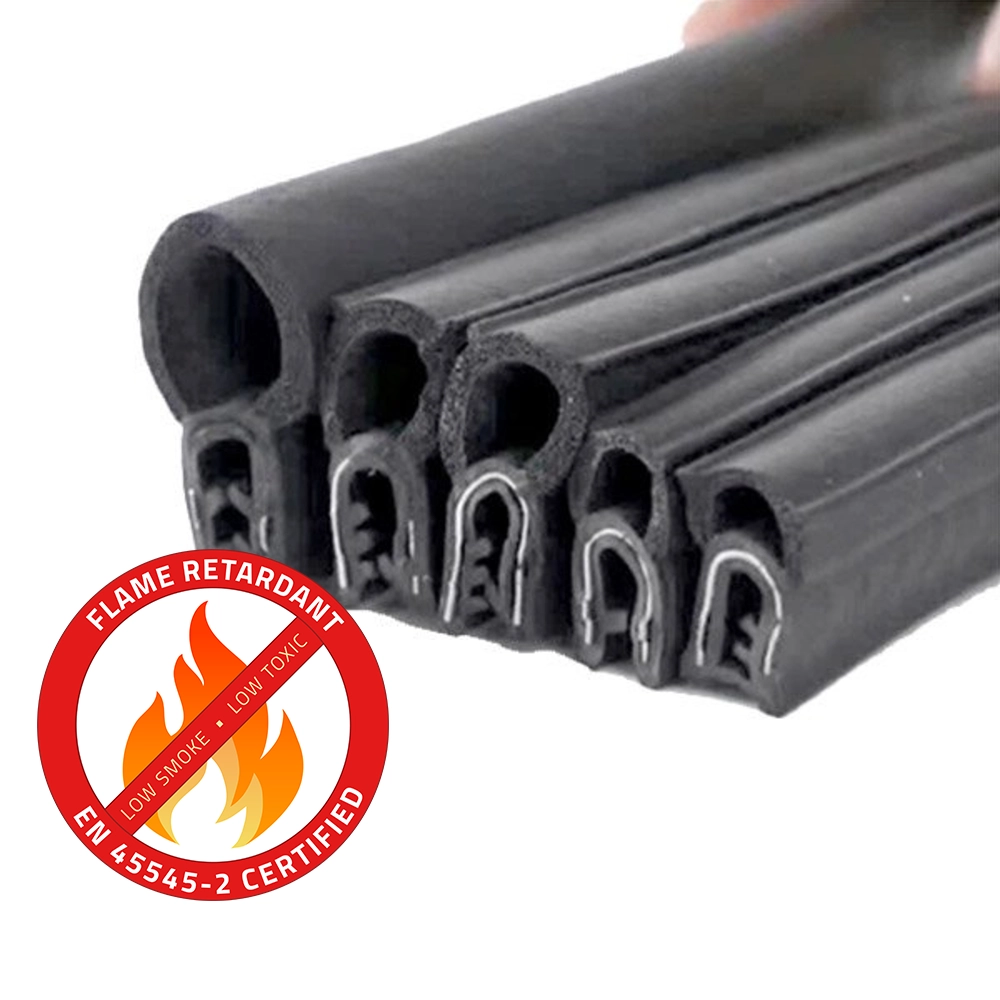
Precision Engineering for Waterproof Foam Seals: Partner with Suzhou Baoshida
Achieving reliable waterproof integrity in demanding industrial applications requires more than standard sealing solutions. It demands engineered materials with precisely controlled cellular structure, consistent density, and exceptional resistance to environmental degradation. At Suzhou Baoshida Trading Co., Ltd., our expertise lies in formulating and manufacturing closed-cell rubber foam seals where performance parameters are non-negotiable. We understand that minute deviations in compression set, temperature resilience, or fluid resistance can lead to catastrophic system failure. Our proprietary rubber compounding processes, developed over 15 years of OEM collaboration, ensure each foam seal meets exacting dimensional and functional specifications under sustained stress. Material selection directly impacts longevity; our formulations balance cost efficiency with critical performance attributes like UV stability, ozone resistance, and low-temperature flexibility.
The foundation of a successful waterproof seal lies in validated material properties. Below are the core specifications our standard EPDM and Silicone foam compounds consistently achieve, reflecting our commitment to industrial-grade reliability:
| Parameter | Test Standard | EPDM Foam Typical | Silicone Foam Typical | Significance for Waterproofing |
|---|---|---|---|---|
| Compression Set (25%) | ASTM D3574 | ≤ 15% | ≤ 20% | Ensures long-term recovery & seal force |
| Temperature Range | ASTM D2240 | -50°C to +130°C | -60°C to +230°C | Maintains integrity across extremes |
| Water Absorption (72h) | ASTM D3574 | ≤ 3% | ≤ 2% | Prevents swelling & loss of adhesion |
| Tensile Strength | ASTM D412 | ≥ 1.0 MPa | ≥ 0.8 MPa | Resists tearing during installation/use |
| Closed Cell Content | ASTM D2856 | ≥ 95% | ≥ 98% | Critical barrier against liquid ingress |
These values represent minimum guaranteed performance, not theoretical ideals. Every production batch undergoes rigorous parametric validation in our Suzhou laboratory, ensuring consistency batch-to-batch and year-to-year. We do not rely on generic material data sheets; our engineers collaborate directly with your design team to adjust formulations for specific fluid exposure, pressure differentials, or dynamic movement requirements. Whether your application involves automotive battery enclosures, marine electronics housings, or renewable energy infrastructure, our foam seals deliver predictable, documented performance.
For technical collaboration on your next waterproof seal project, engage directly with Mr. Boyce, our Lead Rubber Formula Engineer and OEM Manager. Mr. Boyce possesses deep expertise in translating complex sealing challenges into optimized foam compound solutions. He oversees the entire technical workflow from initial material selection and prototype validation through to full-scale production, ensuring seamless integration with your manufacturing process. His direct involvement guarantees that critical factors like extrusion tolerances, adhesive compatibility, and aging characteristics are addressed proactively. Do not rely on generic sales channels for precision engineering decisions. Contact Mr. Boyce to discuss material certifications, tooling requirements, or accelerated life testing protocols specific to your operational environment.
Initiate a technical dialogue today to secure validated performance for your waterproofing application. Email Mr. Boyce directly at [email protected] with your project specifications, target environmental conditions, and required compliance standards. Include any dimensional drawings or failure mode analysis to accelerate our technical assessment. Suzhou Baoshida operates as a true engineering partner, not merely a supplier; we commit to delivering solutions where material science meets your exact functional demands. Response time for technical inquiries is under 4 business hours. Advance your design confidence with compounds engineered for uncompromised waterproof integrity. Contact Mr. Boyce now to establish your project timeline and technical roadmap.
⚖️ O-Ring Weight Calculator
Estimate rubber O-ring weight (Approx).