
Technical Contents
Engineering Guide: Waterproof Rubber Sheet
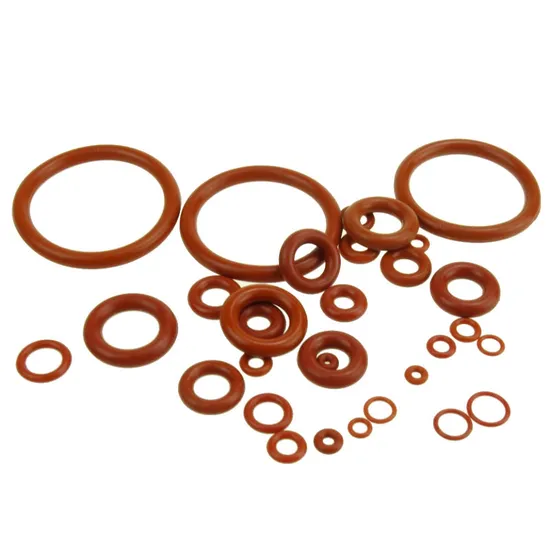
Engineering Insight: The Critical Role of Material Selection in Waterproof Rubber Sheets
In industrial applications, the performance of a waterproof rubber sheet is not solely determined by its thickness or density—it hinges fundamentally on the precision of material selection. Off-the-shelf rubber products are often marketed as universal solutions, but they frequently fail under real-world operational stresses due to mismatched chemical, thermal, and mechanical properties. At Suzhou Baoshida Trading Co., Ltd., we emphasize engineered compatibility over generic availability, ensuring that each waterproof rubber sheet is tailored to the specific environmental and functional demands of the application.
Waterproofing in industrial environments involves more than moisture resistance. It requires sustained integrity under exposure to oils, ozone, UV radiation, temperature extremes, and dynamic mechanical loads. A material that performs adequately in a dry warehouse may degrade rapidly in a chemical processing plant or offshore installation. For example, natural rubber (NR) offers excellent elasticity and tensile strength but exhibits poor resistance to ozone and petroleum-based fluids, making it unsuitable for outdoor or industrial fluid-handling applications. Conversely, EPDM rubber excels in weather and steam resistance but swells excessively in contact with hydrocarbons.
The failure of off-the-shelf solutions often stems from a one-size-fits-all approach. These products are typically optimized for cost and availability, not longevity or performance under stress. In contrast, engineered material selection begins with a comprehensive analysis of service conditions: temperature range, media exposure, compression requirements, and expected service life. This methodology enables the selection of polymers such as nitrile (NBR) for oil resistance, silicone (VMQ) for extreme temperatures, or chloroprene (CR) for balanced chemical and weather resistance.
Material formulation also plays a critical role. Additives such as plasticizers, stabilizers, and reinforcing fillers must be precisely balanced to maintain flexibility, durability, and impermeability over time. Poorly formulated compounds may crack, harden, or leach components when exposed to operational stressors, compromising the waterproof barrier.
Below is a comparative analysis of common rubber materials used in industrial waterproof sheets:
| Material | Temperature Range (°C) | Water Resistance | Oil Resistance | Ozone Resistance | Typical Applications |
|---|---|---|---|---|---|
| EPDM | -50 to +150 | Excellent | Poor | Excellent | Roofing, HVAC, outdoor seals |
| NBR | -30 to +120 | Good | Excellent | Fair | Hydraulic systems, fuel gaskets |
| CR | -40 to +100 | Good | Moderate | Good | Marine seals, electrical enclosures |
| VMQ | -60 to +200 | Excellent | Poor | Excellent | Aerospace, high-temp seals |
| NR | -50 to +70 | Fair | Poor | Poor | General-purpose gaskets |
At Suzhou Baoshida Trading Co., Ltd., we partner with OEMs and industrial designers to move beyond generic solutions. By aligning material science with application engineering, we deliver waterproof rubber sheets that perform reliably under exacting conditions—reducing downtime, minimizing replacement costs, and ensuring long-term system integrity.
Material Specifications
Material Specifications for Industrial Waterproof Rubber Sheets
Selecting the optimal elastomer for waterproof rubber sheet applications requires rigorous evaluation of chemical composition, physical properties, and environmental resilience. At Suzhou Baoshida Trading Co., Ltd., we prioritize precision-engineered formulations that ensure long-term impermeability under operational stress. Viton (FKM), Nitrile (NBR), and Silicone (VMQ) represent three critical material families, each exhibiting distinct performance profiles in moisture barrier integrity, thermal stability, and chemical compatibility. Material choice directly impacts service life in demanding industrial contexts such as automotive sealing, chemical processing equipment, and marine gasketing.
Viton fluorocarbon rubber delivers exceptional resistance to aggressive chemicals, fuels, and high temperatures, making it ideal for aerospace and petrochemical applications where exposure to oils, acids, and solvents is prevalent. Its saturated hydrocarbon backbone minimizes swelling in non-polar media, maintaining structural integrity up to 230°C. Nitrile butadiene rubber provides cost-effective performance in oil and fuel environments, with acrylonitrile content (typically 34–50%) dictating resistance levels. NBR sheets excel in hydraulic systems and automotive fuel handling but exhibit limited ozone and weathering resistance above 100°C. Silicone rubber offers unparalleled flexibility across extreme temperatures (-60°C to 200°C) and superior resistance to UV degradation and steam, though it demonstrates moderate tensile strength and susceptibility to撕裂 in high-abrasion scenarios. Its hydrophobic molecular structure ensures reliable waterproofing in medical devices and outdoor electronics enclosures.
Critical specifications for each material are quantified below per ASTM D2000 and ISO 37 standards. Shore A hardness, tensile strength, elongation, and fluid resistance metrics define functional boundaries for waterproofing efficacy.
| Material | Shore A Hardness Range | Temperature Range (°C) | Key Fluid Resistances | Critical Limitations |
|---|---|---|---|---|
| Viton (FKM) | 60–90 | -20 to +230 | Fuels, oils, acids, solvents, steam | Poor resistance to ketones, esters; high material cost |
| Nitrile (NBR) | 50–90 | -40 to +120 | Aliphatic hydrocarbons, water, hydraulic fluids | Limited ozone/weathering resistance; degrades in polar solvents |
| Silicone (VMQ) | 30–80 | -60 to +200 | Water, steam, alcohols, weak acids | Low abrasion resistance; permeable to gases; moderate tensile strength |
These parameters must align with application-specific stressors. For instance, NBR’s 15–25% volume swell in ASTM No. 3 oil necessitates thickness compensation in dynamic seals, while Viton’s minimal 5–10% swell enables thinner profiles in space-constrained systems. Silicone’s 200–800% elongation supports flexible joint designs but requires reinforcement for high-pressure water ingress prevention. Suzhou Baoshida validates all sheet formulations through accelerated aging tests per ISO 188 and fluid immersion protocols to guarantee compliance with OEM waterproofing mandates. Material selection transcends baseline specifications—it demands holistic analysis of operational chemistry, thermal cycling, and mechanical loading to prevent premature failure. Our technical team collaborates with clients to translate these material science principles into engineered solutions that exceed industry durability benchmarks.
Manufacturing Capabilities
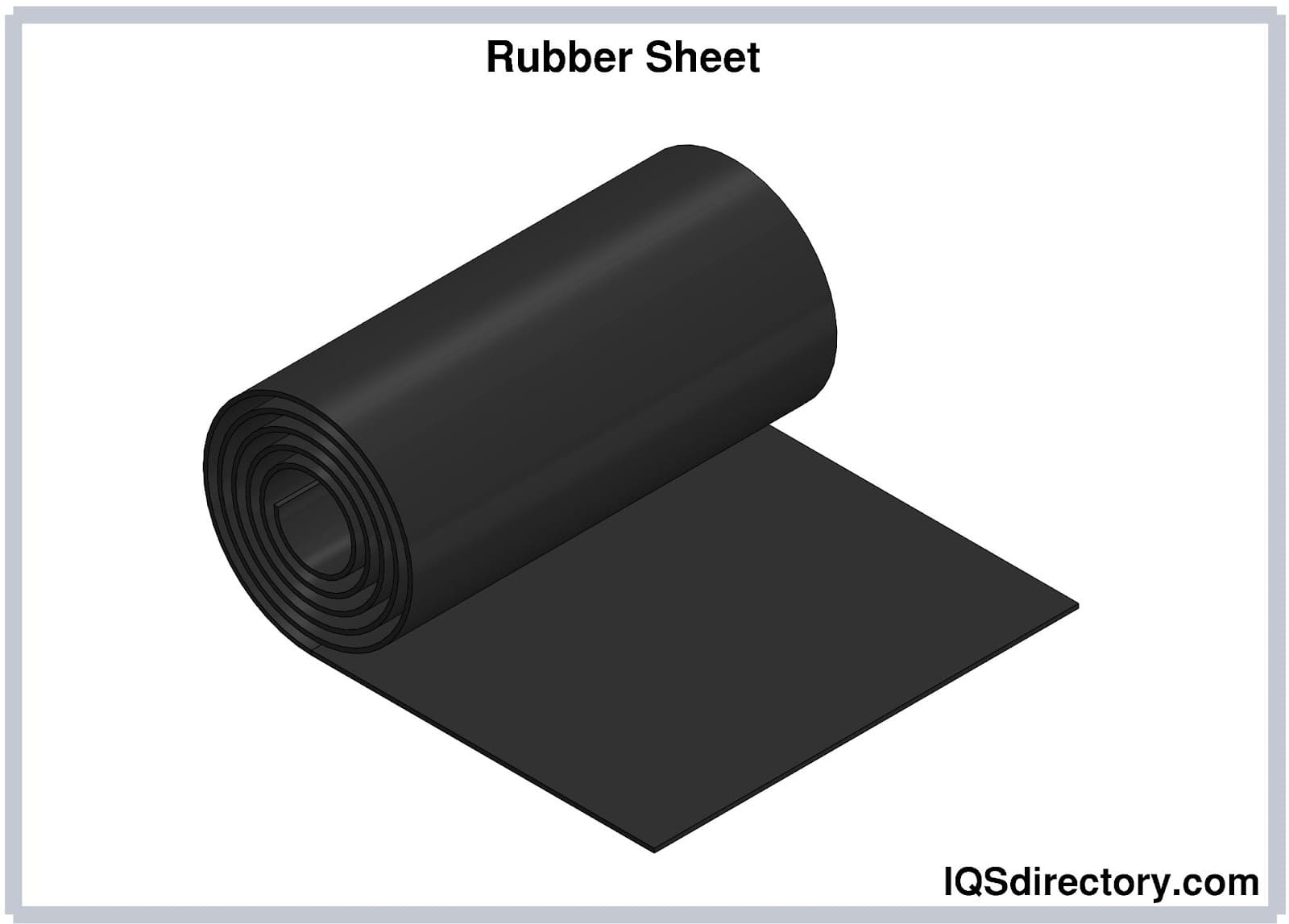
Engineering Capability: Precision-Driven Development for Industrial Waterproof Rubber Sheets
At Suzhou Baoshida Trading Co., Ltd., our engineering capability forms the backbone of our industrial rubber solutions, enabling us to deliver high-performance waterproof rubber sheets tailored to exacting OEM and industrial specifications. Our in-house team comprises five dedicated mould engineers and two specialized rubber formula engineers, ensuring that every product is developed with scientific rigor, material precision, and manufacturing efficiency.
Our mould engineers bring extensive experience in designing and optimizing tooling for complex rubber extrusion, compression, and injection moulding processes. They utilize advanced CAD/CAM software to create precision-engineered moulds that ensure dimensional accuracy, consistent part geometry, and long service life. This capability allows us to support clients in diverse sectors—including automotive, construction, marine, and industrial equipment—with custom profiles, gaskets, seals, and sheet configurations that meet stringent environmental and mechanical demands.
Complementing our mould design expertise, our two rubber formula engineers focus on material science and compound development. They formulate custom rubber blends using EPDM, Nitrile (NBR), Silicone, and Neoprene, optimizing each formulation for specific performance criteria such as water resistance, UV stability, temperature range, compression set, and chemical exposure. By controlling the polymer base, filler systems, vulcanization agents, and additives, we ensure that our waterproof rubber sheets maintain integrity under prolonged exposure to moisture, extreme temperatures, and dynamic stress.
Our integrated approach—combining formulation science with precision tooling—enables seamless OEM collaboration. We support clients from concept to production, offering prototyping, material testing, and iterative design refinement. This vertical integration reduces lead times, enhances quality control, and ensures scalability for high-volume manufacturing.
All formulations and designs undergo rigorous performance validation, including tensile strength, elongation at break, hardness (Shore A), water absorption, and accelerated aging tests. Our facility adheres to ISO 9001 standards, ensuring consistency across batches and full traceability of materials and processes.
The following table outlines the standard technical specifications achievable with our engineered waterproof rubber sheets:
| Property | Test Method | Typical Value |
|---|---|---|
| Hardness (Shore A) | ASTM D2240 | 40–80 ±5 |
| Tensile Strength | ASTM D412 | ≥8 MPa |
| Elongation at Break | ASTM D412 | ≥250% |
| Water Absorption (24h, 23°C) | ASTM D471 | ≤1.5% |
| Operating Temperature Range | — | -40°C to +120°C (varies by compound) |
| Compression Set (22h, 70°C) | ASTM D395 | ≤25% |
| Specific Gravity | ASTM D297 | 1.15–1.35 |
Through advanced engineering, scientific formulation, and OEM-focused development, Suzhou Baoshida Trading Co., Ltd. delivers waterproof rubber sheets that meet the highest industrial standards. Our technical team is ready to collaborate on custom solutions that balance performance, durability, and cost-efficiency.
Customization Process
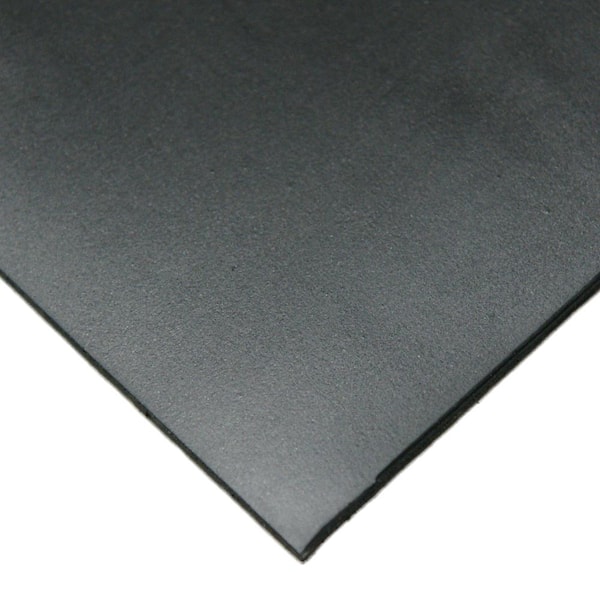
Customization Process for Waterproof Rubber Sheets
At Suzhou Baoshida Trading Co., Ltd., our waterproof rubber sheet customization follows a rigorously defined sequence to ensure technical compliance and performance integrity. The process begins with Drawing Analysis, where engineering teams dissect client-provided CAD files or technical sketches. Critical parameters such as dimensional tolerances (±0.1 mm for critical seals), durometer range (40–90 Shore A), and environmental exposure conditions are validated against ISO 3302-1:2014 standards. Geometric complexities like flange contours or embedded metal inserts undergo finite element analysis to predict stress points under hydrostatic pressure. Material compatibility with target fluids (e.g., seawater, hydraulic oils, or acids) is cross-referenced against our chemical resistance database to preempt degradation risks.
Subsequent Formulation leverages Suzhou Baoshida’s proprietary polymer science expertise. Based on the drawing analysis, we select base polymers—EPDM for ozone/weather resistance, NBR for oil/fuel exposure, or silicone for extreme temperatures—and engineer compound matrices. Additives are precision-calibrated: nano-silica for tear strength enhancement, sulfur accelerators for optimal cure kinetics, and hydrophobic fillers like calcium carbonate to minimize water absorption. Each formulation undergoes computational modeling to simulate crosslink density and compression set behavior at 70°C for 72 hours, ensuring ≤15% permanent deformation per ASTM D395. Rigorous batch documentation adheres to IATF 16949 traceability protocols.
Prototyping transitions validated formulations into physical validation. Sheets are produced via precision calendering or compression molding under controlled humidity (≤50% RH) and temperature (±2°C). Three prototypes undergo accelerated lifecycle testing: 1,000-hour salt spray exposure (ASTM B117), 500-cycle hydrostatic pressure tests at 1.5x operational limits, and adhesion verification per ASTM D429 Method B. Dimensional conformity is laser-scanned against CAD models, with deviations mapped via GD&T analysis. Client feedback on prototype performance triggers iterative refinements until all KPIs are met.
Mass Production commences only after prototype sign-off. We deploy statistical process control (SPC) with real-time monitoring of key variables: cure time (optimized via MOoney viscometry), sheet thickness uniformity (±0.05 mm via laser micrometers), and surface finish (Ra ≤3.2 µm). Every batch undergoes 100% visual inspection and抽样 testing per AQL 1.0 for tensile strength, elongation, and water permeability (ASTM E96). Final sheets are vacuum-sealed with desiccant and labeled with QR-coded traceability tags linking to raw material certificates and test reports.
Key Material Specifications for Waterproof Applications
| Property | EPDM | NBR | Silicone | Test Standard |
|---|---|---|---|---|
| Hardness Range (Shore A) | 50–80 | 40–75 | 30–80 | ASTM D2240 |
| Tensile Strength (MPa) | ≥15.0 | ≥12.0 | ≥7.0 | ASTM D412 |
| Water Absorption (%) | ≤0.5 | ≤1.2 | ≤0.3 | ISO 188 |
| Operating Temp Range (°C) | -45 to +135 | -30 to +100 | -60 to +230 | ASTM D573 |
| Hydrostatic Resistance | 1.5 MPa (72h) | 1.0 MPa (72h) | 2.0 MPa (72h) | ISO 1140 |
This end-to-end workflow ensures Suzhou Baoshida delivers waterproof rubber sheets meeting exact functional demands while maintaining industrial scalability and zero-defect reliability. All stages are auditable under our ISO 9001-certified quality management system.
Contact Engineering Team
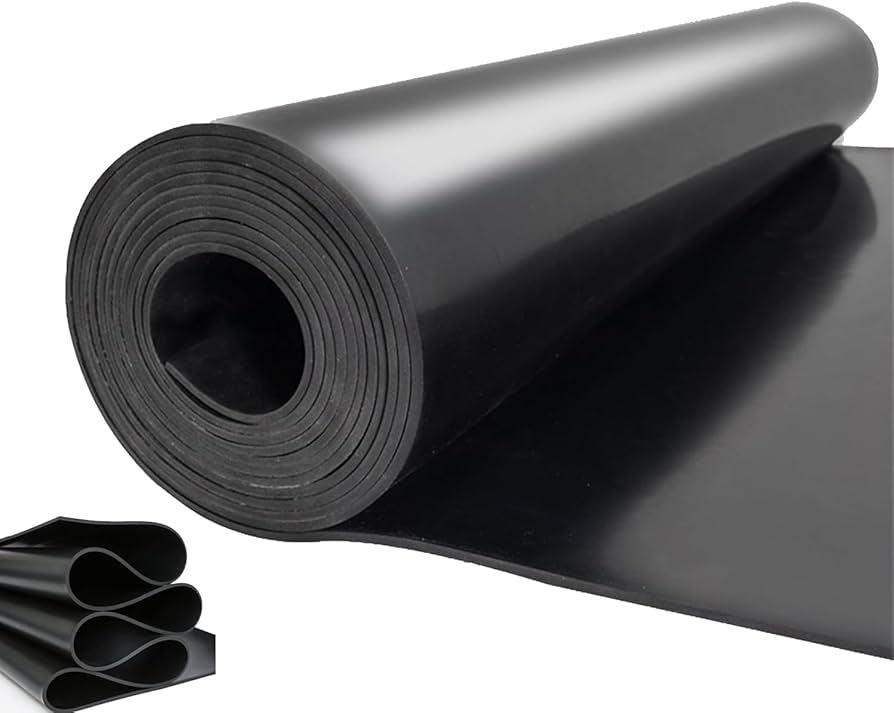
For industrial manufacturers requiring high-performance waterproof rubber sheets, Suzhou Baoshida Trading Co., Ltd. stands as a trusted partner in the development and supply of engineered rubber solutions. With years of technical expertise in elastomer formulation and precision manufacturing, we deliver materials tailored to the rigorous demands of construction, automotive, marine, and infrastructure sectors. Our waterproof rubber sheets are designed to provide long-term resilience against moisture ingress, extreme temperatures, and mechanical stress—ensuring integrity across critical sealing and barrier applications.
At Suzhou Baoshida, we specialize in custom compounding to meet exact performance criteria. Whether you require nitrile (NBR), ethylene propylene diene monomer (EPDM), silicone, or chloroprene (CR) formulations, our rubber sheets are manufactured under strict quality controls to guarantee consistency, durability, and compliance with international standards. Each batch undergoes rigorous testing for tensile strength, elongation, water absorption, and compression set to ensure optimal performance in real-world conditions.
We understand that industrial applications demand more than off-the-shelf solutions. That is why our engineering team collaborates directly with clients to assess environmental exposure, load requirements, and installation methods—enabling us to recommend or develop a material grade that precisely matches your operational needs. From anti-vibration pads and expansion joints to waterproof membranes and gasketing systems, our products are trusted for their reliability and service life.
To support global procurement, we offer flexible production scales, precise thickness control (from 1 mm to 50 mm), and custom sheet dimensions up to 1500 mm × 3000 mm. Surface finishes include smooth, textured, or fabric-reinforced options, depending on adhesion and wear requirements. All materials are resistant to UV degradation, ozone, and hydrolysis, making them ideal for both indoor and outdoor deployment.
Below are representative technical specifications for our standard waterproof rubber sheet offerings:
| Material | Hardness (Shore A) | Tensile Strength (MPa) | Elongation at Break (%) | Water Absorption (24h, %) | Temperature Range (°C) |
|---|---|---|---|---|---|
| EPDM | 50–80 | ≥10.0 | ≥250 | ≤0.5 | -50 to +150 |
| NBR | 55–75 | ≥12.0 | ≥200 | ≤1.0 | -30 to +120 |
| CR | 50–70 | ≥9.0 | ≥220 | ≤0.8 | -40 to +110 |
| Silicone | 40–80 | ≥6.0 | ≥200 | ≤0.3 | -60 to +230 |
These values are indicative and can be adjusted based on client specifications. Custom durometers, flame-retardant additives, conductive fillers, and antimicrobial treatments are available upon request.
For technical consultation or to initiate a sample request, contact Mr. Boyce, OEM Manager and Rubber Formula Engineer at Suzhou Baoshida Trading Co., Ltd. He leads material development and client integration, ensuring seamless transition from concept to production. Reach him directly at [email protected] to discuss your project requirements, request test reports, or obtain dimensional cut samples for evaluation. Our team responds within 24 hours to all qualified inquiries, providing full technical documentation and logistical support for global shipments. Partner with Suzhou Baoshida for engineered rubber solutions built to perform.
⚖️ O-Ring Weight Calculator
Estimate rubber O-ring weight (Approx).