
Technical Contents
Engineering Guide: Weather Proof Foam
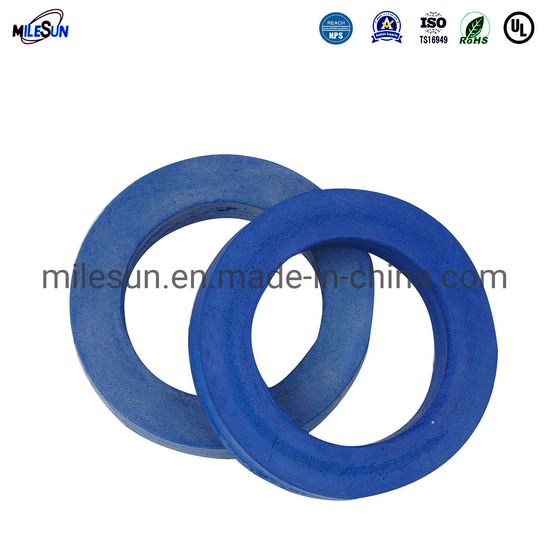
Engineering Insight: Weather-Proof Foam Material Selection Imperatives
The persistent failure of generic weather-proof foams in demanding industrial applications stems directly from inadequate material selection. Off-the-shelf solutions prioritize cost and broad compatibility over engineered resilience, leading to premature degradation under specific environmental stressors. Standard polyurethane or EPDM foams, while economical, lack the molecular stability required for sustained exposure to ultraviolet radiation, extreme thermal cycling, and chemical contaminants prevalent in outdoor or harsh industrial settings. This results in catastrophic performance loss: surface chalking, irreversible compression set, embrittlement, and seal failure within months—far below the 10+ year service life mandated by OEM specifications.
Critical failure mechanisms originate from inherent polymer limitations. Standard foams utilize base polymers with insufficient UV stabilizers, causing chain scission and loss of tensile strength after 500–1,000 hours of QUV testing. Their closed-cell structures often exhibit poor hydrolytic stability, allowing moisture ingress that accelerates oxidative degradation. Furthermore, inadequate antioxidant packages fail to mitigate thermal aging above 70°C, leading to rapid hardening and loss of sealing force. Industrial environments compound these weaknesses; ozone exposure cracks standard EPDM, while industrial pollutants (e.g., NOx, SO₂) catalyze surface deterioration. The consequence is not merely reduced functionality but systemic risks: compromised weatherstripping in transportation leads to water ingress damaging electronics, while failed gaskets in renewable energy enclosures cause catastrophic insulation failure.
Suzhou Baoshida addresses these vulnerabilities through precision polymer engineering. Our weather-proof foams integrate high-purity silicone or peroxide-cured EPDM backbones with custom additive packages. Key differentiators include triazine-based UV absorbers (extending QUV resistance beyond 5,000 hours), synergistic hindered amine light stabilizers (HALS) for radical scavenging, and nano-dispersed ceramic fillers enhancing thermal conductivity to dissipate heat. Crucially, we optimize crosslink density to balance compression set recovery (<15% at 70°C/22h per ASTM D395) with flexibility across -55°C to 150°C. This molecular precision ensures dimensional stability under continuous thermal cycling (200+ cycles per SAE J2099) and resistance to automotive fluids, salt spray, and industrial solvents.
The performance gap between standard and engineered foams is quantifiable:
| Property | Standard Foam | Baoshida Engineered Foam | Test Standard |
|---|---|---|---|
| UV Resistance (QUV-B) | 500–1,000 hours | >5,000 hours | ASTM G154 |
| Temp. Range | -40°C to 100°C | -55°C to 150°C | ASTM D2240 |
| Compression Set (70°C) | 35–50% | <15% | ASTM D395 Method B |
| Ozone Resistance | Poor (cracking @ 50pphm) | Excellent (no cracking) | ASTM D1149 |
| Tensile Retention (1k hrs) | 40–60% | >85% | ISO 188 |
Generic foams represent a false economy. True weather-proofing demands material science rigor—tailoring polymer chemistry to the exact operational profile. At Suzhou Baoshida, we reject one-size-fits-all formulations. Our OEM partnerships begin with environmental mapping and failure mode analysis, culminating in foams where every additive serves a defined protective function. This engineered approach eliminates field failures, reduces lifecycle costs, and meets the uncompromising reliability standards of aerospace, automotive, and infrastructure sectors. Material selection isn’t procurement—it’s the foundation of product integrity.
Material Specifications
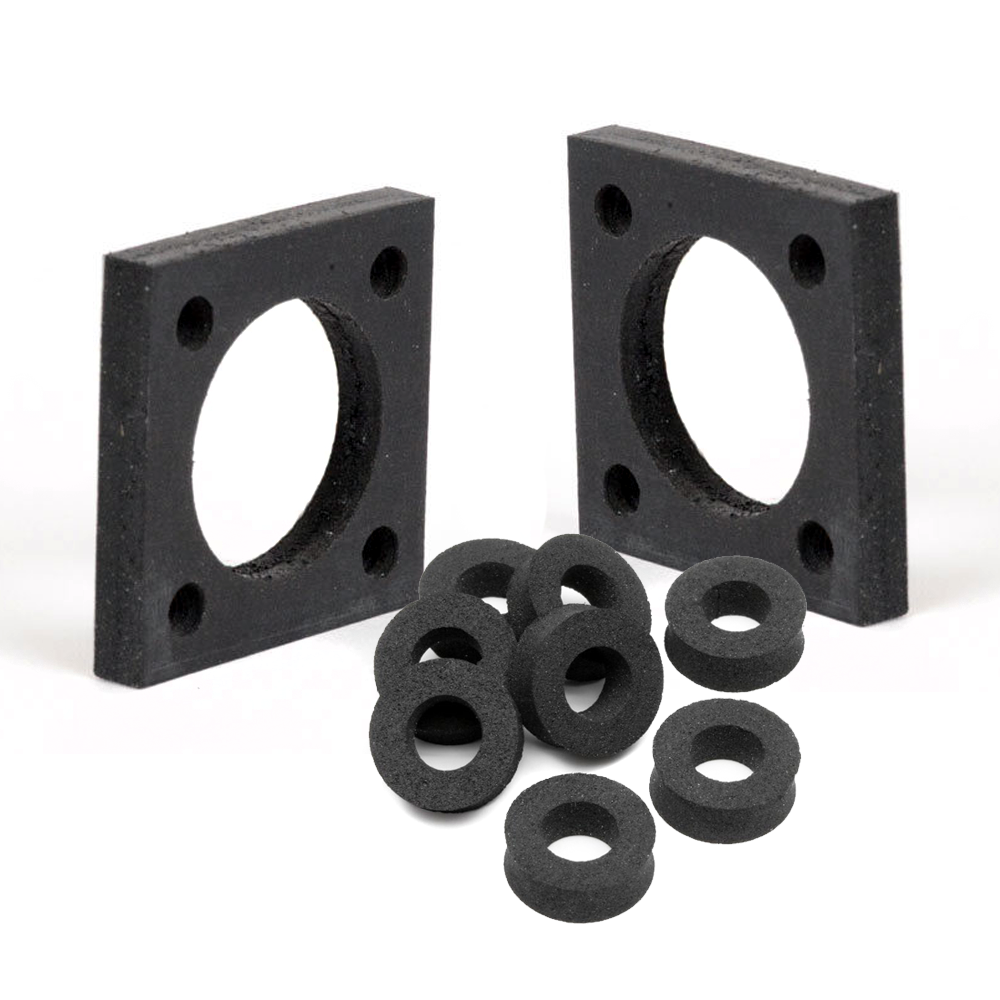
Material Specifications for Weather-Resistant Foam in Industrial Applications
Weather-proof foam materials are critical in industrial sealing, gasketing, and insulation applications where exposure to extreme environmental conditions is unavoidable. Suzhou Baoshida Trading Co., Ltd. provides high-performance foam solutions engineered for durability, resilience, and long-term performance under stress from UV radiation, ozone, temperature extremes, and moisture. Our core offerings in this category include closed-cell foams based on Viton (FKM), Nitrile (NBR), and Silicone (VMQ) elastomers—each formulated to meet distinct operational demands.
Viton-based foam stands at the pinnacle of chemical and thermal resistance among elastomeric foams. It maintains structural integrity in environments with continuous operating temperatures up to 200°C and short-term excursions beyond 250°C. Its resistance to non-polar solvents, fuels, oils, and oxidizing agents makes it ideal for aerospace, automotive, and chemical processing industries. The closed-cell structure ensures low moisture absorption and excellent compression set resistance, crucial for dynamic sealing applications exposed to weathering.
Nitrile foam offers a cost-effective solution for applications requiring resistance to petroleum-based fluids and moderate weather exposure. With a continuous service temperature range of -30°C to +100°C, it performs reliably in automotive under-hood environments, HVAC systems, and industrial machinery. While less resistant to ozone and UV degradation compared to Viton or Silicone, Nitrile foam can be compounded with stabilizers to enhance outdoor durability. Its inherent mechanical strength and abrasion resistance support use in high-wear sealing and cushioning roles.
Silicone foam delivers superior performance in extreme temperature environments, functioning effectively from -60°C to +200°C. It exhibits outstanding resistance to UV radiation, ozone, and atmospheric aging, making it the preferred choice for outdoor electrical enclosures, building façade seals, and transportation weatherstripping. Additionally, silicone foam demonstrates excellent flame retardancy and low smoke emission, meeting stringent fire safety standards such as UL 94 V-0. Its flexibility at low temperatures and stable dielectric properties further extend its utility in electronic and aerospace applications.
The selection of the appropriate weather-proof foam depends on the specific combination of thermal, chemical, and mechanical requirements. Below is a comparative summary of key performance attributes across the three materials.
| Property | Viton Foam | Nitrile Foam | Silicone Foam |
|---|---|---|---|
| Base Polymer | FKM (Fluoroelastomer) | NBR (Nitrile Butadiene Rubber) | VMQ (Vinyl-Methyl Siloxane) |
| Temperature Range (°C) | -20 to +200 | -30 to +100 | -60 to +200 |
| UV Resistance | Excellent | Moderate | Excellent |
| Ozone Resistance | Excellent | Moderate | Excellent |
| Fuel & Oil Resistance | Outstanding | Good | Poor |
| Compression Set Resistance | Excellent | Good | Good |
| Flame Resistance | High | Moderate | Very High |
| Dielectric Strength | Moderate | Moderate | High |
| Typical Density Range (kg/m³) | 300–600 | 250–500 | 200–450 |
All materials are available in sheet, roll, and custom-profile forms, with options for adhesive backing, conductive fillers, or colored formulations. Suzhou Baoshida ensures batch-to-batch consistency through rigorous quality control and material traceability.
Manufacturing Capabilities
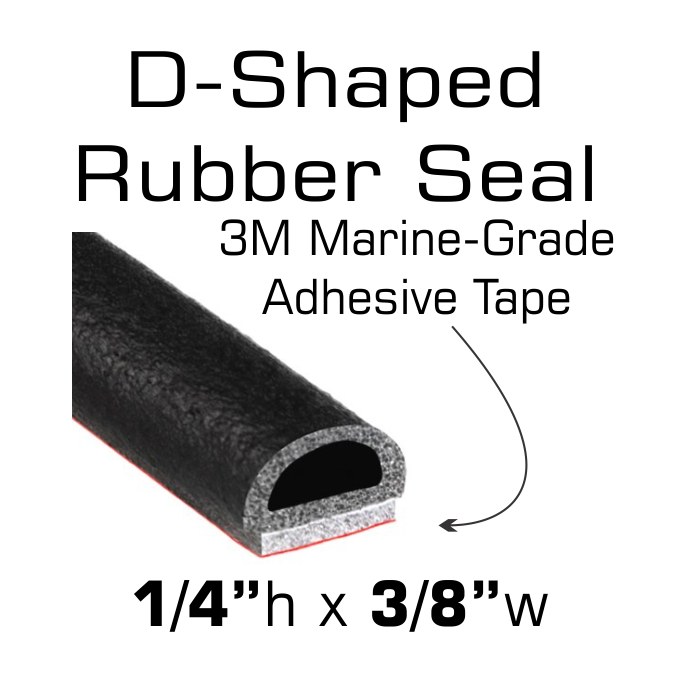
Engineering Capability: Precision Weatherproof Foam Development
At Suzhou Baoshida Trading Co., Ltd., our engineering team delivers mission-critical weatherproof foam solutions through integrated material science and precision manufacturing. With five dedicated Mold Engineers and two specialized Rubber Formula Engineers, we address the complex interplay of environmental stressors—UV radiation, thermal cycling, moisture ingress, and ozone exposure—that compromise conventional foam integrity. Our Formula Engineers develop proprietary elastomer compounds using accelerated weathering protocols to ensure long-term performance. This includes optimizing crosslink density in EPDM and silicone systems for superior resistance to cracking, hardening, or compression set loss under extreme conditions. Concurrently, our Mold Engineers translate these formulations into production-ready tooling, applying finite element analysis (FEA) to predict flow behavior and minimize defects like sink marks or voids in intricate profiles. This dual-expertise framework ensures every foam component meets stringent aerospace, automotive, and infrastructure durability standards before prototyping begins.
Our OEM capabilities streamline client-to-production workflows, eliminating traditional supply chain friction. We manage end-to-end development: from initial CAD-based cavity design and material selection to DFM validation and volume manufacturing. Clients provide performance targets—such as specific compression deflection curves or flame resistance grades—and our team engineers the exact compound and tooling configuration. This includes seamless integration with global Tier-1 production lines, where we maintain ISO 9001-certified processes for lot traceability, in-process dimensional checks, and real-time SPC data sharing. Crucially, we de-risk scale-up through pilot runs using client-specified machinery parameters, ensuring zero disruption during transfer.
Key weatherproof foam specifications engineered for industrial applications include:
| Property | Test Standard | Typical Value Range | OEM Customization Capability |
|---|---|---|---|
| Material Type | ASTM D2000 | EPDM, Silicone, TPE | Full compound re-engineering |
| Density | ASTM D3574 | 0.3–0.8 g/cm³ | ±0.05 g/cm³ tolerance |
| Tensile Strength | ASTM D412 | 1.5–3.5 MPa | Adjustable via filler load |
| Elongation at Break | ASTM D412 | 150–400% | Optimized for flex fatigue |
| Compression Set (70°C/22h) | ASTM D395 | ≤25% | Peroxide-cured systems only |
| Temperature Range | ISO 188 | -55°C to +150°C | Extended to +200°C (silicone) |
| UV Resistance (QUV-B) | ASTM G154 | Pass 2,000h no cracking | Enhanced stabilizer packages |
Quality assurance is embedded at every phase. Our Formula Engineers validate material batches against client-specific weathering matrices using QUV accelerated testers and xenon-arc chambers simulating 10+ years of field exposure in weeks. Mold Engineers then verify tooling consistency via cavity pressure monitoring and 3D scanning of critical dimensions. This rigorous, data-driven approach ensures weatherproof foams maintain sealing force, resilience, and chemical resistance across 15+ year service lifespans—even in marine, desert, or high-UV environments. For OEM partners, this means accelerated time-to-market with zero compromise on reliability. Suzhou Baoshida transforms environmental challenges into engineered advantages through science-led precision.
Customization Process
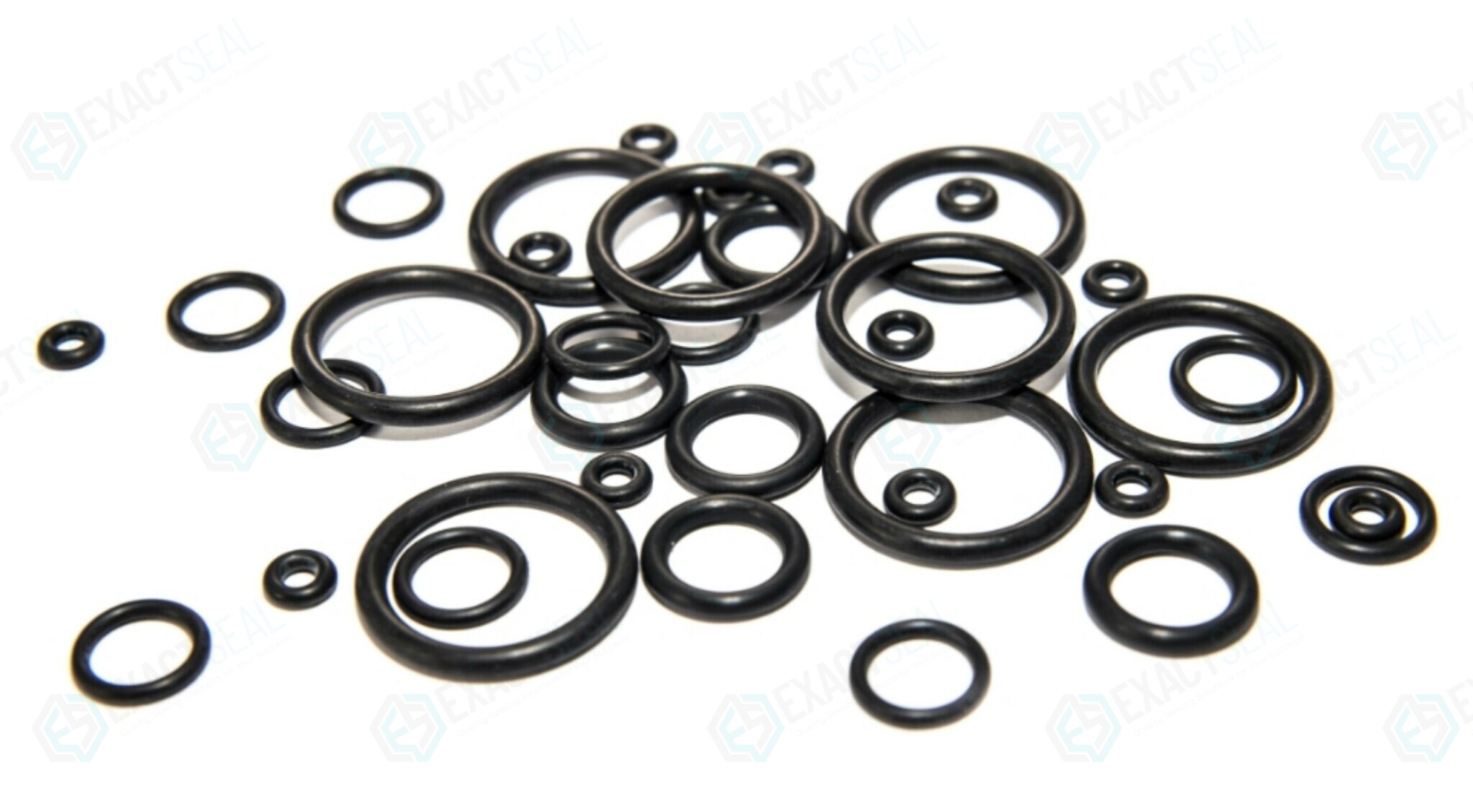
Customization Process for Weather-Resistant Foam Solutions
At Suzhou Baoshida Trading Co., Ltd., our approach to delivering high-performance weather-resistant foam products follows a structured, science-driven customization pathway. This ensures that every solution meets the precise environmental and mechanical demands of our industrial clients. The process begins with Drawing Analysis, where engineering specifications are rigorously evaluated. We assess dimensional tolerances, application environment (UV exposure, temperature cycling, moisture levels), and mechanical load requirements. This phase includes close collaboration with the client to interpret CAD files, technical drawings, and performance expectations, ensuring alignment between design intent and material capability.
Following drawing validation, we proceed to Formulation Design. Our rubber formula engineers leverage extensive knowledge of polymer chemistry to develop a tailored compound based on EPDM, silicone, or chloroprene, depending on the required balance of weather resistance, compression set, and thermal stability. Additives such as UV stabilizers, anti-oxidants, and closed-cell blowing agents are precisely metered to achieve optimal density, hardness, and long-term durability. Each formulation is designed not only to resist degradation from ozone, rain, and solar radiation but also to maintain sealing or cushioning performance across extreme temperature ranges from -40°C to +150°C.
Once the compound is finalized, we initiate the Prototyping phase. Using precision die-cutting, water-jet cutting, or compression molding—depending on geometry and volume—we produce functional prototypes for client evaluation. These samples undergo internal quality checks including tensile strength, elongation at break, compression deflection, and accelerated aging tests per ASTM and ISO standards. Clients receive detailed test reports alongside physical samples for fit, form, and function validation in their end-use environment.
Upon approval, the project transitions into Mass Production. Our facility operates under strict ISO 9001-compliant protocols, ensuring batch-to-batch consistency and traceability. Automated mixing lines, calibrated curing presses, and inline dimensional inspection systems guarantee high yield and reliability. We support both Just-in-Time (JIT) delivery and bulk shipment models, with packaging customized to prevent deformation during transit.
The following table outlines key performance specifications achievable with our customized weather-resistant foam formulations:
| Property | Test Method | Typical Value |
|---|---|---|
| Hardness (Shore A) | ASTM D2240 | 30–80 |
| Density (kg/m³) | ISO 845 | 150–400 |
| Tensile Strength | ASTM D412 | 1.5–4.0 MPa |
| Elongation at Break | ASTM D412 | 100–300% |
| Compression Set (22h, 70°C) | ASTM D395 | ≤30% |
| Operating Temperature Range | — | -40°C to +150°C |
| Cell Structure | Microscopy | Closed-cell dominant |
Through this disciplined, four-stage process, Suzhou Baoshida ensures that every weather-resistant foam product is engineered for longevity, precision, and real-world performance in demanding outdoor and industrial environments.
Contact Engineering Team

Contact Suzhou Baoshida for Precision Weatherproof Foam Solutions
Suzhou Baoshida Trading Co., Ltd. operates at the forefront of industrial rubber compounding, specializing in engineered weatherproof foam formulations for demanding OEM applications. Our technical team possesses over 15 years of expertise in developing closed-cell and open-cell elastomeric foams resistant to UV degradation, ozone exposure, extreme temperature fluctuations, and moisture ingress. Unlike commodity foams, our proprietary blends undergo rigorous accelerated aging protocols per ASTM D2566 and ISO 188 standards, ensuring dimensional stability and functional integrity across 20,000+ hours of simulated outdoor service. We address critical failure points in gasketing, sealing, and insulation systems where thermal cycling or chemical exposure compromises standard materials.
Material performance is quantifiable. The table below details key specifications for our two primary weatherproof foam product lines, both formulated for seamless integration into high-volume manufacturing processes:
| Property | Standard Weatherproof EPDM Foam | Premium Silicone Weatherproof Foam |
|---|---|---|
| Base Polymer | EPDM | VMQ (Vinyl Methyl Silicone) |
| Density Range (kg/m³) | 120–350 | 280–450 |
| Tensile Strength (MPa) | 1.8–3.2 | 4.5–6.0 |
| Elongation at Break (%) | 150–300 | 250–400 |
| Compression Set (70°C, 22h, %) | ≤ 25 | ≤ 15 |
| Temperature Range (°C) | -50 to +135 | -65 to +230 |
| UV Resistance (ASTM G154, 1500h) | Minimal cracking | No visible degradation |
| Water Absorption (24h, %) | ≤ 1.5 | ≤ 0.8 |
These formulations are not off-the-shelf commodities but precision-engineered solutions. Our OEM partnership model begins with joint material requirement analysis, where we deconstruct your environmental stressors, regulatory constraints (e.g., UL 94, RoHS), and production parameters. We then optimize cell structure morphology, crosslink density, and additive packages—such as hindered amine light stabilizers (HALS) or cerium oxide UV absorbers—to target your specific operational envelope. This methodology eliminates field failures caused by premature hardening, extrusion, or loss of recovery force in dynamic seals.
For integration into your supply chain, we provide full technical documentation including material test reports (MTRs), process validation data, and batch-specific certificates of conformance. Our Suzhou facility maintains IATF 16949-certified production lines with in-line rheometry monitoring, ensuring lot-to-lot consistency critical for automated assembly. Minimum order quantities are structured to support both pilot validation runs and full-scale production, with dedicated logistics coordination for JIT delivery.
Initiate a technical consultation with Mr. Boyce, our OEM Technical Director, to advance your weatherproof foam requirements. Submit your application parameters—including environmental profile, dimensional tolerances, and performance validation criteria—to [email protected]. Specify “Weatherproof Foam OEM Inquiry” in the subject line to ensure immediate routing to our formulation engineering team. Mr. Boyce will coordinate a 48-hour technical response protocol, including preliminary material recommendations and feasibility assessment. For urgent projects requiring accelerated development cycles, reference project code WP-FOAM-2024 in all correspondence. Partner with Suzhou Baoshida to transform weather resistance from a design constraint into a competitive advantage.
⚖️ O-Ring Weight Calculator
Estimate rubber O-ring weight (Approx).