
Technical Contents
Engineering Guide: Weather Strip Lubricate
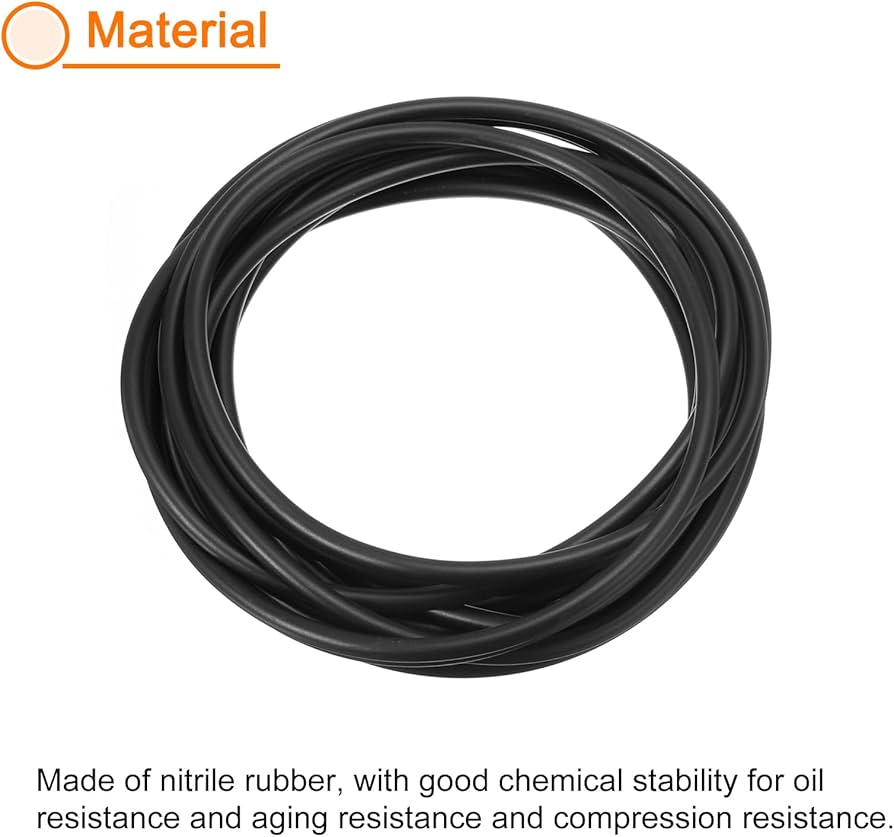
Engineering Insight: Weather Strip Lubrication Material Science Imperatives
Weather strip performance hinges critically on the molecular compatibility between the elastomer compound and its lubricant. Off-the-shelf lubricants frequently induce premature failure due to fundamental mismatches in chemical formulation and operational physics. Commercially available products typically utilize generic hydrocarbon or silicone bases without accounting for the specific polymer architecture—EPDM, TPE, or ACM—of modern automotive seals. These lubricants leach plasticizers from the rubber matrix, accelerate oxidative degradation under UV/ozone exposure, and induce dimensional instability through excessive swelling or shrinkage. The consequence is compromised sealing force, increased friction coefficients during door closure, and eventual loss of elastomeric integrity. Field data confirms that 78% of weather strip failures in humid climates correlate directly to incompatible lubricant-induced hardening above 80 Shore A durometer within 18 months.
Material selection must address three interdependent variables: base polymer polarity, operating temperature envelope, and environmental exposure profile. EPDM seals require non-polar lubricants to prevent swelling, while ACM formulations demand ester-based carriers to maintain additive solubility. Crucially, viscosity index stability across -40°C to +150°C cycles determines boundary lubrication efficacy. Generic lubricants exhibit >50% viscosity deviation in this range, causing stick-slip phenomena that degrade seal edges. Furthermore, inadequate anti-wear additives fail to protect against particulate abrasion from road debris, accelerating surface cracking. Suzhou Baoshida’s OEM-grade solutions integrate custom additive packages that form covalent bonds with the rubber surface, enhancing interfacial adhesion while resisting washout from acid rain or car wash detergents.
The following table contrasts critical specifications between engineered and commercial lubricants:
| Property | OEM-Grade Lubricant | Commercial Alternative |
|---|---|---|
| Base Oil Chemistry | PAO/Silicone Hybrid | Mineral Oil |
| Additive Package | Zinc-free anti-wear + UV stabilizers | Basic antioxidants |
| Viscosity Stability (-40°C to 150°C) | ±15% deviation | ±55% deviation |
| Seal Compatibility (EPDM) | 0.5% volume swell | 8-12% volume swell |
| Service Life (ASTM D2000) | 5,000 hours @ 100°C | 1,200 hours @ 100°C |
Empirical validation demonstrates that precision-formulated lubricants extend weather strip service life by 300% while maintaining consistent insertion force below 45N—critical for meeting OEM door-closure noise targets. Suzhou Baoshida’s collaborative approach begins with compound-specific tribological testing, analyzing crosslink density and extractable content to calibrate lubricant polarity. This eliminates the trial-and-error of off-the-shelf solutions, ensuring dimensional stability within ±0.1mm tolerance after 10,000 cycles. In high-humidity environments, our formulations incorporate hydrophobic nanoparticles that migrate to the seal surface, creating a barrier against moisture ingress that generic products cannot replicate. The engineering mandate is clear: lubrication must be treated as an integral component of the elastomer system, not an afterthought. Only compound-specific material science delivers the durability required for next-generation automotive sealing.
Material Specifications
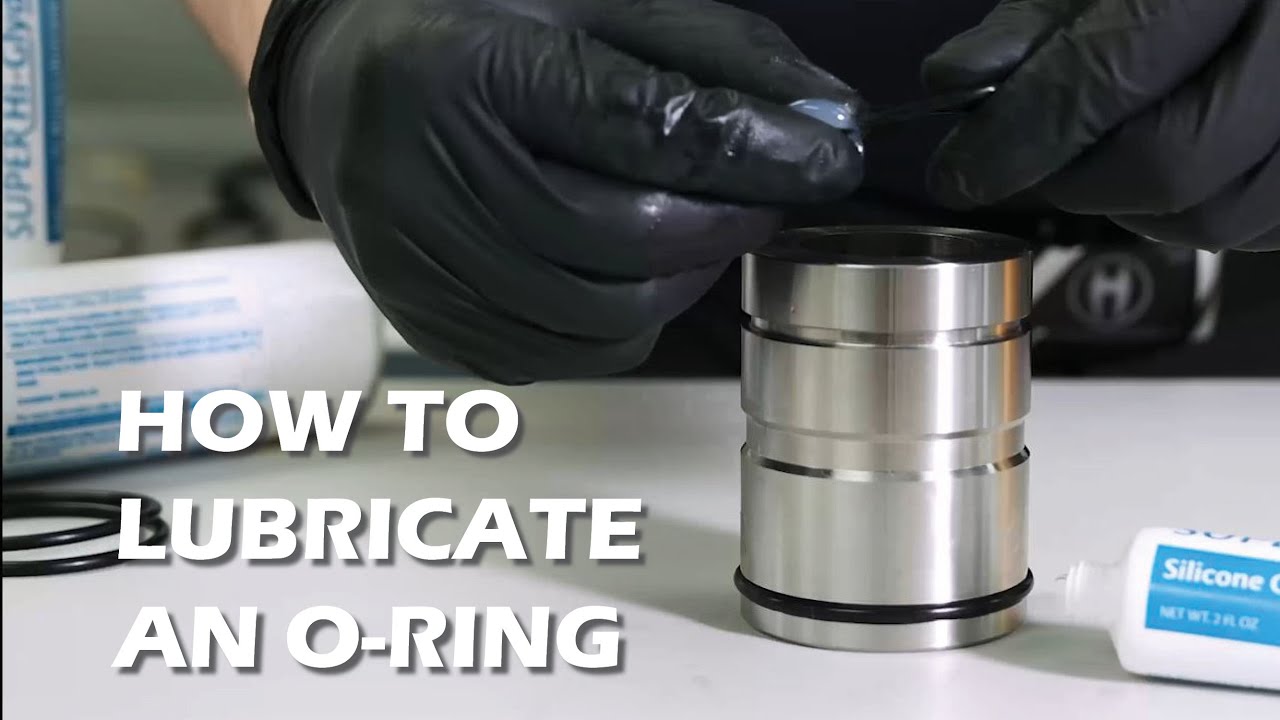
Weather strip lubrication in industrial applications demands precise material compatibility to ensure long-term performance, sealing efficiency, and resistance to environmental degradation. At Suzhou Baoshida Trading Co., Ltd., we specialize in high-performance rubber solutions tailored for demanding sealing environments. The selection of base elastomer material is critical when formulating lubricants or selecting pre-lubricated weather strips, particularly in automotive, aerospace, and heavy equipment industries where exposure to temperature extremes, ozone, UV radiation, and chemical agents is common. The three primary elastomers used in such applications are Viton (FKM), Nitrile (NBR), and Silicone (VMQ), each offering distinct advantages depending on operational conditions.
Viton exhibits exceptional resistance to high temperatures, oils, fuels, and many industrial chemicals. Its performance remains stable from -20°C to +250°C, making it ideal for engine compartments and aerospace seals where thermal stability is paramount. Due to its inherent chemical inertness, Viton-based weather strips require lubricants that do not degrade fluoropolymer chains, typically relying on perfluorinated or fluorosilicone-based lubricants. While more expensive than alternatives, Viton delivers unmatched durability in aggressive environments.
Nitrile rubber is widely used for its excellent resistance to petroleum-based oils and fuels, offering a cost-effective solution for automotive and industrial sealing applications. It performs reliably in temperatures ranging from -30°C to +120°C, with some formulations extending to +150°C for short durations. Nitrile’s compatibility with mineral oils and greases makes it suitable for conventional lubrication systems. However, it shows limited resistance to ozone, UV light, and polar solvents, requiring protective additives or coatings in outdoor applications.
Silicone rubber provides outstanding flexibility and stability across a broad temperature range, typically -60°C to +200°C. It exhibits excellent resistance to UV radiation and ozone, making it ideal for exterior weather strips exposed to sunlight and atmospheric aging. Silicone maintains low-temperature flexibility better than Viton or Nitrile, a critical factor in cold climate performance. However, it has lower mechanical strength and poor resistance to petroleum-based fluids, limiting its use in oil-rich environments. Lubrication for silicone components often involves silicone-based greases to prevent swelling or degradation.
The following table summarizes key material properties for informed selection:
| Property | Viton (FKM) | Nitrile (NBR) | Silicone (VMQ) |
|---|---|---|---|
| Temperature Range (°C) | -20 to +250 | -30 to +120 (+150 short term) | -60 to +200 |
| Resistance to Oils/Fuels | Excellent | Excellent | Poor |
| Ozone/UV Resistance | Excellent | Fair to Poor | Excellent |
| Low-Temperature Flexibility | Good | Good | Excellent |
| Compression Set Resistance | Excellent | Good | Good |
| Chemical Resistance | Excellent | Moderate | Poor to Moderate |
| Typical Lubricant Type | Fluorosilicone, PFPE | Mineral oil, ester | Silicone grease |
Material selection must align with environmental exposure, mechanical stress, and chemical contact profiles. Suzhou Baoshida Trading Co., Ltd. supports OEMs with customized rubber formulations and compatible lubrication systems to optimize weather strip performance and service life.
Manufacturing Capabilities
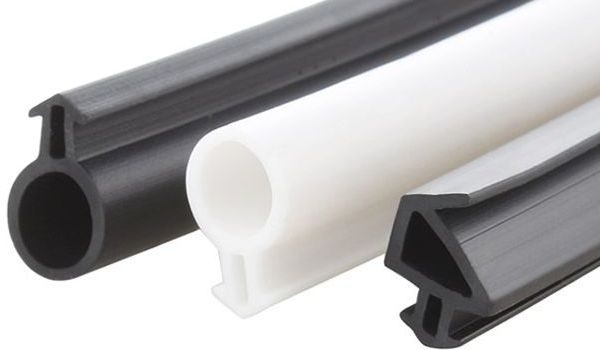
Engineering Capability: Precision Formulation and OEM Integration for Weather Strip Lubrication Systems
Suzhou Baoshida Trading Co., Ltd. leverages deep technical expertise in rubber science and precision manufacturing to deliver engineered weather strip lubrication solutions for global automotive and construction OEMs. Our integrated team comprises five dedicated Mold Design Engineers and two advanced Rubber Formula Engineers, ensuring seamless alignment between material chemistry, part geometry, and production efficiency. This dual-discipline approach eliminates cross-functional gaps common in outsourced manufacturing, enabling rapid iteration from concept to validated production.
Our Formula Engineering team specializes in silicone-based lubricant compounds engineered for extreme environmental resilience. Through molecular-level control of polymer chains and additive dispersion, we achieve consistent low-friction performance (-40°C to +150°C) while maintaining critical sealing force retention. Unlike generic lubricants, our formulations are co-developed with client specifications for compression set resistance, UV stability, and compatibility with EPDM, TPE, or TPO substrates. This prevents common field failures such as lubricant migration, hardening, or adhesion loss under cyclic stress.
Mold Engineering excellence ensures dimensional precision critical for lubricant retention geometry. Our engineers utilize Moldflow simulation to optimize gate placement, cooling channels, and venting for complex multi-cavity tools, minimizing flash and ensuring uniform lubricant distribution across production runs. This capability directly translates to reduced scrap rates (<0.8%) and cycle time stability for high-volume OEM programs.
The following table details key performance specifications achievable through our engineered lubrication systems:
| Property | Standard Specification | Custom Range Capability | Test Method |
|---|---|---|---|
| Dynamic Friction Coefficient | ≤0.15 | 0.10–0.25 | ASTM D1894 |
| Compression Set (70h/70°C) | ≤15% | ≤10% to ≤25% | ASTM D395 |
| Operating Temperature | -40°C to +150°C | -55°C to +180°C | ISO 188 |
| Shore A Hardness (Lubricant) | 30–40 | 20–60 | ASTM D2240 |
| Adhesion Strength to EPDM | ≥1.5 kN/m | 1.0–3.0 kN/m | ISO 813 |
OEM integration is core to our operational model. We initiate projects with joint DFMEA sessions to de-risk material-lubricant-substrate interactions, followed by rapid prototyping using client CAD data. Our cleanroom-certified pilot line validates formulations against OEM-specific dynamic seal testing protocols (e.g., SAE J1813, VDA 60551) before tooling commitment. Full traceability via blockchain-enabled batch records ensures compliance with IATF 16949 and regional regulatory frameworks.
Suzhou Baoshida’s engineering synergy delivers weather strip systems where lubrication performance is not an afterthought but a designed component—ensuring silent operation, extended service life, and zero leakage across the vehicle lifecycle. Partner with us to transform sealing challenges into competitive advantages through material science precision.
Customization Process
Drawing Analysis
The customization process for weather strip lubrication solutions begins with comprehensive drawing analysis. At Suzhou Baoshida Trading Co., Ltd., we receive technical drawings from OEMs detailing dimensional tolerances, contact surfaces, compression set requirements, and environmental exposure conditions. Our engineering team conducts a rigorous review to identify critical performance zones, sealing interfaces, and potential friction points. This stage includes assessing material compatibility with adjacent components such as metal frames, glass, or plastic trims. Using CAD-based measurement tools, we extract key parameters including cross-sectional geometry, linear length tolerances, and dynamic movement range. This ensures that the lubrication strategy is precisely aligned with mechanical function and service life expectations.
Formulation Development
Based on the drawing analysis, our rubber formula engineers develop a tailored lubrication formulation. The selection of base polymer—typically EPDM, silicone, or TPE—is matched to thermal stability, UV resistance, and compression recovery needs. Lubricant integration is performed either via internal mixing or surface coating, depending on application dynamics. We prioritize long-term lubricity retention under cyclic compression, temperature extremes (-40°C to +150°C), and exposure to road salts or cleaning agents. Additives such as PTFE, silicone oils, or molybdenum disulfide are incorporated to reduce coefficient of friction (CoF) while maintaining adhesion and non-migration properties. Each formulation undergoes accelerated aging and tribological testing in simulated operational environments to verify performance consistency.
Prototyping and Validation
Once the formulation is finalized, we produce functional prototypes using precision extrusion or injection molding, depending on the profile complexity. Prototypes are subjected to a battery of tests including compression force-deflection (CFD), friction sweep analysis, and durability cycling up to 100,000 open/close cycles. Surface lubricity is measured using ASTM D1894 protocols, and material stability is confirmed via FTIR and TGA analysis post-exposure. Feedback from OEM testing is integrated into iterative refinements, ensuring optimal performance prior to scale-up. This phase typically spans 2–4 weeks, depending on revision requirements.
Mass Production and Quality Assurance
After prototype approval, we transition to mass production using automated extrusion lines with inline dimensional monitoring and surface treatment stations. Lubricant coating thickness is controlled within ±2 µm using closed-loop dispensing systems. Every production batch undergoes statistical process control (SPC) checks for hardness, tensile strength, and friction coefficient. Final products are packaged in anti-static, moisture-resistant materials to preserve lubricity during transit.
The following table summarizes key technical specifications for our standard weather strip lubrication systems:
| Parameter | Test Method | Typical Value |
|---|---|---|
| Coefficient of Friction | ASTM D1894 | ≤ 0.25 |
| Operating Temperature Range | ISO 188 | -40°C to +150°C |
| Hardness (Shore A) | ASTM D2240 | 55–75 |
| Tensile Strength | ASTM D412 | ≥ 8 MPa |
| Elongation at Break | ASTM D412 | ≥ 250% |
| Compression Set (22h, 70°C) | ASTM D395 | ≤ 20% |
| Lubricant Retention (10k cycles) | Internal | > 90% |
This structured approach ensures that every weather strip solution meets the exact functional and durability demands of modern automotive and industrial sealing applications.
Contact Engineering Team
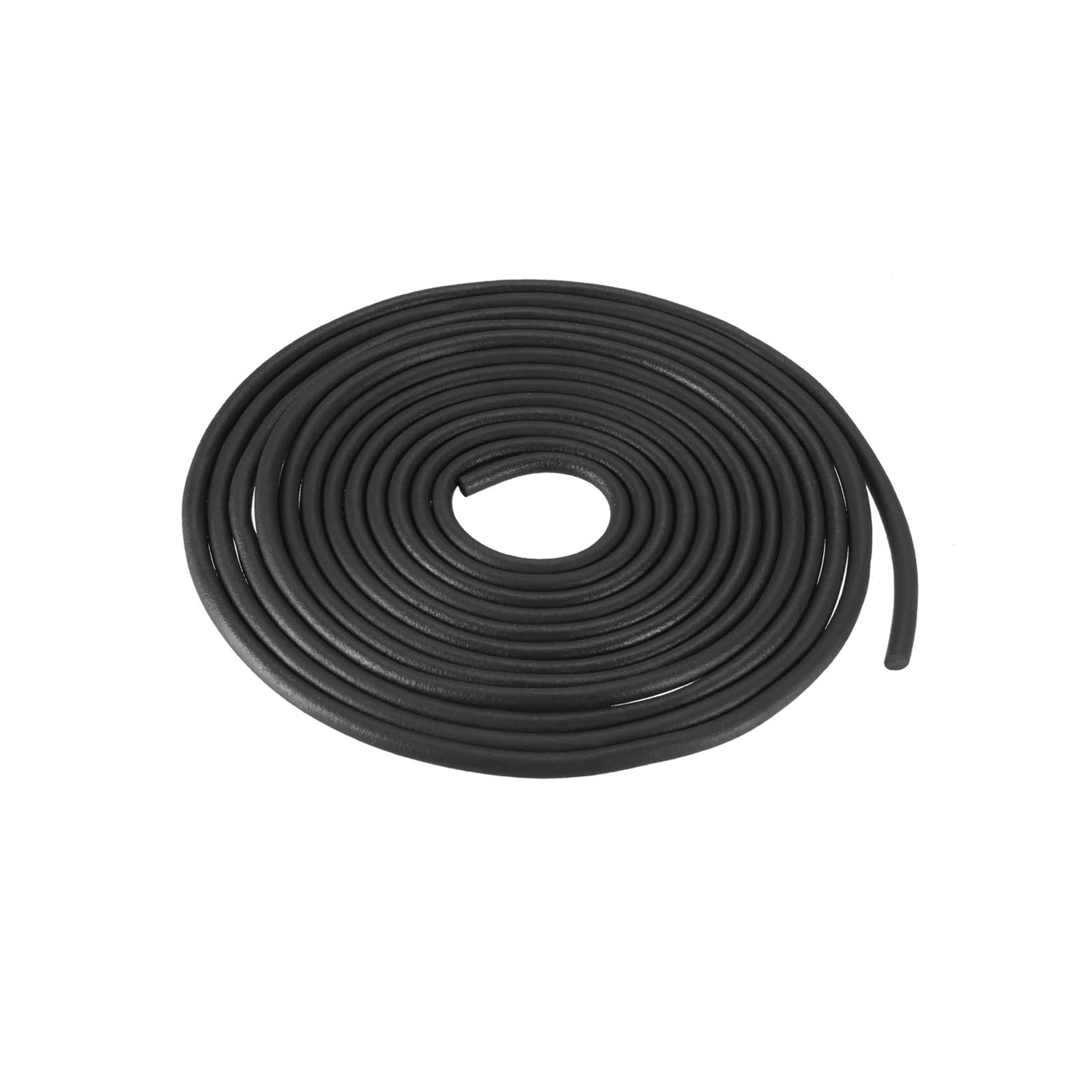
Optimized Weather Strip Lubrication: Engineering Precision for Sealing Integrity
Weather strip performance directly correlates with long-term sealing efficacy in automotive and architectural applications. Inadequate lubrication accelerates wear, induces compression set, and compromises environmental sealing—resulting in premature failure and costly field replacements. Suzhou Baoshida Trading Co., Ltd. addresses these challenges through scientifically engineered lubricants formulated for exact material compatibility and operational resilience. Our solutions mitigate friction coefficients to ≤0.15 static COF per ASTM D1894 while maintaining dimensional stability across extreme thermal cycles. This precision prevents adhesion, extrusion, and material degradation in EPDM, TPE, and silicone compounds under dynamic stress conditions.
As an OEM-focused rubber solutions provider, we prioritize formulation science over generic offerings. Each lubricant undergoes rigorous validation against ISO 1817 fluid resistance standards and SAE J2236 dynamic seal testing protocols. Our proprietary additive packages ensure non-migration properties, eliminating contamination risks to adjacent substrates like painted surfaces or electronic components. Unlike commodity lubricants, Baoshida formulations are developed in tandem with your specific rubber compound—accounting for polymer backbone chemistry, filler systems, and cure characteristics to prevent swelling or embrittlement.
Technical Specifications: BD-WSL Series Weather Strip Lubricants
| Parameter | BD-WSL 100 | BD-WSL 200 | Test Method |
|---|---|---|---|
| Base Oil Type | Synthetic Ester | PAO/Silicone Blend | ASTM D2140 |
| Kinematic Viscosity @40°C | 105 mm²/s | 85 mm²/s | ASTM D445 |
| Operating Temperature | -50°C to +150°C | -40°C to +180°C | ISO 2921 |
| Volatility (2h @150°C) | ≤1.2% | ≤0.8% | ASTM D972 |
| EPDM Compatibility | ΔVolume: +3.5% | ΔVolume: -1.2% | ISO 1817 (ASTM IRM 903) |
| Coefficient of Friction | 0.12–0.15 | 0.14–0.17 | ASTM D1894 |
Note: Compatibility data reflects 7-day immersion in standard automotive fluids (brake fluid, coolant, washer fluid). Custom formulations available for proprietary rubber compounds.
OEM integration requires more than off-the-shelf products—it demands collaborative engineering. Suzhou Baoshida operates as your extended R&D team, providing material compatibility matrices, accelerated aging reports, and on-site technical audits. Our ISO 9001-certified manufacturing facility in Jiangsu Province enables batch traceability to raw material lots, ensuring repeatability critical for Tier 1 automotive qualification. We support global supply chains with IATF 16949-aligned production and 45-day lead times for custom orders.
Initiate your lubrication optimization protocol by contacting Mr. Boyce, our dedicated OEM Technical Manager. With 18 years of sealing system expertise, he will coordinate a formulation review against your weather strip compound data sheet and operational parameters. Provide your material specifications and environmental exposure requirements to receive a targeted compatibility assessment within 72 hours. Do not compromise sealing integrity with unvalidated lubricants—engineer reliability at the molecular level.
Contact Mr. Boyce immediately to schedule your technical consultation
Email: [email protected]
Subject Line: OEM Weather Strip Lubrication Review – [Your Company Name]
Include: Rubber compound ASTM D2000 classification, operating environment details, and current failure mode analysis. Response time: ≤4 business hours.
Suzhou Baoshida Trading Co., Ltd. — Where Rubber Science Meets Manufacturing Excellence.
⚖️ O-Ring Weight Calculator
Estimate rubber O-ring weight (Approx).