
Technical Contents
Engineering Guide: Weather Stripping Black
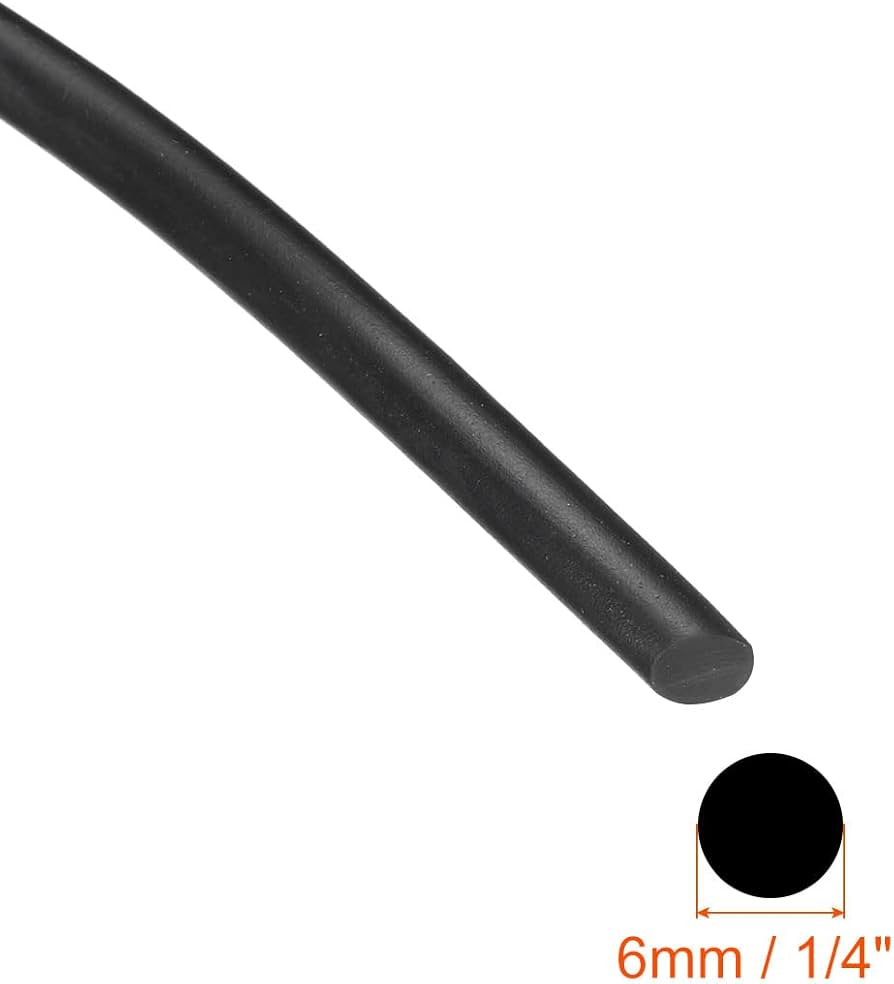
Engineering Insight: The Critical Role of Material Selection in Weather Stripping Black
In industrial applications, weather stripping black is far more than a passive seal—it is a critical engineering component designed to maintain environmental integrity, reduce energy loss, and protect sensitive systems from moisture, dust, and thermal fluctuations. Despite its seemingly simple form, the performance of weather stripping is profoundly influenced by material selection. Off-the-shelf solutions, while cost-attractive, frequently fail under real-world operational conditions due to inadequate formulation and poor adaptation to specific environmental stressors.
Standard weather stripping products are often manufactured using generic EPDM or recycled rubber compounds optimized for mass production, not performance. These materials may exhibit initial sealing capability but degrade prematurely when exposed to UV radiation, ozone, extreme temperatures, or chemical contaminants. In industrial enclosures, transportation systems, or outdoor electrical housings, such degradation leads to compression set, cracking, and loss of resilience—resulting in system failure and costly maintenance cycles.
At Suzhou Baoshida Trading Co., Ltd., we emphasize engineered material solutions tailored to the operational lifecycle of the application. Our weather stripping black formulations are based on high-purity, virgin-grade EPDM and specialty silicone compounds, reinforced with carbon black for UV stability and enhanced tensile strength. These materials are selected not only for their elastomeric properties but also for long-term resistance to thermal cycling from -50°C to +150°C and resilience under continuous compression.
A critical differentiator lies in the vulcanization process and additive package. Standard products often under-cure or use inconsistent filler ratios, leading to variability in durometer and aging performance. Our controlled peroxide curing and precision carbon dispersion ensure uniform hardness, low compression set (<20% at 70°C for 22 hours), and extended service life exceeding 15 years in harsh environments.
The following table outlines key performance specifications of our engineered weather stripping black compared to generic off-the-shelf alternatives:
| Property | Baoshida Engineered Weather Stripping Black | Generic Off-the-Shelf Product |
|---|---|---|
| Base Polymer | Virgin EPDM / Silicone Blend | Recycled EPDM |
| Hardness (Shore A) | 60 ± 5 | 55–70 (variable) |
| Tensile Strength | ≥12 MPa | 6–8 MPa |
| Elongation at Break | ≥350% | 200–250% |
| Compression Set (22h, 70°C) | ≤20% | ≥35% |
| Temperature Range | -50°C to +150°C | -30°C to +100°C |
| UV and Ozone Resistance | Excellent (ASTM D1149 compliant) | Moderate to Poor |
| Service Life (est.) | 15+ years | 3–5 years |
Material selection is not a commodity decision—it is a precision engineering imperative. Off-the-shelf weather stripping black may meet dimensional requirements but often fails to deliver functional reliability. By contrast, our engineered solutions ensure consistent performance, regulatory compliance, and total cost of ownership reduction across industrial systems.
Material Specifications
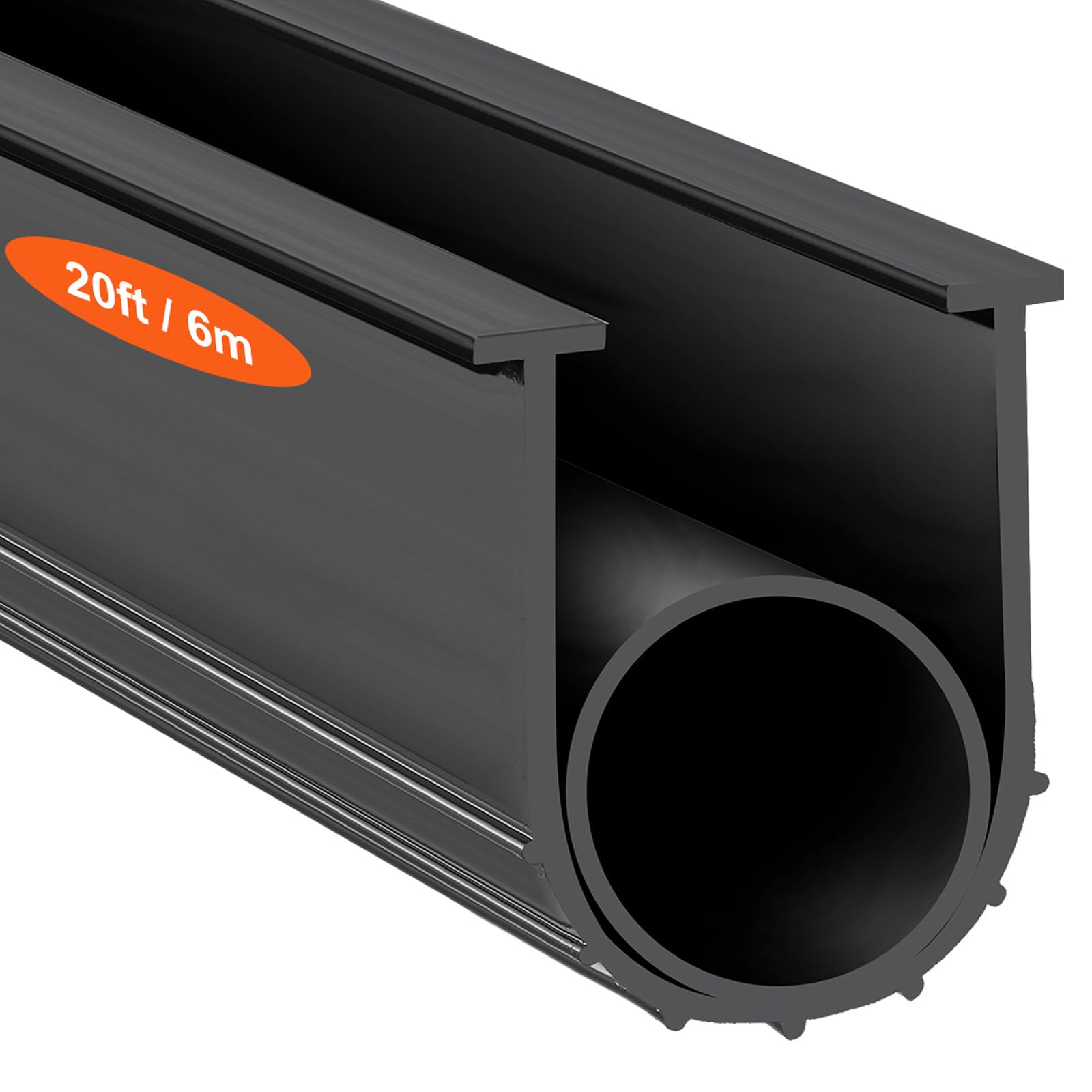
Material Specifications for Weather Stripping Black Applications
Selecting the optimal elastomer for black weather stripping demands rigorous evaluation of environmental exposure, mechanical requirements, and chemical compatibility. At Suzhou Baoshida Trading Co., Ltd., our formulations prioritize long-term sealing integrity under extreme conditions. Carbon black reinforcement (predominantly N330/N550 grades) provides critical UV stability, abrasion resistance, and tensile strength across all base polymers. Below is a comparative analysis of Viton (FKM), Nitrile (NBR), and Silicone (VMQ) for industrial weather stripping, referencing ASTM D2000 standards for precision.
| Property | Viton (FKM) | Nitrile (NBR) | Silicone (VMQ) |
|---|---|---|---|
| Temperature Range | -20°C to 250°C continuous | -30°C to 120°C continuous | -60°C to 230°C continuous |
| Short-Term Peak | 300°C | 150°C | 260°C |
| Fluid Resistance | Exceptional (fuels, oils, acids) | Excellent (oils, fuels) | Poor (hydrocarbons) |
| Compression Set (22h/150°C) | ≤20% | ≤35% | ≤25% |
| Tensile Strength (MPa) | 15–20 | 10–18 | 6–10 |
| Hardness Range (Shore A) | 60–80 | 50–75 | 40–70 |
| Ozone/UV Resistance | Outstanding | Good | Excellent |
Viton excels in high-temperature automotive and aerospace sealing where exposure to jet fuels, lubricants, or aggressive chemicals occurs. Its molecular structure maintains resilience at 200°C+ continuous service, though higher material costs necessitate justified application criticality. Nitrile remains the cost-effective standard for general industrial and automotive weather stripping, offering robust resistance to petroleum derivatives and water-based fluids below 120°C. Compression set values above 35% indicate accelerated seal failure in dynamic applications, requiring precise formulation tuning. Silicone dominates extreme-temperature scenarios—particularly cryogenic or intermittent high-heat cycles—due to unparalleled flexibility from -60°C. However, its susceptibility to swelling in hydrocarbon environments restricts use to non-fuel-contact zones.
All black compounds utilize carbon black for critical pigment functionality beyond coloration: UV absorption prevents polymer chain scission, while reinforcement elevates tear strength by 30–50% versus unfilled equivalents. Viton formulations achieve optimal weathering performance with 25–30 phr carbon black; NBR requires 20–25 phr to balance flexibility and abrasion resistance. Silicone’s inherent clarity necessitates higher carbon black loading (30–35 phr), slightly reducing elasticity but maximizing outdoor durability.
Suzhou Baoshida’s OEM-engineered compounds undergo stringent validation per ISO 188 (heat aging) and ISO 1817 (fluid immersion). We optimize crosslink density to minimize compression set in static seals while ensuring dynamic flexibility for door/window interfaces. For mission-critical weather stripping, Viton is recommended for chemical-intensive environments, NBR for cost-sensitive mass production, and Silicone for thermal extremes where fluid exposure is controlled. Our technical team collaborates with clients to refine durometer, filler dispersion, and cure systems for application-specific longevity. Contact our engineering department for formulation data sheets and accelerated aging test protocols.
Manufacturing Capabilities
Suzhou Baoshida Trading Co., Ltd. maintains a core engineering capability focused on precision rubber formulation and advanced mold design, specifically tailored for industrial sealing applications such as weather stripping black. Our in-house technical team comprises five dedicated mold engineers and two specialized rubber formula engineers, enabling full vertical control from material development to final part production. This integrated engineering approach ensures optimal performance, durability, and cost-efficiency for every OEM project.
Our formula engineers specialize in elastomer chemistry, with extensive experience in EPDM, silicone, and thermoplastic vulcanizates (TPV), all commonly used in weather stripping applications. They develop custom rubber compounds that meet exact performance requirements, including resistance to UV exposure, ozone degradation, extreme temperatures, compression set, and weathering—critical factors for long-term sealing integrity in automotive, construction, and transportation sectors. Each formulation is systematically tested under simulated environmental conditions to validate performance before production release.
Complementing material expertise, our five mold engineers bring deep proficiency in precision tooling design for extrusion, injection, and compression molding processes. They utilize advanced CAD/CAM software and finite element analysis (FEA) to optimize flow dynamics, dimensional stability, and part consistency. This ensures that weather stripping profiles maintain tight tolerances across variable cross-sections and complex geometries. Mold durability and maintenance cycles are also engineered for high-volume production efficiency, reducing downtime and total cost of ownership for our clients.
As an OEM partner, Suzhou Baoshida provides end-to-end manufacturing solutions—from concept validation and prototyping to mass production and quality assurance. We support custom branding, packaging, and documentation in compliance with international standards. Our facility is equipped with state-of-the-art mixing, curing, and inspection systems, enabling seamless transition from engineering approval to scalable output. All processes adhere to ISO 9001 quality management protocols, with full traceability on materials and process parameters.
The following table outlines key technical specifications for our standard weather stripping black compound, serving as a baseline for customization:
| Property | Test Method | Typical Value |
|---|---|---|
| Hardness (Shore A) | ASTM D2240 | 60 ± 5 |
| Tensile Strength | ASTM D412 | ≥ 9 MPa |
| Elongation at Break | ASTM D412 | ≥ 250% |
| Compression Set (24h @ 70°C) | ASTM D395 | ≤ 25% |
| Temperature Range | — | -40°C to +130°C |
| Specific Gravity | ASTM D297 | 1.25 ± 0.05 |
| Color | Visual | Black (custom colors available) |
This combination of formulation science and precision engineering positions Suzhou Baoshida as a trusted OEM manufacturer for high-performance rubber weather stripping solutions. We deliver reliability, consistency, and technical agility to meet the evolving demands of global industrial markets.
Customization Process
Customization Process for Weather Stripping Black: Precision Engineering Pathway
Suzhou Baoshida Trading Co., Ltd. implements a rigorously defined engineering sequence for custom weather stripping black production, ensuring optimal performance and seamless integration into client assemblies. This structured approach mitigates risk and guarantees material properties align precisely with demanding environmental sealing requirements. The process commences with comprehensive Drawing Analysis. Our engineering team meticulously dissects client technical drawings and 3D models, focusing on critical dimensions, geometric tolerances per ISO 2768-mK, surface finish specifications, and functional interfaces. We verify compliance with sealing force requirements, compression set limits, and installation clearances. This phase identifies potential manufacturability conflicts early, such as undercuts exceeding standard mold capabilities or tolerances tighter than achievable via continuous vulcanization (CV) extrusion, enabling proactive resolution before material commitment.
Subsequent to dimensional validation, the Formulation stage leverages Suzhou Baoshida’s proprietary compound library and deep material science expertise. We select the optimal base polymer system—typically high-saturation EPDM for superior ozone, UV, and thermal resistance essential in exterior automotive and architectural applications. The formulation is precisely engineered to achieve the target physical properties outlined in the client’s performance dossier. Key parameters include Shore A hardness, tensile strength, elongation at break, compression set per ASTM D395 Method B, and low-temperature flexibility per TR10 testing. Critical additives are dosed to enhance specific attributes: anti-ozonants for longevity, process aids for extrusion stability, and pigments ensuring consistent, deep black aesthetics meeting chromaticity standards. The finalized compound specification undergoes internal validation against baseline performance metrics.
Prototyping follows compound finalization, utilizing client-approved tooling or rapid prototype molds. Short production runs generate physical samples for exhaustive dimensional verification against the original drawing using calibrated CMM equipment. Concurrently, samples undergo accelerated aging tests (heat, ozone, fluid immersion) and functional validation, including simulated door slam cycles and compression load-deflection profiling. Client feedback on prototype fit, form, and function is integrated, with iterative adjustments made to the compound or tooling if necessary. Only upon documented client sign-off does the project advance.
Mass Production initiates under Suzhou Baoshida’s certified quality management system (ISO 9001). Production batches are strictly controlled using Statistical Process Control (SPC) on extrusion line parameters—temperature profiles, line speed, and vulcanization cure state monitored via online rheometry. 100% inline visual inspection and automated dimensional checks occur. Each batch undergoes rigorous first-article and periodic laboratory testing against the agreed specification. Full material traceability, from raw material lot numbers to finished goods, is maintained. Final shipment includes comprehensive Certificates of Conformance detailing actual test results against the target specification, ensuring seamless integration into the client’s assembly line with zero defects.
Critical Performance Specifications for Standard EPDM Weather Stripping Black
| Property | Test Method | Target Range | Acceptance Criteria |
|---|---|---|---|
| Shore A Hardness | ASTM D2240 | 60 ± 5 | Within ±3 of target |
| Tensile Strength (MPa) | ASTM D412 | ≥ 8.0 | Minimum value |
| Elongation at Break (%) | ASTM D412 | ≥ 250 | Minimum value |
| Compression Set (%) | ASTM D395 B 22h | ≤ 25 | Maximum value |
| Ozone Resistance | ASTM D1149 | No Cracks @ 50 pphm | Pass/Fail |
Contact Engineering Team
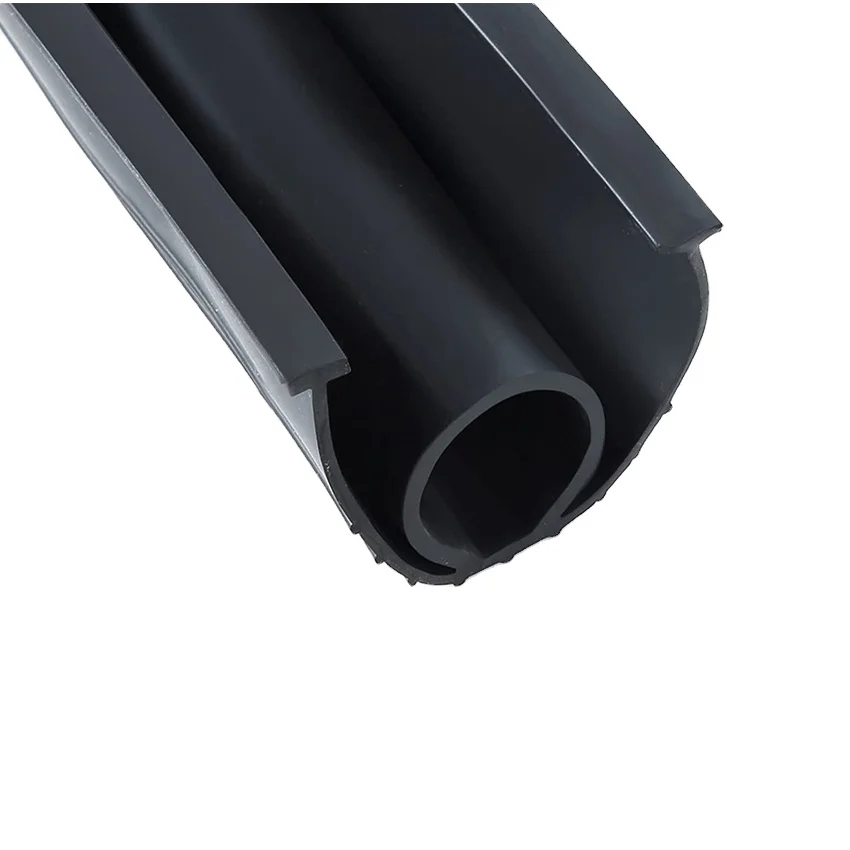
Contact Suzhou Baoshida for Premium Weather Stripping Black Solutions
At Suzhou Baoshida Trading Co., Ltd., we specialize in high-performance industrial rubber solutions tailored to meet the rigorous demands of automotive, construction, and heavy equipment manufacturing. Our weather stripping black products are engineered for durability, sealing efficiency, and long-term resistance to environmental stressors such as UV exposure, ozone, temperature extremes, and compression set. As a trusted OEM partner, we combine advanced material science with precision extrusion and molding technologies to deliver consistent, high-quality rubber profiles that perform under real-world conditions.
If your operation requires reliable, custom-formulated weather stripping in black compounds, we invite you to contact Mr. Boyce, our dedicated OEM Manager and Rubber Formula Engineer. With over a decade of experience in elastomer development and industrial supply chain management, Mr. Boyce leads technical consultations to ensure your specifications are met with exacting standards. Whether you need EPDM, silicone, neoprene, or custom-blend formulations, our team supports clients from prototype to mass production with full documentation, material certifications, and batch traceability.
Our weather stripping black solutions are optimized for applications requiring tight sealing, noise dampening, and protection against moisture and dust ingress. We offer extruded, molded, and spliced profiles in a range of hardnesses, densities, and cross-sectional geometries. Each product is tested for tensile strength, elongation at break, compression deflection, and aging performance to ensure compliance with international standards such as ASTM D2000, ISO 1817, and GB/T 531.1.
Suzhou Baoshida operates under a strict quality management system, with in-house R&D, modern production lines, and advanced testing equipment. We serve global clients with flexible MOQs, competitive pricing, and reliable logistics through our strategic location in the Yangtze River Delta industrial hub.
For technical inquiries, sample requests, or collaboration on custom formulations, direct communication with Mr. Boyce ensures a streamlined and technically accurate response. We prioritize engineering-first dialogue to align material properties with your application requirements.
Technical Specifications Overview
| Property | Test Method | Typical Value |
|---|---|---|
| Material Type | — | EPDM, Silicone, Neoprene (Customizable) |
| Hardness (Shore A) | ASTM D2240 | 50–80 ±5 |
| Tensile Strength | ASTM D412 | ≥8 MPa |
| Elongation at Break | ASTM D412 | ≥250% |
| Compression Set (22h, 70°C) | ASTM D395 | ≤25% |
| Operating Temperature Range | — | -40°C to +150°C (varies by compound) |
| Color | — | Black (Pantone Black 6C equivalent) |
| Density | ASTM D297 | 1.15–1.30 g/cm³ |
To initiate a technical discussion or request product samples, contact Mr. Boyce directly at [email protected]. Include your application details, performance requirements, and preferred dimensions for a targeted response. Suzhou Baoshida is committed to engineering excellence and responsive client support in the industrial rubber sector.
⚖️ O-Ring Weight Calculator
Estimate rubber O-ring weight (Approx).