
Technical Contents
Engineering Guide: Weatherproof Seal
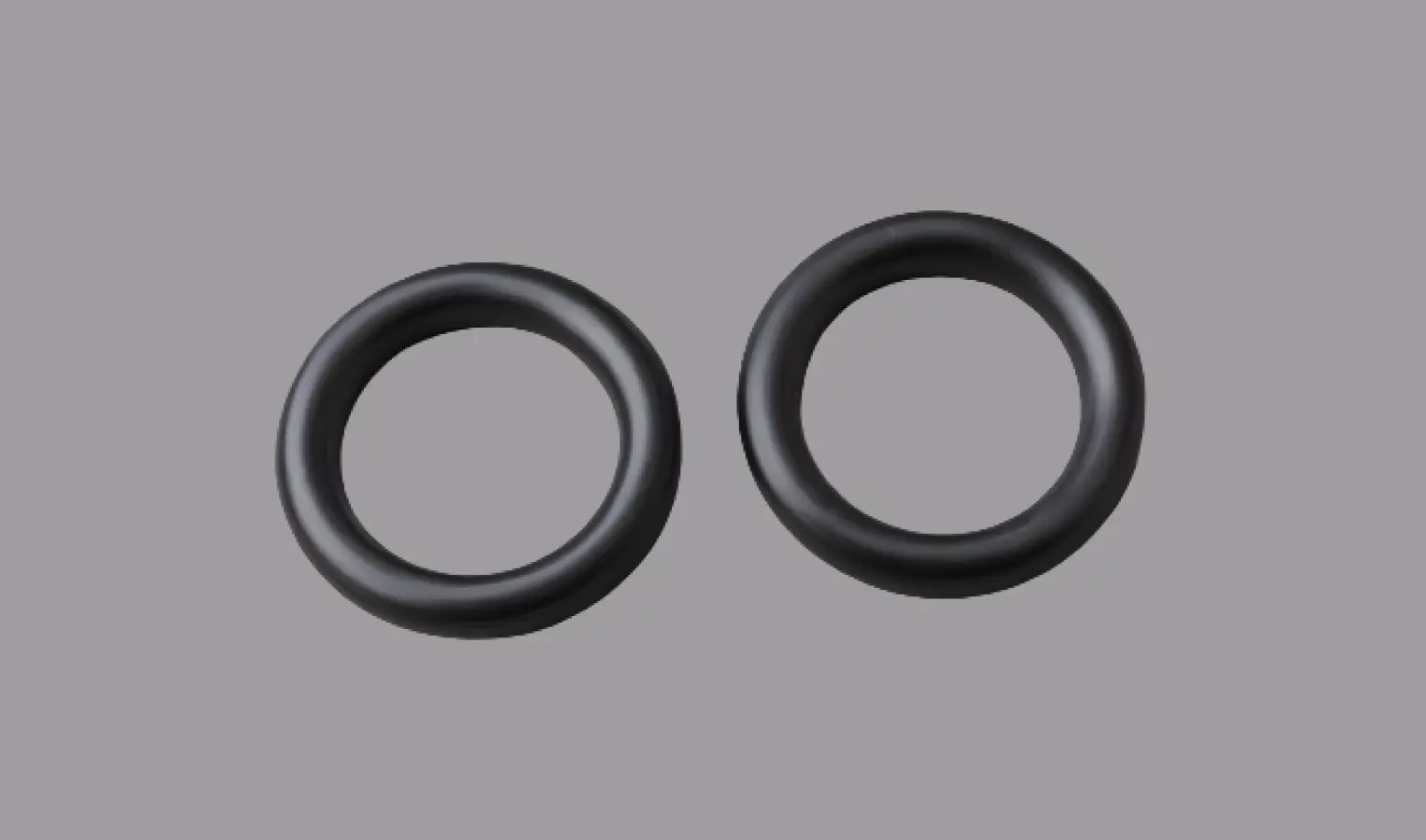
Engineering Insight: The Critical Role of Material Selection in Weatherproof Seals
In the domain of precision rubber seals, the term “weatherproof” implies more than simple resistance to rain or moisture. It demands sustained performance under dynamic environmental stressors—ultraviolet (UV) radiation, thermal cycling, ozone exposure, humidity fluctuations, and chemical contaminants. Off-the-shelf sealing solutions often fail in demanding applications not due to poor design per se, but because of inadequate material selection tailored to specific operational environments. A universal compound does not exist; success lies in engineered specificity.
Standard elastomers such as generic EPDM or low-grade silicone may appear suitable based on initial cost and basic weather resistance. However, they frequently degrade prematurely when exposed to prolonged UV radiation or extreme temperature gradients. For instance, non-stabilized EPDM compounds can crack under intense sunlight due to chain scission caused by UV-ozone interaction. Similarly, low-molecular-weight silicones may leach plasticizers or undergo embrittlement below -50°C, compromising sealing force retention.
At Suzhou Baoshida Trading Co., Ltd., we emphasize application-driven formulation. High-performance weatherproof seals require elastomers with enhanced molecular stability and additive packages designed for longevity. For outdoor electronics enclosures, we utilize peroxide-cured, high-consistency silicone rubber (HCR) with UV absorbers and thermal stabilizers, ensuring integrity from -60°C to +200°C. In construction applications exposed to urban pollutants, we deploy triallyl isocyanurate (TAIC)-modified EPDM with reinforced antioxidant systems to resist ozone levels exceeding 50 ppm.
The failure of off-the-shelf seals often stems from a disconnect between standardized production and real-world variability. These products are typically optimized for broad compatibility rather than environmental fidelity. They lack the fillers, crosslink density, and polymer architecture needed for long-term resilience. Moreover, dimensional tolerances in commercial seals may drift under swelling or compression set, especially when exposed to cyclic wet-dry conditions.
Custom material engineering allows for precise control over durometer, elongation at break, compression set, and surface energy—parameters that directly influence sealing efficacy over time. By matching compound characteristics to service conditions, we mitigate premature aging, extrusion, and stress relaxation.
Below is a comparison of engineered vs. standard materials used in weatherproof sealing applications:
| Property | Engineered HCR Silicone | Standard Silicone | High-Grade EPDM | Commercial EPDM |
|---|---|---|---|---|
| Temperature Range (°C) | -60 to +200 | -50 to +150 | -55 to +150 | -40 to +120 |
| UV Resistance | Excellent (stabilized) | Moderate | Good (with additives) | Poor to Fair |
| Ozone Resistance | Excellent | Excellent | Excellent | Variable |
| Compression Set (70°C, 22h) | ≤20% | ≤30% | ≤15% | ≤40% |
| Tensile Strength (MPa) | 8.5–10.0 | 6.0–7.5 | 10.0–12.0 | 6.0–8.0 |
| Application Suitability | Aerospace, Telecom, EV | Indoor Electronics | Outdoor Infrastructure | General Gaskets |
Material selection is not a secondary consideration—it is the foundation of reliable weatherproof sealing. At Baoshida, we integrate OEM requirements with polymer science to deliver seals that perform predictably across decades, not just seasons.
Material Specifications
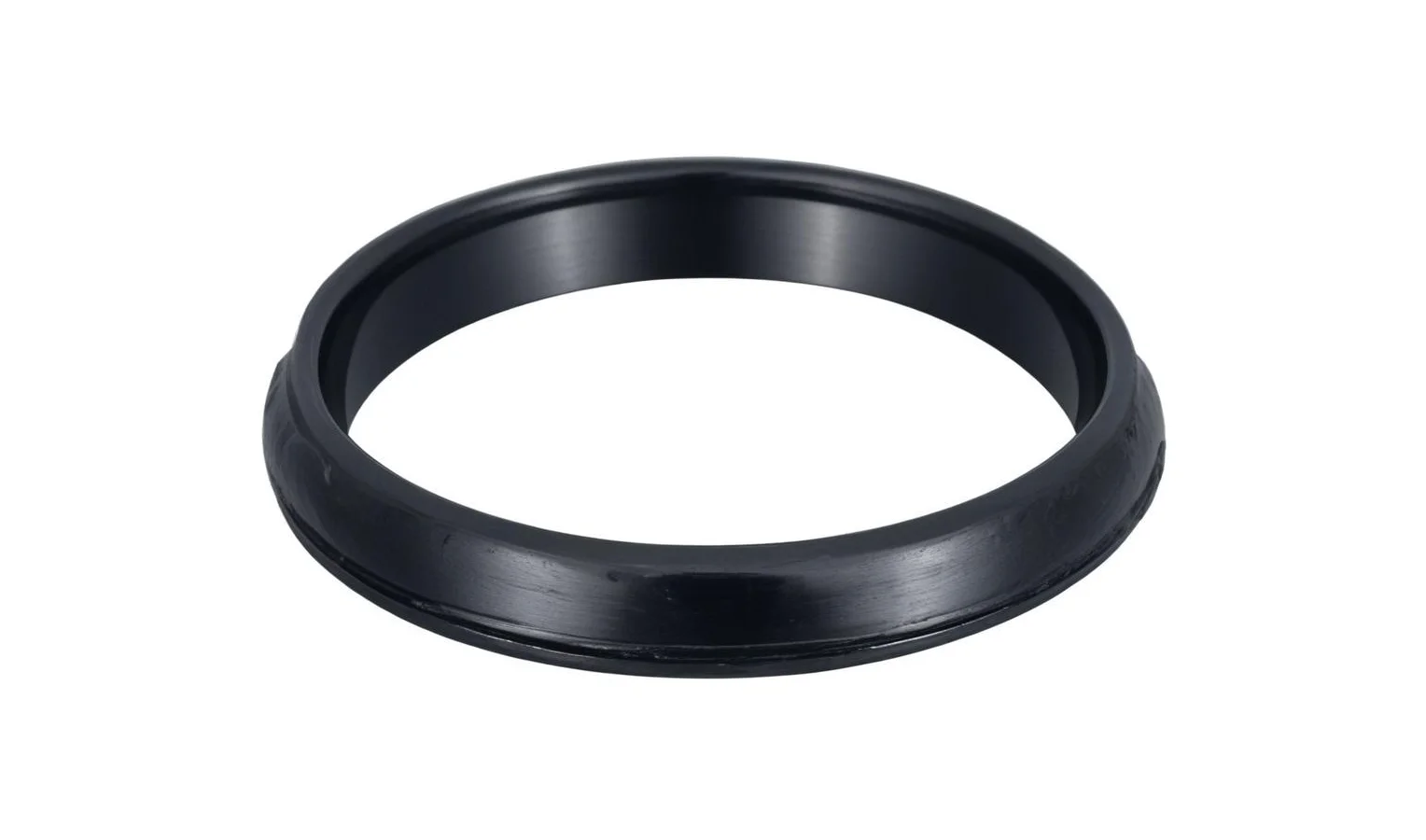
Material Specifications for High-Performance Weatherproof Seals
Selecting the optimal elastomer is critical for weatherproof seals operating under extreme environmental stress. Suzhou Baoshida Trading Co., Ltd. prioritizes material science rigor to ensure seals maintain integrity against UV exposure, thermal cycling, ozone, and chemical ingress. Our engineering team validates all compounds against ASTM D2000 and ISO 3601 standards, with strict adherence to dimensional tolerances per ISO 3302-1. Below we detail three industry-proven materials for demanding outdoor applications, emphasizing quantifiable performance thresholds.
Viton fluoroelastomers (FKM) deliver unparalleled resistance to aggressive chemicals, high-temperature oxidation, and weathering. With a continuous service range of -20°C to +230°C and intermittent peaks up to 250°C, Viton excels in aerospace, semiconductor, and chemical processing environments. Its molecular stability prevents degradation from jet fuels, acids, and hydraulic fluids, though dynamic flexibility diminishes below -15°C. Compression set values remain below 25% after 70 hours at 200°C per ASTM D395, ensuring long-term sealing force retention.
Nitrile butadiene rubber (NBR) offers cost-effective resilience for oil and fuel exposure, with a functional range of -30°C to +120°C. Standard grades withstand petroleum derivatives, water, and aliphatic hydrocarbons but exhibit vulnerability to ozone, ketones, and prolonged UV exposure above 100°C. Baoshida’s hydrogenated NBR (HNBR) variants extend the upper limit to 150°C and improve ozone resistance by 40% versus conventional NBR. Compression set averages 35% after 70 hours at 100°C, making it ideal for automotive fluid systems where cost sensitivity is paramount.
Silicone rubber (VMQ) provides exceptional low-temperature flexibility down to -60°C and thermal stability up to 200°C. Its inorganic backbone resists UV, ozone, and ionizing radiation without plasticizers, though tensile strength is inherently lower than hydrocarbon rubbers. Silicone maintains sealing force across 10,000+ thermal cycles between -55°C and 150°C, with compression set typically under 20% at 150°C. Limitations include poor resistance to concentrated acids and steam above 150°C, restricting use to non-lubricated environments like solar panel junctions and medical outdoor equipment.
Material selection must align with specific operational parameters. The table below summarizes critical comparative metrics for engineering validation.
| Material | Temperature Range (°C) | Key Strengths | Key Limitations | Typical Applications |
|---|---|---|---|---|
| Viton (FKM) | -20 to +230 | Chemical resistance, low gas permeability, ozone stability | High cost, poor low-temp flexibility | Aerospace fuel systems, chemical valves |
| Nitrile (NBR/HNBR) | -30 to +120 (+150 HNBR) | Fuel/oil resistance, abrasion resistance, cost efficiency | Moderate ozone/UV resistance, limited high-temp stability | Automotive gaskets, hydraulic seals |
| Silicone (VMQ) | -60 to +200 | Extreme temp flexibility, UV/ozone resistance, biocompatibility | Low tensile strength, poor steam resistance >150°C | Solar panel seals, outdoor electronics |
Suzhou Baoshida Trading Co., Ltd. leverages decades of OEM collaboration to match material properties with real-world stressors. Consult our engineering team for compound customization addressing unique weatherproofing challenges, including peroxide-cured silicone for enhanced durability or specialty FKM blends for cryogenic resilience. Material datasheets with full ASTM test reports are available upon request.
Manufacturing Capabilities

Engineering Capability
At Suzhou Baoshida Trading Co., Ltd., our engineering capability is anchored in deep technical expertise and a rigorous, science-driven approach to rubber formulation and mold design. We maintain a dedicated team of five professional mold engineers and two specialized rubber formula engineers who work in close integration to deliver high-performance, weatherproof seals tailored to exact OEM specifications. This cross-functional structure enables us to control every phase of development—from material selection and compound optimization to precision tooling and performance validation.
Our mold engineers utilize advanced CAD/CAM software, including SolidWorks, AutoCAD, and UG NX, to design complex sealing profiles with micron-level accuracy. Each mold is engineered for optimal flow dynamics, dimensional stability, and extended service life under harsh environmental conditions. Finite element analysis (FEA) is routinely applied to simulate compression set, stress distribution, and thermal deformation, ensuring reliability before prototyping begins.
Complementing this is our in-house rubber formulation laboratory, where our formula engineers develop custom elastomer compounds specifically engineered to resist UV exposure, ozone, extreme temperatures, and moisture ingress—critical factors in long-term weatherproof performance. We specialize in EPDM, silicone (VMQ), fluorosilicone (FVMQ), and hydrogenated nitrile (HNBR) formulations, each optimized for targeted resistance profiles. Our formulation process follows a Design of Experiments (DoE) methodology, allowing systematic adjustment of fillers, curatives, and stabilizers to achieve desired Shore A hardness, tensile strength, and aging resistance.
All compounds are validated per international standards, including ASTM D2000, ISO 3302, and ISO 2230. Accelerated aging tests, water immersion, and thermal cycling are conducted in controlled environmental chambers to simulate years of outdoor exposure within weeks. This data-driven development cycle ensures that every seal we produce meets or exceeds OEM durability benchmarks.
We support full OEM collaboration, from initial concept and 3D modeling to DFM reviews, rapid prototyping, and serial production. Our engineering team works directly with client R&D departments to align material properties and geometries with application-specific demands, such as automotive exterior trim, outdoor electronic enclosures, or solar panel framing systems.
The following table outlines typical performance specifications for our standard weatherproof sealing materials:
| Material | Temperature Range (°C) | Hardness (Shore A) | Tensile Strength (MPa) | Elongation at Break (%) | Key Resistance Properties |
|---|---|---|---|---|---|
| EPDM | -50 to +150 | 50–80 | ≥10 | ≥300 | UV, ozone, water, steam |
| Silicone (VMQ) | -60 to +200 | 40–80 | ≥6 | ≥250 | Extreme temp, UV, oxidation |
| Fluorosilicone (FVMQ) | -55 to +175 | 50–80 | ≥5 | ≥200 | Fuel vapors, UV, ozone |
| HNBR | -40 to +170 | 55–85 | ≥12 | ≥280 | Heat, oil, weathering |
Through this integrated engineering model, Suzhou Baoshida delivers technically superior, application-optimized weatherproof seals that ensure long-term integrity in demanding environments.
Customization Process
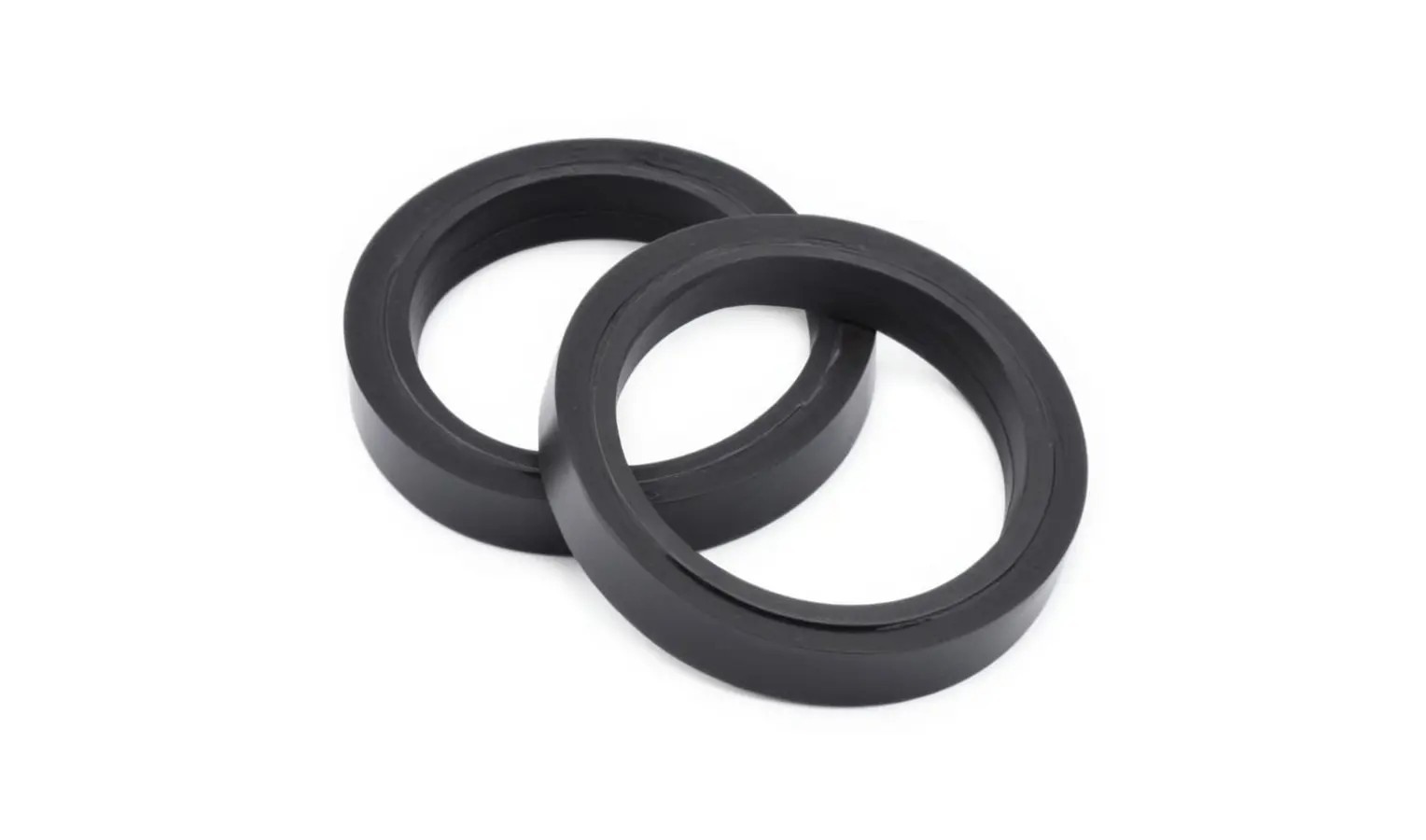
Customization Process for Precision Weatherproof Seals
At Suzhou Baoshida Trading Co., Ltd., our customization workflow for weatherproof rubber seals integrates rigorous engineering analysis with material science expertise to ensure optimal performance in extreme environmental conditions. The process begins with Drawing Analysis, where our engineering team conducts a joint review of client-provided CAD files and technical specifications. We verify dimensional tolerances per ISO 2768-mK, assess sealing surface geometries, and identify critical cross-section constraints. Material compatibility requirements—such as resistance to ozone, UV exposure, or specific fluids—are cross-referenced against OEM environmental data sheets. This phase includes feasibility assessment for complex profiles like quad rings or custom T-seals, ensuring manufacturability without compromising sealing integrity.
Formulation Development follows, leveraging our proprietary elastomer database and accelerated aging protocols. Our rubber chemists select base polymers (e.g., EPDM for broad weather resistance or FKM for high-temperature fuel exposure) and optimize filler systems, curatives, and stabilizers. Key parameters include compression set resistance below 25% after 70 hours at 150°C (ASTM D395) and Shore A hardness stability within ±3 points across -50°C to +150°C. All compounds comply with ISO 1817 fluid resistance standards and are traceable to FDA 21 CFR 177.2600 or UL 746C where required. Client-specific additives—such as conductive carbon for EMI shielding—are incorporated at this stage with precise dispersion control.
Prototyping utilizes precision CNC-machined molds to produce 5–10 validation samples. Each prototype undergoes multi-axis dimensional verification via CMM (accuracy ±0.02mm) and functional testing in simulated operational environments. We execute dynamic compression tests per SAE AS568, salt spray exposure (ASTM B117), and thermal cycling from -40°C to +120°C. Accelerated aging data is correlated against real-time field performance models to predict service life. Client feedback on prototype performance triggers iterative refinements, typically resolving 95% of design challenges within two cycles.
Mass Production commences only after formal client sign-off on PPAP Level 3 documentation. We deploy statistical process control (SPC) with real-time monitoring of cure temperature, pressure, and dwell time. Every production lot undergoes 100% visual inspection and batch-level validation against the critical specifications below. Our Suzhou facility maintains IATF 16949-certified workflows, ensuring lot traceability from raw material certificates to finished goods.
| Property | Test Standard | Performance Target | Validation Method |
|---|---|---|---|
| Temperature Range | ASTM D573 | -55°C to +160°C | TGA + Dynamic Mechanical Analysis |
| Compression Set | ASTM D395 | ≤20% (70h/150°C) | Hydraulic Compression Jig |
| Fluid Resistance | ISO 1817 | Volume swell ≤15% (IRM 903) | Immersion Testing |
| UV/Ozone Resistance | ASTM D1149 | No cracking (100pphm, 50pphm) | Accelerated Weathering Chamber |
This end-to-end methodology reduces time-to-market by 30% while guaranteeing seals withstand 15+ years of outdoor exposure. All processes are auditable via our digital quality management system, providing OEMs with full transparency from compound formulation to shipment.
Contact Engineering Team
Contact Suzhou Baoshida for Advanced Weatherproof Seal Solutions
At Suzhou Baoshida Trading Co., Ltd., we specialize in the engineering and supply of precision rubber seals designed for extreme environmental resilience. Our weatherproof seals are formulated to meet the rigorous demands of industrial, automotive, marine, and outdoor electronic applications where long-term sealing integrity is non-negotiable. With advanced material science at the core of our manufacturing process, we deliver custom elastomeric solutions that resist UV degradation, ozone exposure, thermal cycling, and moisture ingress—ensuring reliable performance across diverse operational conditions.
Our team of rubber formulation engineers applies decades of combined experience to develop compounds tailored to your application’s specific pressure, temperature, and chemical exposure requirements. Whether you require EPDM, silicone, fluorosilicone, or custom blended rubber profiles, we ensure dimensional accuracy, compression set resistance, and consistent durometer control across production batches. Every seal is manufactured under ISO 9001-certified quality management protocols, guaranteeing repeatability and compliance with international standards.
For OEMs and industrial manufacturers seeking a dependable supply chain partner, Suzhou Baoshida offers end-to-end support—from prototype development and material validation to high-volume production and global logistics. We understand that sealing failure can lead to costly downtime, warranty claims, and reputational risk. That is why we prioritize material longevity, environmental compatibility, and sealing efficiency in every product we deliver.
To initiate a technical consultation or request a custom quote, contact Mr. Boyce, our dedicated OEM Account Manager. Mr. Boyce brings specialized expertise in rubber-to-metal bonding, gasket design, and accelerated aging testing protocols, enabling him to guide clients through material selection, tolerance optimization, and regulatory compliance. He is available to review your sealing challenges, provide engineering recommendations, and coordinate sample submissions for performance evaluation.
We invite you to leverage our technical capabilities and responsive service model to strengthen your product reliability and time-to-market efficiency. Suzhou Baoshida is committed to being an extension of your engineering team—delivering precision, consistency, and innovation with every order.
The following table outlines key performance specifications for our standard weatherproof seal materials:
| Material | Temperature Range (°C) | Shore A Hardness Range | Tensile Strength (MPa) | Elongation at Break (%) | Key Resistance Properties |
|---|---|---|---|---|---|
| EPDM | -50 to +150 | 50–90 | 8–15 | 200–400 | UV, ozone, water, steam |
| Silicone | -60 to +200 | 30–80 | 5–10 | 200–600 | Extreme temps, UV, oxidation |
| Fluorosilicone | -55 to +175 | 50–80 | 6–9 | 150–300 | Fuels, solvents, UV, low/high temp |
| Neoprene | -40 to +120 | 50–85 | 10–17 | 250–350 | Ozone, weathering, moderate oil resistance |
| Viton® (FKM) | -20 to +230 | 60–90 | 12–20 | 150–250 | High-temp oils, fuels, acids, UV degradation |
Contact Mr. Boyce directly at [email protected] to discuss your technical requirements, request material test reports, or schedule a design review. We respond to all inquiries within 12 business hours and offer rapid prototyping services for urgent development cycles. Partner with Suzhou Baoshida and secure a supply chain solution built on precision, science, and industrial reliability.
⚖️ O-Ring Weight Calculator
Estimate rubber O-ring weight (Approx).