
Technical Contents
Engineering Guide: Welding Hose Reels
Engineering Insight: Material Selection in Welding Hose Reels
In industrial environments where welding operations are continuous and demanding, the performance of hose reels is directly tied to material integrity. Off-the-shelf welding hose reels often fail prematurely due to inadequate material selection, leading to downtime, safety hazards, and increased operational costs. At Suzhou Baoshida Trading Co., Ltd., we emphasize engineered rubber solutions that meet the rigorous chemical, thermal, and mechanical demands of welding applications.
Standard hose reels are typically constructed using generic elastomers and low-grade polymers that lack resistance to ozone, UV radiation, and repeated flexing. These materials degrade rapidly when exposed to welding sparks, spatter, and elevated temperatures—common conditions in fabrication shops and automated production lines. The result is cracking, hardening, or embrittlement of the hose jacket, which compromises both gas integrity and operator safety.
Critical to long-term reliability is the selection of specialty rubber compounds such as EPDM, Nitrile (NBR), or chloroprene (Neoprene), each offering distinct advantages under specific service conditions. EPDM provides superior resistance to heat and ozone, making it ideal for outdoor or high-temperature environments. Nitrile excels in oil and fuel resistance, beneficial in mixed industrial settings. Chloroprene balances flame resistance, flexibility, and durability—particularly effective in welding applications where spark exposure is frequent.
Equally important is reinforcement architecture. High-performance hose reels incorporate braided textile or steel wire reinforcement beneath the rubber jacket to withstand internal pressure surges and mechanical abrasion. Inferior products often omit this layer or use substandard weaving techniques, resulting in kinking, bursting, or restricted retraction.
Another overlooked factor is the compatibility between the hose material and the gases being conveyed—typically oxygen, acetylene, argon, or CO₂. Permeation and chemical interaction can weaken the hose wall over time, especially if the elastomer is not chemically inert to the media. For example, acetylene can react with certain rubber formulations, accelerating degradation.
Custom-engineered solutions from Suzhou Baoshida integrate material science with application-specific design. We conduct thorough analysis of operating temperature, media type, flex cycles, and environmental exposure to select the optimal compound and construction method.
The following table outlines key material properties relevant to welding hose reel performance:
| Material | Temperature Range (°C) | Ozone Resistance | Flame Resistance | Flexural Endurance | Media Compatibility |
|---|---|---|---|---|---|
| EPDM | -50 to +150 | Excellent | Moderate | High | Oxygen, inert gases |
| Nitrile (NBR) | -30 to +100 | Poor | Low | High | Oils, fuels, CO₂ |
| Chloroprene | -40 to +120 | Good | Excellent | Very High | Acetylene, oxygen, general welding |
| Silicone | -60 to +200 | Good | Low | Moderate | High-temp inert gas transfer |
Material selection is not a one-size-fits-all decision. It is a precision engineering requirement. By moving beyond generic off-the-shelf products and adopting purpose-built rubber solutions, industrial operators ensure longevity, safety, and operational continuity in welding environments.
Material Specifications
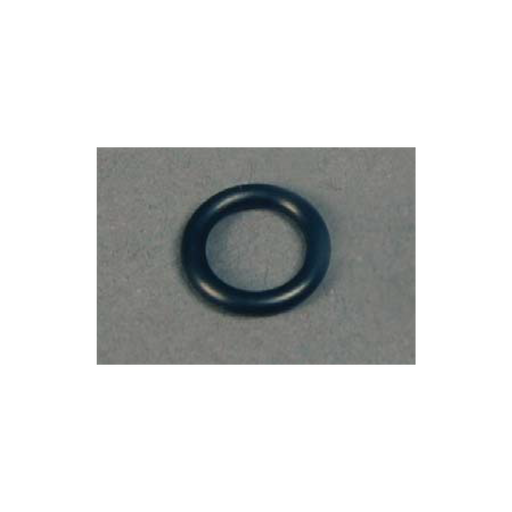
Material Specifications for Welding Hose Reels
Material selection for welding hose reels is critical due to extreme operational demands including thermal cycling, exposure to hydraulic fluids, ozone, and mechanical stress from constant retraction. At Suzhou Baoshida Trading Co., Ltd., we prioritize elastomer formulations that maintain structural integrity under welding-specific conditions. Viton (FKM), Nitrile (NBR), and Silicone represent industry-standard solutions, each with distinct performance boundaries. Welding environments generate temperatures exceeding 200°C near the torch, coupled with exposure to petroleum-based hydraulic oils and molten spatter. Substandard materials degrade rapidly, causing leaks, hose stiffening, or catastrophic reel failure. Our engineering team validates all compounds against ASTM D2000 and ISO 37 standards to ensure compliance with OEM durability requirements.
Viton (FKM) is the premium choice for high-temperature welding applications. Its fluorocarbon backbone delivers continuous service up to 230°C, resisting thermal degradation from MIG/TIG spatter. Viton exhibits near-immunity to synthetic hydraulic fluids, glycols, and brake fluids commonly used in automated welding rigs. Compression set remains below 25% after 70 hours at 150°C, preserving seal integrity during prolonged shifts. However, its cost is 3–4× higher than Nitrile, making it ideal for robotic welding cells where downtime costs justify the investment.
Nitrile (NBR) offers optimal cost-performance balance for general-purpose welding reels. With a continuous temperature limit of 100°C, it suits manual welding stations with lower thermal loads. NBR provides excellent resistance to petroleum oils and greases, achieving >90% volume retention after 70 hours in ASTM No. 3 oil at 100°C. Its tensile strength (15–25 MPa) withstands reel tension forces, though ozone cracking may occur in unshielded outdoor installations. We recommend NBR for budget-conscious OEMs operating below 100°C ambient with standard hydraulic systems.
Silicone excels in extreme low-temperature flexibility (-60°C) and high-purity applications but has critical limitations for welding. While it tolerates 200°C continuous heat, its poor resistance to oils and fuels causes rapid swelling in hydraulic environments. Silicone’s tensile strength (5–8 MPa) is insufficient for high-torque reel mechanisms, risking extrusion under pressure. We restrict its use to specialized welding reels handling non-petroleum media like water-glycol coolants in cleanroom settings.
Material Performance Comparison for Welding Hose Reels
| Material | Continuous Temp Range | Hydraulic Fluid Resistance | Ozone Resistance | Tensile Strength (MPa) | Elongation at Break (%) | Hardness Range (Shore A) |
|---|---|---|---|---|---|---|
| Viton (FKM) | -20°C to 230°C | Excellent (Volume swell <15%) | Exceptional | 10–18 | 150–300 | 60–80 |
| Nitrile (NBR) | -30°C to 100°C | Good (Volume swell 20–40%) | Poor | 15–25 | 250–500 | 50–90 |
| Silicone | -60°C to 200°C | Poor (Volume swell >50%) | Good | 5–8 | 200–600 | 30–80 |
Selection must align with fluid media, temperature profiles, and lifecycle cost analysis. Viton dominates high-end automated welding where thermal stability is non-negotiable. NBR remains the workhorse for cost-sensitive manual operations under 100°C. Silicone’s niche applicability requires rigorous validation against hydraulic compatibility. Suzhou Baoshida provides material certification dossiers and accelerated aging test data to support OEM material qualification protocols. Always consult our engineering team to match reel specifications with your welding process parameters.
Manufacturing Capabilities
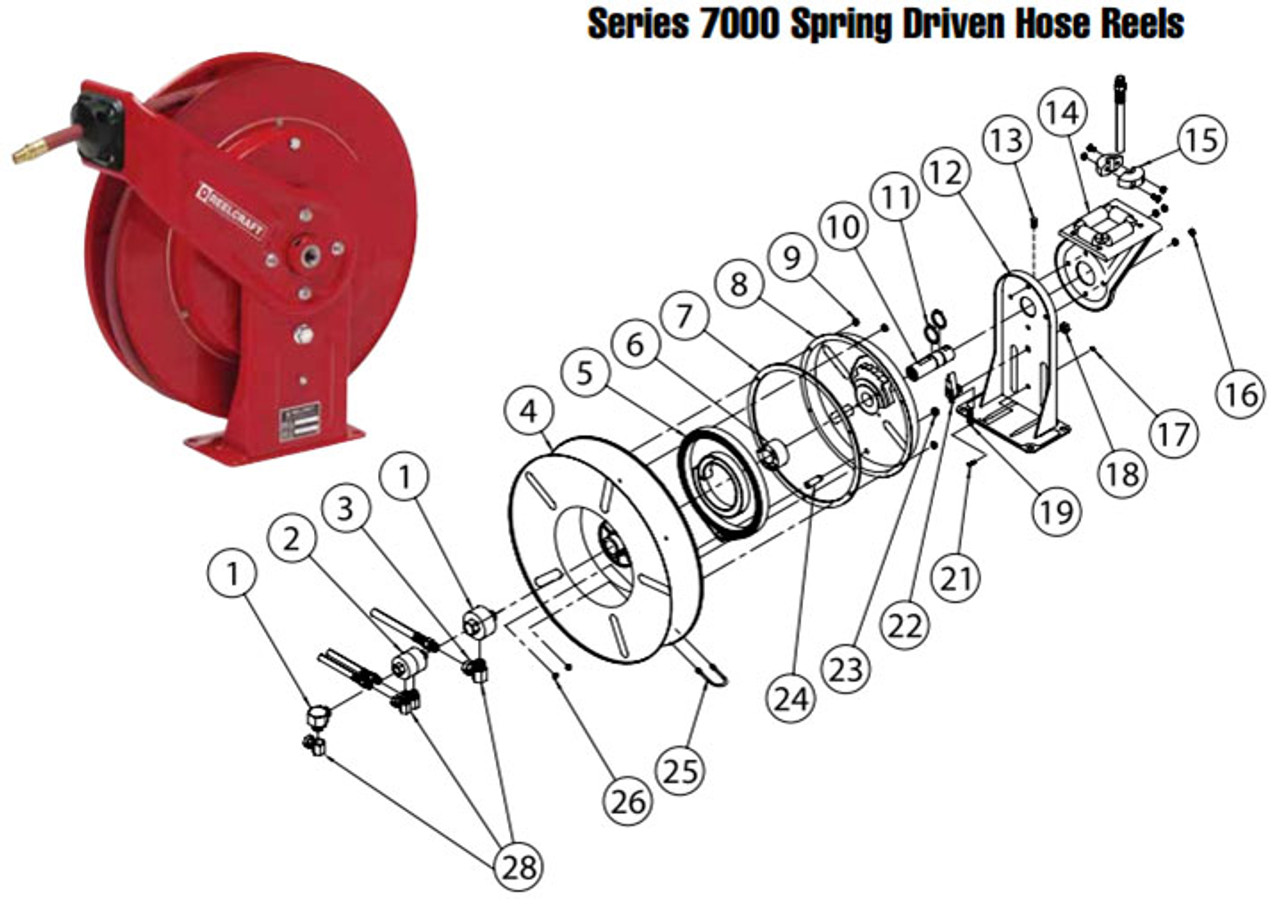
Engineering Capability
At Suzhou Baoshida Trading Co., Ltd., our engineering capability forms the backbone of our industrial rubber solutions, particularly in the design and production of high-performance welding hose reels. With a dedicated team of five experienced mould engineers and two specialized rubber formula engineers, we maintain full in-house control over the product development lifecycle. This integrated technical team ensures precision engineering, material optimization, and rapid prototyping tailored to OEM requirements.
Our mould engineers possess extensive expertise in precision tooling for complex rubber and thermoplastic components. They utilize advanced CAD/CAM systems and finite element analysis (FEA) to design robust, high-cycle-life moulds that support consistent production of welding hose reels with tight dimensional tolerances. These engineers collaborate directly with clients during the design phase to optimize part geometry, wall thickness distribution, and gate placement—critical factors in ensuring long-term durability under industrial stress conditions.
Complementing this capability are our two certified rubber formula engineers, who focus on material science and compound development. They formulate custom elastomer blends that meet specific performance demands such as flame resistance, ozone stability, oil resistance, and low-temperature flexibility—key attributes for welding hose reels exposed to harsh workshop environments. By controlling the compounding process internally, we eliminate reliance on third-party rubber suppliers, ensuring consistent quality and the ability to tailor physical properties to client specifications.
This synergy between mould design and material engineering enables us to offer comprehensive OEM services. We support clients from concept to mass production, providing DFM (Design for Manufacturability) feedback, prototype validation, and full-scale tooling execution. Our facility is equipped with CNC machining centers, rubber mixing labs, and injection/compression moulding lines, enabling rapid iteration and scalable output.
We specialize in producing welding hose reels that integrate seamlessly into automated welding systems, offering reliable retraction performance, abrasion resistance, and long service life. Our engineering team routinely develops solutions that improve torsional strength, reduce spring fatigue, and enhance sealing integrity at connection points.
The following table outlines key technical specifications achievable through our engineering and manufacturing platform:
| Parameter | Typical Value / Range | Test Standard |
|---|---|---|
| Hardness (Shore A) | 60–85 | ASTM D2240 |
| Tensile Strength | ≥12 MPa | ASTM D412 |
| Elongation at Break | ≥250% | ASTM D412 |
| Heat Aging Resistance | 70°C × 72h, ΔHardness ≤ ±15 pts | ASTM D573 |
| Oil Resistance (IRM 903) | Volume Swell ≤35% | ASTM D471 |
| Flame Resistance | Self-extinguishing (V-0 optional) | UL 94 |
| Operating Temperature Range | -30°C to +120°C (extended options) | Internal Validation |
| Mould Tolerance | ±0.05 mm | ISO 2768 |
Our engineering framework is built on continuous improvement and technical accountability, ensuring every welding hose reel meets the rigorous demands of industrial automation and safety compliance.
Customization Process
Customization Process for Industrial Welding Hose Reels
At Suzhou Baoshida Trading Co., Ltd., our customization process for welding hose reels integrates rigorous rubber science with precision manufacturing to meet exact OEM specifications. This four-phase methodology ensures optimal performance under demanding industrial conditions while adhering to global safety standards.
Phase 1: Drawing Analysis and Requirement Validation
We initiate with a comprehensive technical review of client-provided schematics, focusing on dimensional tolerances, fluid compatibility, and operational stress points. Critical parameters such as reel diameter, hose bend radius, and mounting interface geometry are cross-referenced against ISO 1307 and SAE J517 standards. This phase identifies potential material limitations early, preventing downstream redesigns. Client feedback loops are established within 72 hours to resolve ambiguities in pressure ratings or environmental exposure requirements.
Phase 2: Rubber Compound Formulation
Based on validated drawings, our rubber formula engineering team develops bespoke elastomer compounds. For welding applications, we prioritize ozone resistance, heat aging stability, and flame retardancy. Standard formulations utilize EPDM or silicone (VMQ) bases, reinforced with silica/carbon black hybrids to achieve 15–20 MPa tensile strength. Additives are calibrated to ensure compatibility with welding gases (e.g., CO₂, argon) and resistance to spatter-induced abrasion. Each formulation undergoes predictive modeling for compression set (<25% at 100°C) and low-temperature flexibility (down to -50°C).
Phase 3: Prototyping and Validation Testing
Precision-molded prototypes are subjected to accelerated lifecycle testing. Hose reels undergo 10,000+ retraction cycles at 1.5x rated pressure to validate fatigue resistance. Burst pressure tests exceed 4x operational limits per EN 13765, while thermal aging tests confirm stability at continuous 120°C exposure. Third-party certifications (e.g., CE, UL) are initiated during this phase. Client approval requires documented evidence of all test results, including video verification of retraction smoothness and leakage checks at 25 MPa.
Phase 4: Mass Production and Quality Assurance
Approved prototypes transition to ISO 9001-certified production lines with real-time statistical process control. Each reel batch undergoes 100% pressure testing at 1.5x working pressure for 5 minutes, with automated vision systems inspecting for surface defects. Traceable documentation includes material batch certificates, cure monitoring data, and final inspection reports. We maintain ±0.1 mm dimensional tolerances on critical interfaces to ensure seamless OEM integration.
Key Performance Specifications for Welding Hose Reels
| Parameter | Standard Requirement | Testing Standard |
|---|---|---|
| Maximum Working Pressure | 25 MPa | ISO 1402 |
| Burst Pressure | ≥ 100 MPa | EN 13765 |
| Temperature Range | -50°C to +120°C | ASTM D2240 |
| Bend Radius Tolerance | ±1.5 mm | ISO 1307 |
| Ozone Resistance | No cracks (50 ppm) | ASTM D1149 |
This structured approach minimizes time-to-market while guaranteeing reels withstand 15,000+ operational cycles in harsh welding environments. Suzhou Baoshida’s commitment to material science precision ensures every custom reel delivers leak-free performance, reducing client downtime by up to 30% versus generic alternatives. All production data is archived for 10 years to support long-term quality audits.
Contact Engineering Team
For industrial manufacturers seeking high-performance welding hose reels engineered for durability, safety, and operational efficiency, Suzhou Baoshida Trading Co., Ltd. stands as a trusted partner in advanced rubber solutions. Our engineering team specializes in the design and production of custom-configured hose reels tailored to the rigorous demands of welding environments, including resistance to heat, abrasion, oil, and repeated flexing. Every product is developed under strict quality control protocols to ensure compliance with international industrial standards, including ISO 9001 and CE certification.
Our welding hose reels are constructed using premium synthetic rubber compounds, reinforced with high-tensile textile or steel braiding to deliver exceptional pressure handling and kink resistance. Whether your application requires compact reels for MIG/MAG welding or heavy-duty reels for industrial robotic systems, we offer scalable solutions with adjustable retraction force, swivel joints for 360° rotation, and corrosion-resistant housings. We support customization in hose length, diameter, coupling types (such as CEJN, ARO, or Parker), and reel mounting configurations to integrate seamlessly into existing production lines.
We understand that reliability in welding operations directly impacts productivity and safety. That is why our reels are tested under simulated industrial conditions, including thermal cycling from -30°C to +90°C and pressure endurance up to 30 bar, ensuring long service life even in high-cycle environments. Our commitment to precision engineering extends to material traceability, batch testing, and full documentation for OEM and Tier-1 supply chain requirements.
For technical collaboration, volume procurement, or custom engineering support, we invite you to contact Mr. Boyce, OEM Manager and Rubber Formula Engineer at Suzhou Baoshida Trading Co., Ltd. Mr. Boyce leads our industrial rubber formulation and product development initiatives, bringing over 12 years of experience in elastomer science and industrial fluid handling systems. He is available to discuss your specific performance criteria, regulatory needs, and integration challenges to deliver a technically optimized solution.
Reach out today to request product specifications, material test reports, or a direct consultation. Partner with a manufacturer that combines material science expertise with industrial pragmatism.
| Specification | Detail |
|---|---|
| Hose Material | Nitrile Rubber (NBR) / EPDM with textile/steel reinforcement |
| Operating Temperature | -30°C to +90°C |
| Max Working Pressure | 30 bar (435 psi) |
| Retraction Mechanism | Spring-assisted auto-retraction |
| Swivel Joint | Chrome-plated brass or stainless steel, 360° rotation |
| Coupling Options | CEJN, ARO, Parker, or custom |
| Reel Housing | Powder-coated steel or UV-stabilized ABS |
| Mounting Types | Wall, ceiling, or floor stand |
| Standards Compliance | ISO 9001, CE, RoHS |
Contact Mr. Boyce directly at [email protected] for engineering inquiries, quotations, or technical data sheets. Let Suzhou Baoshida be your strategic supplier for mission-critical welding hose reel systems.
⚖️ O-Ring Weight Calculator
Estimate rubber O-ring weight (Approx).