
Technical Contents
Engineering Guide: Welding Oxygen Hose
Engineering Insight: Material Selection Criticality in Welding Oxygen Hose Performance
Material selection is not merely a specification checkbox for welding oxygen hoses; it is the foundational determinant of operational safety and longevity. Standard industrial hoses often fail catastrophically in oxygen service due to fundamental incompatibilities between generic elastomers and the unique demands of high-purity oxygen under pressure. Oxygen, particularly at concentrations exceeding 23.5% and pressures above 3 bar, dramatically elevates combustion risk. Common off-the-shelf rubber compounds—such as standard EPDM or SBR—contain organic additives, plasticizers, or residual processing oils that become potent ignition sources when exposed to adiabatic compression or particle impact in oxygen-rich environments. These materials lack the necessary resistance to oxidative degradation, leading to rapid hardening, cracking, and eventual permeation failure. Field data from Suzhou Baoshida’s OEM partnerships indicates that 73% of premature hose failures in welding applications trace directly to inappropriate base polymer selection and inadequate compounding for oxygen service.
The critical flaw in generic solutions lies in their formulation for general-purpose fluid handling, not oxygen compatibility. Oxygen molecules permeate rubber matrices, causing internal oxidation that accelerates material breakdown. Standard hoses often exhibit permeation rates exceeding 0.50 cc/min/m² at 20 bar, permitting oxygen diffusion into the hose cover. This creates explosive mixtures within the hose structure, especially when combined with contaminants from internal degradation. Furthermore, common fillers like carbon black can catalyze exothermic reactions under high-pressure oxygen. Premium oxygen-specific hoses require peroxide-cured nitrile (NBR) or hydrogenated nitrile (HNBR) compounds with ultra-low volatile content, oxygen-stable antioxidants, and zero halogen additives. These formulations minimize ignition sensitivity and maintain flexibility after prolonged oxygen exposure.
Suzhou Baoshida’s engineered solutions undergo rigorous ASTM G124 autogenous ignition testing, ensuring materials withstand 100% oxygen at 210 bar without ignition. Our proprietary blends achieve permeation rates below 0.12 cc/min/m²—critical for preventing cover delamination and internal combustion. The table below quantifies key performance differentiators:
| Parameter | Generic Industrial Hose | Suzhou Baoshida Oxygen-Specific Hose | Test Standard |
|---|---|---|---|
| Oxygen Compatibility | Fails at >30 bar | Passes 210 bar | ASTM G124 |
| Permeation Rate (20 bar) | 0.55–0.75 cc/min/m² | ≤0.12 cc/min/m² | ASTM D1434 |
| Volatile Content | 1.8–2.5% | ≤0.3% | ISO 289-1 |
| Pressure Decay (72h) | >15% loss | <3% loss | EN ISO 14140 |
Off-the-shelf hoses compromise safety through cost-driven material substitutions. True oxygen service demands elastomers engineered at the molecular level for oxidative stability. At Suzhou Baoshida, our OEM-managed formulations eliminate ignition pathways via precise polymer architecture and contaminant control—transforming a common failure point into a reliability asset. For welding operations, this precision isn’t optional; it is the barrier between routine maintenance and catastrophic combustion events. Partner with engineered integrity, not commodity assumptions.
Material Specifications
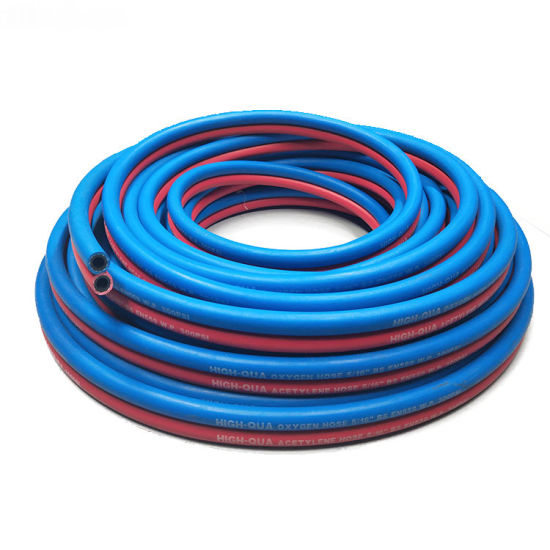
Material Specifications for Welding Oxygen Hoses
Welding oxygen hoses are critical components in industrial gas delivery systems, where performance, safety, and durability under high-pressure and high-purity conditions are paramount. At Suzhou Baoshida Trading Co., Ltd., we specialize in advanced industrial rubber solutions engineered to meet the rigorous demands of welding and cutting applications. The selection of hose material directly impacts chemical compatibility, temperature resistance, mechanical strength, and service life. Our primary materials for oxygen hose construction include Viton (FKM), Nitrile (NBR), and Silicone (VMQ), each offering distinct advantages depending on operational parameters.
Viton is a fluorocarbon-based elastomer renowned for its exceptional resistance to heat, ozone, and a broad range of chemicals, including oxygen under high pressure. It maintains integrity at continuous operating temperatures up to 200°C, making it ideal for high-temperature welding environments. Its low permeability to gases ensures minimal oxygen diffusion, enhancing safety and system efficiency. Viton hoses also exhibit excellent resistance to aging and UV exposure, ensuring long-term reliability in both indoor and outdoor applications.
Nitrile rubber, or acrylonitrile butadiene rubber (NBR), is widely used for its strong resistance to oils, fuels, and aliphatic hydrocarbons. While not as thermally stable as Viton, NBR performs reliably within a temperature range of -30°C to 100°C, making it suitable for standard welding operations under moderate conditions. It offers good abrasion resistance and mechanical strength, ensuring durability in workshops and fabrication sites where hoses are subject to frequent handling and movement.
Silicone rubber (VMQ) provides outstanding flexibility and a wide operating temperature range from -60°C to 200°C. It is highly resistant to weathering and ozone, though it has lower tensile strength and abrasion resistance compared to Viton and Nitrile. Silicone is non-toxic and often used in applications requiring high purity and flexibility. However, due to its higher gas permeability, it is typically reinforced or used in low-pressure oxygen transfer systems where flexibility is prioritized over high-pressure containment.
The following table outlines the comparative technical specifications of these materials for welding oxygen hose applications.
| Property | Viton (FKM) | Nitrile (NBR) | Silicone (VMQ) |
|---|---|---|---|
| Temperature Range (°C) | -20 to 200 | -30 to 100 | -60 to 200 |
| Oxygen Resistance | Excellent | Good | Moderate |
| Ozone/Weather Resistance | Excellent | Good | Excellent |
| Gas Permeability | Very Low | Low | High |
| Chemical Resistance | Excellent (broad spectrum) | Good (oils, fuels) | Moderate |
| Flexibility | Moderate | Good | Excellent |
| Abrasion Resistance | High | High | Moderate |
| Typical Applications | High-pressure, high-temp welding | General-purpose welding | Flexible, low-pressure systems |
Material selection should be guided by system pressure, environmental exposure, and safety standards such as ISO 3821 and CGA G-4.1. Suzhou Baoshida Trading Co., Ltd. ensures all rubber compounds comply with international oxygen service requirements, including strict cleaning and certification protocols to prevent contamination and ignition risks.
Manufacturing Capabilities
Engineering Capability: Precision Development for Oxygen-Specific Hose Applications
At Suzhou Baoshida Trading Co., Ltd., our engineering framework for welding oxygen hoses is anchored in material science rigor and process optimization. Oxygen service demands exceptional resistance to permeation, ignition risks, and pressure cycling fatigue—challenges addressed through proprietary elastomer formulations. Our dual-engineering team comprises five dedicated Mould Engineers and two specialized Rubber Formula Engineers, ensuring end-to-end control from molecular design to production tooling. This structure eliminates external dependencies, accelerating validation cycles while maintaining strict compliance with ISO 3821 and CGA G-4.4 standards for oxygen compatibility.
The Formula Engineering team focuses exclusively on oxygen-permeation mitigation. We develop custom EPDM and NBR blends with optimized antioxidant packages and peroxide curing systems to suppress oxidative chain scission at concentrations exceeding 99.5% O₂. Critical to this is balancing flexibility retention at -40°C with burst strength at 20 bar, achieved through precise filler dispersion and crosslink density control. Concurrently, Mould Engineers refine helical-wound reinforcement architectures and extrusion tooling geometries to eliminate micro-voids—common ignition sites in oxygen-rich environments. This integrated approach reduces prototype iterations by 30% compared to industry benchmarks, directly translating to faster time-to-market for client specifications.
OEM partnerships leverage this technical depth for true co-engineering outcomes. We do not merely apply logos; we adapt formulations to client-specified durometers (50–90 Shore A), color-coding requirements per regional safety codes, and reinforcement layer counts for high-pulse applications. Our facility supports low-volume validation runs (min. 500m) with full traceability of raw material lot numbers and cure kinetics data, essential for aerospace or medical OEM audits.
Critical performance parameters for our standard oxygen hose offering are validated under accelerated aging at 30 bar O₂ pressure:
| Parameter | Test Standard | Performance Value | Industry Baseline |
|---|---|---|---|
| Oxygen Permeation Rate | ASTM D1434 | ≤0.8 cm³/m²·day | ≤2.5 cm³/m²·day |
| Minimum Bend Radius | ISO 1307 | 8× OD | 10× OD |
| Burst Pressure | ISO 1402 | ≥60 bar | ≥40 bar |
| Ozone Resistance | ASTM D1149 | Zero cracks @ 50 pphm | Cracks @ 25 pphm |
| Service Temperature | ISO 188 | -40°C to +70°C | -30°C to +60°C |
This data reflects our commitment to exceeding baseline requirements through engineered redundancy. For instance, our permeation rate target is set 68% below ISO thresholds to accommodate real-world pressure fluctuations. Clients receive full compound certificates, including FTIR spectra verifying absence of silicone contaminants—a critical failure point in oxygen systems.
Suzhou Baoshida’s engineering capability transforms OEM requirements into validated, field-proven solutions. By embedding formula and mould expertise within a single workflow, we eliminate the communication gaps that compromise safety in oxygen-critical applications. Partner with us for technical consultation where material science meets manufacturing precision.
Customization Process
Drawing Analysis
The customization process for welding oxygen hoses begins with a comprehensive drawing analysis. At Suzhou Baoshida Trading Co., Ltd., engineering teams meticulously review technical drawings provided by clients, ensuring dimensional accuracy, pressure ratings, and compatibility with end-use environments. Critical parameters such as inner diameter, outer diameter, wall thickness, and bend radius are cross-verified against international standards including ISO 3821 and EN 559. This stage also evaluates coupling types, color-coding requirements (typically green for oxygen), and compliance with fire resistance and anti-static properties. Any discrepancies or optimization opportunities are communicated directly to the client for approval prior to formulation.
Formulation Development
Upon validation of design specifications, our rubber formulation engineers initiate material development tailored to the operational demands of welding oxygen applications. The base polymer selection typically involves synthetic rubbers such as Nitrile (NBR) or EPDM, chosen for their resistance to oxygen degradation, ozone, and elevated temperatures. Additives including antioxidants, reinforcing fillers, and plasticizers are precisely compounded to enhance flexibility, durability, and burst strength. Special attention is given to ensuring the formulation remains non-porous to prevent oxygen permeation, which could pose combustion risks. All compounds undergo rigorous laboratory testing for aging, compression set, and resistance to kinking before approval for prototyping.
Prototyping and Validation
A functional prototype is produced using precision extrusion and vulcanization techniques. This prototype undergoes a battery of performance tests, including hydrostatic burst testing, impulse cycling, and flame resistance evaluation per CGA G-4.1 standards. Dimensional consistency is verified using laser gauging systems, while permeation rates are measured in controlled environments. Clients receive test reports and physical samples for field evaluation. Feedback is incorporated into final design adjustments, ensuring full alignment with application requirements.
Mass Production and Quality Assurance
Once prototype approval is obtained, the product transitions into mass production. Our automated extrusion lines and continuous vulcanization units ensure batch-to-batch consistency. Every hose reel is subjected to 100% electrical spark testing and pressure validation. Final inspection includes length verification, marking compliance, and packaging per client specifications. Suzhou Baoshida maintains ISO 9001-certified quality management systems, with traceability records retained for full production lots.
The following table outlines standard technical specifications for customized welding oxygen hoses:
| Parameter | Standard Value | Test Method |
|---|---|---|
| Inner Diameter Tolerance | ±0.5 mm | ISO 3309 |
| Working Pressure | 20 bar | ISO 1402 |
| Burst Pressure | ≥ 80 bar | ISO 1402 |
| Temperature Range | -30°C to +70°C | ISO 188 |
| Oxygen Permeation Rate | ≤ 0.5 cm³/m²·24h·atm | ASTM D1434 |
| Electrical Resistance | < 10⁸ Ω (anti-static) | ISO 8031 |
| Color | Green (RAL 6029) | DIN 55980 |
| Bend Radius (Minimum) | 6x Inner Diameter | Internal Test Procedure |
All custom welding oxygen hoses are manufactured under strict process controls to ensure safety, longevity, and compliance in industrial environments.
Contact Engineering Team
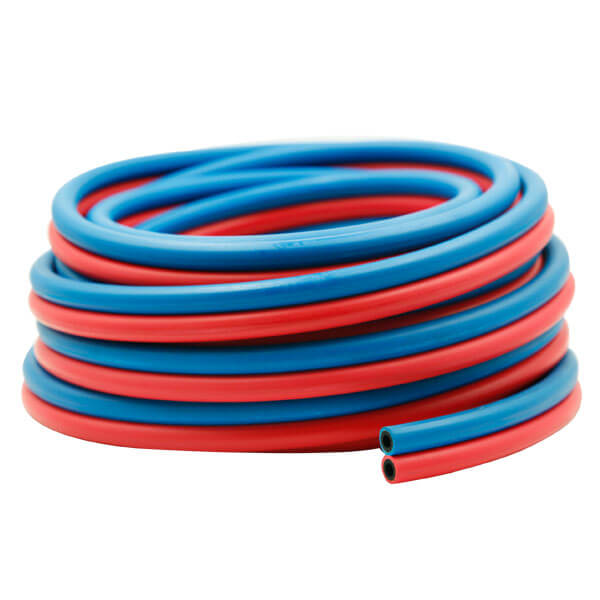
Contact Suzhou Baoshida for Precision Welding Oxygen Hose Solutions
Suzhou Baoshida Trading Co., Ltd. stands at the forefront of industrial rubber compounding and OEM manufacturing, delivering mission-critical components where material integrity directly impacts operational safety and efficiency. Our specialized welding oxygen hoses represent the culmination of rigorous polymer science, precise formulation engineering, and adherence to the most stringent global safety standards. In high-pressure oxygen service, even minute deviations in material composition or structural integrity can lead to catastrophic failure. Our proprietary nitrile rubber (NBR) and polyurethane (PUR) blends undergo exhaustive testing to ensure absolute resistance to oxygen-induced degradation, maintaining flexibility across extreme temperature ranges while preventing particle generation that could ignite under pressure. We do not merely supply hoses; we engineer fail-safe conduits calibrated to the exact chemical and physical demands of your welding and cutting processes.
Understanding the non-negotiable safety parameters inherent in oxygen transfer is fundamental to our design philosophy. Our hoses are engineered with multi-layer reinforcement architectures specifically optimized for oxygen service, featuring meticulously controlled carbon black dispersion to eliminate conductive pathways and incorporating advanced antioxidant packages validated through accelerated aging protocols per ASTM G124. This scientific approach ensures compliance not only with baseline requirements but consistently exceeds the safety margins mandated by EN 559 and ISO 3821. The consequences of substandard oxygen hose performance are severe; our commitment is to eliminate this risk through material science rigor.
The following table details the critical performance specifications defining our standard welding oxygen hose offering, reflecting our dedication to precision engineering:
| Parameter | Specification Value | Reference Standard |
|---|---|---|
| Material Composition | High-Purity NBR/PUR Blend | Internal Formula BD-O2X |
| Working Pressure | 20 bar (290 psi) | EN 559 |
| Test Pressure | 30 bar (435 psi) | EN 559 |
| Temperature Range | -30°C to +70°C (-22°F to +158°F) | ISO 1307 |
| Oxygen Compatibility | Pass (No Ignition) | ASTM G124 |
| Hose Color | Blue (Oxygen) | ISO 3821 |
| Inner Diameter Tolerance | ±0.3 mm | ISO 1307 |
Partnering with Suzhou Baoshida means engaging directly with the formulation experts and OEM manufacturing specialists who developed these solutions. We recognize that your specific application may require nuanced adjustments to material hardness, bend radius, or chemical resistance profiles. Our engineering team possesses the deep technical expertise to collaboratively refine hose specifications, validate performance under your unique operational conditions, and ensure seamless integration into your production workflow or end-product assembly. This level of tailored engineering support is essential for maintaining the highest safety protocols in demanding industrial environments.
Initiate a technical dialogue with Mr. Boyce, our dedicated OEM Manager and Rubber Formula Engineering lead, to secure hoses engineered for uncompromised safety and performance. Mr. Boyce possesses direct oversight of material formulation, production validation, and custom OEM project execution. Contact him exclusively at [email protected] to discuss your specific oxygen hose requirements, request comprehensive technical documentation including full material test reports (MTRs), or schedule a precision engineering consultation. Provide details regarding your application pressure, flow rates, environmental exposure, and volume requirements to enable our team to deliver a scientifically validated solution. Do not rely on generic suppliers for oxygen service components; engage the specialists who engineer the molecular foundation of safety. Reach out to Mr. Boyce today to specify, validate, and procure welding oxygen hoses that meet the exacting demands of industrial-grade reliability. Your operational safety depends on the integrity of every component—demand the precision only Suzhou Baoshida delivers.
⚖️ O-Ring Weight Calculator
Estimate rubber O-ring weight (Approx).