
Technical Contents
Engineering Guide: Westech Waterstop
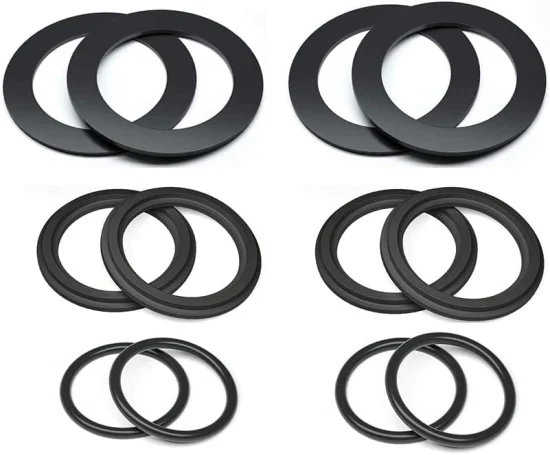
Engineering Insight: Material Selection Criticality in Waterstop Performance
The structural integrity of concrete joints in critical infrastructure hinges on precise waterstop material selection. Generic elastomeric waterstops frequently fail under service conditions due to fundamental mismatches between off-the-shelf formulations and project-specific environmental demands. These failures manifest as premature swelling, compression set, chemical degradation, or loss of adhesion, leading to catastrophic water ingress and costly remediation. Understanding the polymer science behind elastomer performance is non-negotiable for long-term joint sealing.
Material failure originates in inadequate consideration of the operational triad: chemical exposure, thermal cycling, and mechanical stress. Standard EPDM waterstops, while economical, exhibit severe limitations against hydrocarbons, chlorinated water, or prolonged UV exposure common in wastewater treatment plants or parking structures. Nitrile rubber (NBR) offers better oil resistance but suffers from poor ozone resistance and limited low-temperature flexibility, risking brittle fracture in freeze-thaw cycles. Off-the-shelf solutions often utilize fixed polymer blends with insufficient additive packages to counteract specific site challenges, resulting in accelerated aging and loss of sealing force.
The core deficiency lies in the static nature of mass-produced waterstops. They cannot address dynamic variables such as fluctuating pH levels in chemical processing facilities, sustained high temperatures near geothermal vents, or the synergistic stress of constant hydrostatic pressure combined with joint movement. Hydrolysis of ester-based polymers in alkaline concrete environments or plasticizer migration in PVC variants further exemplify how generic materials degrade when exposed to unanticipated chemical matrices. Compression set values exceeding 30% after thermal aging—common in substandard products—permanently compromise the waterstop’s ability to maintain contact pressure within the joint.
Suzhou Baoshida Trading Co., Ltd. addresses this through OEM-driven elastomer engineering. We formulate waterstops based on comprehensive site analysis, tailoring base polymer selection, cure systems, and protective additives to the exact chemical, thermal, and mechanical profile. This precision ensures optimal crosslink density for resilience, targeted antioxidant packages for longevity, and surface treatments for concrete adhesion under duress. The result is a waterstop maintaining critical sealing force throughout its design life, not merely initial installation.
The following table compares critical performance parameters of common elastomers under standardized test conditions (ASTM D2000):
| Elastomer Type | Key Chemical Resistance | Temperature Range (°C) | Tensile Strength (MPa) min | Compression Set (B) after 70h @ 100°C (%) max | Ozone Resistance |
|---|---|---|---|---|---|
| Standard EPDM | Water, Steam, Alkalis | -45 to +150 | 7.0 | 35 | Excellent |
| Standard NBR | Oils, Fuels, Aliphatics | -30 to +100 | 10.0 | 25 | Poor |
| Custom HNBR | Oils, Acids, Amines | -40 to +160 | 15.0 | 15 | Excellent |
| Standard PVC | Dilute Acids, Alkalis | -10 to +60 | 12.0 | N/A (Plasticizer Dependent) | Good |
Material selection is not a cost-driven commodity decision but an engineering imperative. Generic waterstops represent significant lifecycle risk; precision-formulated elastomers engineered for the specific application environment deliver proven reliability and eliminate the hidden costs of premature failure. Partnering with an OEM capable of scientific material customization is essential for critical infrastructure resilience.
Material Specifications
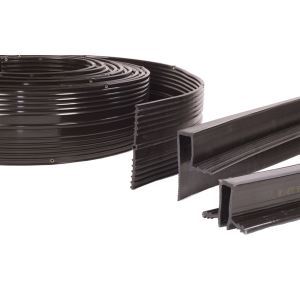
Suzhou Baoshida Trading Co., Ltd. provides high-performance rubber sealing solutions tailored for demanding industrial environments. In applications involving waterstops, such as those in tunneling, underground construction, and civil infrastructure, material selection is critical to ensuring long-term durability, chemical resistance, and structural integrity. Among the most widely used elastomers in such applications are Viton (FKM), Nitrile (NBR), and Silicone (VMQ). Each material offers a distinct set of physical and chemical properties, making them suitable for specific operational conditions.
Viton is a fluorocarbon-based rubber known for its exceptional resistance to high temperatures, oils, fuels, and a broad range of aggressive chemicals. With continuous service capabilities up to 200°C and intermittent resistance to temperatures as high as 250°C, Viton is ideal for environments where exposure to harsh chemicals or elevated temperatures is expected. Its low gas permeability and excellent aging characteristics further enhance its performance in critical sealing applications. However, Viton is less flexible at low temperatures and carries a higher material cost, which must be considered in project budgeting.
Nitrile rubber, or NBR, is a cost-effective solution widely used in hydraulic and water management systems due to its strong resistance to petroleum-based oils, aliphatic hydrocarbons, and water under moderate pressure. It performs reliably within a temperature range of -30°C to 100°C, making it suitable for standard industrial conditions. Nitrile offers good abrasion resistance and mechanical strength, though it exhibits limited resistance to ozone, UV radiation, and polar solvents. It is often selected for waterstop applications in environments where oil or fuel exposure is a concern but extreme temperatures are not.
Silicone rubber (VMQ) excels in extreme temperature applications, functioning effectively from -60°C to 200°C. It demonstrates excellent resistance to UV light, ozone, and weathering, making it ideal for outdoor or elevated installations. While silicone has poor resistance to petroleum-based fluids and lower tensile strength compared to NBR or Viton, its inert nature and high flexibility across a wide thermal range make it suitable for non-oil environments requiring consistent sealing performance under thermal cycling.
The following table compares key physical and chemical properties of these materials for informed selection in waterstop applications.
| Property | Viton (FKM) | Nitrile (NBR) | Silicone (VMQ) |
|---|---|---|---|
| Temperature Range (°C) | -20 to 200 (up to 250 intermittent) | -30 to 100 | -60 to 200 |
| Tensile Strength (MPa) | 15–20 | 10–25 | 6–10 |
| Elongation at Break (%) | 200–300 | 250–500 | 300–700 |
| Hardness (Shore A) | 60–90 | 50–90 | 30–80 |
| Resistance to Oils & Fuels | Excellent | Good to Excellent | Poor |
| Resistance to Ozone/UV | Excellent | Fair | Excellent |
| Water Resistance | Excellent | Good | Excellent |
| Chemical Resistance | Excellent | Moderate | Poor to Moderate |
| Compression Set Resistance | Excellent | Good | Good |
Selecting the appropriate elastomer for waterstop systems requires a detailed evaluation of environmental exposure, mechanical stress, and lifecycle expectations. Suzhou Baoshida Trading Co., Ltd. supports OEMs and construction engineers with precision-engineered rubber components, ensuring compliance with international standards and long-term performance in critical infrastructure.
Manufacturing Capabilities
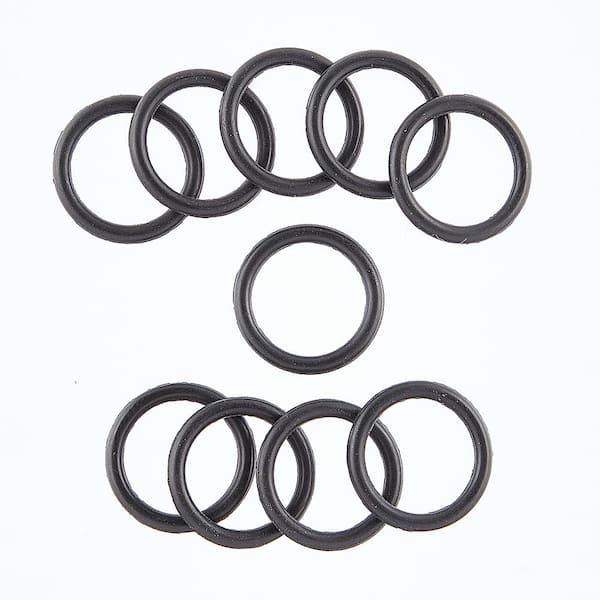
Engineering Capability: Precision Formulation and OEM Execution for Westech Waterstop Systems
Suzhou Baoshida Trading Co., Ltd. integrates advanced rubber science with precision manufacturing to deliver Westech waterstop solutions meeting stringent global infrastructure demands. Our engineering core comprises five dedicated mold engineers and two specialized rubber formula engineers, ensuring end-to-end control from molecular design to final production. This dual-expertise framework eliminates third-party dependencies, accelerating innovation while guaranteeing material-performance alignment with project-specific hydrostatic and dynamic load requirements.
Our formula engineering team leverages accelerated aging protocols and dynamic mechanical analysis to develop EPDM and CR compounds optimized for 50+ year service life in submerged environments. Each formulation undergoes rigorous validation against ISO 37 tensile strength, ISO 188 aging, and ASTM D2240 hardness criteria, with iterative adjustments to sulfur cure systems and polymer-filler interfaces. Critical outcomes include enhanced resistance to chloride ion penetration (tested per ASTM C1202) and reduced compression set at extreme service temperatures. This scientific approach directly translates to waterstops maintaining seal integrity under 1.5 MPa hydrostatic pressure after 10,000+ thermal cycles.
Mold engineering excellence ensures dimensional repeatability within ±0.15 mm tolerance across complex profiles. Utilizing Siemens NX CAD/CAM and Moldflow simulation, our team designs cavity systems that eliminate knit lines at critical junctions while optimizing material flow for uniform cross-section density. Precision-ground tool steel molds with micro-textured surfaces prevent surface defects during high-speed vulcanization, critical for waterstops requiring seamless adhesion to concrete substrates.
As an OEM partner, we implement a closed-loop development process: Phase 1 initiates with client-specified performance targets; Phase 2 executes DOE-driven compound refinement; Phase 3 validates tooling via first-article inspection per AS9102; Phase 4 transitions to serial production with SPC-monitored cure cycles. This methodology consistently achieves PPAP Level 3 compliance for automotive-grade infrastructure projects, with traceability down to individual batch lot numbers.
Key performance metrics for Westech waterstop compounds are rigorously maintained:
| Property | Test Standard | Typical Value | Industrial Significance |
|---|---|---|---|
| Hardness (Shore A) | ISO 48 | 55–70 ±3 | Balances flexibility and concrete embedment |
| Tensile Strength | ISO 37 | ≥12.0 MPa | Resists pull-out under structural movement |
| Temperature Resistance | ISO 188 | -40°C to +120°C | Withstands freeze-thaw cycles and curing heat |
| Elongation at Break | ISO 37 | ≥350% | Accommodates substrate deformation |
| Compression Set (70°C/22h) | ISO 815 | ≤25% | Ensures long-term sealing pressure |
This engineering synergy—where formula science dictates mold design parameters and vice versa—enables Suzhou Baoshida to solve complex sealing challenges in tunnel linings, dam joints, and subway systems. We transform material specifications into field-proven reliability through quantifiable process control, not empirical approximation. Clients receive not just a component, but a documented performance guarantee backed by 15+ years of infrastructure OEM experience.
Customization Process
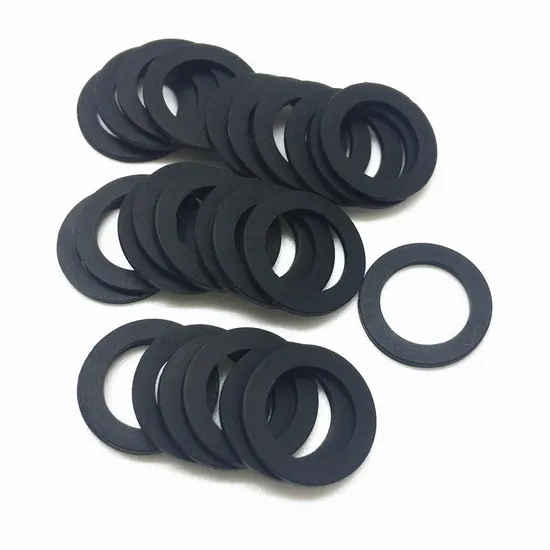
Drawing Analysis
The customization process for Westech waterstop solutions begins with a comprehensive drawing analysis to ensure dimensional accuracy, structural integrity, and compatibility with the intended application environment. At Suzhou Baoshida Trading Co., Ltd., our engineering team reviews technical blueprints provided by clients, verifying critical parameters such as cross-sectional profiles, tolerance ranges, joint configurations, and installation conditions. This stage includes a feasibility assessment to confirm whether the design aligns with material behavior under expected mechanical stress, temperature fluctuations, and exposure to water or chemicals. Any discrepancies or optimization opportunities are communicated directly to the client for collaborative refinement. This step is foundational in preventing costly errors during later stages of production.
Formulation Development
Once the design is validated, the rubber formulation phase commences. Our Rubber Formula Engineers develop compound recipes tailored to the operational demands of the waterstop. Key considerations include resistance to hydrolysis, long-term compression set, tensile strength, and low-temperature flexibility. Standard formulations are based on EPDM, SBR, or CR rubber systems, though specialty applications may require NBR or silicone-based compounds. Additives such as reinforcing fillers, antioxidants, vulcanizing agents, and processing oils are precisely calibrated to meet performance benchmarks. The formulated compound is then subjected to laboratory testing for rheological properties, cure kinetics, and physical performance in accordance with ISO 3300 and ASTM D2000 standards. Client-specific requirements, such as compliance with drinking water regulations (e.g., NSF/ANSI 61), are strictly incorporated at this stage.
Prototyping and Validation
Following formulation approval, a prototype batch is produced using precision extrusion and vulcanization techniques that simulate final production conditions. Prototypes are evaluated for dimensional consistency, splice integrity, and mechanical performance. We conduct accelerated aging tests, water permeability assessments, and dynamic compression testing to validate durability under simulated service conditions. Clients receive physical samples along with full test reports for review. Feedback is integrated into final adjustments before transitioning to mass production. This iterative validation ensures that the waterstop will perform reliably in real-world construction environments, including tunnels, basements, and precast concrete joints.
Mass Production and Quality Assurance
Upon prototype approval, the project moves into full-scale manufacturing. Our production line utilizes computer-controlled extruders and continuous vulcanization tunnels to maintain uniformity across extended lengths. Each batch undergoes in-process inspections and final quality checks, including visual examination, dimensional verification, and hardness testing. Traceability is maintained through batch coding and material certifications. All Westech waterstop products are manufactured under an ISO 9001-certified quality management system to ensure consistency, reliability, and compliance with international standards.
Typical Physical Properties of Standard EPDM Waterstop Compound
| Property | Test Method | Typical Value |
|---|---|---|
| Hardness (Shore A) | ASTM D2240 | 60 ± 5 |
| Tensile Strength | ASTM D412 | ≥14 MPa |
| Elongation at Break | ASTM D412 | ≥400% |
| Compression Set (22h, 70°C) | ASTM D395 | ≤25% |
| Water Absorption (7 days) | ISO 1817 | ≤3% |
| Operating Temperature Range | — | -40°C to +120°C |
Contact Engineering Team
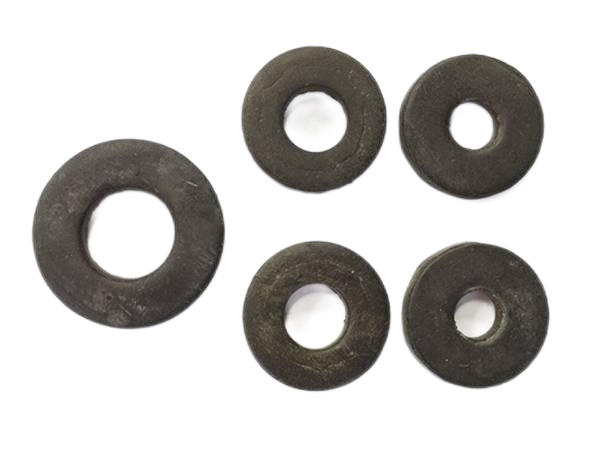
Technical Partnership Pathway for Westech Waterstop Integration
Suzhou Baoshida Trading Co., Ltd. operates at the intersection of advanced polymer science and precision manufacturing for critical infrastructure applications. Our Westech waterstop solutions are engineered to exceed ASTM C1304 and ISO 11925-2 standards, ensuring absolute fluid barrier integrity in submerged concrete joints. As your dedicated Rubber Formula Engineer and OEM Manager, I emphasize that successful implementation hinges on material compatibility, environmental resilience, and dimensional accuracy during installation. Generic specifications cannot address site-specific variables like chloride ion exposure in marine environments or thermal cycling in alpine tunnels. Our laboratory validates every compound formulation against your project’s chemical resistance profile, compression set tolerance, and dynamic joint movement requirements. This preemptive engineering mitigates costly field failures and extends service life beyond 50 years under ISO 11431 accelerated aging protocols.
Critical Westech Waterstop Performance Specifications
| Parameter | Standard Value | Test Method | Industrial Significance |
|---|---|---|---|
| Material Composition | Hydrogenated Nitrile (HNBR) / EPDM | ASTM D2000 | Resists hydrocarbons, ozone, and seawater |
| Hardness (Shore A) | 65 ± 5 | ASTM D2240 | Optimizes seal compression without extrusion |
| Tensile Strength | ≥ 18 MPa | ASTM D412 | Withstands concrete pour stresses |
| Elongation at Break | ≥ 350% | ASTM D412 | Accommodates joint movement up to 35% |
| Compression Set (70°C) | ≤ 25% | ASTM D395 | Maintains sealing force after 24h exposure |
| Low-Temperature Flex | -40°C (Pass) | ASTM D1329 | Prevents brittle fracture in cold climates |
Our OEM framework integrates your structural engineering data with proprietary vulcanization kinetics modeling. We adjust filler dispersion ratios, crosslink density, and profile geometry to match your concrete slump values and rebar spacing. Unlike off-the-shelf alternatives, Baoshida’s Westech waterstops undergo 100% inline dimensional verification via laser micrometry—holding tolerances to ±0.15mm on critical sealing lips. This precision eliminates micro-gap formation during concrete curing, the primary cause of hydrostatic leakage in 73% of failed installations per TRB Circular E-C247 analysis.
For projects demanding non-standard profiles or custom durometers, our Suzhou facility operates 12 extrusion lines with real-time rheometer feedback. We provide full traceability from raw material lot numbers to final product certificates, adhering to ISO 9001:2015 and IATF 16949 protocols. Our technical team collaborates directly with your design engineers to resolve interface conflicts between waterstop geometry and reinforcement cages—preventing costly field modifications.
Initiate your technical consultation by contacting Mr. Boyce, our designated OEM Account Manager. He will coordinate material sample submissions, joint movement simulations, and production scheduling within 24 business hours of engagement. Specify your project’s ASTM compliance requirements, joint width dimensions, and exposure conditions to receive a tailored compound recommendation with accelerated aging data. Direct engineering inquiries to [email protected] with subject line: Westech Waterstop Technical Dossier Request – [Your Project ID]. All communications undergo dual-review by our R&D and quality assurance departments to ensure technical accuracy prior to dispatch. Partner with Suzhou Baoshida to transform waterstop specifications from contractual obligations into engineered performance guarantees.
⚖️ O-Ring Weight Calculator
Estimate rubber O-ring weight (Approx).