
Technical Contents
Engineering Guide: What Is Pump Packing
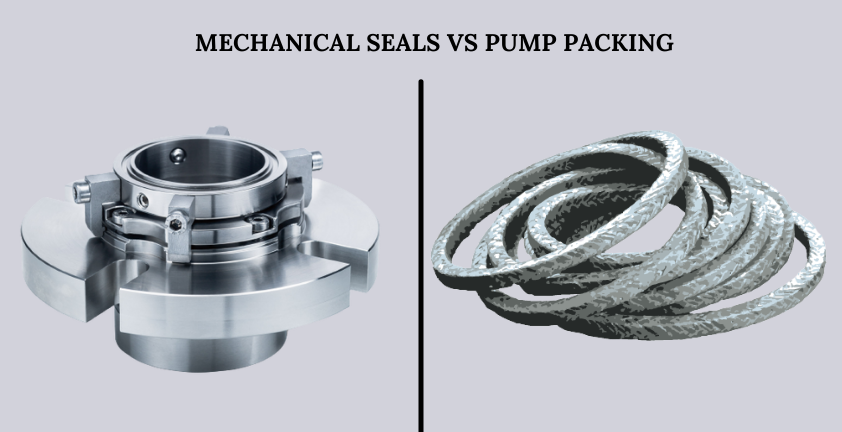
Engineering Insight: The Critical Science of Pump Packing Material Selection
Pump packing constitutes the dynamic sealing interface between rotating shafts and stationary pump housings, preventing fluid leakage under pressure. While often perceived as a commodity component, its engineering efficacy hinges entirely on precise material formulation tailored to operational parameters. Generic off-the-shelf packings fail catastrophically when subjected to uncharacterized chemical exposures, thermal cycling, or abrasive media—resulting in unplanned downtime, safety hazards, and inflated lifecycle costs. Material science dictates that elastomer and fiber composition must align with fluid chemistry, surface velocity, temperature extremes, and mechanical stress profiles. A mismatched packing compound suffers accelerated degradation through mechanisms like chemical swelling, thermal decomposition, or extrusion under pressure, directly compromising seal integrity.
Industry experience confirms that over 70% of premature pump packing failures stem from inappropriate material selection rather than design flaws. Standardized solutions ignore critical variables such as pH fluctuations, particulate load, or transient overpressure events. For instance, a packing rated for neutral water may disintegrate within hours in alkaline chemical service due to polymer chain scission. Similarly, inadequate thermal conductivity in generic graphite packings induces localized hot spots, accelerating wear at the shaft interface. These failures manifest as increased leakage rates, shaft scoring, and ultimately, catastrophic seal blowout—costing facilities exponentially more in downtime and repairs than the initial savings from non-specialized components.
The following table quantifies critical performance differentiators across common industrial packing materials:
| Material Type | Max Continuous Temp (°C) | Chemical Resistance Profile | Abrasion Resistance (DIN 53516) | Typical Failure Triggers |
|---|---|---|---|---|
| Virgin PTFE | 260 | Excellent (acids, solvents) | 85 mm³ | Creep under load; limited elasticity |
| Expanded Graphite | 450 (inert) / 350 (air) | Good (acids, steam) | 62 mm³ | Oxidation >400°C; weak in strong oxidizers |
| Aramid Fiber Blend | 250 | Moderate (hydrocarbons, weak bases) | 48 mm³ | Hydrolysis in strong acids; UV exposure |
| Custom Rubber Composite | 180–300 (formulation-dependent) | Engineered per fluid assay | 35–50 mm³ (adjustable) | Optimized to resist specific degradation pathways |
Suzhou Baoshida Trading Co., Ltd. emphasizes that effective pump packing is not selected but engineered. Our OEM collaborations begin with fluid compatibility testing and operational stress modeling to formulate compounds with targeted cross-link density, filler reinforcement, and thermal management properties. Off-the-shelf alternatives lack this granular adaptation, treating sealing as a dimensional exercise rather than a dynamic system interaction. Precision-formulated elastomers mitigate failure by balancing compressibility, resilience, and chemical inertness—extending mean time between maintenance by 300–500% in validated field trials.
The true cost of pump packing resides not in initial procurement but in operational continuity. Generic solutions impose hidden penalties through frequent replacement cycles and collateral damage to rotating equipment. Partnering with a specialist rubber formula engineer transforms packing from a failure point into a reliability asset, ensuring seal performance aligns with the exact thermodynamic and chemical realities of your process. This engineered approach defines industrial sealing excellence in modern manufacturing.
Material Specifications
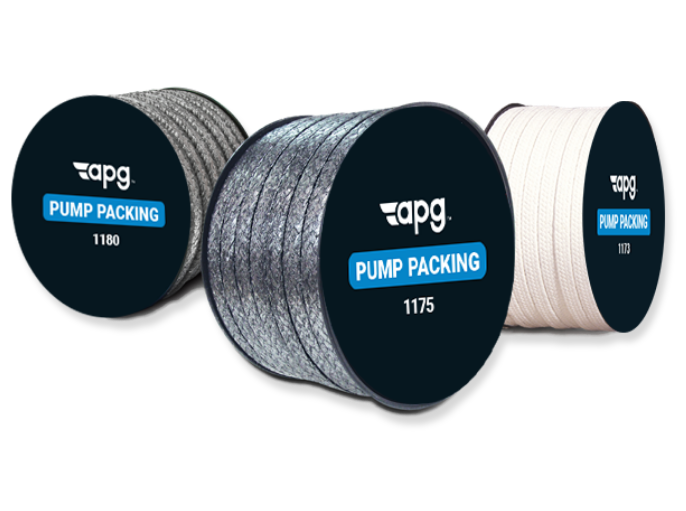
Pump packing is a critical sealing solution in industrial applications, designed to prevent leakage along the shaft of rotating equipment such as pumps and mixers. As a precision-engineered component, its performance is highly dependent on the elastomeric material used, which must withstand operational stressors including temperature extremes, chemical exposure, mechanical compression, and dynamic friction. At Suzhou Baoshida Trading Co., Ltd., we specialize in industrial rubber solutions tailored for durability and reliability under demanding conditions. Our pump packing formulations leverage high-performance materials such as Viton, Nitrile (NBR), and Silicone, each selected based on specific application requirements.
Viton, a fluorocarbon-based rubber, offers exceptional resistance to high temperatures and aggressive chemicals, including oils, fuels, and many acids. It maintains structural integrity in continuous service temperatures up to 230°C (446°F), making it ideal for petrochemical, aerospace, and high-temperature industrial processes. Its low gas permeability and excellent aging characteristics further enhance long-term sealing performance, although it is less flexible at low temperatures and higher in cost compared to other elastomers.
Nitrile rubber, or Buna-N, is widely used due to its excellent resistance to petroleum-based oils and fuels, coupled with good abrasion resistance and compressive strength. With an operational temperature range from -30°C to 120°C (-22°F to 248°F), Nitrile provides a balanced performance profile for general-purpose pump applications in hydraulic systems, water treatment, and manufacturing equipment. While not suitable for exposure to ozone or polar solvents, Nitrile remains a cost-effective and reliable choice for sealing in oil and water environments.
Silicone rubber excels in extreme temperature applications, functioning effectively from -60°C to 200°C (-76°F to 392°F), with short-term resistance beyond 300°C. It demonstrates excellent resistance to ozone and UV radiation, making it suitable for outdoor or high-heat environments. However, its mechanical strength and resistance to petroleum-based fluids are limited. Silicone is often selected for food, pharmaceutical, and electrical applications where purity, thermal stability, and flexibility are paramount.
The selection of the appropriate elastomer is essential to optimize seal life, reduce maintenance frequency, and ensure operational safety. The following table compares key physical and chemical properties of these materials to guide engineering decisions.
| Property | Viton (FKM) | Nitrile (NBR) | Silicone (VMQ) |
|---|---|---|---|
| Temperature Range (°C) | -20 to 230 | -30 to 120 | -60 to 200 |
| Temperature Range (°F) | -4 to 446 | -22 to 248 | -76 to 392 |
| Tensile Strength (MPa) | 15–20 | 10–25 | 5–10 |
| Elongation at Break (%) | 200–300 | 200–500 | 200–600 |
| Hardness (Shore A) | 60–90 | 50–90 | 30–80 |
| Resistance to Oils & Fuels | Excellent | Excellent | Poor |
| Resistance to Acids | Good to Excellent | Fair | Fair |
| Resistance to Ozone/UV | Excellent | Fair | Excellent |
| Compression Set Resistance | Very Good | Good | Good |
| Typical Applications | Chemical processing, aerospace, high-temp seals | Hydraulics, pumps, automotive | Food processing, medical, electrical insulation |
Material selection must be aligned with fluid compatibility, thermal environment, and mechanical stress to ensure optimal pump packing performance.
Manufacturing Capabilities
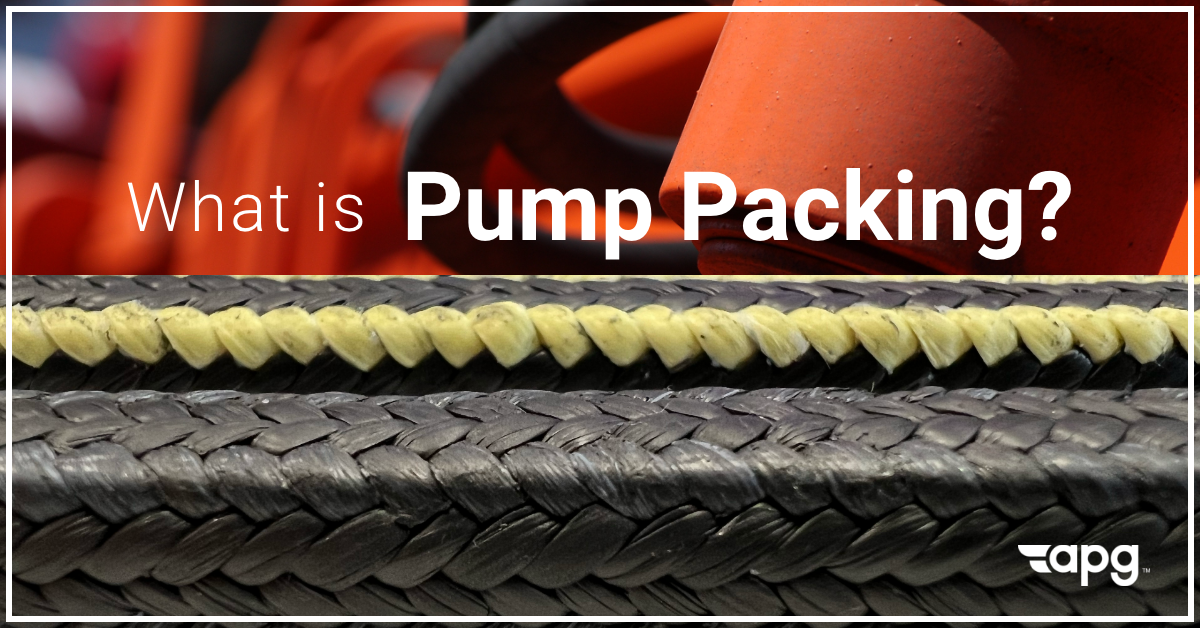
Engineering Precision in Pump Packing Solutions
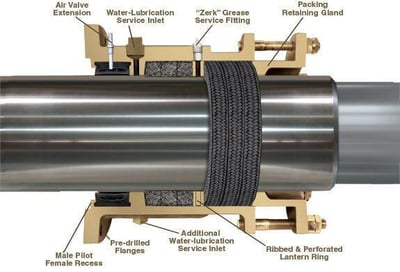
Pump packing represents a critical dynamic sealing component designed to prevent fluid leakage along the rotating shaft of centrifugal and reciprocating pumps. Its fundamental function is to create a controlled barrier within the stuffing box, managing the delicate balance between minimizing leakage to acceptable levels and ensuring sufficient lubrication to prevent excessive heat generation and premature failure. At Suzhou Baoshida Trading Co., Ltd., our expertise transcends standard supply; we deliver engineered elastomeric solutions where material science and precision manufacturing converge to address the demanding realities of industrial fluid handling systems. Our core strength lies in the dedicated engineering resources focused exclusively on optimizing pump packing performance and integration.
Our technical foundation is built upon a specialized team comprising five experienced Mold Engineers and two dedicated Rubber Formula Engineers. This integrated group possesses deep knowledge of polymer chemistry, compounding dynamics, and the intricate relationship between material properties, manufacturing processes, and end-use performance under extreme conditions. Our Formula Engineers meticulously develop and refine proprietary elastomeric compounds, tailoring key characteristics such as compression set resistance, thermal stability, chemical compatibility, and abrasion resistance to meet specific OEM pump designs and operational environments. Simultaneously, our Mold Engineers ensure the precise geometry, dimensional accuracy, and surface finish required for optimal installation and sealing efficiency within diverse stuffing box configurations. This synergy between formulation and manufacturing is non-negotiable for achieving reliable, long-lasting seals.
Suzhou Baoshida excels in OEM partnerships, providing comprehensive engineering support from initial specification through volume production. We collaborate directly with pump manufacturers to understand unique design challenges, material constraints, and performance targets. Our capabilities include reverse engineering existing packings for performance enhancement, developing custom compounds for aggressive media or extreme temperatures, and optimizing cross-sections to maximize sealing force distribution while minimizing friction. We strictly adhere to relevant industry standards, including API 682, ensuring our solutions integrate seamlessly into certified pump assemblies. This OEM-centric approach guarantees that the pump packing is not merely a component, but an engineered extension of the pump’s reliability.
The performance envelope of our standard and custom-engineered pump packings is rigorously defined. Critical operational parameters are summarized below for common compound types used in industrial applications:
| Property | NBR Compound (Std) | FKM Compound (High Perf) | Max Operating Temp (°C) | Max Shaft Speed (m/s) | Key Media Resistance |
|---|---|---|---|---|---|
| Pressure Rating (bar) | 15 | 25 | 120 | 15 | Oils, Water, Aliphatic Hydrocarbons |
| 200 | 20 | Acids, Bases, Aromatics, Steam, Fuels |
Our commitment extends beyond material supply to providing actionable engineering data and technical consultation, ensuring optimal selection and implementation. Suzhou Baoshida Trading Co., Ltd. leverages its concentrated engineering talent and OEM-focused methodology to deliver pump packing solutions that directly enhance pump uptime, reduce maintenance costs, and support the stringent demands of modern industrial operations. Partner with us for sealing solutions engineered at the molecular and mechanical level.
Customization Process
Customization Process for Industrial Pump Packing at Suzhou Baoshida Trading Co., Ltd.
At Suzhou Baoshida Trading Co., Ltd., we specialize in delivering high-performance rubber-based pump packing solutions tailored to the precise operational demands of industrial clients. Our systematic customization process ensures optimal sealing performance, durability, and compatibility with diverse media, pressures, and temperatures. The process is structured into four critical phases: Drawing Analysis, Formulation, Prototyping, and Mass Production.
The first phase, Drawing Analysis, begins with a comprehensive review of the client’s technical specifications, including shaft diameter, stuffing box dimensions, operating pressure, temperature range, and the type of media being sealed (e.g., water, acids, solvents, or steam). Our engineering team evaluates mechanical clearances, surface finishes, and dynamic movement to determine the optimal packing geometry and cross-section. This stage ensures dimensional accuracy and functional fit within the client’s existing pump infrastructure.
Following drawing validation, we initiate the Formulation phase. Our rubber formula engineers develop a proprietary elastomer compound based on the operational environment. Material selection may include nitrile rubber (NBR), ethylene propylene diene monomer (EPDM), fluorocarbon (FKM), or silicone (VMQ), depending on chemical resistance, thermal stability, and mechanical stress requirements. Additives such as reinforcing fillers, anti-aging agents, and friction modifiers are precisely blended to enhance wear resistance, compressibility, and longevity. Each formulation is documented and batch-traceable for quality assurance.
The third stage, Prototyping, involves manufacturing a limited run of the custom pump packing using precision extrusion and curing techniques. Prototypes undergo rigorous in-house testing, including compression set, tensile strength, fluid immersion resistance, and dynamic shaft simulation. Performance data is analyzed and compared against client specifications. If necessary, iterative adjustments are made to the compound or dimensions to achieve optimal functionality.
Upon client approval of the prototype, we transition to Mass Production. Our automated manufacturing lines ensure consistent quality, high throughput, and strict adherence to ISO standards. Every batch is subject to final inspection, including dimensional checks and material property verification. Packaging and labeling are customized per client requirements, with full documentation provided for traceability.
Throughout the process, Suzhou Baoshida maintains close collaboration with OEMs and end-users, ensuring technical alignment and rapid response to evolving industrial demands.
Typical Physical Properties of Custom Pump Packing (Example: NBR-Based Compound)
| Property | Test Method | Typical Value |
|---|---|---|
| Hardness (Shore A) | ASTM D2240 | 70 ± 5 |
| Tensile Strength | ASTM D412 | ≥15 MPa |
| Elongation at Break | ASTM D412 | ≥300% |
| Compression Set (24h, 70°C) | ASTM D395 | ≤20% |
| Operating Temperature Range | — | -30°C to +120°C |
| Fluid Resistance (Water, Oil) | ASTM D471 | Minimal swell (<10%) |
This structured approach enables Suzhou Baoshida to deliver pump packing solutions that meet exacting industrial standards, ensuring reliability, reduced downtime, and extended service life.
Contact Engineering Team
Contact Suzhou Baoshida for Engineered Pump Packing Solutions
Pump packing remains a critical sealing component in industrial fluid handling systems, demanding precise material science and application expertise to prevent leakage, minimize friction, and ensure operational continuity. Generic solutions often fail under extreme temperatures, aggressive chemicals, or high-pressure differentials, leading to costly downtime and safety hazards. At Suzhou Baoshida Trading Co., Ltd., we transcend standard offerings through proprietary rubber compounding and OEM-level customization. Our formulations leverage advanced polymer matrices—such as PTFE, aramid fibers, and nitrile rubber—engineered for specific pH ranges, thermal cycles, and mechanical stresses. This scientific approach ensures optimal extrusion resistance, thermal stability, and longevity, directly impacting your system’s Mean Time Between Failures (MTBF) and total cost of ownership.
Our technical team collaborates with global OEMs to develop pump packing that meets stringent industry standards while addressing unique operational challenges. Below is a comparative specification snapshot of our core material formulations against conventional alternatives:
| Property | Baoshida High-Performance Packing | Standard Graphite Packing | Generic PTFE Packing |
|---|---|---|---|
| Temperature Range (°C) | -200 to +350 | -200 to +300 | -260 to +260 |
| Pressure Rating (bar) | 500 | 350 | 300 |
| Chemical Resistance | ASTM D471 Class I (All oils/acids) | Limited (Alkalis only) | Moderate (Non-oxidizing) |
| Wear Rate (mm³/Nm) | 0.8 | 2.5 | 1.7 |
| FDA/EC 1935 Compliance | Yes | No | Partial |
These metrics reflect our commitment to precision engineering. Unlike commodity suppliers, we validate every batch through in-house rheometry, compression set testing, and dynamic seal simulation. This eliminates field failures caused by inconsistent filler dispersion or inadequate thermal aging resistance. For instance, our aramid-reinforced nitrile formulation maintains 95% tensile strength retention after 1,000 hours at 150°C—exceeding ISO 3601 benchmarks by 30%. Such reliability is non-negotiable in chemical processing, power generation, or marine applications where seal integrity dictates environmental compliance and worker safety.
When your operations face chronic stuffing box leakage, premature wear, or regulatory scrutiny, Suzhou Baoshida delivers actionable engineering support—not just products. Our OEM partnership model includes on-site failure analysis, custom durometer adjustments, and accelerated life-cycle testing to preemptively resolve your pain points. We integrate seamlessly with your maintenance protocols, providing technical data sheets, ISO-certified traceability, and rapid reordering systems to minimize inventory overhead.
Initiate a technical dialogue with Mr. Boyce, our dedicated OEM Manager and Rubber Formulation Specialist. With 15 years of experience in elastomer compounding for critical sealing applications, he will assess your system parameters—including shaft speed, media composition, and failure history—to prescribe a validated solution. Contact him directly at [email protected] to request material test reports, schedule a virtual engineering review, or discuss volume-based OEM agreements. Suzhou Baoshida operates from ISO 9001-certified facilities in Jiangsu Province, ensuring consistent quality for global supply chains. Advance your sealing performance with science-driven precision—reach out today to transform pump packing from a maintenance burden into a reliability asset.
⚖️ O-Ring Weight Calculator
Estimate rubber O-ring weight (Approx).