
Technical Contents
Engineering Guide: White Plastic Curtains
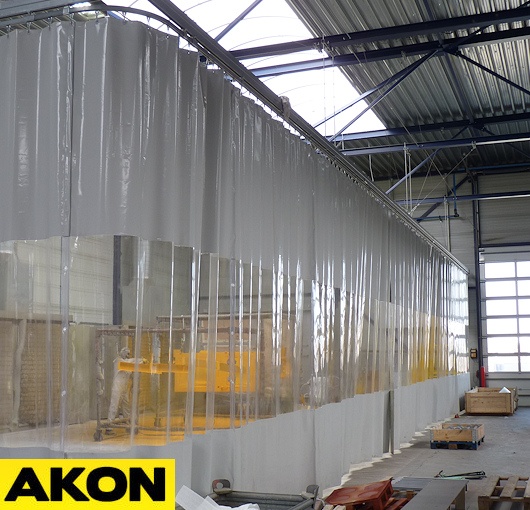
Engineering Insight: Material Selection in White Plastic Curtains for Industrial Applications
In industrial environments where hygiene, temperature control, and operational efficiency are paramount, white plastic curtains serve as critical barriers in cleanrooms, food processing facilities, cold storage units, and pharmaceutical production lines. While these curtains may appear functionally simple, their performance hinges on precise material engineering. Off-the-shelf solutions often fail because they prioritize cost and availability over the rigorous demands of industrial use. At Suzhou Baoshida Trading Co., Ltd., we emphasize that material selection is not a secondary consideration—it is the foundation of curtain longevity, safety compliance, and system integrity.
Standard-grade PVC films used in generic plastic curtains degrade rapidly under continuous exposure to UV radiation, extreme temperatures, and chemical disinfectants. These materials often become brittle, discolored, or prone to cracking, compromising both the physical barrier and the sanitary standards required in controlled environments. Additionally, poor flexibility at low temperatures leads to reduced sealing effectiveness in cold storage applications, allowing thermal leakage and energy inefficiency. In high-traffic zones, inadequate tensile strength results in tearing and frequent replacement, increasing downtime and maintenance costs.
The solution lies in engineered thermoplastic formulations tailored to specific operational parameters. High-performance white plastic curtains utilize modified PVC or polyolefin-based compounds enhanced with UV stabilizers, thermal modifiers, and anti-microbial additives. These enhancements ensure dimensional stability, resistance to oxidation, and compliance with food safety and cleanroom standards such as FDA 21 CFR 177.2600 and ISO 14644-1. Furthermore, co-extrusion techniques allow for multi-layer structures that combine optical opacity (for light control) with mechanical resilience.
Material thickness, surface texture, and static dissipation properties must also be calibrated to the application. For instance, electrostatic discharge (ESD) protection is essential in electronics manufacturing, where standard insulative films can attract particulates or damage sensitive components. Similarly, anti-fog coatings are indispensable in high-humidity zones to maintain visibility and prevent microbial growth.
The following table outlines key material specifications differentiating industrial-grade white plastic curtains from standard alternatives:
| Property | Standard PVC Curtain | Engineered Industrial Curtain |
|---|---|---|
| Material Base | Unmodified PVC | UV-stabilized, plasticizer-controlled PVC or polyolefin blend |
| Thickness Range | 0.15 – 0.30 mm | 0.30 – 0.80 mm (customizable) |
| Temperature Resistance | -10°C to +60°C | -40°C to +80°C (extended range options) |
| Tensile Strength | 20 – 25 MPa | 35 – 50 MPa |
| Light Reflectivity (White Surface) | 75 – 80% | 85 – 92% (optimized for cleanrooms) |
| Additives | None or basic | UV inhibitors, anti-microbial agents, anti-fog, ESD control |
| Regulatory Compliance | Limited | FDA, REACH, RoHS, ISO 14644-1 compatible |
At Suzhou Baoshida, we collaborate with OEM partners to define material specifications based on environmental stressors, lifecycle requirements, and integration with existing infrastructure. Custom formulation ensures that white plastic curtains perform not as disposable components, but as engineered elements of industrial efficiency.
Material Specifications
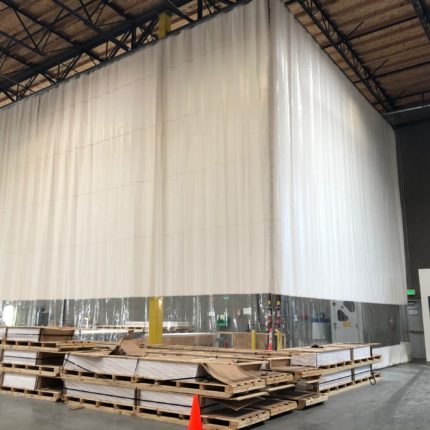
Material Specifications for Industrial Rubber Curtain Barriers
Industrial curtain barriers require precise elastomer selection to balance chemical resistance, thermal stability, and mechanical durability. At Suzhou Baoshida Trading Co., Ltd., we engineer white-pigmented rubber compounds specifically for critical sealing applications where visual clarity and performance integrity are non-negotiable. The white pigment formulation—typically titanium dioxide—must integrate seamlessly with the base polymer without compromising physical properties. Below we detail three core materials optimized for harsh environments: Viton (FKM), Nitrile (NBR), and Silicone (VMQ). Each compound undergoes stringent QC per ASTM D2000 standards, with Shore A hardness calibrated between 60–80 for optimal flexibility and abrasion resistance in curtain applications.
Viton fluorocarbon rubber delivers exceptional resistance to aggressive chemicals, including aromatic hydrocarbons, acids, and jet fuels. Its operational temperature range spans -20°C to +250°C, making it ideal for high-heat industrial ovens or chemical processing zones. Viton maintains seal integrity under prolonged exposure to ozone and UV radiation, though its higher cost reflects specialized compounding for extreme conditions. The white variant requires peroxide curing to avoid discoloration, achieving tensile strengths of 12–18 MPa.
Nitrile butadiene rubber (NBR) offers the most cost-effective solution for oil and grease resistance, with a service range of -30°C to +120°C. Its acrylonitrile content (33–50%) directly correlates with hydrocarbon resistance; higher ACN grades suit hydraulic systems or automotive wash bays. White NBR formulations use non-staining antioxidants to prevent yellowing, with tensile strengths of 10–15 MPa. Limitations include poor ketone resistance and reduced flexibility below -40°C.
Silicone rubber (VMQ) excels in extreme temperature scenarios from -60°C to +230°C, with outstanding resilience in cryogenic or steam-sterilized environments. Its inert polymer backbone resists water, oxygen, and mild chemicals but degrades under concentrated acids or solvents. White silicone curtains leverage platinum-cure systems for biocompatibility in food/pharma settings, though tear strength remains moderate (5–8 MPa). Compression set values are critical here—premium grades achieve <20% at 200°C.
The comparative table below summarizes key parameters for OEM specification:
| Material | Temperature Range (°C) | Key Resistance Properties | Tensile Strength (MPa) | Hardness Range (Shore A) | Compression Set (22h/150°C) |
|---|---|---|---|---|---|
| Viton (FKM) | -20 to +250 | Aromatic hydrocarbons, acids, fuels | 12–18 | 65–80 | ≤25% |
| Nitrile (NBR) | -30 to +120 | Oils, greases, aliphatic hydrocarbons | 10–15 | 60–75 | ≤30% |
| Silicone (VMQ) | -60 to +230 | Water, steam, oxygen, ozone | 5–8 | 60–70 | ≤20% |
Selection hinges on fluid exposure profiles and thermal cycling severity. Viton is mandatory for aviation or petrochemical curtains, NBR dominates automotive assembly lines, and Silicone serves cleanrooms or medical isolation zones. All white compounds undergo batch-specific spectrophotometric validation (ΔE <1.5) to ensure optical consistency. Suzhou Baoshida provides full material traceability and custom formulation support to align with your operational demands.
Manufacturing Capabilities
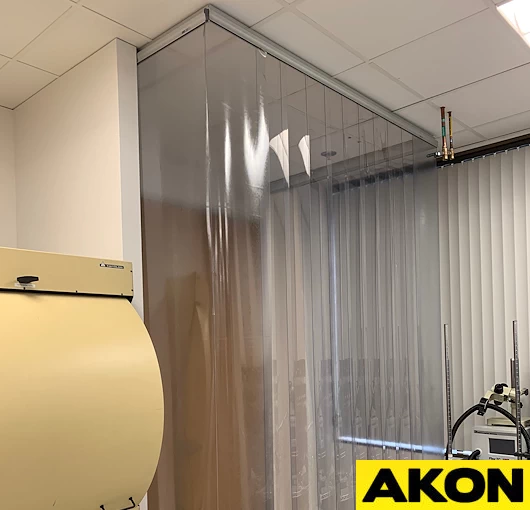
Engineering Capability: Precision-Driven Development for Industrial White Plastic Curtains
At Suzhou Baoshida Trading Co., Ltd., our engineering capability forms the backbone of our industrial rubber solutions, particularly in the development and manufacturing of high-performance white plastic curtains for demanding industrial environments. With a dedicated team of five certified mould engineers and two specialized rubber formula engineers, we maintain full in-house control over material science, design validation, and production optimization. This integrated approach ensures that every product meets exacting performance, durability, and regulatory standards.
Our formula engineers focus on the molecular composition of rubber compounds used in white plastic curtains, tailoring formulations to achieve optimal resistance to UV degradation, temperature extremes, chemical exposure, and physical abrasion. By adjusting polymer bases, filler types, curing systems, and stabilizers, we engineer materials that retain color stability, mechanical strength, and flexibility over extended service life—critical attributes for white curtains used in cleanrooms, food processing, and pharmaceutical facilities where hygiene and appearance are paramount.
Simultaneously, our five mould engineers apply advanced CAD/CAM tools and finite element analysis (FEA) to design precision tooling that ensures dimensional accuracy, consistent extrusion profiles, and seamless integration of functional features such as interlocking edges, hinge points, and mounting hardware. This synergy between material formulation and mould design enables us to deliver products with uniform thickness, minimal flash, and repeatable quality across large production runs.
As an OEM manufacturing partner, we support clients from concept to mass production. Our team collaborates directly with industrial designers and facility engineers to customize curtain dimensions, transparency levels, static dissipation properties, and fire resistance ratings (e.g., UL94 compliance). We conduct rigorous prototype testing—including tensile strength, tear resistance, low-temperature flexibility, and aging cycles—to validate performance under real-world conditions before scaling to full production.
Our facility is equipped with state-of-the-art compounding mills, precision extruders, and automated curing lines, enabling us to maintain tight process control and rapid iteration. All formulations and tooling designs are documented and retained for full traceability, ensuring long-term supply consistency for OEM partners.
Below are key technical specifications achievable through our engineering platform:
| Property | Standard Range | Test Method |
|---|---|---|
| Hardness (Shore A) | 60–85 | ASTM D2240 |
| Tensile Strength | ≥12 MPa | ASTM D412 |
| Elongation at Break | ≥300% | ASTM D412 |
| Operating Temperature | -30°C to +80°C | Internal Thermal Cycle Test |
| UV Resistance | 1,500+ hrs (QUV-A) | ASTM G154 |
| Flame Rating | UL94 HB or V-0 (custom) | UL94 |
| Color Stability (ΔE after 1,000 hrs) | ≤3.0 | ASTM D2244 |
This technical foundation enables Suzhou Baoshida to deliver white plastic curtains that exceed industrial expectations, combining aesthetic consistency with mechanical resilience. Our engineering team remains at the forefront of material innovation, ensuring our OEM partners receive not just components, but engineered solutions.
Customization Process
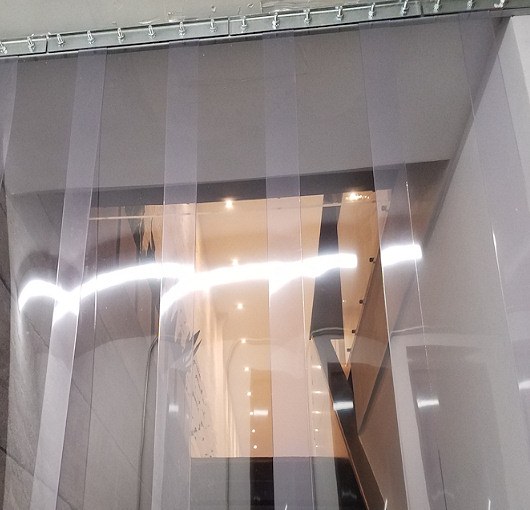
Customization Process for Industrial Rubber Curtain Solutions
At Suzhou Baoshida Trading Co., Ltd., our white rubber curtain customization follows a rigorously controlled engineering sequence to ensure optimal performance in demanding industrial environments. Unlike standard plastic alternatives, our rubber formulations deliver superior flexibility, chemical resistance, and longevity under extreme conditions. The process begins with comprehensive Drawing Analysis, where our engineering team dissects client-provided technical schematics to validate dimensional tolerances, sealing requirements, and operational stress points. We cross-reference these against ISO 3302-1 standards for rubber dimensional accuracy and identify critical zones requiring reinforcement or specialized material properties. This phase includes collaborative reviews with OEM partners to resolve ambiguities and align on performance benchmarks before proceeding.
Formulation development leverages our proprietary compound database and advanced rheometry testing. For white rubber curtains, we prioritize non-staining peroxide-cured EPDM or silicone systems to maintain color stability under UV exposure and prevent plasticizer migration. Key parameters include Shore A hardness (typically 55–75), tensile strength (>12 MPa), and compression set (<25% per ASTM D395). Our chemists adjust filler ratios, UV inhibitors, and anti-ozonants to meet specific application demands—such as food-grade FDA 21 CFR compliance for cleanrooms or flame resistance per UL 94 V-0 for high-risk zones. Every formulation undergoes dynamic mechanical analysis (DMA) to verify low-temperature flexibility down to -50°C.
Prototyping executes precision die-cutting and vulcanization of 3–5 sample units using client-specified tooling. Samples undergo in-house validation: air-tightness testing at 0.5 bar pressure, abrasion resistance cycles (Taber ASTM D1044), and accelerated aging (70°C/72h per ISO 188). We provide clients with full material test reports (MTRs) including FTIR spectroscopy for compound verification. Iterations are completed within 7–10 days based on feedback, ensuring dimensional conformity and functional reliability prior to scale-up.
Mass Production integrates real-time statistical process control (SPC) across our ISO 9001-certified production lines. Each batch is traceable via unique lot codes, with automated mixing systems maintaining ±0.5% ingredient accuracy. Final inspection includes 100% visual checks for surface defects and random sampling for physical property validation. Lead times average 15–20 days for 5,000m² orders, with JIT delivery options for global OEM partners.
Critical Performance Specifications for White Rubber Curtains
| Property | Test Standard | Typical Value Range | Industrial Relevance |
|---|---|---|---|
| Hardness (Shore A) | ASTM D2240 | 55–75 | Balances flexibility & tear resistance |
| Tensile Strength | ASTM D412 | 12–18 MPa | Withstands mechanical stress |
| Elongation at Break | ASTM D412 | 250–400% | Accommodates dynamic movement |
| Compression Set (22h/70°C) | ASTM D395 | <25% | Maintains seal integrity over time |
| Temperature Range | ISO 188 | -50°C to +150°C | Suitable for freezer to oven zones |
| Lightfastness (ΔE) | ISO 105-B02 | <3.0 after 500h | Prevents yellowing in UV exposure |
This end-to-end protocol ensures Suzhou Baoshida delivers rubber curtain solutions that exceed OEM durability and compliance requirements while minimizing total cost of ownership through engineered material science.
Contact Engineering Team
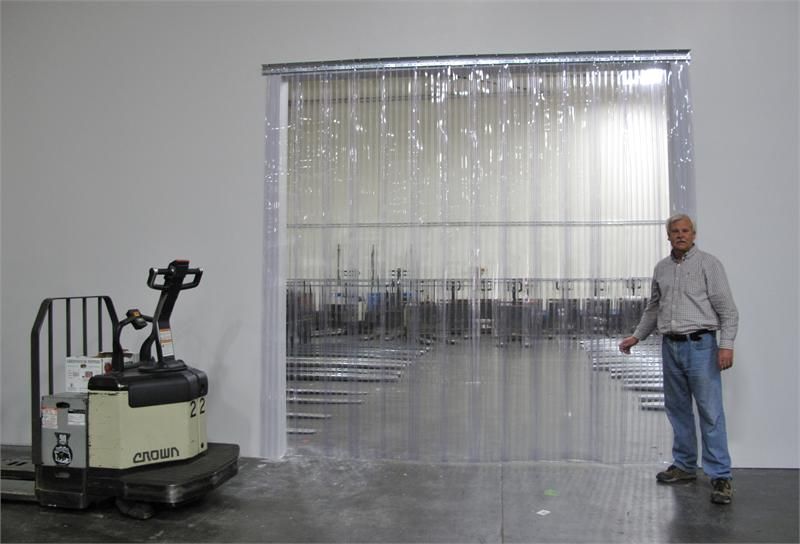
For industrial manufacturers seeking high-performance white plastic curtains tailored to rigorous operational environments, Suzhou Baoshida Trading Co., Ltd. delivers engineered rubber and polymer solutions that meet exacting standards. As a specialized provider within the industrial rubber sector, we focus on material integrity, environmental resistance, and long-term durability—critical factors in cold storage, food processing, pharmaceutical production, and cleanroom applications. Our white plastic curtains are formulated to maintain structural stability under temperature extremes, resist microbial growth, and provide optimal light reflection, enhancing visibility and energy efficiency in controlled environments.
Each curtain system is developed using advanced PVC and rubber-blend compounds, ensuring compliance with international safety and hygiene regulations. Whether your facility requires anti-static properties, UV stabilization, or low-temperature flexibility down to -40°C, our formulations are precision-tailored to your operational parameters. We prioritize seamless integration with existing doorway systems, offering customizable thickness, overlap configurations, and mounting hardware designed for rapid installation and minimal maintenance.
To ensure consistency and performance, all materials undergo rigorous in-house testing for tensile strength, elongation at break, and resistance to oils, chemicals, and repeated impact. Our quality assurance protocols align with ISO 9001 standards, providing documented traceability and batch consistency for every order.
Below are representative technical specifications for our standard white plastic curtain formulations:
| Property | Test Method | Value |
|---|---|---|
| Thickness Range | ASTM D3767 | 1.5 mm – 6.0 mm |
| Tensile Strength | ASTM D412 | ≥ 18 MPa |
| Elongation at Break | ASTM D412 | ≥ 350% |
| Hardness (Shore A) | ASTM D2240 | 85 ± 5 |
| Low-Temperature Flexibility | ASTM D746 | Passes at -40°C |
| Light Reflectance (60° gloss) | ASTM D523 | ≥ 80% |
| Flame Resistance | UL 94 | HB Rated |
| FDA Compliance (optional) | 21 CFR 177.2600 | Available upon request |
Suzhou Baoshida Trading Co., Ltd. operates at the intersection of material science and industrial practicality. We support OEMs, system integrators, and facility engineers with end-to-end technical collaboration—from material selection and prototyping to volume production and logistics. Our engineering team provides on-site consultation and performance audits to ensure that every curtain system delivers measurable improvements in thermal containment, contamination control, and operational throughput.
For detailed technical data sheets, custom formulation guidance, or project-specific quotations, contact Mr. Boyce, OEM Manager and Rubber Formula Engineer, directly at [email protected]. Include your application environment, performance requirements, and dimensional specifications to receive a fully engineered solution within 48 hours. Partner with Suzhou Baoshida to transform standard barrier systems into high-precision components of your industrial efficiency strategy.
⚖️ O-Ring Weight Calculator
Estimate rubber O-ring weight (Approx).