
Technical Contents
Engineering Guide: Window Gasketing
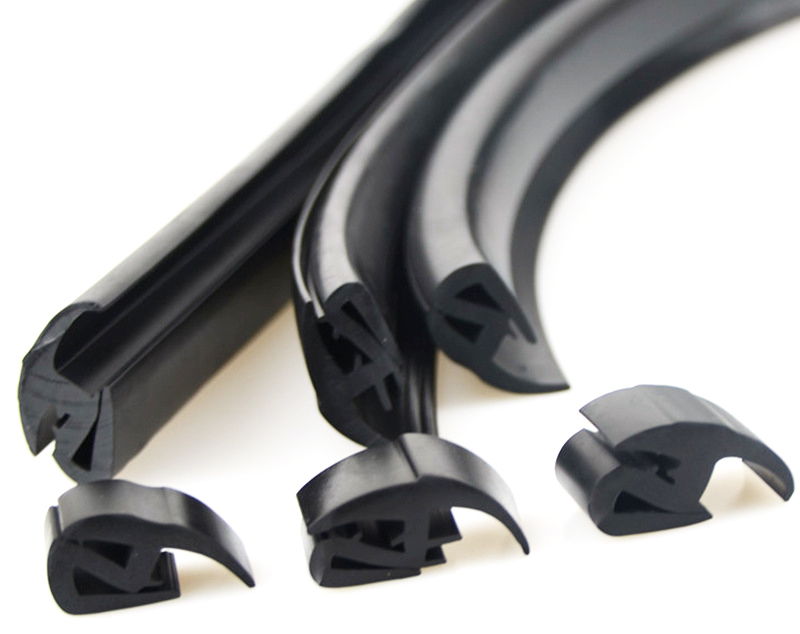
Engineering Insight: Material Science Imperatives in Window Gasketing Performance
The functional integrity of modern window systems hinges critically on the precision engineering of gasketing materials. Off-the-shelf elastomeric seals frequently fail to meet the demanding, multi-variable requirements of architectural fenestration, leading to premature degradation, air/water infiltration, and costly field remediation. This stems from a fundamental mismatch: standardized compounds cannot address the specific thermodynamic, chemical, and mechanical stresses encountered in diverse climatic zones and installation configurations. Generic formulations often prioritize initial cost over long-term performance metrics, neglecting critical parameters like compression set resistance under sustained load, UV/Ozone stability at elevated temperatures, or low-temperature flexibility required for thermal cycling. For instance, a standard EPDM compound may exhibit acceptable initial sealing force but suffer rapid compression set in hot climates due to insufficient crosslink density optimization, resulting in permanent deformation and gap formation. Similarly, inadequate filler systems or antioxidant packages accelerate surface cracking under solar radiation, compromising weatherproofing within years rather than decades. The consequence is systemic failure—not of the gasket concept, but of the material selection process itself.
Material performance is non-negotiable. Key failure modes directly correlate to suboptimal polymer chemistry and compounding. Poor low-temperature flexibility (brittleness below -30°C) causes seal fracture during winter installation or operation. Inadequate resistance to plasticizer migration from adjacent PVC profiles leads to hardening and loss of resiliency. Insufficient resistance to atmospheric pollutants (e.g., NOx, SOx) accelerates surface degradation. Crucially, compression set—the permanent loss of sealing force after compression—must be minimized; values exceeding 25% after 22 hours at 70°C typically indicate unsuitability for long-term static sealing applications. Off-the-shelf solutions rarely undergo the rigorous application-specific validation required for architectural longevity. True performance demands bespoke formulation where polymer backbone selection, cure system chemistry, filler reinforcement, and additive synergies are calibrated to the exact operational envelope.
Suzhou Baoshida Trading Co., Ltd. addresses this through OEM-centric material engineering. We reject one-size-fits-all approaches, instead developing gasket compounds validated against your specific window system dynamics, regional climate data, and lifecycle cost models. The table below illustrates critical performance differentiators between generic and engineered solutions:
| Performance Parameter | Generic Off-the-Shelf EPDM | Baoshida Engineered EPDM (OEM Grade) | Test Standard |
|---|---|---|---|
| Compression Set (22h/70°C) | 35-45% | ≤15% | ASTM D395 Method B |
| Tensile Strength (MPa) | 8-10 | 12-15 | ASTM D412 |
| Elongation at Break (%) | 250-300 | 400-500 | ASTM D412 |
| Low Temp Flexibility (°C) | -40 | -60 | ASTM D1329 |
| Accelerated Weathering (3000h QUV) | Severe cracking | Minimal discoloration, no cracking | ASTM G154 |
| Compression Deflection (N/mm) | Variable, inconsistent | Precisely controlled tolerance ±5% | Custom fixture |
Material selection is not a procurement exercise but a core engineering decision. Partnering with a specialist compounder ensures gasketing that maintains thermodynamic stability across -60°C to +150°C operational ranges, resists environmental aging for 30+ year service life, and delivers consistent sealing force under complex multi-axis deflection. This precision engineering mitigates field failures, reduces warranty liabilities, and upholds the structural and energy performance integrity of the entire window assembly. Demand gasketing engineered for your application—not merely stocked for convenience.
Material Specifications
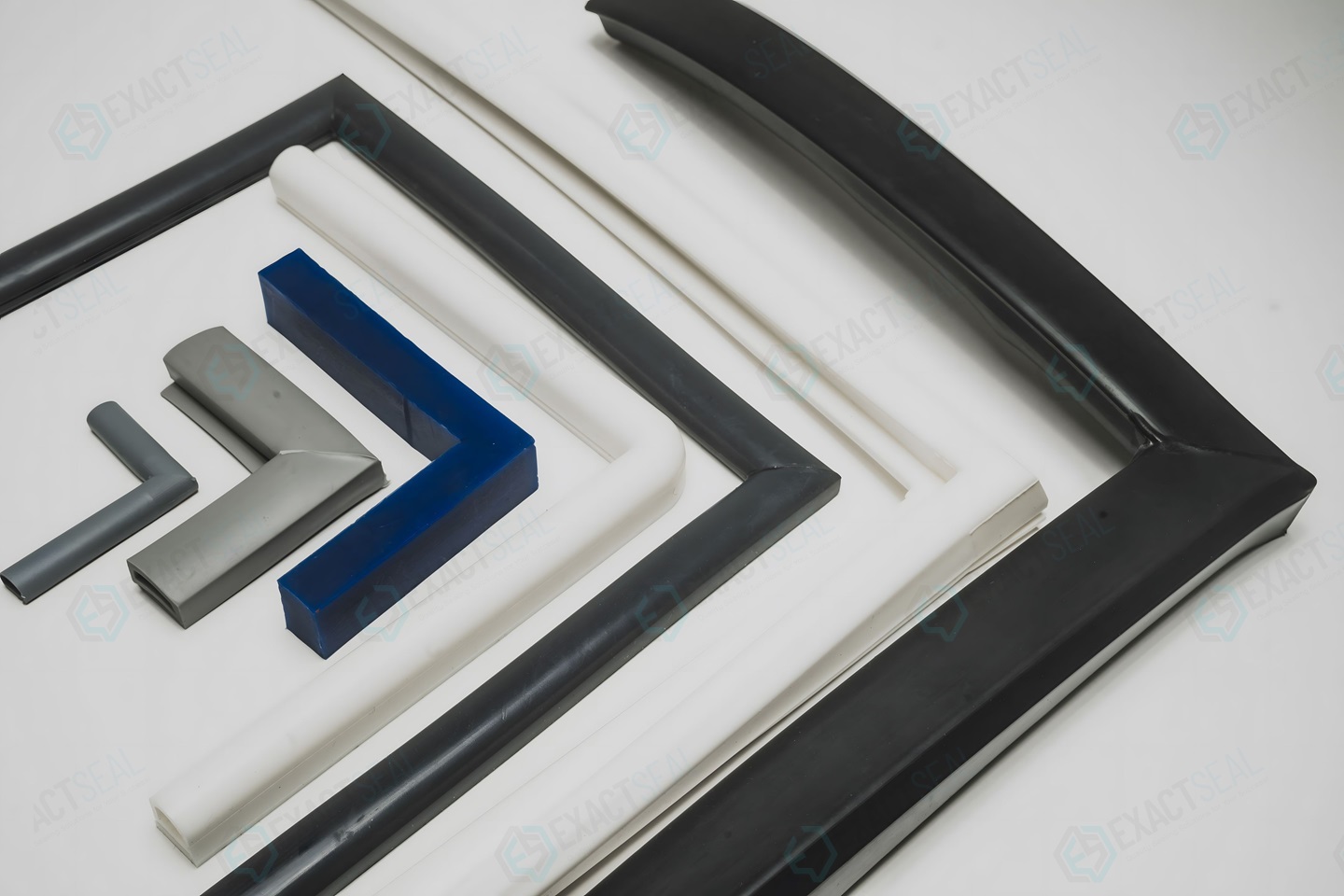
Material selection is a critical factor in the performance and longevity of window gasketing systems, particularly in demanding industrial, automotive, and architectural applications. At Suzhou Baoshida Trading Co., Ltd., we specialize in precision rubber seals engineered to meet exacting environmental and mechanical requirements. Our core materials—Viton, Nitrile (NBR), and Silicone—are selected based on their unique chemical composition, thermal stability, and resistance to degradation under operational stress.
Viton, a fluorocarbon rubber (FKM), offers superior resistance to high temperatures, ozone, UV radiation, and a broad range of chemicals, including fuels, oils, and acids. This makes it ideal for applications exposed to aggressive environments, such as in automotive engine compartments or industrial processing equipment. Viton gaskets maintain sealing integrity from -20°C to +230°C, with intermittent exposure capability up to 300°C. Its low gas permeability and excellent compression set resistance ensure long-term reliability, although it carries a higher material cost compared to alternatives.
Nitrile rubber, or acrylonitrile butadiene rubber (NBR), is widely used for its excellent resistance to petroleum-based oils and fuels. It performs well in temperature ranges from -40°C to +120°C, with some formulations extending to +150°C for short durations. Nitrile is cost-effective and offers good mechanical strength and abrasion resistance, making it suitable for general-purpose window sealing in vehicles, machinery, and HVAC systems. However, its performance diminishes in ozone-rich or highly polar chemical environments, and it exhibits limited UV resistance without protective additives.
Silicone rubber (VMQ) excels in extreme temperature applications, functioning reliably from -60°C to +200°C, with certain grades tolerating brief excursions to 300°C. It demonstrates outstanding resistance to UV, ozone, and weathering, making it a preferred choice for exterior architectural glazing and outdoor electronic enclosures. Silicone is inherently flexible and maintains elasticity over time, but it has lower tensile strength and abrasion resistance compared to Viton and Nitrile. It is also less resistant to petroleum-based fluids, limiting its use in oil-exposed environments.
Each material presents distinct advantages depending on the operational profile. Selection must consider temperature range, chemical exposure, mechanical stress, regulatory compliance, and lifecycle cost. Our engineering team at Suzhou Baoshida supports OEMs in material qualification and gasket design to ensure optimal performance in real-world conditions.
The following table summarizes key physical and performance characteristics of these materials for comparative evaluation:
| Property | Viton (FKM) | Nitrile (NBR) | Silicone (VMQ) |
|---|---|---|---|
| Temperature Range (°C) | -20 to +230 (up to 300 intermittent) | -40 to +120 (up to +150 intermittent) | -60 to +200 (up to 300 intermittent) |
| Tensile Strength (MPa) | 15–20 | 10–25 | 5–10 |
| Elongation at Break (%) | 150–300 | 200–500 | 200–700 |
| Hardness (Shore A) | 60–90 | 50–90 | 30–80 |
| Resistance to Oils/Fuels | Excellent | Excellent | Poor |
| Resistance to Ozone/UV | Excellent | Fair | Excellent |
| Compression Set Resistance | Excellent | Good | Good |
| Water Resistance | Excellent | Good | Excellent |
| Common Applications | Automotive, aerospace, chemical processing | Automotive seals, HVAC, machinery | Architectural glazing, electronics, medical devices |
Manufacturing Capabilities
Engineering Capability: Precision Rubber Sealing Solutions for Window Gasketing
Suzhou Baoshida Trading Co., Ltd. leverages deep technical expertise in rubber formulation and precision mold engineering to deliver mission-critical window gasketing solutions for architectural and automotive OEMs. Our integrated engineering team—comprising five dedicated Mold Engineers and two specialized Rubber Formula Engineers—ensures seamless translation of client specifications into high-performance, production-ready seals. This dual-discipline approach addresses both material science and geometric complexity, eliminating traditional handoffs between formulation and tooling teams that compromise performance and timelines.
Our Rubber Formula Engineers optimize compound chemistry for extreme environmental resilience. Utilizing advanced EPDM, silicone, and thermoplastic vulcanizate (TPV) systems, we tailor formulations to meet stringent requirements for UV resistance, ozone stability, low-temperature flexibility, and compression set retention. Each compound undergoes rigorous validation per ASTM D2000 and ISO 3302 standards, including dynamic aging tests at -50°C to 150°C and 1,000-hour weathering cycles. This ensures gaskets maintain sealing integrity across decades of service life under thermal cycling, chemical exposure, and mechanical stress.
The Mold Engineering team executes precision tooling for complex gasket profiles with micron-level tolerances. Employing 3D CAD/CAM (SolidWorks, Moldflow) and CNC machining, we design multi-cavity molds with optimized runner systems and thermal management to eliminate knit lines, flash, and dimensional drift. Critical for window gaskets, our molds incorporate micro-venting and sequential valve gating to achieve ±0.1 mm profile accuracy—essential for consistent compression force and acoustic insulation. All tooling undergoes in-house validation via coordinate measuring machine (CMM) analysis before production release.
As a certified OEM partner, Baoshida manages end-to-end manufacturing under strict confidentiality protocols. We support clients from concept through量产 with:
Client-owned tooling management and lifecycle maintenance
Real-time SPC monitoring of critical dimensions (e.g., bulb diameter, lip geometry)
Traceability via batch-specific material certificates and process logs
Rapid iteration for design-for-manufacturability (DFM) feedback
Material performance is quantified through standardized testing, with typical gasket properties shown below:
| Property | EPDM Standard | EPDM High-Performance | Silicone | TPV |
|---|---|---|---|---|
| Hardness Range (Shore A) | 50–80 | 40–70 | 30–80 | 50–90 |
| Temp Range (°C) | -50 to +135 | -60 to +150 | -60 to +200 | -40 to +135 |
| Compression Set (70h/100°C) | ≤35% | ≤25% | ≤20% | ≤30% |
| Tensile Strength (MPa) | ≥8.0 | ≥10.0 | ≥6.0 | ≥9.0 |
This engineering synergy enables Baoshida to solve persistent gasketing challenges: reducing assembly force by 15% through low-friction lip designs, extending service life by 40% in coastal environments via halogen-free flame-retardant compounds, and cutting scrap rates to <0.5% through predictive mold simulation. We partner with global OEMs to transform sealing requirements into validated, production-proven solutions—accelerating time-to-market while guaranteeing dimensional and functional reliability.
Customization Process
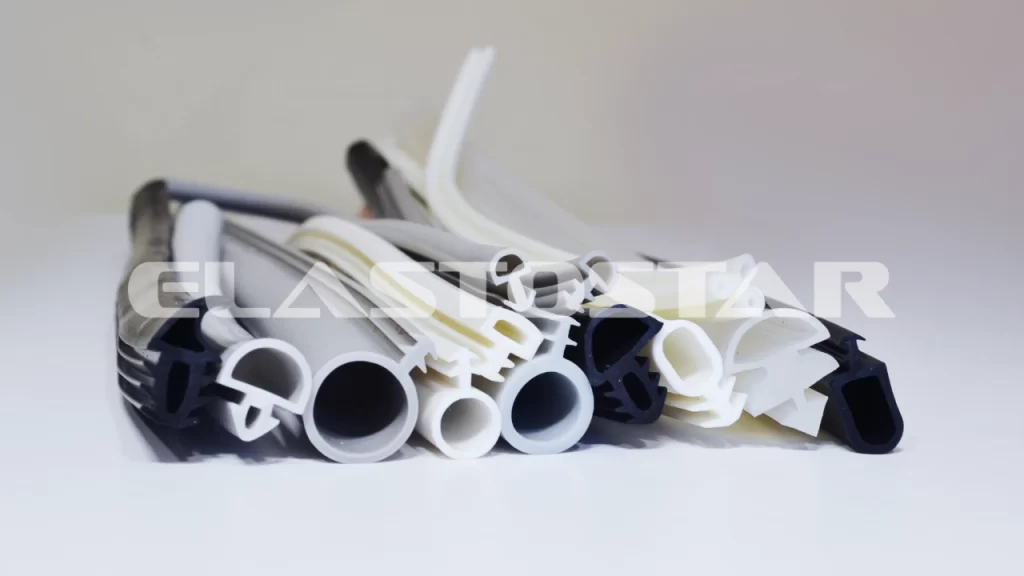
Customization Process for Precision Window Gasketing
At Suzhou Baoshida Trading Co., Ltd., our approach to custom window gasketing is rooted in engineering precision and material science. We follow a structured four-phase process—Drawing Analysis, Formulation, Prototyping, and Mass Production—to ensure every gasket meets exact functional, environmental, and dimensional requirements.
The process begins with Drawing Analysis, where our engineering team evaluates customer-provided technical drawings or CAD models. We assess critical dimensions, tolerance specifications, installation method, and mating surfaces. Part geometry, compression set requirements, and sealing pressure are analyzed to determine optimal cross-sectional design and durometer. This phase also includes a review of regulatory or industry standards (e.g., ISO, ASTM, or OEM-specific) to ensure compliance.
Following drawing validation, we proceed to Formulation Development. Our rubber chemists select base polymers based on environmental exposure—such as UV resistance, temperature extremes (-50°C to +150°C), ozone, moisture, or chemical contact. Common elastomers include EPDM for weather resistance, silicone for high-temperature stability, and thermoplastic vulcanizates (TPV) for balanced performance and processability. Additives such as reinforcing fillers, antioxidants, and pigments are precisely compounded to achieve target mechanical properties. Each formulation is documented and batch-traceable for consistency.
Once the material is finalized, we initiate Prototyping. Using precision extrusion or molding techniques, we produce functional samples based on the approved design. These prototypes undergo rigorous in-house testing, including compression deflection (CR), tensile strength, elongation at break, and accelerated aging per ASTM D573. Dimensional validation is performed using digital calipers, optical comparators, and CMM (Coordinate Measuring Machine) for complex profiles. We provide test reports and physical samples for customer evaluation, allowing for design or material refinement if necessary.
Upon customer approval, we transition to Mass Production. Our manufacturing lines operate under strict process control, with real-time monitoring of extrusion speed, cure temperature, and dimensional consistency. Every production batch is subject to first-article inspection and periodic QA checks. We support high-volume output with just-in-time delivery logistics, ensuring seamless integration into customer assembly lines.
The following table outlines typical performance specifications for our custom window gaskets based on material selection:
| Property | EPDM | Silicone | TPV | Unit |
|---|---|---|---|---|
| Hardness (Shore A) | 50–80 | 40–70 | 55–85 | Shore A |
| Tensile Strength | ≥10 | ≥6 | ≥9 | MPa |
| Elongation at Break | ≥300 | ≥250 | ≥280 | % |
| Compression Set (22h, 70°C) | ≤25 | ≤20 | ≤30 | % |
| Operating Temperature Range | -50 to +135 | -55 to +200 | -40 to +150 | °C |
| Weather/Ozone Resistance | Excellent | Good | Very Good | — |
This systematic customization ensures that every window gasket we produce delivers reliable sealing performance, longevity, and compatibility with the intended application environment.
Contact Engineering Team
Contact Suzhou Baoshida for Precision Window Gasketing Solutions
Suzhou Baoshida Trading Co., Ltd. stands at the forefront of engineered rubber sealing technology, specializing in high-performance window gasketing for demanding architectural and industrial applications. Our team of dedicated Rubber Formula Engineers and OEM Managers leverages decades of compound development expertise to deliver gaskets that ensure airtight integrity, weather resistance, and longevity under extreme environmental stress. We understand that substandard sealing leads to energy loss, structural degradation, and costly field failures—compromises your projects cannot afford. Our ISO 9001-certified processes guarantee consistent material properties, dimensional accuracy, and seamless integration into automated assembly lines.
Critical performance parameters define window gasket efficacy. Below are the baseline specifications achievable through our precision extrusion and molding capabilities for common elastomer systems. These values represent minimum industrial standards; custom formulations exceed these thresholds for specialized requirements.
| Material Type | Shore A Hardness Range | Temperature Range (°C) | Tensile Strength (MPa) | Elongation at Break (%) | Compression Set (22h, 70°C) | Key Application Focus |
|---|---|---|---|---|---|---|
| EPDM | 50–80 | -50 to +150 | ≥10.0 | ≥300 | ≤25% | Standard architectural glazing, cost-optimized durability |
| Silicone | 40–70 | -60 to +230 | ≥6.0 | ≥400 | ≤15% | High-temperature facades, fire-rated assemblies, UV-critical zones |
| TPE | 45–75 | -40 to +120 | ≥8.5 | ≥350 | ≤30% | Sustainable profiles, low-VOC interiors, recyclable systems |
Our value extends beyond material science. As your OEM partner, we provide end-to-end engineering support—from initial CAD-based profile design validation to accelerated aging tests simulating 20+ years of service life. We optimize compounds for specific extrusion speeds, cure kinetics, and adhesion requirements, eliminating production bottlenecks. Our Suzhou facility operates under strict traceability protocols, with every batch accompanied by full material certification and process validation data. This precision ensures your gaskets maintain consistent durometer stability and recovery force across global climate zones, directly impacting your product’s energy efficiency ratings and warranty performance.
Initiate a technical collaboration with Suzhou Baoshida to transform your window sealing challenges into competitive advantages. Contact Mr. Boyce, our dedicated OEM Manager, who possesses direct authority over formula adjustments, capacity allocation, and rapid prototyping schedules. He will coordinate a confidential review of your performance targets, environmental exposure conditions, and volume requirements to deploy a solution engineered for zero compromise. Provide your current gasket specifications or failure analysis data to receive a targeted feasibility assessment within 72 hours.
Do not settle for generic elastomer suppliers. Partner with engineers who treat sealing as a science, not a commodity. Reach Mr. Boyce directly at [email protected] to schedule a technical consultation. Include your project timeline, annual volume estimates, and critical performance non-negotiables in your inquiry. Our team responds to all qualified B2B requests within one business day, prepared to discuss compound viscosity curves, extrusion die flow simulations, or accelerated weathering protocols. Elevate your window system’s reliability with Suzhou Baoshida—where molecular precision meets industrial execution.
⚖️ O-Ring Weight Calculator
Estimate rubber O-ring weight (Approx).