
Technical Contents
Engineering Guide: Wire Belts
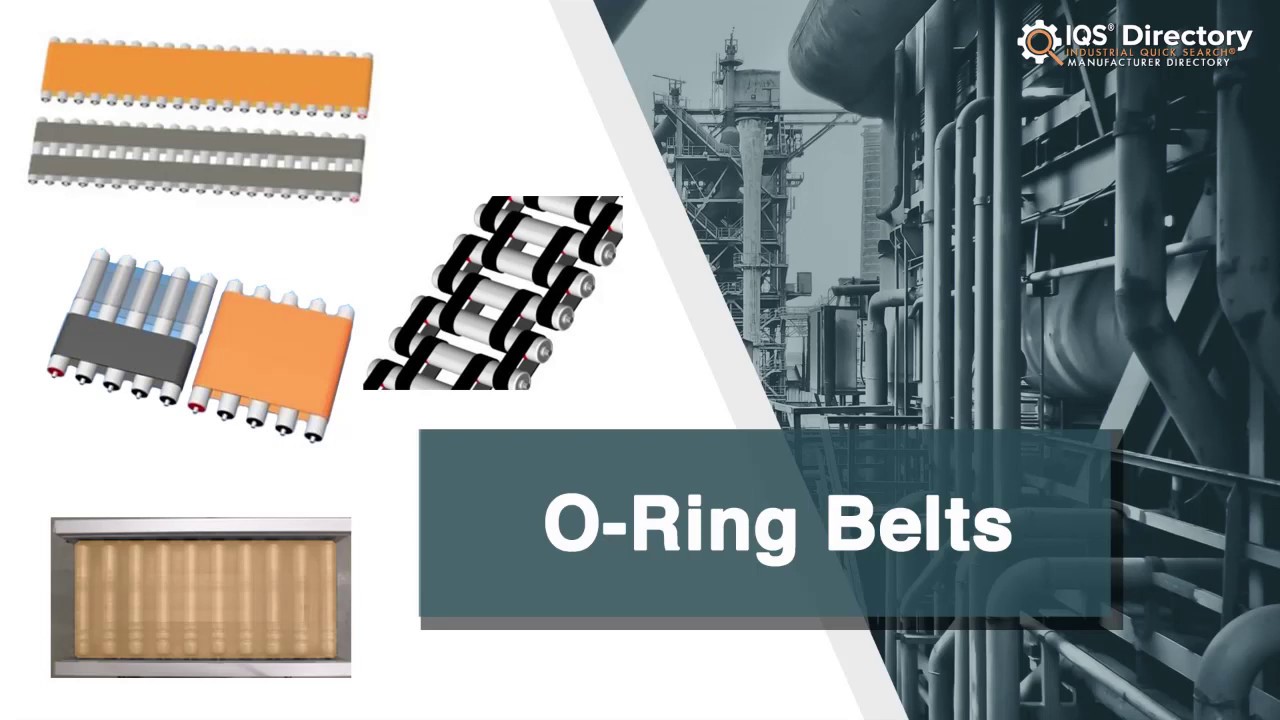
Engineering Insight: The Critical Role of Material Selection in Wire Belt Performance
In the domain of industrial conveying systems, wire belts serve as the backbone for applications spanning food processing, glass tempering, automotive manufacturing, and chemical drying lines. While often perceived as standardized components, wire belts are highly engineered systems where material selection directly influences operational longevity, thermal stability, corrosion resistance, and mechanical integrity. Off-the-shelf wire belt solutions, though economically appealing in the short term, frequently fail to meet the nuanced demands of specialized industrial environments. This failure stems from a fundamental mismatch between generic material properties and application-specific stress conditions.
The primary cause of premature wire belt degradation is improper alloy selection relative to operational parameters. For instance, a belt constructed from standard AISI 304 stainless steel may perform adequately in mild ambient environments but will rapidly corrode when exposed to chlorides or acidic vapors common in food sanitation or chemical processing. Similarly, high-temperature applications such as sintering or annealing demand alloys with superior creep resistance and oxidation thresholds—properties not inherent in commodity-grade materials.
Thermal cycling presents another critical challenge. Repeated expansion and contraction induce metallurgical fatigue, particularly in belts with heterogeneous weld points or inconsistent grain structures. Alloys such as AISI 310 or Inconel 600 are specifically formulated to maintain tensile strength and dimensional stability under sustained thermal loads exceeding 1000°C. Using suboptimal materials leads to warping, mesh distortion, and eventual structural failure.
Mechanical loading conditions further underscore the need for precision material engineering. Applications involving heavy part conveying or abrasive media require high tensile strength and wear resistance. Here, surface hardness, wire diameter, and weave pattern must be co-optimized with base material properties. A mismatch results in accelerated wear, increased maintenance frequency, and unplanned downtime.
At Suzhou Baoshida Trading Co., Ltd., we emphasize application-driven design. Our engineering process begins with a comprehensive analysis of temperature profiles, chemical exposure, load dynamics, and lifecycle requirements. Only then is an alloy and structural configuration specified.
The following table outlines common wire belt alloys and their performance characteristics in industrial environments:
| Alloy Type | Max Continuous Temp (°C) | Corrosion Resistance | Tensile Strength (MPa) | Typical Application |
|---|---|---|---|---|
| AISI 304 | 870 | Moderate | 515 | General conveying, dry environments |
| AISI 316 | 925 | High (chloride) | 580 | Food processing, marine exposure |
| AISI 310 | 1150 | Very High | 550 | High-temp furnaces, sintering |
| Inconel 600 | 1150 | Exceptional | 620 | Aerospace, chemical processing |
| Carbon Steel | 450 | Low | 420 | Low-cost, non-corrosive |
Generic wire belts neglect these material-performance relationships, leading to systemic inefficiencies. True reliability emerges not from standardization, but from engineered alignment between material science and operational reality.
Material Specifications
Material Specifications for Industrial Wire Belt Applications
Material selection critically determines the operational stability and service life of wire-reinforced rubber belts in demanding industrial environments. At Suzhou Baoshida Trading Co., Ltd., we engineer compounds to withstand specific thermal, chemical, and mechanical stresses inherent in conveyor, processing, and drive systems. Our core formulations—Viton, Nitrile, and Silicone—each address distinct performance requirements. Understanding their intrinsic properties ensures optimal belt functionality and longevity under targeted conditions.
Viton (FKM) fluoropolymer compounds deliver exceptional resistance to high temperatures, aggressive chemicals, and ozone. Composed of vinylidene fluoride and hexafluoropropylene monomers, Viton maintains integrity from -20°C to +250°C continuous service. Its molecular stability prevents swelling when exposed to fuels, hydraulic fluids, acids, and aromatic hydrocarbons, making it indispensable for aerospace, semiconductor, and chemical processing wire belts where failure is unacceptable. Tensile strength typically ranges 12–20 MPa with elongation at break 150–300%.
Nitrile (NBR) butadiene-acrylonitrile rubber provides cost-effective resilience against oils, greases, and aliphatic hydrocarbons. The acrylonitrile content (ranging 18%–50%) directly governs oil resistance and low-temperature flexibility. Standard NBR operates effectively between -30°C and +120°C, with specialty grades extending to +150°C. Shore A hardness spans 35–90, enabling customization for abrasion resistance versus flexibility. NBR’s robust mechanical properties and adhesion to steel cord make it the standard for automotive, printing, and general industrial wire belts handling petroleum-based media.
Silicone (VMQ) polymers excel in extreme temperature cycling and biocompatibility. With a siloxane backbone, silicone functions reliably from -60°C to +230°C, retaining elasticity at cryogenic temperatures where other elastomers embrittle. It resists water, steam, ozone, and UV radiation but exhibits lower tensile strength (5–8 MPa) and higher cost. Limited oil resistance restricts use to food processing, medical, and high-purity applications where non-toxicity and thermal stability are paramount.
The comparative analysis below details critical specifications for informed material selection:
| Material | Chemical Composition | Temperature Range (°C) | Key Properties | Primary Applications |
|---|---|---|---|---|
| Viton (FKM) | Vinylidene fluoride/hexafluoropropylene | -20 to +250 | Extreme chemical/fuel resistance; high thermal stability; low gas permeability | Chemical processing; aerospace; semiconductor manufacturing |
| Nitrile (NBR) | Butadiene/acrylonitrile | -30 to +120 (+150 special grades) | Excellent oil/fuel resistance; good abrasion resistance; cost-effective | Automotive; printing; general industrial conveyors |
| Silicone (VMQ) | Polydimethylsiloxane | -60 to +230 | Outstanding thermal cycling; biocompatible; ozone/UV resistant; poor oil resistance | Food processing; medical devices; high-purity environments |
Suzhou Baoshida prioritizes OEM collaboration to tailor compound formulations—adjusting filler systems, cure chemistry, and wire adhesion promoters—to exact operational parameters. Selecting the optimal elastomer prevents premature degradation, minimizes downtime, and maximizes total cost of ownership. Consult our engineering team to validate material suitability against your specific media exposure, load profiles, and regulatory requirements. Precision in specification translates directly to system reliability in industrial wire belt deployment.
Manufacturing Capabilities
Engineering Capability: Precision-Driven Rubber Wire Belt Development
At Suzhou Baoshida Trading Co., Ltd., our engineering capability forms the backbone of our industrial rubber solutions, particularly in the specialized domain of wire-reinforced rubber belts. With a dedicated team comprising five experienced mould engineers and two advanced rubber formula engineers, we maintain full in-house control over the product development lifecycle—from concept and material formulation to tooling design and final validation. This integrated technical structure enables us to deliver high-performance wire belts tailored precisely to OEM specifications and demanding industrial applications.
Our mould engineers bring over a decade of cumulative experience in precision tooling for rubber extrusion and curing processes. They specialize in designing robust, high-tolerance steel and aluminum mould systems that ensure consistent dimensional accuracy and surface integrity across production batches. Utilizing advanced CAD/CAM software and finite element analysis (FEA), they optimize flow dynamics, minimize material waste, and enhance thermal uniformity during vulcanization. This results in wire belts with superior structural alignment, uniform rubber distribution, and long-term operational reliability.
Complementing the mould development team, our two rubber formula engineers focus on material science innovation to meet exacting performance requirements. They formulate custom rubber compounds—primarily based on NR (Natural Rubber), SBR (Styrene-Butadiene Rubber), NBR (Nitrile Rubber), and EPDM—engineered for specific resistance to abrasion, oil, heat, ozone, and dynamic stress. Each formulation undergoes rigorous laboratory testing for tensile strength, elongation, hardness (Shore A), and adhesion between rubber and embedded steel wire. This ensures optimal bonding and fatigue resistance under continuous tension and flexing, critical for conveyor and transmission applications.
Our OEM capabilities are built around a collaborative engineering model. Clients provide performance parameters, environmental conditions, and dimensional requirements, and our team responds with a fully validated design package, including 3D models, material certifications, and prototype samples. We support low-volume prototyping and rapid tooling adjustments, enabling fast time-to-market without compromising quality.
All wire belt products are developed in compliance with international standards such as ISO 9001 and DIN 2211, ensuring traceability, repeatability, and product consistency. Our facility supports a wide range of wire diameters, lay patterns (parallel, helical, or cross-wound), and belt cross-sections, accommodating diverse industrial needs—from mining conveyors to automated manufacturing lines.
Key Technical Specifications
| Parameter | Range / Capability |
|---|---|
| Wire Diameter | 0.8 mm – 3.2 mm (galvanized or brass-coated) |
| Belt Width | 100 mm – 1600 mm |
| Belt Thickness | 6 mm – 30 mm |
| Rubber Hardness (Shore A) | 55° – 85° |
| Operating Temperature | -40°C to +120°C (up to +150°C for EPDM variants) |
| Tensile Strength | 15 MPa – 28 MPa (depending on compound) |
| Elongation at Break | 300% – 600% |
| Adhesion Strength (Rubber-Wire) | ≥ 120 N/cm |
| Standard Compliance | ISO 9001, DIN 2211, ROHS |
Through technical depth, material expertise, and OEM agility, Suzhou Baoshida delivers engineered wire belt solutions that meet the highest standards of industrial performance.
Customization Process
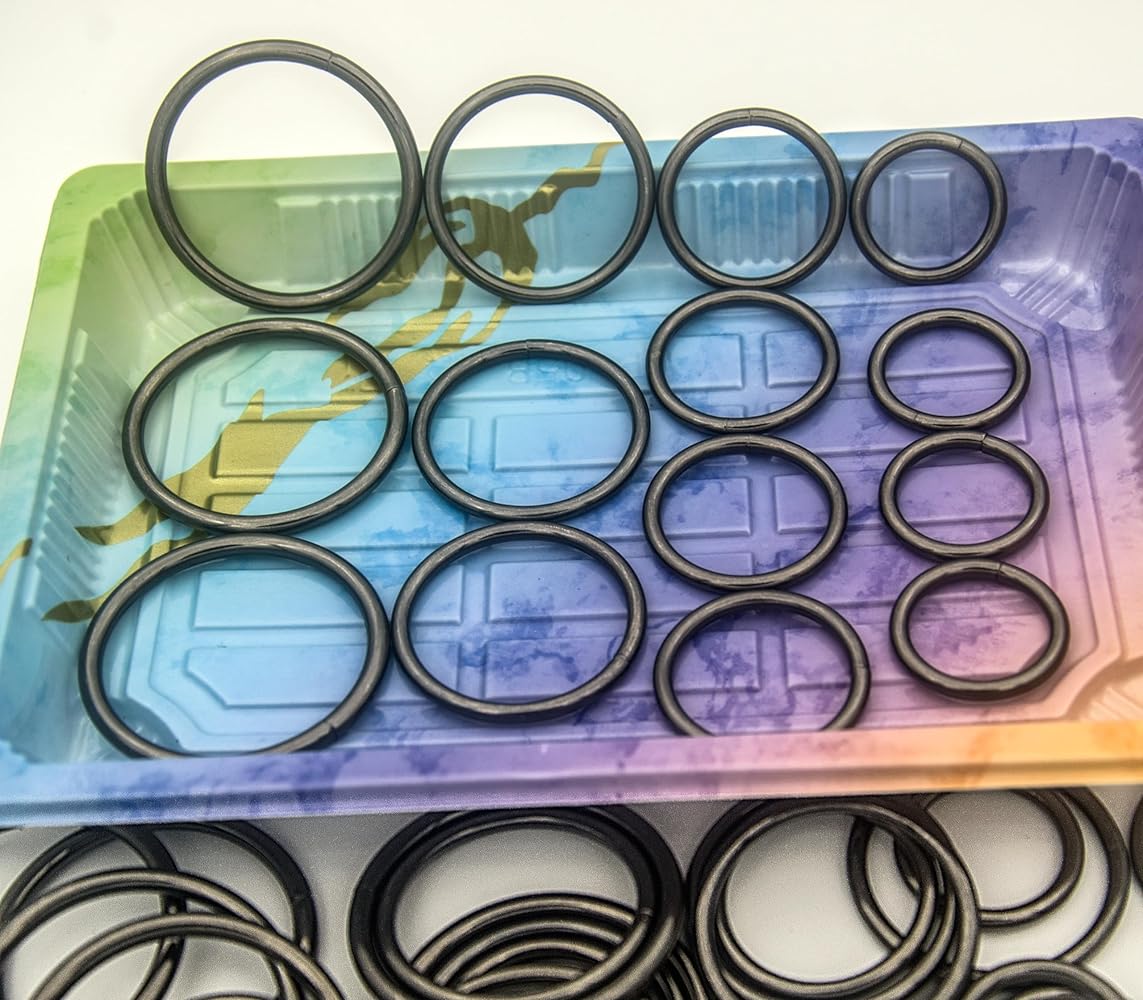
Customization Process for Industrial Wire Belts
Suzhou Baoshida Trading Co., Ltd. delivers precision-engineered wire belts through a rigorously controlled four-phase customization workflow. This systematic approach ensures optimal performance in demanding industrial applications, from food processing to automotive manufacturing. Our process begins with meticulous drawing analysis, where engineering teams validate dimensional tolerances, wire mesh configuration, and interface compatibility against OEM specifications. Critical parameters such as pitch accuracy, wire diameter consistency, and edge sealing requirements are cross-referenced with ISO 1302 surface finish standards to prevent assembly failures. Any deviations trigger immediate collaborative redesign sessions with the client, minimizing downstream rework.
Formulation follows as the scientific core of customization. Our rubber compound development leverages proprietary sulfur vulcanization systems tailored to operational stressors. For high-temperature conveyor environments, we prioritize EPDM matrices with peroxide curing to achieve 150°C continuous service limits. Chemical resistance demands drive nitrile rubber (NBR) formulations with custom additive packages—zinc oxide modifiers for ozone resistance or silica reinforcement for abrasion control. Each compound undergoes predictive modeling for dynamic fatigue life, ensuring wire-rubber adhesion integrity under cyclic tension. Material selection strictly adheres to REACH and FDA 21 CFR 177.2600 compliance where required.
Prototyping transitions theory to empirical validation. Using CNC-machined molds and precision extrusion tooling, we produce 3–5 functional units for client testing. These prototypes undergo accelerated life testing in simulated operational conditions: 500+ hours of tension cycling at 10% elongation, thermal shock profiling from -40°C to operational maxima, and chemical exposure trials. Adhesion strength between wire core and rubber matrix is quantified via peel tests per ASTM D903, with minimum acceptance thresholds set at 8 kN/m. Client feedback on dimensional stability and surface friction characteristics informs final adjustments before tooling sign-off.
Mass production integrates statistical process control (SPC) at every station. Extrusion lines operate under ±0.15 mm thickness tolerances with real-time laser micrometry feedback. Vulcanization parameters are locked via IoT-enabled presses, ensuring consistent cross-link density (swell ratio ≤1.8 per ASTM D2240). Each batch undergoes 100% visual inspection for wire exposure defects and抽样 testing per the specifications below. Traceability is maintained through serialized lot coding, with full material certifications provided.
Critical Performance Specifications for Wire Belts
| Property | Test Standard | Minimum Requirement |
|————————-|—————|———————|
| Tensile Strength | ISO 37 | 25 MPa |
| Elongation at Break | ASTM D412 | 450% |
| Adhesion Strength | ASTM D903 | 8 kN/m |
| Temperature Range | ISO 188 | -40°C to +150°C |
| Hardness (Shore A) | ASTM D2240 | 65 ± 5 |
| Abrasion Loss | DIN 53516 | ≤90 mm³ |
This closed-loop methodology guarantees wire belts meeting exact functional demands while maintaining Suzhou Baoshida’s zero-defect shipment record. Continuous data capture from production lines feeds iterative compound refinement, ensuring long-term operational reliability for OEM partners.
Contact Engineering Team
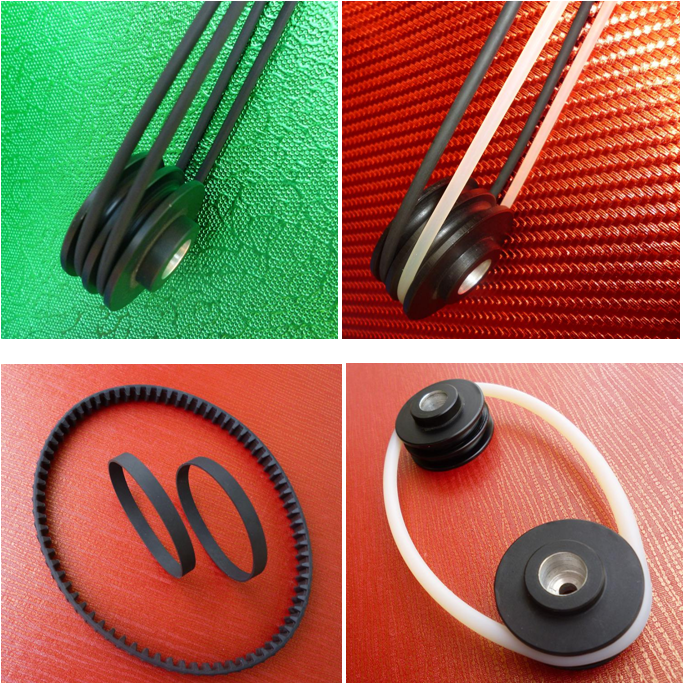
For industrial manufacturers relying on precision, durability, and continuous performance, wire belts represent a critical component in numerous high-demand applications. From conveyor systems in rubber curing lines to specialized transfer mechanisms in tire manufacturing, the integrity of wire belts directly influences production efficiency, product consistency, and operational safety. At Suzhou Baoshida Trading Co., Ltd., we specialize in engineered industrial rubber solutions, integrating advanced materials and precision fabrication to deliver wire belt systems that meet the rigorous demands of modern manufacturing.
Our expertise extends beyond standard supply—we provide tailored engineering support, material selection guidance, and lifecycle optimization for wire-reinforced rubber belts used in high-temperature, high-tension, and chemically aggressive environments. Whether your operation requires seamless splicing, custom width configurations, or enhanced tensile strength through embedded steel or stainless-steel cords, our team ensures every specification aligns with your process requirements.
We understand that downtime is not an option. That is why our wire belts are designed for maximum fatigue resistance, dimensional stability, and thermal conductivity, ensuring consistent performance across thousands of operational cycles. Our quality control processes adhere to international industrial standards, with rigorous testing for elongation, adhesion strength, and resistance to abrasion and heat degradation.
To support seamless integration into your existing systems, we offer comprehensive technical documentation and on-demand engineering consultation. Our goal is not only to supply components but to become a technical partner in your production ecosystem—ensuring reliability, scalability, and long-term cost efficiency.
For immediate assistance or to discuss a custom wire belt solution, contact Mr. Boyce, Rubber Formula Engineer and OEM Manager at Suzhou Baoshida Trading Co., Ltd. With over 15 years of experience in rubber compounding and industrial belt design, Mr. Boyce leads our technical client engagement, ensuring every project receives expert analysis and data-driven recommendations.
Reach out via email at [email protected] to initiate a technical consultation, request material test reports, or submit a detailed inquiry for quotation. We respond to all inquiries within 12 business hours and can provide sample specifications, lead time estimates, and compatibility assessments based on your operational parameters.
Below are representative technical specifications for our standard wire belt offerings. Custom configurations are available upon request.
| Property | Specification |
|---|---|
| Tensile Strength (Steel Cord) | 1,800 – 3,200 N/mm |
| Elongation at Break | ≤ 1.5% |
| Operating Temperature Range | -30°C to +250°C |
| Adhesion Strength (Rubber to Wire) | ≥ 12 N/mm |
| Belt Thickness Tolerance | ±0.3 mm |
| Standard Width Range | 500 – 2,200 mm |
| Splice Type | Cold or Hot Vulcanized, Seamless |
| Surface Finish Options | Smooth, Grooved, Patterned |
Partner with Suzhou Baoshida for precision-engineered wire belts backed by technical rigor and industrial expertise. Contact Mr. Boyce today to optimize your production line with a solution built to last.
⚖️ O-Ring Weight Calculator
Estimate rubber O-ring weight (Approx).