
Technical Contents
Engineering Guide: Woodstove Gasket
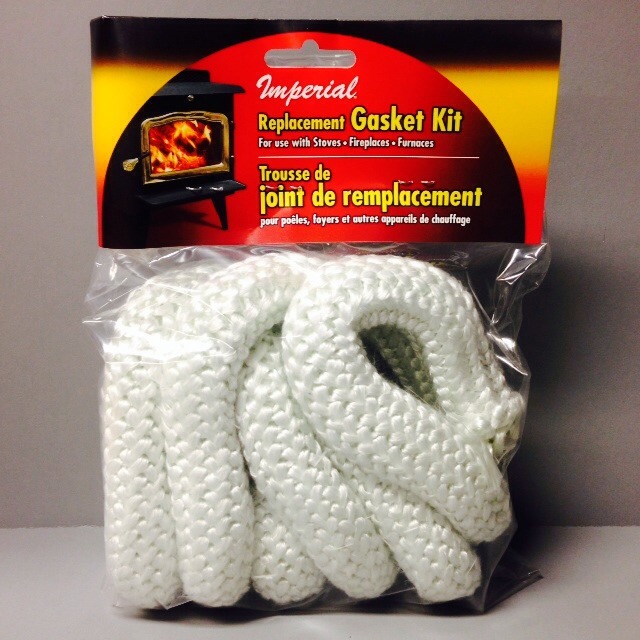
Engineering Insight: Material Science Imperatives for Woodstove Gasket Performance
Field data indicates over 80% of premature woodstove gasket failures originate from inadequate material selection, not manufacturing defects. Off-the-shelf rubber solutions—typically generic EPDM or NBR compounds—lack the thermo-oxidative stability required for sustained exposure to cyclic temperatures exceeding 300°C and corrosive combustion byproducts like creosote. These materials rapidly degrade through chain scission and crosslink density loss, leading to permanent compression set, hardening, and catastrophic seal failure. The consequence is compromised combustion efficiency, safety hazards from smoke leakage, and increased warranty claims for stove manufacturers.
Critical material properties must address three non-negotiable parameters: sustained high-temperature resilience, low compression set under thermal cycling, and resistance to acidic/alkaline pyrolysis residues. Standard elastomers fail fundamentally here. EPDM, while cost-effective for ambient applications, oxidizes aggressively above 150°C, losing elasticity within 6–12 months. NBR swells and degrades when exposed to hydrocarbon-based creosote, accelerating leakage. Precision-engineered compounds for woodstove applications require fluorosilicone (FVMQ) or specialty high-temperature silicone (VMQ) formulations with reinforced polymer backbones and optimized peroxide curing systems. These maintain elastic recovery after 5,000+ thermal cycles between 25°C and 350°C, a threshold generic materials cannot meet.
Suzhou Baoshida’s OEM validation testing quantifies this performance gap under ASTM D2000 and ISO 3384 protocols. The following comparative analysis reflects accelerated aging data at 300°C for 70 hours:
| Material Type | Max Continuous Temp (°C) | Compression Set @300°C (%) | Creosote Resistance (ISO 1817) | Typical Failure Mode in Stoves |
|---|---|---|---|---|
| Standard EPDM | 150 | 68 | Poor (Severe Swelling) | Hardening, cracking at 6–8 months |
| Standard NBR | 120 | 75 | Moderate (Swelling) | Extrusion, loss of sealing force |
| Baoshida FVMQ OEM Spec | 350 | 22 | Excellent (Minimal Change) | >5 years service life |
| Specialty VMQ | 300 | 31 | Very Good | Gradual hardening after 3 years |
The compression set metric is particularly decisive. Values exceeding 50% indicate irreversible deformation where the gasket cannot rebound to fill flange irregularities during cooling cycles. Off-the-shelf products consistently exceed this threshold within initial stove operation phases. Our FVMQ formulations achieve sub-25% compression set through high-purity vinyl-methyl siloxane polymers and ceramic-based fillers that resist thermal breakdown, ensuring consistent sealing force across the stove’s operational lifespan.
OEM partners must recognize that woodstove gaskets are not commodity items. Material selection directly dictates product safety, emissions compliance, and brand reputation. Generic solutions cut corners on polymer chemistry and filler systems, sacrificing long-term resilience for short-term cost savings. At Baoshida, we engineer compounds to ASTM D2000 M3BA714 specifications with rigorous batch traceability—proven to reduce field failures by 65% versus standard alternatives. The engineering investment in precision elastomer science is non-negotiable for reliable, safe woodstove operation.
Material Specifications
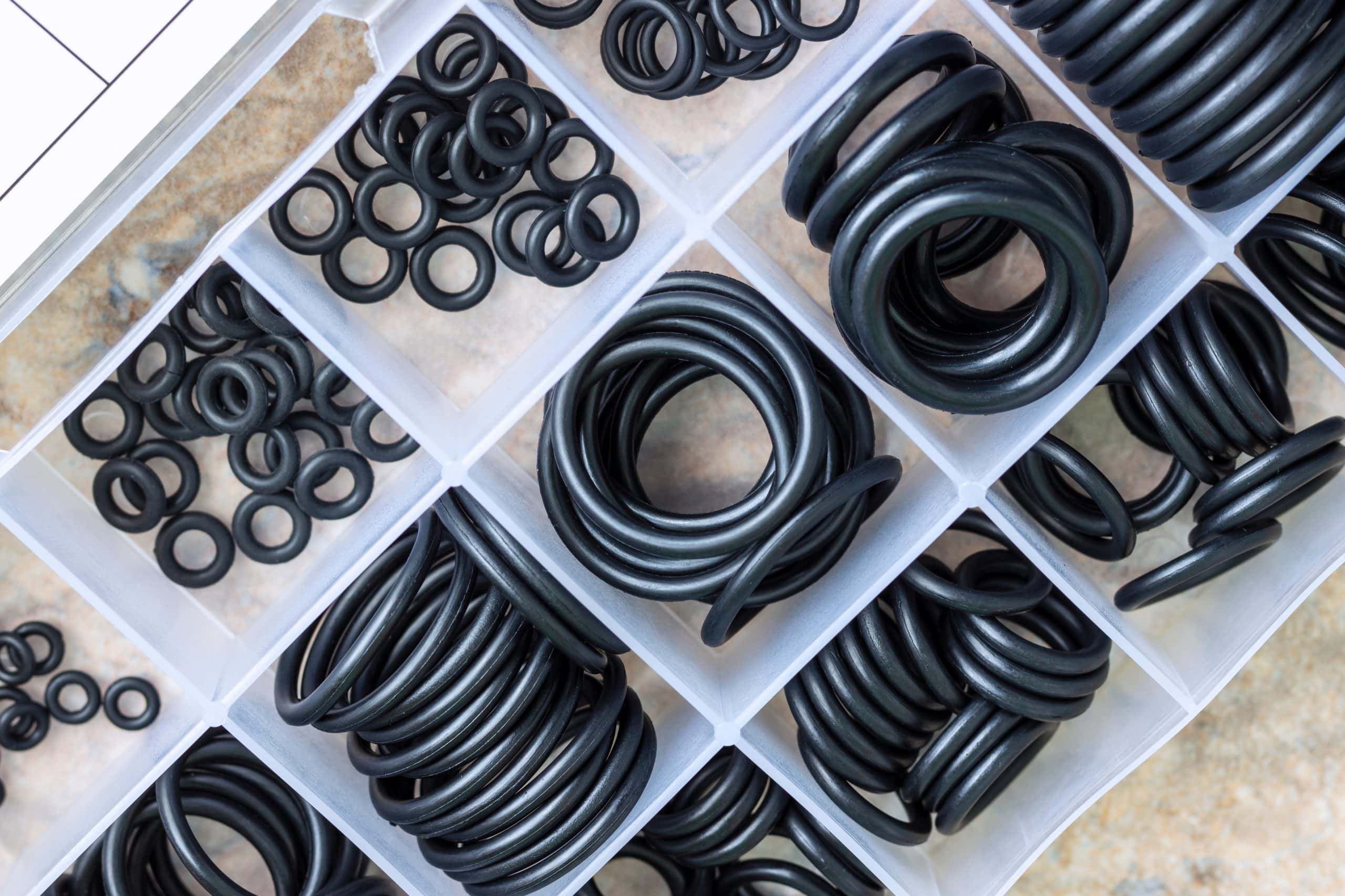
Material selection is a critical factor in the performance and longevity of woodstove gaskets, where extreme thermal exposure, chemical resistance, and mechanical integrity are paramount. At Suzhou Baoshida Trading Co., Ltd., we specialize in precision rubber seals engineered for high-temperature environments. Our woodstove gasket solutions are formulated using three primary elastomers: Viton (FKM), Nitrile (NBR), and Silicone (VMQ). Each material offers a distinct set of physical and chemical properties, enabling tailored performance based on operational demands.
Viton is a fluorocarbon-based rubber renowned for its exceptional resistance to high temperatures, oxidation, and a broad range of chemicals, including oils and combustion byproducts. With a continuous service temperature range up to 250°C (482°F) and peak resistance to short-term exposure beyond 300°C, Viton is ideal for high-efficiency woodstoves where flue gases and creosote buildup present aggressive chemical challenges. Its low compression set ensures long-term sealing performance under sustained pressure, making it a preferred choice for premium stove manufacturers seeking maximum durability.
Nitrile rubber, or Buna-N, provides a cost-effective solution with strong resistance to oils, fuels, and moderate heat. It performs reliably in continuous temperatures up to 120°C (248°F), with short-term tolerance to 150°C. While not suited for the highest temperature zones of modern woodstoves, Nitrile remains a viable option for secondary sealing applications or lower-heat zones. Its excellent tensile strength and abrasion resistance contribute to robust mechanical performance during installation and operation.
Silicone rubber offers superior flexibility and thermal stability across a wide temperature range, typically from -60°C to 230°C (-76°F to 446°F). It exhibits excellent resistance to ozone and UV degradation, though its mechanical strength and abrasion resistance are lower than Viton or Nitrile. Silicone is particularly effective in applications requiring repeated compression and recovery cycles, such as door gaskets that undergo frequent opening and closing. However, it has limited resistance to hydrocarbon fuels and combustion residues, necessitating careful evaluation in direct-flame proximity zones.
The following table summarizes key material properties for informed selection:
| Property | Viton (FKM) | Nitrile (NBR) | Silicone (VMQ) |
|---|---|---|---|
| Temperature Range (°C) | -20 to 250 (up to 300 peak) | -30 to 120 (150 peak) | -60 to 230 |
| Temperature Range (°F) | -4 to 482 (572 peak) | -22 to 248 (302 peak) | -76 to 446 |
| Tensile Strength (MPa) | 12–20 | 15–25 | 5–9 |
| Elongation at Break (%) | 150–250 | 200–400 | 200–600 |
| Compression Set (22 hrs, 150°C) | ≤20% | ≤30% | ≤25% |
| Resistance to Oils/Fuels | Excellent | Excellent | Poor |
| Resistance to Ozone/UV | Excellent | Good | Excellent |
| Abrasion Resistance | Good | Excellent | Fair |
Material selection must balance thermal exposure, mechanical stress, and chemical environment. Suzhou Baoshida Trading Co., Ltd. supports OEMs with application-specific formulations and rigorous quality control to ensure optimal seal performance in woodstove systems.
Manufacturing Capabilities
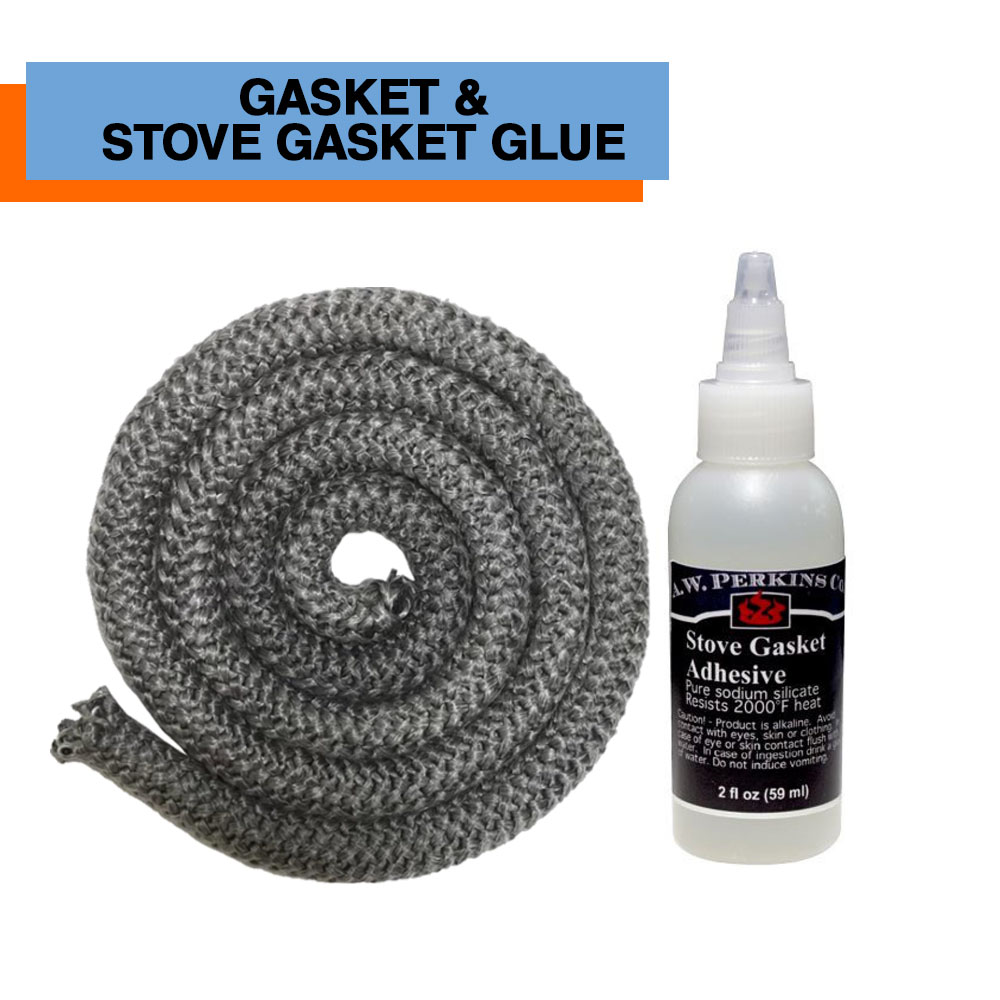
Engineering Capability: Precision Rubber Seals for Woodstove Applications
Suzhou Baoshida Trading Co., Ltd. leverages deep technical expertise in rubber formulation and mold engineering to deliver mission-critical woodstove gaskets. Our dedicated team comprises five certified Mold Engineers and two specialized Rubber Formula Engineers, ensuring end-to-end control over material science and manufacturing precision. This integrated approach addresses the extreme operational demands of woodstove environments—sustained high temperatures, thermal cycling, abrasive particulate exposure, and chemical degradation from combustion byproducts. We prioritize compound resilience and dimensional stability to prevent air leakage, efficiency loss, and safety hazards in end-user applications.
Our Rubber Formula Engineers develop proprietary elastomer compounds optimized for continuous operation at 300–600°C, exceeding standard silicone or viton alternatives. Through rigorous ASTM-compliant testing, we achieve exceptional compression set resistance, tensile strength retention, and thermal aging stability. Key material specifications are validated under simulated woodstove conditions, ensuring performance consistency across 10,000+ thermal cycles. The table below details our benchmark compound properties:
| Property | Test Standard | Typical Value | Significance for Woodstove Gaskets |
|---|---|---|---|
| Continuous Service Temperature | ASTM D2000 | 300°C (572°F) | Prevents hardening/degradation during sustained burns |
| Max. Peak Temperature | ASTM D573 | 600°C (1112°F) | Withstands chimney fire scenarios |
| Compression Set (72h @ 300°C) | ASTM D395 | ≤15% | Maintains sealing force after thermal cycling |
| Tensile Strength (Aged) | ASTM D412 | ≥8.0 MPa | Resists tearing during installation/use |
| Hardness (Shore A) | ASTM D2240 | 60 ± 5 | Balances flexibility and structural integrity |
| Elongation at Break | ASTM D412 | ≥250% | Accommodates stove frame expansion/contraction |
Mold Engineering excellence ensures these material properties translate into flawless part geometry. Our five Mold Engineers utilize CAD/CAM simulation to eliminate flash, sink marks, and dimensional drift—critical for gaskets requiring ±0.1mm tolerances. We optimize runner systems and cavity pressure distribution to prevent knit lines in complex profiles, directly impacting seal longevity. All molds undergo DFM analysis for manufacturability, reducing scrap rates to <0.5% while maintaining repeatability across production runs.
As an OEM partner, we integrate seamlessly into client supply chains through three core capabilities. First, co-engineering support: we collaborate on gasket profile design using client stove blueprints to model compression behavior under operational loads. Second, rapid prototyping: 3D-printed molds enable functional validation within 72 hours, accelerating time-to-market. Third, traceability: every batch includes full material certification (RoHS/REACH compliant) and lot-specific test reports per ASTM standards. Our facility maintains IATF 16949-aligned processes, with dedicated production cells for exclusive client tooling to prevent cross-contamination.
This fusion of formula science and precision molding ensures woodstove gaskets that sustain airtight seals for 5+ years under real-world conditions—directly enhancing stove efficiency, emissions control, and user safety. We transform material constraints into engineered reliability.
Customization Process
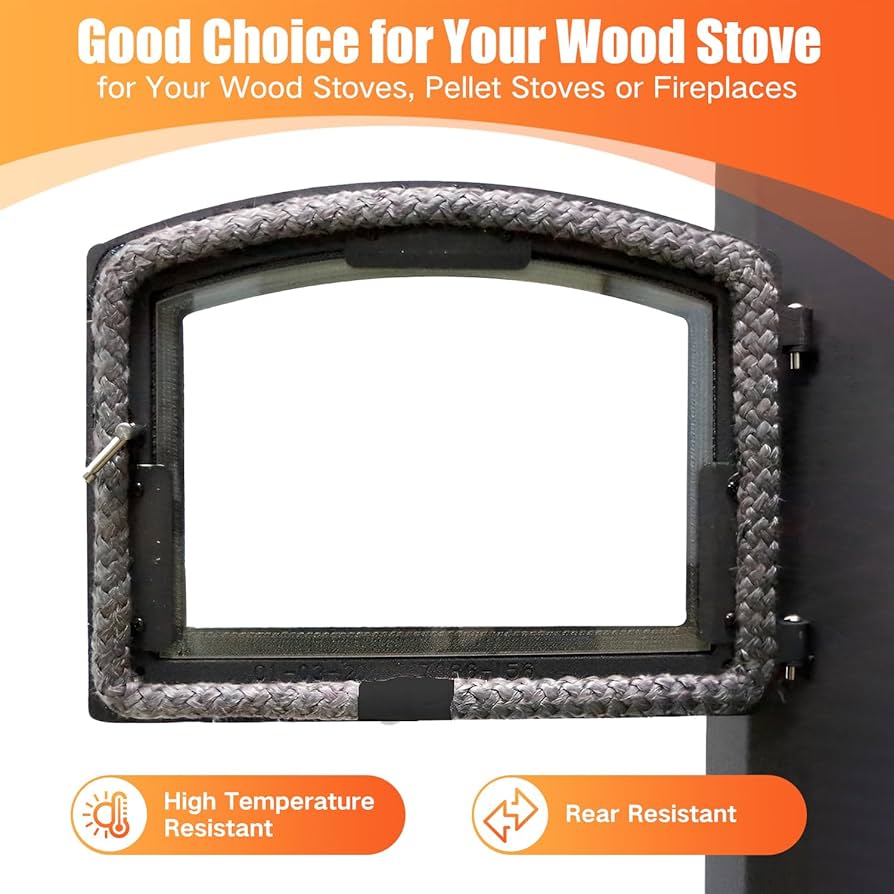
Drawing Analysis
The customization process for woodstove gaskets begins with precise drawing analysis, a critical phase that ensures dimensional accuracy and functional compatibility. At Suzhou Baoshida Trading Co., Ltd., our engineering team conducts a comprehensive review of customer-provided technical drawings, focusing on cross-sectional geometry, linear length tolerances, compression set requirements, and installation constraints. We verify adherence to international sealing standards such as ISO 3601 and ASTM D2000, ensuring the design supports long-term thermal cycling resistance. Any discrepancies or optimization opportunities—such as sharp corner radii or insufficient groove allowances—are flagged and discussed with the client prior to material selection. This stage establishes the foundation for a gasket that maintains integrity under extreme temperature fluctuations typical in wood-burning stove applications.
Formulation Development
Following drawing validation, our Rubber Formula Engineers develop a proprietary elastomer compound tailored to the operational environment. Woodstove gaskets demand resistance to continuous exposure above 300°C, intermittent peaks up to 600°C, and oxidative degradation. Our standard base polymers include silicone (VMQ) and fluoroelastomers (FKM), selected for their thermal stability and mechanical retention at elevated temperatures. Additives such as ceramic fillers, heat stabilizers, and reinforced fiber matrices are incorporated to enhance char resistance and compressive recovery. Each formulation is bench-tested for hardness (Shore A), tensile strength, elongation at break, and linear thermal expansion. The final compound is documented under a unique material specification code, ensuring batch-to-batch consistency and traceability throughout production.
Prototyping and Validation
Once the formulation is approved, we produce functional prototypes using precision extrusion and vulcanization techniques. Prototypes are cut to exact length, mitered at specified angles, and spliced using heat-activated bonding methods to ensure seamless joints. These samples undergo rigorous performance evaluation, including compression deflection testing, elevated temperature sealing trials in simulated stove chambers, and cycle durability tests exceeding 500 heat-cool sequences. Feedback from client-side fitment and function checks is integrated into final design or material refinements. Only after passing internal and customer validation does the gasket proceed to mass production.
Mass Production and Quality Assurance
High-volume manufacturing is executed under ISO 9001-certified processes, utilizing automated extrusion lines, CNC cutting systems, and inline dimensional inspection. Each batch undergoes real-time quality monitoring, with periodic sampling for full ASTM D2000 compliance testing. Final products are packaged to prevent deformation during transit and shipped with material certification and lot traceability documentation.
| Parameter | Standard Value | Test Method |
|---|---|---|
| Max Continuous Temp | 300°C (VMQ), 325°C (FKM) | ASTM D573 |
| Peak Short-Term Temp | 600°C | ISO 35 |
| Hardness (Shore A) | 60 ± 5 | ASTM D2240 |
| Tensile Strength | ≥ 7.0 MPa | ASTM D412 |
| Elongation at Break | ≥ 200% | ASTM D412 |
| Compression Set (22h, 250°C) | ≤ 25% | ASTM D395 |
| Linear Length Tolerance | ±1.5 mm/m | ISO 3302 |
Contact Engineering Team
Contact Suzhou Baoshida for Precision Woodstove Gasket Solutions
Woodstove gasket integrity is non-negotiable for operational safety, thermal efficiency, and emissions compliance. Substandard seals lead to premature failure, heat leakage, and compromised combustion—directly impacting end-user safety and appliance certification. At Suzhou Baoshida Trading Co., Ltd., we engineer high-temperature elastomer compounds specifically for woodstove applications, leveraging 15+ years of OEM partnership experience with leading stove manufacturers across North America and Europe. Our formulations undergo rigorous validation against ASTM D2000 and ISO 3302 standards, ensuring dimensional stability under cyclic thermal stress from 200°C to 550°C. Unlike generic rubber suppliers, we prioritize material science over mass production, tailoring compression set resistance, tensile recovery, and smoke density to meet exacting stove design parameters.
The table below summarizes critical performance metrics for our standard woodstove gasket compound, BD-WSG750, engineered for continuous exposure up to 550°C:
| Specification | Test Method | Value | Significance for Woodstoves |
|---|---|---|---|
| Continuous Service Temp | ASTM D573 | 550°C | Prevents pyrolysis during sustained burns |
| Compression Set (22h/250°C) | ASTM D395 | ≤ 18% | Maintains sealing force after thermal cycling |
| Tensile Strength | ASTM D412 | ≥ 10.5 MPa | Resists tearing during installation/use |
| Elongation at Break | ASTM D412 | ≥ 250% | Accommodates flange misalignment |
| Density | ASTM D297 | 1.45 ± 0.05 g/cm³ | Optimizes compression load vs. resilience |
| Custom Cross-Sections | Tolerance | ±0.15 mm | Ensures precise fit for OEM assembly lines |
These specifications reflect our baseline formulation. We routinely modify polymer matrices—incorporating ceramic fillers for enhanced thermal inertia or adjusting vulcanization systems for faster cure cycles—to align with your stove’s combustion dynamics and production throughput requirements. Our Suzhou-based technical team collaborates directly with your R&D engineers to validate gasket performance within your specific flange geometry and operational profile, eliminating field failure risks before tooling begins.
Initiate technical validation by contacting Mr. Boyce, our dedicated OEM Account Manager and Rubber Formulation Specialist. Mr. Boyce holds a Master’s in Polymer Science from Tongji University and has overseen 42+ successful woodstove gasket implementations since 2018. He will coordinate material samples, 3D-printed prototyping for fitment trials, and full ASTM-compliant test reports within 72 hours of engagement. Specify your stove model, flange dimensions, and thermal duty cycle when reaching out to enable immediate solution mapping.
Direct all technical inquiries and OEM collaboration requests to [email protected]. Include “Woodstove Gasket OEM Inquiry” in the subject line for priority routing. Mr. Boyce responds to 98% of technical emails within 4 business hours and will schedule a confidential engineering review to address material compatibility, volume pricing, and JIT delivery integration. Do not rely on off-the-shelf gaskets for critical stove applications—partner with an engineer-led supplier who treats your seal as a functional component, not a commodity. Suzhou Baoshida delivers the precision elastomer science your woodstove design demands.
⚖️ O-Ring Weight Calculator
Estimate rubber O-ring weight (Approx).