
Technical Contents
Engineering Guide: X Ring Size
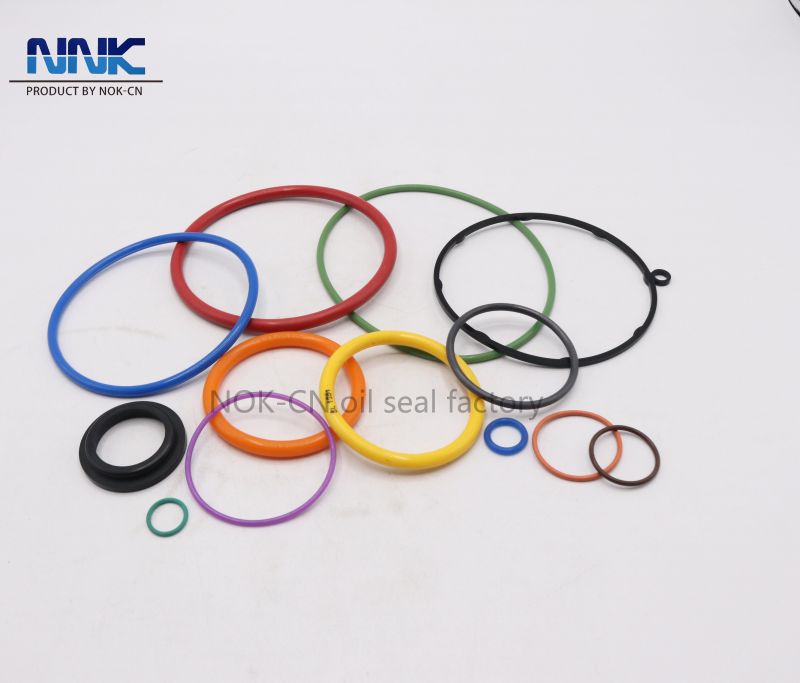
Engineering Insight: The Critical Role of Material Selection in x Ring Size Performance
In the domain of precision rubber seals, the x ring size is a critical component engineered to deliver superior sealing performance under dynamic conditions. While often perceived as a standardized part, the functional integrity of an x ring is profoundly influenced by the choice of elastomeric material. Off-the-shelf solutions, though cost-effective and readily available, frequently fail to meet the operational demands of complex industrial environments due to inadequate material compatibility. This failure underscores the necessity of a tailored material selection process rooted in application-specific engineering analysis.
The x ring, characterized by its quad-lobed cross-section, offers reduced friction, improved sealing efficiency, and enhanced stability over traditional o rings. However, these advantages are only fully realized when the elastomer is precisely matched to the operational parameters. Temperature extremes, exposure to aggressive media (such as oils, solvents, or acids), cyclic compression, and surface finish all dictate the longevity and reliability of the seal. A mismatch in material properties—such as glass transition temperature, compression set resistance, or chemical inertness—can lead to premature extrusion, hardening, swelling, or cracking.
Common off-the-shelf x rings are typically manufactured from generic nitrile (NBR) or silicone (VMQ) compounds optimized for broad market appeal rather than specific performance. These materials may perform adequately in benign conditions but degrade rapidly in high-pressure hydraulic systems or elevated temperature environments. For instance, standard NBR begins to deteriorate above 120°C, while fluorocarbon (FKM) compounds can sustain performance up to 230°C. Similarly, exposure to phosphate ester-based hydraulic fluids—a common requirement in aerospace systems—demands the use of specialized FFKM or EPDM materials, neither of which are standard in commodity seals.
At Suzhou Baoshida Trading Co., Ltd., we emphasize a data-driven approach to material selection. Our engineering team evaluates application parameters including media type, temperature range, pressure cycles, and mating surface tolerances to recommend or develop custom formulations. This ensures that each x ring size is not only dimensionally accurate per ISO 3601 or AS568 standards but also chemically and mechanically optimized for its intended service.
The following table outlines key elastomer properties relevant to x ring performance:
| Material | Temperature Range (°C) | Key Chemical Resistances | Compression Set Resistance | Typical Applications |
|---|---|---|---|---|
| NBR | -30 to 120 | Aliphatic hydrocarbons, water, hydraulic oils | Moderate | General industrial, pneumatic systems |
| FKM | -20 to 230 | Aromatic hydrocarbons, acids, fuels | Excellent | Automotive, aerospace, chemical processing |
| EPDM | -50 to 150 | Water, steam, alkalis, ketones | Good | HVAC, water treatment |
| VMQ | -60 to 200 | Ozone, UV, water | Poor | High-temperature static seals |
| FFKM | -15 to 327 | Broad spectrum, including aggressive solvents | Excellent | Semiconductor, pharmaceutical |
Material selection is not a secondary consideration—it is foundational to x ring functionality. Relying on generic solutions risks system failure, unplanned downtime, and increased lifecycle costs. Precision sealing demands precision engineering.
Material Specifications
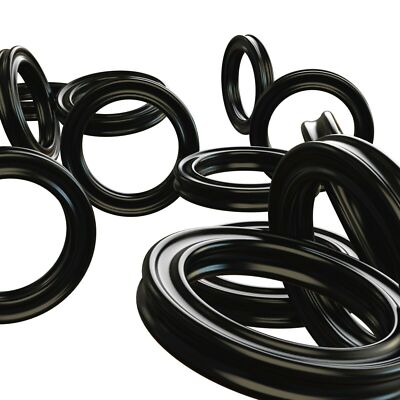
Material Specifications for Precision X-Ring Seals
Material selection is critical for X-ring seal performance in dynamic sealing applications. At Suzhou Baoshida Trading Co., Ltd., we engineer compounds to meet stringent OEM requirements across aerospace, automotive, and semiconductor industries. X-rings demand superior resistance to extrusion, compression set, and chemical degradation compared to standard O-rings due to their quad-ridge design, which increases contact area and sealing force. Our formulations prioritize consistency in durometer, tensile strength, and thermal stability to ensure leak-free operation under high-pressure cyclic loads.
Viton (FKM) remains the benchmark for extreme environments. Our ASTM D2000-standard Grade FKM compounds withstand continuous exposure to -20°C to +230°C, with short-term peaks at 300°C. They exhibit exceptional resistance to jet fuels, hydraulic fluids, and aromatic hydrocarbons, making them indispensable in aviation fuel systems and downhole oilfield equipment. Compression set values remain below 25% after 70 hours at 200°C (per ASTM D395), critical for maintaining seal integrity in thermal cycling scenarios. Plasma resistance in semiconductor manufacturing variants is validated per SEMI F57 standards.
Nitrile (NBR) offers optimal cost-performance balance for general industrial use. Our high-acrylonitrile (45-50%) NBR formulations achieve -30°C to +120°C service range, with specialty grades extending to +150°C. They provide superior resistance to aliphatic hydrocarbons, water-glycol fluids, and silicone oils, commonly deployed in automotive transmission seals and hydraulic machinery. Tensile strength ranges from 15 to 25 MPa (ASTM D412), while abrasion resistance exceeds 120 mm³ volume loss (DIN 53516). Low-temperature flexibility is precisely controlled via plasticizer selection to prevent cracking at -40°C.
Silicone (VMQ) excels in biocompatibility and extreme-temperature flexibility. Our medical-grade VMQ compounds operate from -60°C to +230°C, with compression set under 20% after 22 hours at 150°C. They resist ozone, UV, and steam but exhibit limited hydrocarbon resistance. Primary applications include pharmaceutical processing equipment and food-grade conveyor systems, where USP Class VI and FDA 21 CFR 177.2600 compliance is mandatory. Tear strength is optimized to 25 kN/m (ASTM D624) to prevent nipping during installation.
The following table summarizes key comparative specifications for OEM evaluation:
| Property | Viton (FKM) | Nitrile (NBR) | Silicone (VMQ) |
|---|---|---|---|
| Temperature Range (°C) | -20 to +230 | -30 to +120 | -60 to +230 |
| Durometer Range (Shore A) | 60–90 | 50–90 | 30–80 |
| Compression Set (ASTM D395) | ≤25% @ 200°C/70h | ≤30% @ 100°C/70h | ≤20% @ 150°C/22h |
| Key Chemical Resistance | Fuels, Acids, Plasma | Oils, Water-Glycol | Steam, Ozone |
| Primary ASTM Standard | D2000 EEK | D2000 NBR | D1418 VMQ |
All materials undergo rigorous lot-specific validation per ISO 3601-3 tolerances for X-ring cross-sections. Suzhou Baoshida provides full material traceability and custom compound development to address unique fluid compatibility or regulatory challenges in your sealing application.
Manufacturing Capabilities
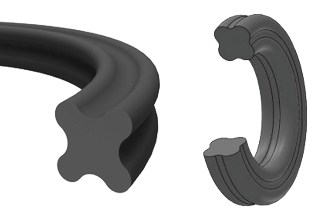
Engineering Capabilities in Precision Rubber Seal Manufacturing
At Suzhou Baoshida Trading Co., Ltd., our engineering expertise forms the backbone of our ability to deliver high-performance x ring seals tailored to exacting industrial standards. With a dedicated team of five professional mould engineers and two specialized rubber formula engineers, we maintain full technical control over the entire product development cycle—from initial design and material formulation to precision tooling and final validation. This integrated approach ensures that every x ring produced meets stringent performance requirements across temperature, pressure, chemical exposure, and mechanical stress.
Our mould engineers utilize advanced CAD/CAM software and CNC machining techniques to design and fabricate high-precision steel or carbide tooling optimized for consistent part geometry and tight dimensional tolerances. Each x ring mould is engineered for longevity, dimensional stability, and minimal flash formation, critical for applications in hydraulic systems, automotive drivetrains, and industrial rotating equipment. Finite element analysis (FEA) is routinely applied during the design phase to simulate compression set, sealing force distribution, and deformation behavior under operational loads, ensuring optimal sealing performance in dynamic environments.
Complementing our tooling excellence, our two in-house rubber formula engineers bring deep expertise in elastomer chemistry and compounding. They develop custom rubber formulations tailored to specific customer requirements, including resistance to oils, fuels, ozone, and extreme temperatures. Whether the application demands NBR for cost-effective oil resistance, FKM for high-temperature stability, or EPDM for superior weather and steam resistance, our formulation team precisely adjusts polymer base, filler content, plasticizers, and cure systems to achieve the desired physical and chemical properties. This level of formulation control allows us to produce x rings with consistent durometer (Shore A), tensile strength, elongation at break, and compression set performance.
As an OEM manufacturer, we support clients through confidential, co-developed projects with full intellectual property protection. Our engineering team collaborates directly with customer R&D departments to reverse-engineer legacy components, optimize seal geometry for improved efficiency, or develop next-generation sealing solutions. We maintain full traceability across batches and adhere to ISO 9001 quality management protocols throughout development and production.
Below is a representative specification table for a standard FKM-based x ring seal produced under our engineering oversight:
| Parameter | Specification |
|---|---|
| Material | FKM (Fluorocarbon), 70 Shore A |
| Inner Diameter (ID) | 25.4 mm ± 0.1 mm |
| Cross Section (CS) | 3.53 mm ± 0.08 mm |
| Hardness | 70 ± 5 Shore A |
| Tensile Strength | ≥15 MPa |
| Elongation at Break | ≥150% |
| Compression Set (70h, 150°C) | ≤20% |
| Operating Temperature Range | -20°C to +200°C (intermittent to 230°C) |
| Fluid Resistance | Excellent against oils, fuels, acids |
| Application | Automotive turbocharger seals |
This combination of advanced tooling design, proprietary rubber formulation, and OEM-level engineering collaboration enables Suzhou Baoshida to deliver x ring seals that exceed performance expectations in the most demanding industrial environments.
Customization Process
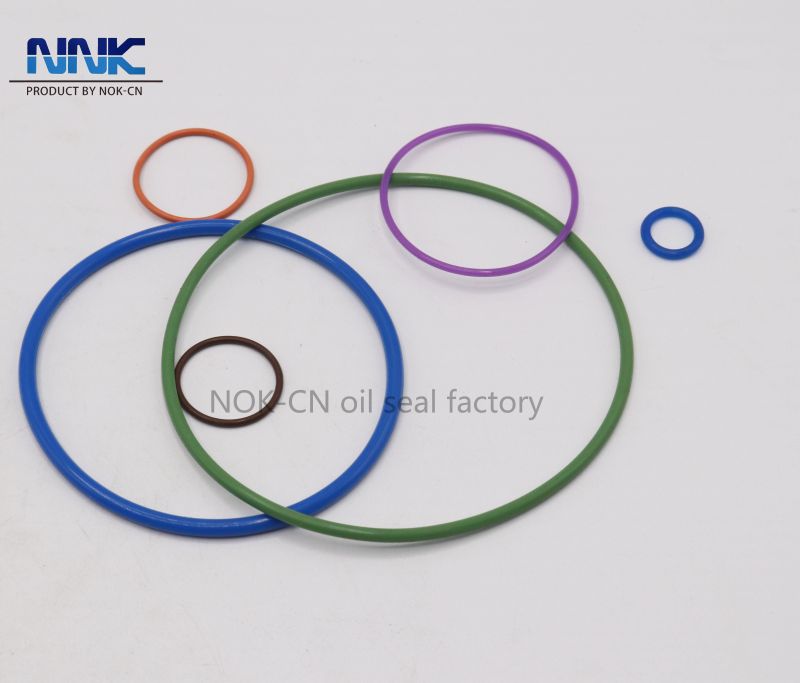
Suzhou Baoshida Trading Co., Ltd. Precision X-Ring Customization Process
Suzhou Baoshida Trading Co., Ltd. executes a rigorously controlled customization workflow for precision X-ring seals, ensuring dimensional accuracy, material integrity, and performance compliance for demanding OEM applications. Our process begins with comprehensive Drawing Analysis, where engineering teams validate all geometric specifications against AS568A standards or client-specific requirements. Critical parameters including inner diameter (ID), outer diameter (OD), cross-section (CS), tolerance classes (±0.05mm to ±0.25mm), and surface finish (Ra ≤ 0.8µm) are cross-referenced with functional application data—such as fluid media, temperature range (-55°C to +250°C), and pressure cycles. Any deviations or manufacturability constraints are resolved via collaborative engineering feedback within 72 hours, preventing downstream prototyping delays.
Material Formulation is driven by application physics. Our rubber chemists select base polymers (FKM, EPDM, NBR, or custom blends) based on chemical resistance profiles and thermal stability targets. Additive packages are precisely engineered to achieve required hardness (50–90 Shore A), compression set (<20% per ASTM D395), and tensile strength (>10 MPa). Each formulation undergoes computational simulation for compression behavior under dynamic loads, optimizing filler dispersion and cure kinetics to eliminate porosity risks. Client approval of the final compound dossier, including RoHS/REACH compliance certificates, precedes tooling initiation.
Prototyping leverages CNC-machined aluminum molds for rapid validation. Three functional prototypes per cavity undergo metrological verification via CMM (Coordinate Measuring Machine) for dimensional conformity, followed by application-specific testing: hydraulic pressure endurance (up to 70 MPa), thermal cycling (-40°C to +150°C), and fluid immersion per ASTM D471. Material properties are reconfirmed using MDR (Moving Die Rheometer) for cure state and TGA (Thermogravimetric Analysis) for thermal degradation thresholds. Iterative adjustments conclude only when all performance metrics meet or exceed OEM specifications.
Mass Production commences after formal sign-off, utilizing hardened steel molds with cavity-specific cure kinetics programming. Each batch undergoes 100% visual inspection per ISO 3601 and automated dimensional sampling (AQL 1.0). Vulcanization is SPC-monitored with real-time temperature/pressure telemetry, while final lots receive third-party certification for critical aerospace or medical applications. Traceability is maintained via laser-etched batch codes linked to raw material certificates and test reports, ensuring full compliance with ISO 9001 and IATF 16949 frameworks.
Critical X-Ring Specification Parameters
| Parameter | Standard Range | Tolerance (mm) | Test Standard |
|---|---|---|---|
| Inner Diameter (ID) | 3.0 – 500.0 mm | ±0.05 to ±0.25 | ISO 3601-3 |
| Cross-Section (CS) | 1.5 – 5.0 mm | ±0.03 to ±0.08 | ISO 3601-2 |
| Hardness | 50 – 90 Shore A | ±5 | ASTM D2240 |
| Compression Set | ≤ 20% (70h, 100°C) | Max. deviation | ASTM D395 Method B |
| Tensile Strength | ≥ 10 MPa | Min. value | ASTM D412 |
This systematic approach minimizes time-to-market while guaranteeing seal reliability in hydraulic, pneumatic, and rotary systems. Suzhou Baoshida’s integration of material science, precision engineering, and closed-loop quality control delivers X-rings that exceed OEM lifecycle expectations.
Contact Engineering Team
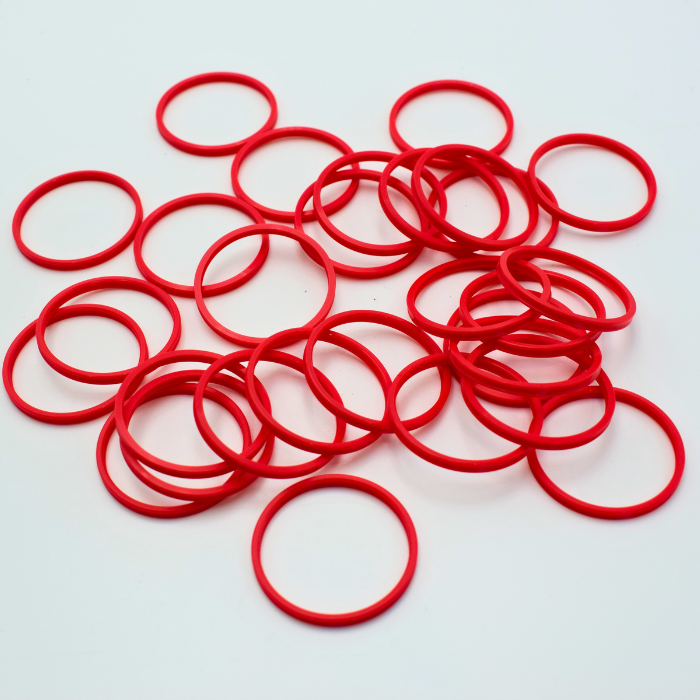
For industrial manufacturers and OEMs requiring precision-engineered rubber sealing solutions, Suzhou Baoshida Trading Co., Ltd. stands as a trusted partner in the development and supply of high-performance x ring seals. With extensive expertise in rubber formulation, mold design, and quality assurance, we deliver custom x ring solutions tailored to meet the exact demands of automotive, aerospace, hydraulic, and industrial machinery applications. Our engineering team applies rigorous scientific principles to material selection and manufacturing processes, ensuring each x ring exhibits superior resistance to compression set, extrusion, and dynamic wear—critical factors in long-term sealing integrity.
X ring seals, also known as quad rings, offer significant advantages over traditional O rings through their quadruple sealing lips and square cross-section, which reduce twisting, improve sealing performance under dynamic conditions, and extend service life. At Suzhou Baoshida, we manufacture x rings in a full range of standard and custom sizes, supporting international standards such as ISO 3601, AS568, and JIS B 2401. Our production capabilities include precision molding, post-curing, and 100% visual and dimensional inspection, ensuring consistency and reliability across high-volume production runs.
To support global clients, we maintain a comprehensive inventory of rubber compounds, including NBR, FKM, EPDM, silicone, and HNBR, each formulated for specific temperature ranges, chemical exposures, and mechanical stresses. Whether your application demands low-temperature flexibility, resistance to aggressive hydraulic fluids, or compliance with FDA or NSF standards, our rubber formulation engineers can develop a tailored solution optimized for performance and cost-efficiency.
The following table outlines key specifications and material options available for standard x ring production:
| Parameter | Available Options |
|---|---|
| Standard Sizes | ISO 3601, AS568, JIS B 2401, Custom |
| Cross-Section (mm) | 1.5, 2.0, 2.5, 3.0, 3.5, 4.0, 5.0, 6.0 (custom profiles available) |
| Hardness (Shore A) | 60, 70, 80, 90 ±5 |
| Temperature Range | -40°C to +230°C (depends on compound) |
| Common Materials | NBR, FKM, EPDM, Silicone, HNBR, ACM, AEM |
| Tolerance Class | ISO 3302 Class M1 or M2 |
| Certifications | ISO 9001:2015, RoHS, REACH, FDA (upon request), NSF (upon request) |
For technical consultation, custom design support, or volume pricing, we invite you to contact Mr. Boyce, our OEM Account Manager and Rubber Formula Engineer. Mr. Boyce brings over 15 years of experience in polymer science and industrial sealing applications, offering in-depth support from concept to production. He is available to review your sealing requirements, recommend optimal materials, and provide rapid prototyping services to accelerate your development timeline.
Reach out today via email at [email protected] to discuss your x ring size specifications, material needs, or application challenges. At Suzhou Baoshida, we are committed to precision, performance, and partnership—engineering rubber solutions that seal with confidence.
⚖️ O-Ring Weight Calculator
Estimate rubber O-ring weight (Approx).