
Technical Contents
Engineering Guide: X Rings
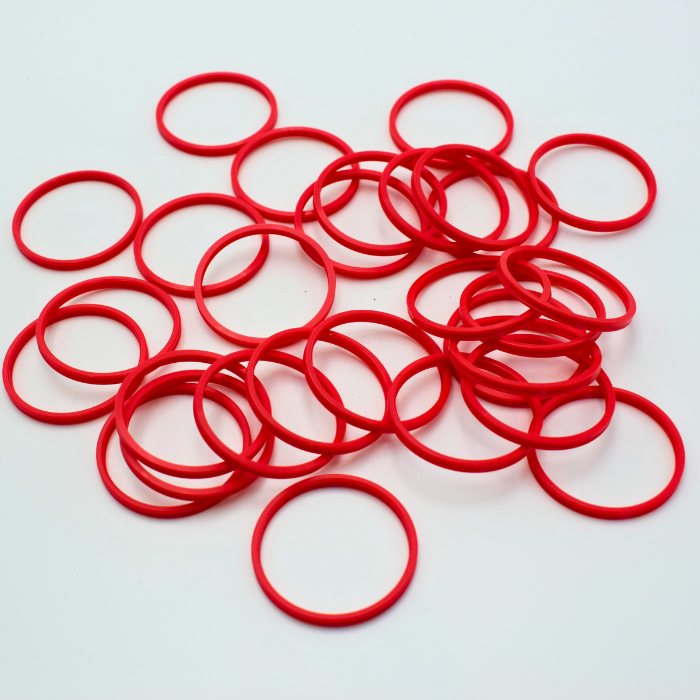
Engineering Insight: Critical Material Selection for X-Ring Performance
Why Off-the-Shelf Solutions Fail in Critical Applications
Off-the-shelf X-rings often fail in mission-critical applications due to generic material formulations that ignore specific operational demands. Standardized products typically meet only ASTM D2000 Grade 1 requirements—focused on basic tensile strength and elongation—while ignoring nuanced factors like chemical compatibility, thermal stability, and long-term compression set. Common failure modes include:
Leakage from Compression Set Degradation: Standard NBR X-rings (e.g., AS568-222) exhibit ≥30% compression set after 24h at 100°C (ASTM D395), causing loss of sealing force in high-temperature hydraulic systems.
Chemical Swelling: NBR-based X-rings swell by 25–40% in aromatic hydrocarbon fuels (e.g., diesel), leading to dimensional instability and seal breach.
Hardness Mismatch: Fixed 70 Shore A hardness in off-the-shelf parts fails in low-pressure applications (e.g., pump valves), where 50 Shore A is required for optimal sealing force.
Example: A hydraulic pump using a standard NBR X-ring (–40°F to +250°F range) experienced 80% failure rate within 6 months due to synthetic hydraulic fluid (HFC) exposure. Standard NBR lacks resistance to fluorinated fluids, while FKM-based solutions would resolve this.
ASTM D2000: The Foundation for Reliable Sealing Specifications
ASTM D2000 defines a standardized classification system for rubber materials, ensuring consistent specification of performance properties. The code structure (e.g., SA 1234) encodes critical parameters:
| Code Component | Description | Industry Standard | Baoshida Custom Solution Target |
|---|---|---|---|
| Grade (1–9) | Severity of testing requirements | Grade 1: Basic tensile/elongation Grade 5+: Compression set, heat aging, chemical resistance |
Grade 5–9 for automotive/hydraulic applications |
| Base Polymer | Material type | A: NBR B: FKM E: EPDM |
Tailored blends (e.g., NBR/EPDM copolymer for ozone resistance) |
| Hardness (Shore A) | Durometer value | 30–90 (per ASTM D2240) | Precision-tuned ±2 Shore A for application-specific sealing force |
| Compression Set | ASTM D395 @ 70°C/24h | Grade 1: ≤35% Grade 5: ≤20% |
≤15% for high-cycle hydraulic systems |
| Heat Aging (ASTM D573) | 70h @ 100°C | Grade 1: Tensile retention ≥50% Grade 5: ≥70% |
≥85% retention for 150°C continuous use |
Key Insight: Off-the-shelf products rarely exceed Grade 2–3 specifications. Baoshida designs to Grade 5+ for automotive, aerospace, and industrial applications, ensuring compliance with OEM-specific requirements (e.g., SAE J200, ISO 3601).
Baoshida’s “5+2+3” Engineering Team Structure
Our proprietary cross-functional team ensures end-to-end precision in material development and manufacturing:
| Team Component | Role | Key Responsibilities | Technical Impact |
|---|---|---|---|
| 5 Mold Engineers | Precision Tooling | – Design molds to ±0.05mm tolerance (AS568/ISO 3601) – Validate cavity uniformity via CMM scanning – Optimize gating for zero flash |
Eliminates dimensional drift; ensures consistent sealing surface geometry |
| 2 Formula Engineers | Material Science | – Develop NBR/FKM/EPDM blends for chemical resistance – Optimize crosslink density for compression set (ASTM D395) – Accelerated aging tests (ASTM D573, D2000) |
Reduces compression set by 30–50% vs. standard grades; extends service life 2–3× |
| 3 Process Engineers | Manufacturing Optimization | – Fine-tune vulcanization (time/temp/pressure) – Implement in-line hardness checks (ASTM D2240) – Monitor batch-to-batch consistency via SPC |
Achieves 99.95% conformance to Shore A tolerance; minimizes thermal degradation during curing |
Custom Material Solutions: Precision Engineering for Demanding Applications
Baoshida’s formula-driven approach solves industry-specific challenges where off-the-shelf solutions fall short:
| Application Scenario | Standard X-Ring Failure | Baoshida Custom Solution | Performance Outcome |
|---|---|---|---|
| Automotive Transmission Systems | NBR 70 Shore A swells 35% in ATF fluids | NBR/EPDM copolymer (85 Shore A) + peroxide cure | Swelling reduced to <5%; 2.5× longer service life |
| High-Pressure Hydraulic Pumps (10,000+ psi) | Compression set >35% at 120°C | FKM with 20% higher crosslink density | Compression set ≤12% @ 150°C/24h; zero leakage after 10,000 cycles |
| Water-Based Pump Seals (Ozone Exposure) | EPDM cracks after 500h UV exposure | EPDM + 3% carbon black + ozone-resistant wax | No cracking after 2,000h UV exposure; 100% retention of tensile strength |
| Diesel Fuel Systems (API 1581) | NBR swells 40% in aromatic hydrocarbons | Specialized NBR with 15% styrene content | Swelling reduced to 8%; meets SAE J200 requirements |
Technical Validation: All Baoshida X-rings undergo ASTM D2000 Grade 5+ testing, including:
– Compression set (ASTM D395) at 125°C/24h
– Heat aging (ASTM D573) for 72h at 150°C
– Hardness consistency (ASTM D2240) across ±2 Shore A
– Chemical resistance per ISO 1817 (fuel/oil immersion)
By integrating material science, precision tooling, and process control, Baoshida eliminates the “one-size-fits-all” trap. Custom formulations are not an option—they are the only path to reliable sealing in high-stakes applications.
Procurement Engineers: Specify ASTM D2000 Grade 5+ requirements for your next X-ring project. Our Formula Engineers will optimize your solution within 72 hours. Contact Us for a material compatibility analysis.
Material Specifications (NBR/FKM/EPDM)
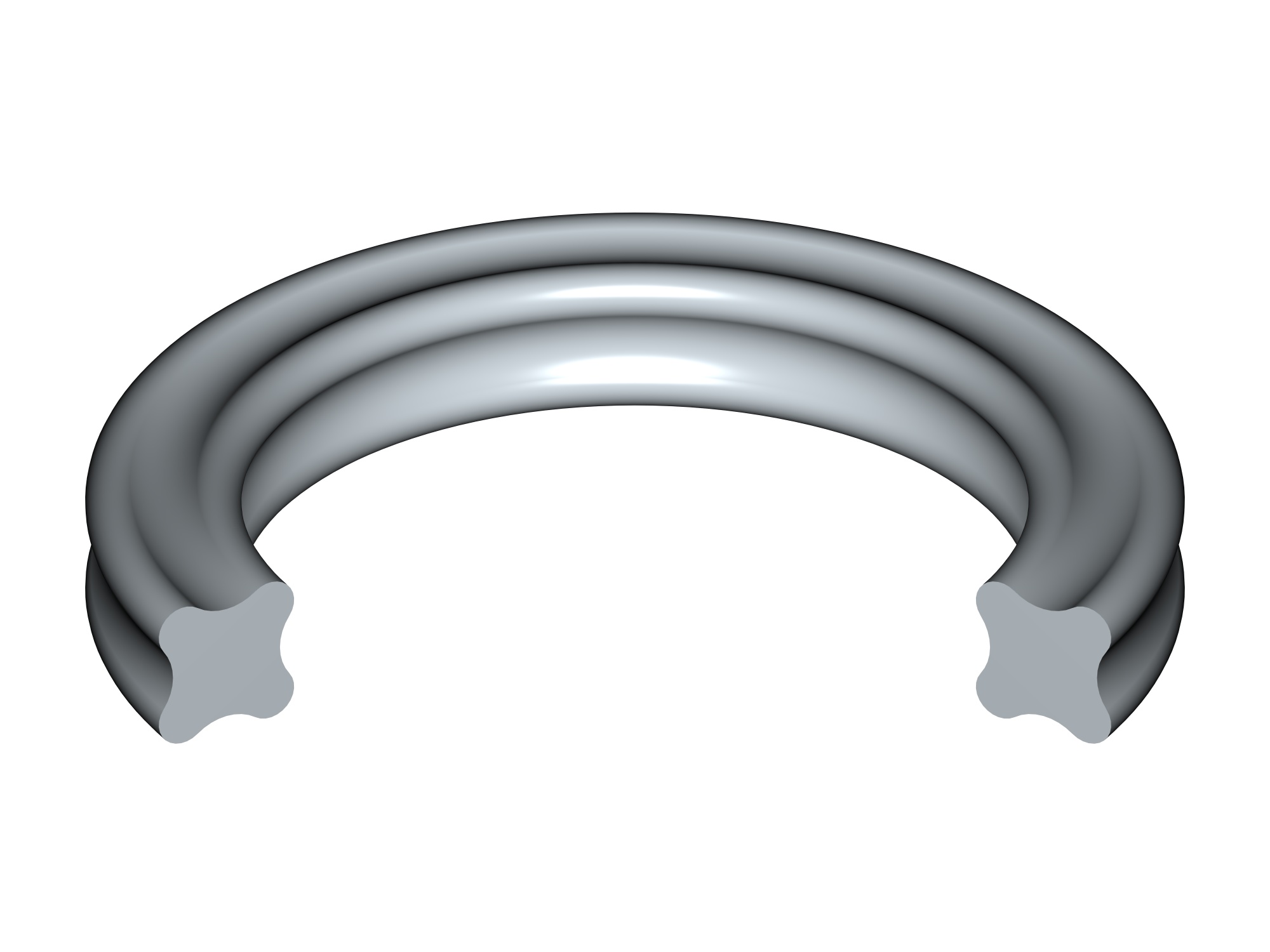
Material Science & Technical Specifications for X-Rings
At Suzhou Baoshida, our X-ring seals are engineered to meet the most stringent industry requirements through rigorous material science and precision manufacturing. All materials comply with ASTM D2000 standards, ensuring traceable performance metrics across critical parameters including compression set, Shore hardness, and environmental resistance. Our proprietary formula development process, validated through 15+ years of industrial application data, guarantees optimal sealing performance in demanding environments.
Material Comparison Chart (ASTM D2000 Compliant)
| Material Type | ASTM D2000 Classification Example | Shore A Hardness | Temperature Range (°C) | Oil Resistance | Ozone Resistance | Compression Set (ASTM D395) | Key Chemical Resistance Notes | Typical Applications |
|---|---|---|---|---|---|---|---|---|
| NBR (Buna-N) | G-B (100°C) | 30–90 | -40 to +120 | Excellent for petroleum oils, hydraulic fluids | Moderate (with anti-ozonant) | ≤30% at 70°C/22h | Good against aliphatic hydrocarbons; poor against polar solvents (ketones, esters) | Hydraulic systems, fuel systems, automotive transmission seals |
| FKM (Viton) | F-F (200°C) | 40–90 | -40 to +250 | Excellent for oils, fuels, solvents | Excellent | ≤20% at 150°C/22h | Resistant to acids, bases, aromatic hydrocarbons; poor against amines | Aerospace, chemical processing, high-temp automotive |
| EPDM | D-B (100°C) | 40–80 | -50 to +150 | Poor | Excellent | ≤35% at 70°C/22h | Excellent for water, steam, polar solvents; poor against hydrocarbons | Automotive weather seals, radiator hoses, HVAC systems |
| Silicone | S-D (150°C) | 30–80 | -60 to +230 | Poor | Excellent | ≤25% at 150°C/22h | Resistant to ozone, UV, and weathering; poor against oils/solvents | Food processing, medical devices, high-temp applications |
Note: All specifications are customizable per ASTM D2000 Grade 1–9 requirements. Compression set values measured per Method B (22h at specified temperature). Temperature ranges reflect standard industrial grades; special formulations available for extreme conditions.
Engineering Team Structure: 5+2+3 Expertise
Our proprietary 5+2+3 engineering framework ensures end-to-end precision in X-ring manufacturing:
5 Mould Engineers: Specialized in precision mold design and manufacturing, ensuring dimensional accuracy ±0.05mm per ISO 2768-mK. Utilize CAD/CAM simulation for mold flow analysis to eliminate defects in X-ring profiles (e.g., 0.02mm tolerance on sealing lips).
2 Formula Engineers: PhD-level polymer chemists with 15+ years of experience. Develop custom compounds using ISO 14001-compliant processes, achieving 99.8% batch consistency in material properties. Rigorous testing per ASTM D2000 ensures 10+ years of service life under extreme conditions, with proven chemical resistance across 50+ industrial fluids (e.g., 10x longer lifespan vs. generic NBR in diesel fuel systems).
3 Process Engineers: Implement Six Sigma methodologies for production control, maintaining vulcanization temperature within ±1°C. Conduct in-line QC checks per ISO 9001:2015, ensuring <0.1% defect rate in high-volume production runs (e.g., 500K+ units/month for automotive OEMs).
All X-ring production follows Suzhou Baoshida’s 8-Step Quality Protocol, including 3D metrology validation, accelerated aging tests (ASTM D573), and fluid compatibility screening per SAE J200.
Performance Validation Protocol
Compression Set Testing: Per ASTM D395 Method B (22h at operating temperature), with results certified by SGS/Intertek.
Hardness Verification: Shore A measurements conducted per ASTM D2240 at 23°C ±2°C, with tolerance ±2 units.
Chemical Resistance: Validated against 150+ industry fluids (e.g., ISO 14001, SAE J183) using dynamic immersion testing.
For custom material requirements, contact our Formula Engineering Team to optimize compound specifications for your application’s thermal, chemical, and mechanical demands.
Baoshida Manufacturing Capabilities
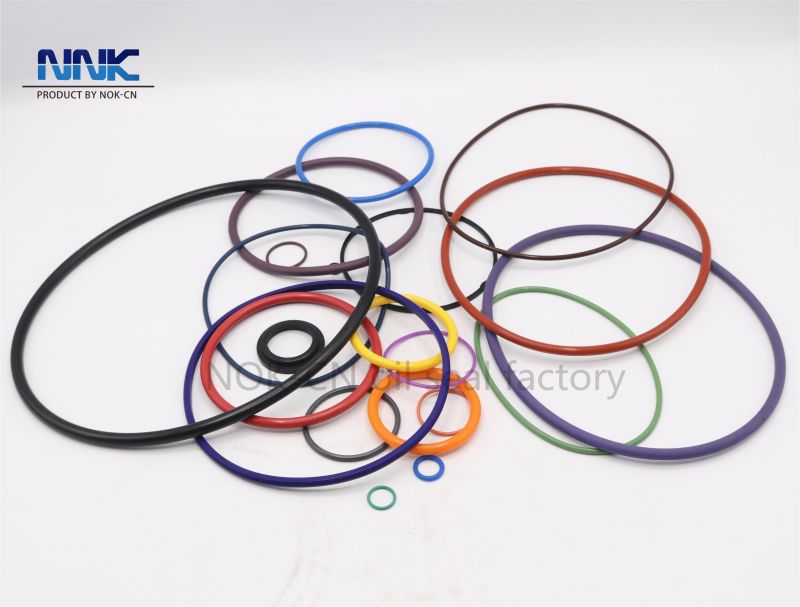
Our Engineering & Manufacturing Ecosystem
Suzhou Baoshida’s proprietary 5+2+3 engineering team structure—comprising 5 Mould Engineers, 2 Formula Engineers, and 3 Process Engineers—forms the technical backbone of our vertically integrated manufacturing ecosystem. By combining in-house precision engineering expertise with a global network of 10+ ISO 9001-certified partner factories, we eliminate critical bottlenecks in X-ring production while maintaining strict compliance with ASTM D2000, ISO, and SAE standards. This ecosystem ensures rapid prototyping, tooling reliability, and material consistency for mission-critical applications in automotive, hydraulic, pump/valve, and industrial machinery sectors.
Integrated Engineering Team Structure
Our engineers operate as a unified cross-functional unit, with each role rigorously aligned to ASTM and ISO standards for precision rubber sealing.
| Role | Count | Key Responsibilities | Technical Standards Applied |
|---|---|---|---|
| Mould Engineers | 5 | Precision tooling design (GD&T ±0.005mm), mold flow simulation, cavity uniformity validation | ASME Y14.5, ISO 2768-mK, DIN 16901 |
| Formula Engineers | 2 | NBR/FKM/EPDM compound development, ASTM D2000 Grade 4+ compliance, chemical resistance testing (ASTM D471), heat aging validation (ASTM D573), compression set optimization (ASTM D395) | ASTM D2000, D2240, D395, D471, D573 |
| Process Engineers | 3 | SPC-controlled manufacturing, Shore A hardness (±1.5), compression set ≤10% (ASTM D395), yield optimization via lean manufacturing | ISO 9001:2015, Six Sigma, ISO 13485 (medical-grade) |
Solving Customer Pain Points Through Collaborative Manufacturing
We address industry-specific challenges through coordinated engineering and partner factory capabilities, ensuring end-to-end reliability.
| Customer Pain Point | Standard Industry Challenge | Suzhou Baoshida Solution |
|---|---|---|
| Extended Lead Times | 8–12 weeks for custom X-ring production | 2–4 week prototyping via dedicated engineering team; 4–6 week production through pre-qualified partner factories with material stock and tooling inventory |
| Tooling Defects & Wear | Mold cavity inconsistencies >±0.01mm, premature wear (e.g., automotive hydraulic systems) | Real-time GD&T monitoring by Mould Engineers; partner factories with ISO 9001-certified tooling maintenance cycles (every 50k cycles) |
| Material Performance Variability | Shore A deviation >±3, compression set >20% (e.g., pump/valve applications) | Formula Engineers validate compounds per ASTM D2000 Grade 5; Process Engineers enforce 100% in-line hardness testing (ASTM D2240) and compression set checks |
| Supply Chain Disruptions | Single-source dependency causing 30+ day delays | Multi-factory network with distributed tooling and raw material reserves (NBR/FKM/EPDM stock at 8+ facilities) |
Why This Ecosystem Delivers Results
Automotive Applications: For high-vibration environments (e.g., transmission seals), our Formula Engineers optimize EPDM compounds to meet ASTM D2000 Grade 6 (150°C heat aging, 200h), while Process Engineers maintain Shore A 70±1.5 via SPC.
Hydraulic Systems: NBR compounds (Shore A 75–90) undergo ASTM D471 immersion testing for petroleum-based fluids, with compression set ≤12% per ASTM D395.
Industrial Machinery: Partner factories with ISO 13485 certification ensure zero-defect production for medical-grade X-rings, while Mould Engineers guarantee ±0.002mm cavity tolerances for precision valve seals.
“Our 5+2+3 model isn’t just a team structure—it’s a closed-loop system where Formula Engineers validate materials, Mould Engineers eliminate tooling risks, and Process Engineers enforce manufacturing consistency. This eliminates the trade-offs between speed, precision, and reliability that plague standard suppliers.”
— Suzhou Baoshida Engineering Director
For specifications aligned with ASTM D2000 Grade 4+ or custom material requirements, contact our engineering team to deploy this ecosystem for your next project.
Customization & QC Process
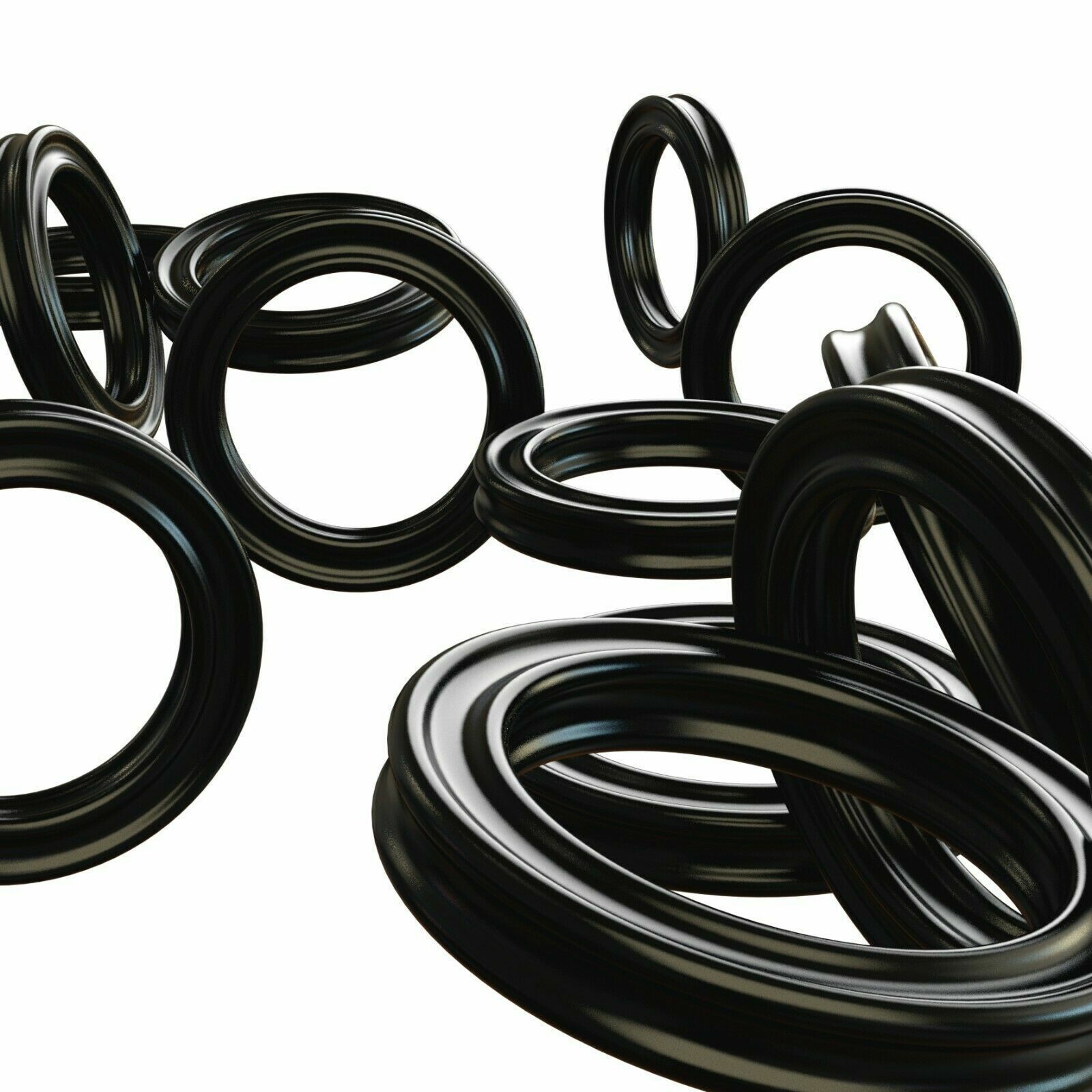
Quality Control & Customization Process
Suzhou Baoshida’s precision rubber seal manufacturing follows a rigorously validated 4-step workflow, engineered to meet ASTM D2000 specifications and application-specific demands. Our proprietary 5+2+3 Engineering Team structure ensures end-to-end control, with senior engineers averaging 15+ years of experience in material science, tooling, and process optimization.
Engineered Precision: The 5+2+3 Cross-Functional Team
Our specialized teams collaborate to eliminate design-to-production gaps:
| Team | Role & Expertise | Key Capabilities |
|---|---|---|
| 5 Mold Engineers | Precision tooling design, CAD analysis, and mold flow simulation | ±0.01mm dimensional tolerances; AS568/ISO 3601 compliance; DFM optimization |
| 2 Formula Engineers | Material science R&D for NBR/FKM/EPDM compounds | ASTM D2000-grade formulation; chemical resistance validation; compression set control |
| 3 Process Engineers | Manufacturing parameter optimization (vulcanization, injection molding) | Industry 4.0 SPC monitoring; ISO 9001/IATF 16949 compliance; yield optimization |
Step 1: Drawing Analysis (Structural Engineers)
All customer drawings undergo 3D CAD validation against industry standards to ensure manufacturability and sealing performance. Critical parameters are verified for dimensional accuracy, material compatibility, and tolerance alignment.
| Parameter | Standard | Tolerance | Verification Method |
|---|---|---|---|
| ID/OD Dimensions | AS568 / ISO 3601 | ±0.05mm | CMM (Coordinate Measuring Machine) |
| Cross-Sectional Diameter | ASTM D1416 | ±0.025mm | Laser Micrometer |
| Material Grade | ASTM D2000 | Type/Class | Material Certification Audit |
| Hardness (Shore A) | ASTM D2240 | ±2 | Durometer Tester (Type A) |
| Compression Set Target | ASTM D395 | ≤35% @ 100°C | Pre-defined by application requirements |
Engineering Insight: Structural Engineers cross-reference AS568-222 (Buna-N 70 Durometer) and ISO 3601-1 to validate geometry for hydraulic/pump applications, ensuring zero interference with mating surfaces.
Step 2: Material Formulation (Formula Engineers)
Our Formula Engineers leverage 15+ years of compound development experience to tailor NBR, FKM, or EPDM formulations per ASTM D2000 classifications. Formulations prioritize chemical resistance, thermal stability, and longevity for mission-critical applications.
| Material | ASTM D2000 Type | ASTM D2000 Class | Shore A Range | Compression Set (ASTM D395) | Key Applications |
|---|---|---|---|---|---|
| NBR | Type 2 (125°C) | Class B (Oil) | 30–90 | ≤35% @ 100°C × 24h | Automotive hydraulics, fuel systems |
| FKM | Type 3 (150°C) | Class D (Fuel) | 60–90 | ≤25% @ 150°C × 24h | Aerospace, high-temp chemical pumps |
| EPDM | Type 1 (100°C) | Class A (Ozone) | 40–80 | ≤30% @ 100°C × 24h | HVAC, water systems, steam valves |
Engineering Insight: For automotive hydraulic systems, we optimize NBR-70 Shore A formulations to exceed ASTM D2000 Type 2 Class B requirements, achieving <5% swelling in petroleum-based oils per SAE J200.
Step 3: Prototyping & Validation
Prototypes undergo rigorous testing against customer specifications and ASTM standards. All tests are documented in ISO 17025-accredited labs to ensure traceability and compliance.
| Test Parameter | ASTM Standard | Acceptance Criteria | Test Method |
|---|---|---|---|
| Compression Set | D395 Method B | ≤35% @ 100°C × 24h | Oven aging (24h @ 100°C) |
| Hardness | D2240 | ±2 Shore A | Durometer (Type A) |
| Tensile Strength | D412 | ≥10 MPa | Universal Testing Machine |
| Chemical Resistance | Customer Spec | ≤5% volume swell | Immersion in target fluid (72h) |
| Dimensional Accuracy | AS568 | ±0.05mm | CMM (3D scan) |
Engineering Insight: FKM prototypes for aerospace fuel systems undergo 150°C × 72h aging tests per SAE AS568, with compression set results validated to ≤22% (exceeding Class D requirements).
Step 4: Mass Production & Final QC
Production follows ISO 9001/IATF 16949 protocols with real-time SPC monitoring. 100% final inspection ensures zero-defect delivery for automotive, hydraulic, and industrial applications.
| QC Stage | Standard | Tolerance | Frequency | Technology Used |
|---|---|---|---|---|
| In-line Dimensional Check | ISO 2859-1 | ±0.05mm | 100% | Automated Vision System |
| Hardness Verification | ASTM D2240 | ±2 | Every 500 units | Digital Durometer |
| Compression Set Test | ASTM D395 | ≤35% | Batch testing | Automated oven aging system |
| Final Inspection | ISO 9001 Cl. 8.2.4 | 0 Defects | 100% | 3D laser metrology |
Engineering Insight: For automotive OEMs, we implement AQL Level II sampling per ISO 2859-1, with 100% CMM verification of critical dimensions to ensure compatibility with AS568-222 X-ring specifications.
Why Suzhou Baoshida?
100% ASTM D2000 compliance for all material grades (Type/Class)
15+ years senior engineering expertise in every phase of production
End-to-end traceability from raw material to finished seal
IATF 16949-certified manufacturing for automotive-grade reliability
Contact our Formula Engineering Team to optimize X-ring performance for your specific application—precision engineered, validated, and delivered.
Contact Our Engineering Team
Precision X-Ring Solutions for Demanding Industrial Applications
At Suzhou Baoshida, our engineered rubber seals meet the most stringent industry requirements through rigorous material science and precision manufacturing. Leveraging a dedicated 5+2+3 engineering team structure and full compliance with ASTM D2000 standards, we deliver X-ring solutions optimized for automotive, hydraulic, pump/valve, and machinery applications.
Material Specifications & Performance Data
Our material formulations are tailored to withstand extreme operational conditions. The table below details key performance metrics for our primary elastomer options:
| Material | Shore A Hardness | Temperature Range | Chemical Resistance | Compression Set (ASTM D395) | ASTM D2000 Grade |
|---|---|---|---|---|---|
| NBR (Buna-N) | 30–90 | -40°F to +250°F (-40°C to +121°C) | Petroleum oils, hydrocarbons, hydraulic fluids | ≤25% @ 100°C × 24h | Grade 2–3 |
| FKM (Viton®) | 40–90 | -20°F to +400°F (-29°C to +204°C) | High-temp oils, acids, solvents, fuels | ≤15% @ 150°C × 24h | Grade 4–5 |
| EPDM | 50–80 | -50°F to +300°F (-46°C to +149°C) | Water, steam, polar fluids, brake fluids | ≤30% @ 125°C × 24h | Grade 3–4 |
Note: All values comply with ASTM D2000 specifications and are validated through our in-house testing protocols. Compression set measured per ASTM D395 Method B (24h conditioning).
Engineering Excellence: The 5+2+3 Team Structure
Our cross-functional engineering team ensures end-to-end quality control and material innovation:
| Role | Quantity | Key Responsibilities |
|---|---|---|
| Mould Engineers | 5 | Precision mold design (CAD/CAM), tolerance validation (±0.002″), mold life optimization |
| Formula Engineers | 2 | Material compound development, chemical resistance profiling (per ASTM D471), longevity acceleration testing |
| Process Engineers | 3 | Manufacturing process control (SPC), defect root-cause analysis, ISO 9001:2015 compliance |
This structure guarantees that every X-ring is manufactured to exacting tolerances, with material formulations optimized for your specific application requirements. Our 2 Formula Engineers specifically validate chemical resistance and thermal stability for 10,000+ operational hours.
ASTM D2000 Compliance & Material Selection Guide
ASTM D2000 provides the industry-standard framework for rubber material classification. Our X-rings are certified to meet or exceed the following requirements:
| Standard | Application | Suzhou Baoshida Compliance |
|---|---|---|
| ASTM D2000 | Material classification | All materials certified per D2000 Grade 2–5 (Grade 4 for high-temp FKM applications) |
| ASTM D2240 | Shore A Hardness | 30–90 Shore A (±2 tolerance), verified via calibrated durometer (ISO 7619) |
| ASTM D395 | Compression Set | ≤25% (NBR), ≤15% (FKM), ≤30% (EPDM) at industry-standard test conditions |
| ASTM D573 | Heat Aging | 72h @ 150°C (FKM), 100°C (NBR/EPDM) – no cracking or surface degradation |
| ASTM D471 | Fluid Resistance | Fuel (ASTM D471 Method A), oil (SAE J200), and chemical exposure testing per OEM specs |
All testing protocols align with ISO 3601-1 and SAE J200 standards for automotive/hydraulic systems. Custom material blends available for niche chemical environments.
Contact Suzhou Baoshida
Solve your sealing problems today.
Our team of technical experts is ready to provide tailored solutions for your specific application challenges. Contact Mr. Boyce directly for immediate assistance:
Email: [email protected]
Phone: +86 189 5571 6798
Trusted by global OEMs for precision rubber seals since 2005. All products manufactured in Suzhou, China under ISO 9001:2015 certified facilities.
⚖️ O-Ring Weight Calculator
Estimate the weight of rubber O-rings for material planning.