
Rubber Products
Rubber Moulds
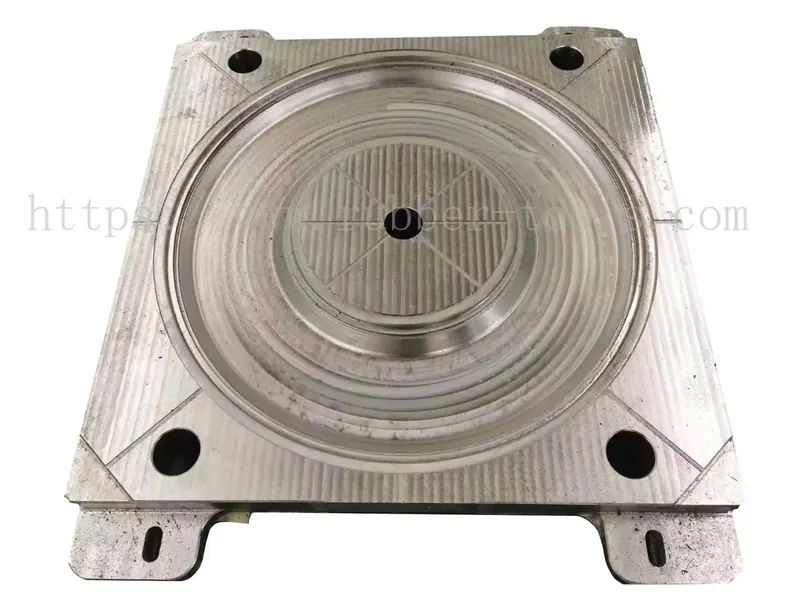
We have our own mould manufacturing workshop and experienced structural design engineers, so we can independently design and develop rubber moulds rather than pass the work on.
View product →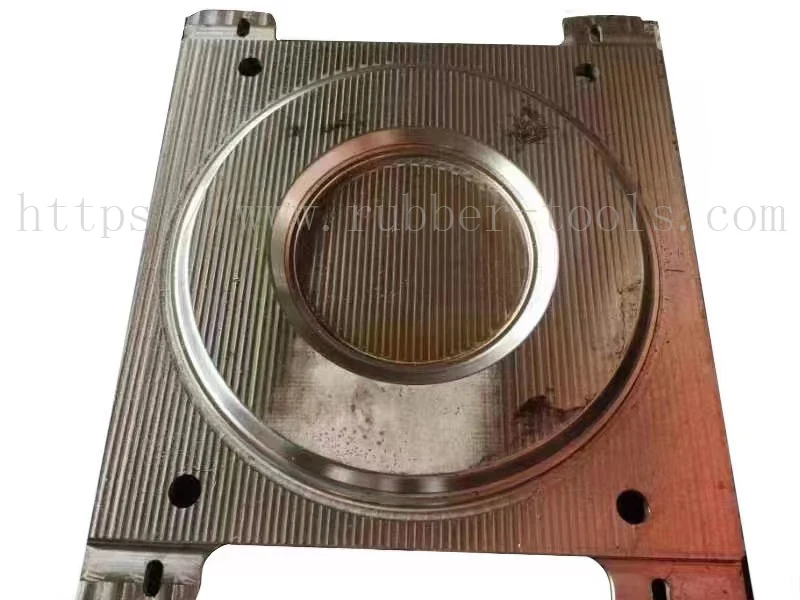
A custom rubber part fails in one of a few predictable places: the structure was never designed for moulding, the tool was cut by someone who will never run it, the compound was chosen from stock, or the first article was approved on a photograph. This is how we close each of those gaps.
Each stage lists the failure mode first, then how we close it. If a stage does not apply to your part we will say so rather than bill for it.
A part drawn for machining will not mould cleanly. Wall transitions, parting lines and draft get decided by accident.
Our own structural design team reviews or designs the product structure before any tool is quoted, and sends the drawing back for your approval.
The compound gets chosen from what the factory already runs, then swells, hardens or sets in service.
Two formula engineers select against the medium, temperature, pressure and movement you describe, and explain where a cheaper compound is genuinely safe.
A mould maker who never runs the tool has no reason to design out flash, short shots or a difficult parting line.
Five mould structural engineers design the tool and our own mould workshop builds it, so the people who cut it also live with it.
Approving a sample from photographs hides dimensional drift that only shows up at volume.
We mould the first article from the production tool and send physical samples for your sign off before series release.
A moulder changing process silently produces batches that differ from the approved sample.
Three rubber process engineers own the cure and the process, and repeat orders run from the same tool and the same formulation.
Rubber to metal parts split across a machine shop, a coating line and a moulder leave nobody owning the bond.
Our own machining workshop and coating workshop produce the metal part, then the rubber is moulded onto it here.
Dimensional checks done after packing find problems too late to fix.
Parts are checked against the approved first article before packing, and packing is agreed with you in advance.
A quality question after delivery bounces between trading desk and factory.
You deal with the same contact throughout, and we reply within one working day.
We have our own mould manufacturing workshop and experienced structural design engineers, so we can independently design and develop rubber moulds rather than pass the work on.
View product →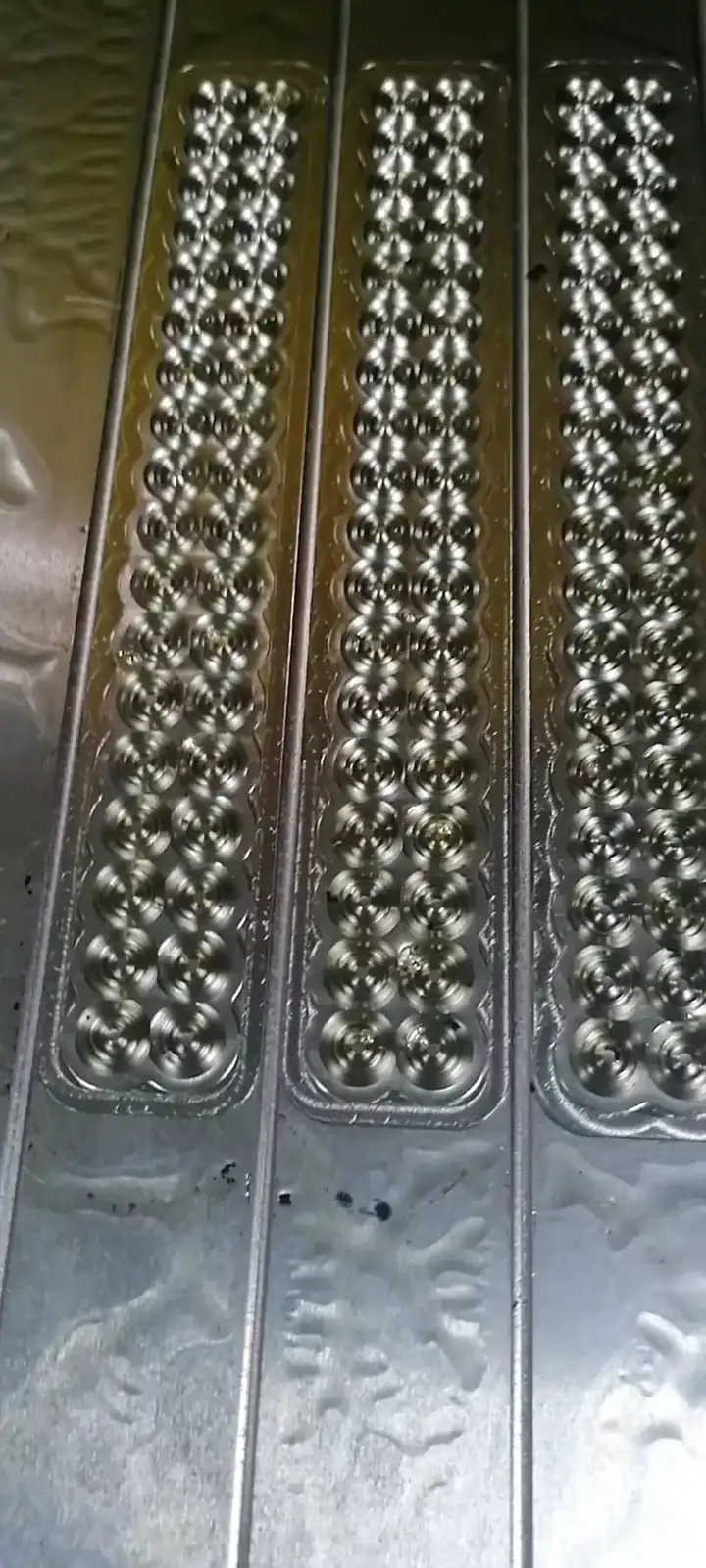
An O-ring mould decides whether every ring coming off it is the same.
View product →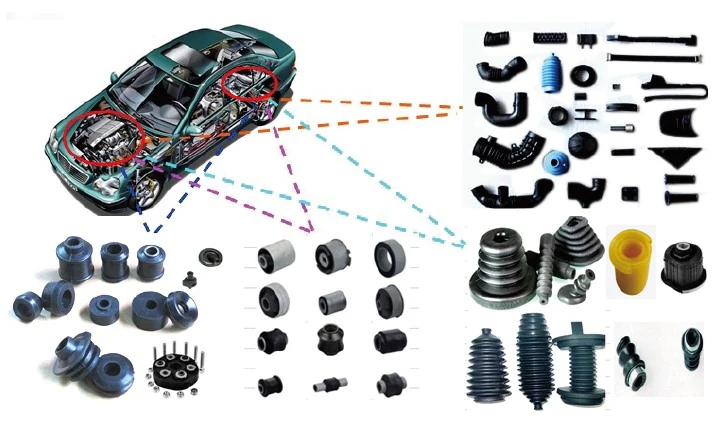
Bonded rubber to metal parts fail at the interface far more often than in the rubber, and split sourcing is why.
View product →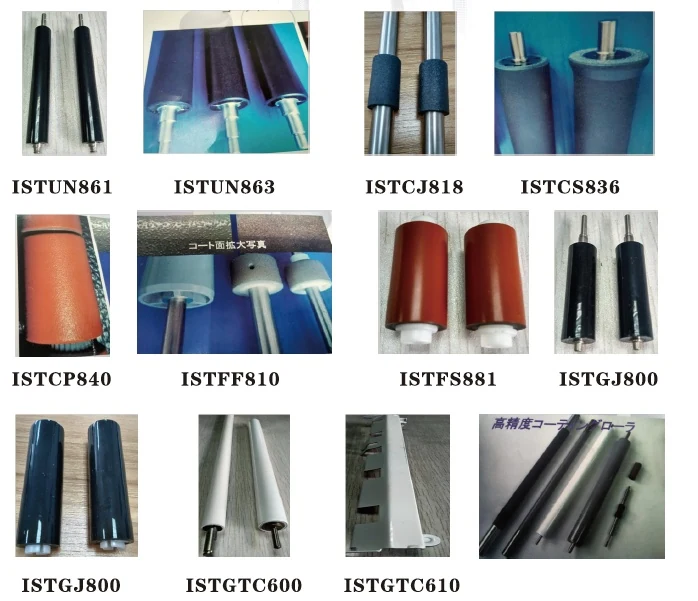
In printing and converting the roller covering is a process variable rather than a spare part.
View product →It depends on the part. We will give you a tooling lead time with the quotation rather than a general figure here, because a bushing tool and a multi cavity seal tool are not comparable.
Yes, if that is agreed in writing before we start. Tell us at quotation stage whether the tool stays here or ships to you.
Tell us the part and the volume and we will be explicit about what is included before any work starts.
It depends on the tool and the compound. We would rather tell you honestly at quotation than publish a number that turns out not to apply to your part.
A drawing or a sample photo with overall dimensions, the working conditions or the material, and an annual quantity.
Send what you have, even if it is only a sample photo and a quantity. We will tell you what else we need.