

Material Guide
How to Choose a Rubber Seal Material in Six Questions
Six questions decide almost every seal material choice. Answer them before you ask for a price, and the quotation you get back will be worth comparing.
Read the guide →
Material selection, size standards, moulding processes and sourcing checklists, written from the questions our own customers ask before placing a first order.
Six questions decide almost every seal material choice. Answer them before you ask for a price, and the quotation you get back will be worth comparing.
Read the guide →
AS568 is the reason some O-ring quotations come back with no tooling charge and a short lead time, and others do not.
Read the guide →
FFKM is not simply a better FKM. It is a different commercial decision, and specifying it by reflex wastes money as reliably as under specifying wastes uptime.
Read the guide →
These two compounds cover an enormous share of industrial sealing between them, and they fail in each other's territory. Getting the boundary right removes most avoidable seal problems.
Read the guide →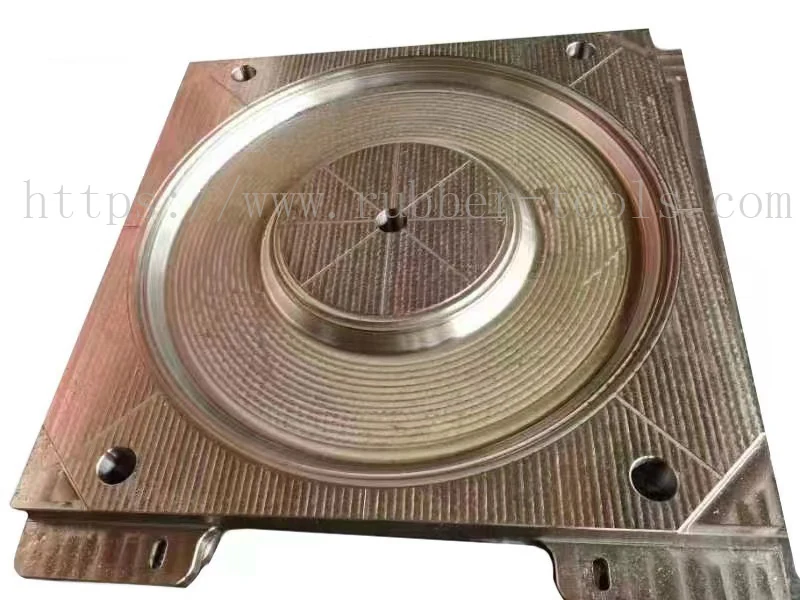
The moulding process decides tooling cost, cycle time and how much detail a part can carry. Choosing it is a commercial decision as much as a technical one.
Read the guide →
Bushings, mounts and anti vibration parts fail at the bond far more often than in the rubber. Split sourcing is the reason, and it is fixable at the purchase order stage.
Read the guide →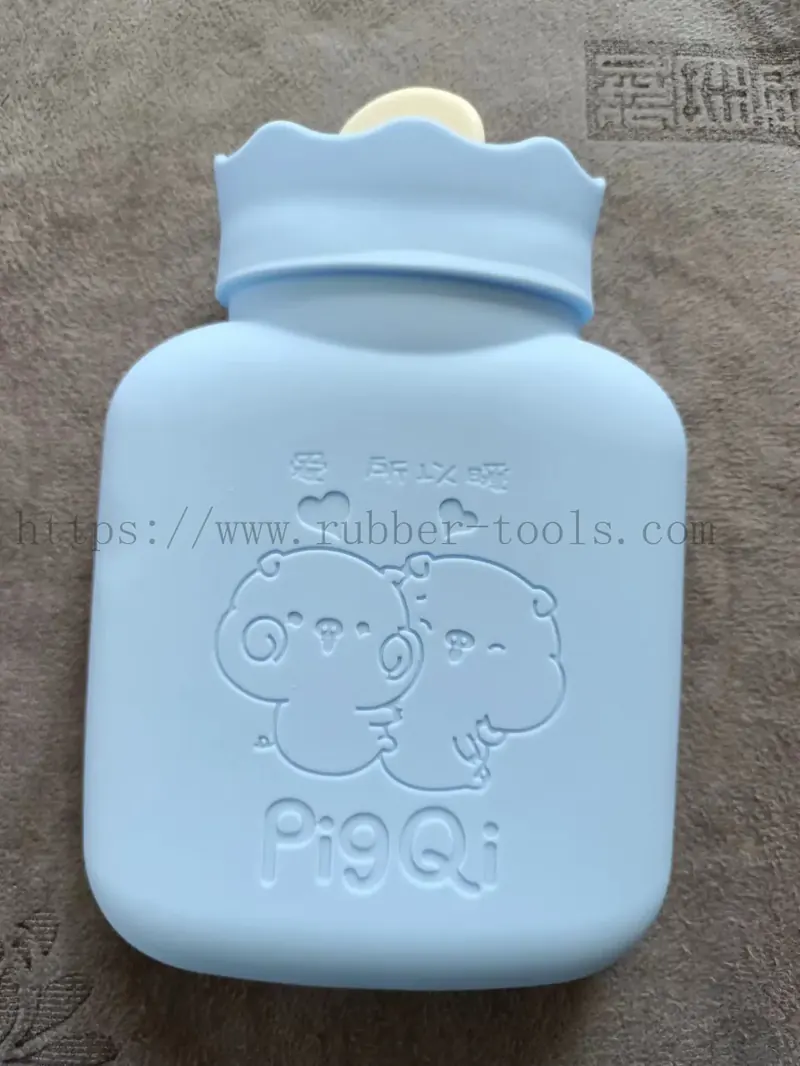
A silicone hot water bag is a consumer product with a safety dimension, which makes the sourcing checklist different from an industrial rubber part.
Read the guide →Our own engineering and sales team, from the questions buyers actually ask us. They are not rewritten supplier datasheets.
Yes. We hold twelve compounds and have no incentive to push one of them, which is the only thing that makes the advice worth reading.
Yes. Send it by WhatsApp or email and an engineer will answer within one working day.
Describe the medium, the temperature and the movement. An engineer will answer, not a sales script.