

Rubber Products
Rubber Moulds
We have our own mould manufacturing workshop and experienced structural design engineers, so we can independently design and develop rubber moulds rather than pass the work on.
View product →
Bonded rubber to metal parts fail at the interface far more often than in the rubber, and split sourcing is why. We supply automotive shock absorbers, bushings and shock absorber parts, and we have our own machining workshop and coating workshop, so we process the metal parts and then produce the rubber onto them. One team owns the bond.
Only values our own records support appear here. Anything we cannot evidence is left out rather than estimated.
| Product Types | Automotive shock absorbers, bushings and shocker bushes |
|---|---|
| Construction | Rubber moulded onto machined metal parts |
| In-House Capability | Machining workshop and coating workshop |
| Design Input | Customer drawing or physical sample |
| Country of Manufacture | China |
Machining, coating and moulding at three vendors leaves nobody owning the bond. That is the most common way these programmes fail.
A bonded metal insert gives defined mounting geometry and load path that a plain rubber block cannot.
Polyurethane is stiffer and transmits more road input. The right choice depends on whether you are optimising handling or ride.
We have our own mould manufacturing workshop and experienced structural design engineers, so we can independently design and develop rubber moulds rather than pass the work on.
View product →
SBR is the compound to reach for when abrasion resistance and cost matter more than chemical range.
View product →
In printing and converting the roller covering is a process variable rather than a spare part.
View product →
NBR is the working compound for anything that meets oil or fuel at moderate temperature.
View product →Bushings, mounts and anti vibration parts fail at the bond far more often than in the rubber. Split sourcing is the reason, and it is fixable at the purchase order stage.
Read the guide →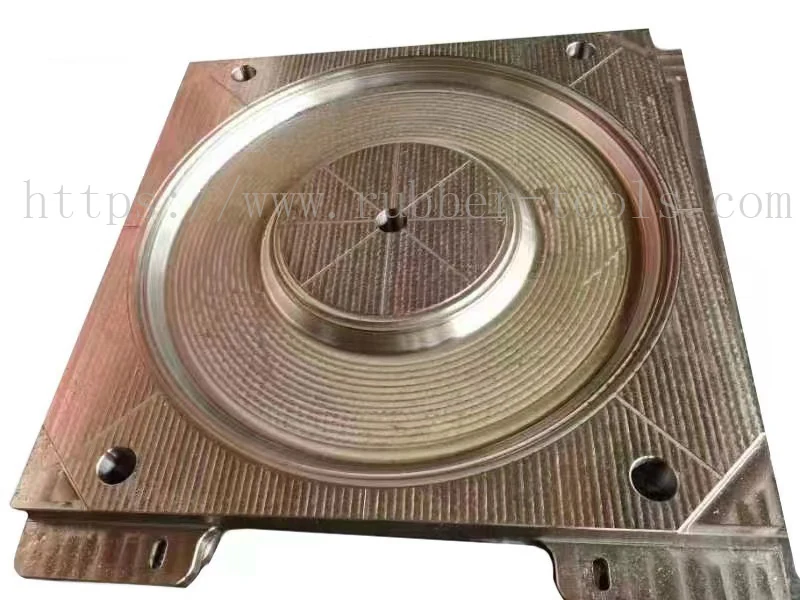
The moulding process decides tooling cost, cycle time and how much detail a part can carry. Choosing it is a commercial decision as much as a technical one.
Read the guide →Yes. We have our own machining workshop and coating workshop, and we then produce the rubber onto the metal parts.
Yes, from a physical sample. We will send a drawing back for approval before tooling.
It depends on the loading and the environment. Tell us both and our formula engineers will recommend.
We supply automotive shock absorbers, bushings and shock absorber parts. Tell us exactly what the assembly includes and we will confirm scope before you commit.
It depends on tooling and part size. We will tell you at quotation.
Within one working day of receiving the drawing or sample details.
Send the size or drawing, the working conditions and the quantity. One working day for a considered reply.