

Rubber Products
O-Ring Moulds
An O-ring mould decides whether every ring coming off it is the same.
View product →
We have our own mould manufacturing workshop and experienced structural design engineers, so we can independently design and develop rubber moulds rather than pass the work on. That matters because a tool designed by a shop that will never run it optimises for ease of cutting, not for ease of moulding, and every flash and parting line problem afterwards belongs to somebody else.
Every image on this page is a photograph of parts we have produced.
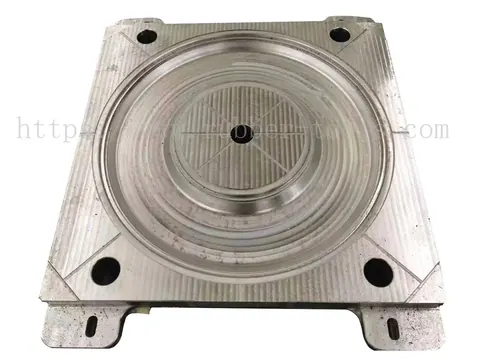
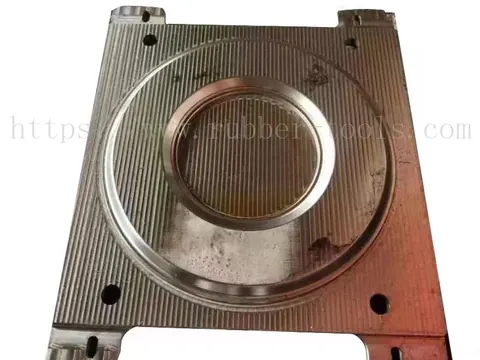
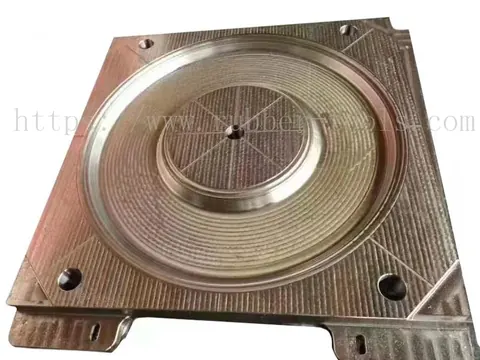
Only values our own records support appear here. Anything we cannot evidence is left out rather than estimated.
| Mould Types | Compression and transfer |
|---|---|
| Compression Moulds | Suited to large parts with simpler designs |
| Transfer Moulds | Suited to intricate designs and over moulding |
| Design | Independent design and development by our structural design engineers |
| Manufacture | Our own mould manufacturing workshop |
| Country of Manufacture | China |
A mould maker who never runs the tool has no reason to design out flash or a difficult parting line. We run what we cut.
Injection gives the shortest cycles at the highest tooling cost. For modest volumes compression or transfer is usually the better commercial answer.
Soft tools are fast and hide the problems production tooling will have. We will say when a soft tool is genuinely enough.
An O-ring mould decides whether every ring coming off it is the same.
View product →
This is FKM outside the sealing catalogue: custom moulded fluoroelastomer parts made to a customer drawing.
View product →
Bonded rubber to metal parts fail at the interface far more often than in the rubber, and split sourcing is why.
View product →
In printing and converting the roller covering is a process variable rather than a spare part.
View product →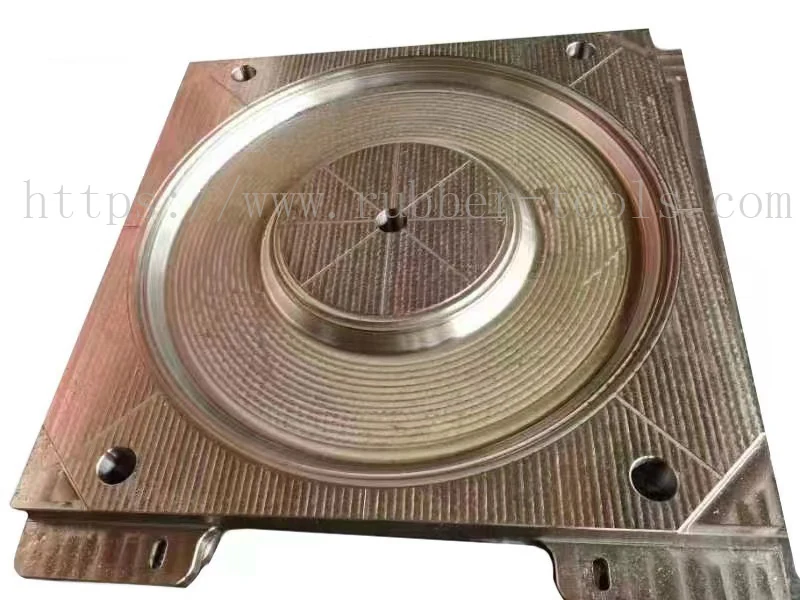
The moulding process decides tooling cost, cycle time and how much detail a part can carry. Choosing it is a commercial decision as much as a technical one.
Read the guide →Bushings, mounts and anti vibration parts fail at the bond far more often than in the rubber. Split sourcing is the reason, and it is fixable at the purchase order stage.
Read the guide →Both. We have experienced structural design engineers and can independently design and develop rubber moulds.
Compression moulds for larger simpler parts and transfer moulds for intricate designs and over moulding applications.
Yes, if that is agreed in writing before we start.
Yes. We will produce a drawing for your approval before cutting.
It depends on the part and cavity count. We quote a firm tooling lead time with the price.
Yes. Running the tool ourselves is how moulding problems get solved rather than escalated.
Send the size or drawing, the working conditions and the quantity. One working day for a considered reply.