EPDM Belongs in Water Weather and Heat
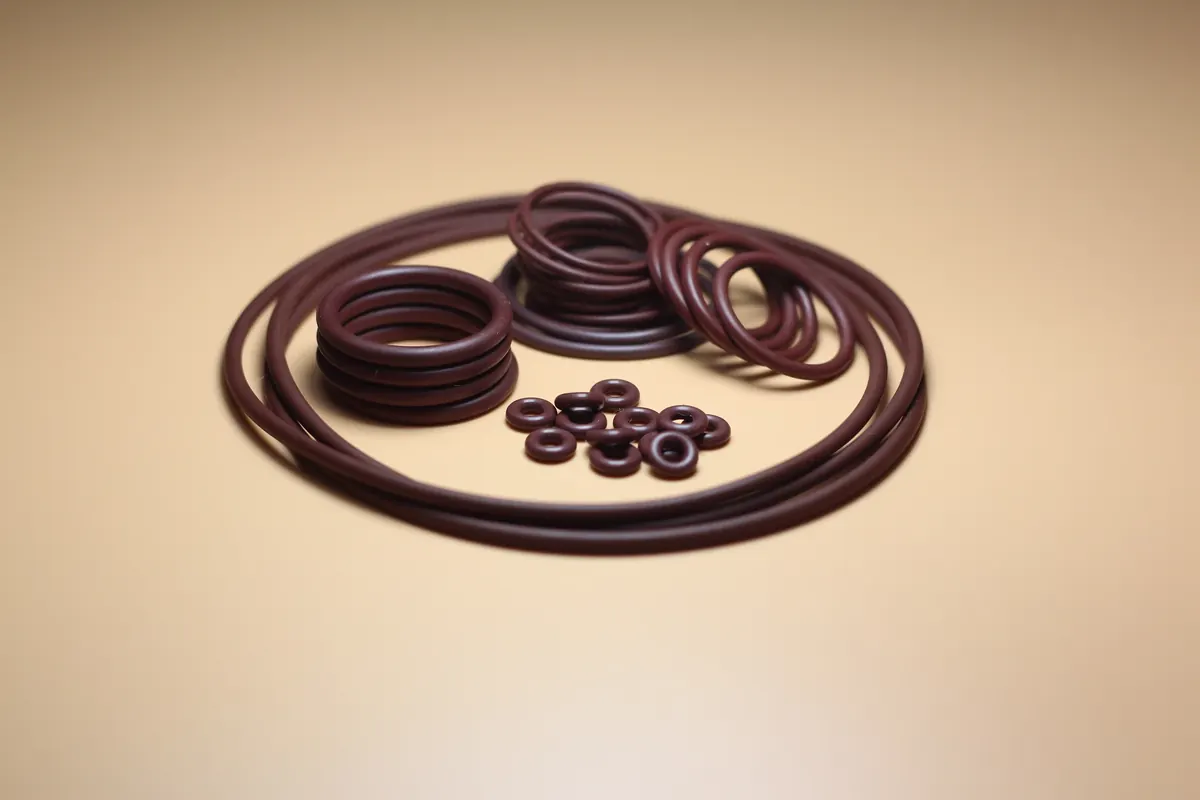
EPDM offers good heat, ozone and weather resistance, which is why it is used so widely in automotive, electrical and electronic products, wires and cables, high voltage and ultra high voltage insulation, sports equipment, daily necessities and mechanised industrial equipment. Heating systems, water systems, automotive brake circuits and refrigeration units are its natural home, and food grade EPDM extends it into food processing.
EPDM Seals and EPDM O-Rings →
EPDM Fails in Mineral Oil
The single most common EPDM mistake is putting it in contact with mineral oil or fuel. It is not marginal there, it is wrong, and the seal swells. If there is any hydrocarbon in the circuit, EPDM is off the list regardless of how well it suits the temperature.
NBR Belongs Where There Is Oil
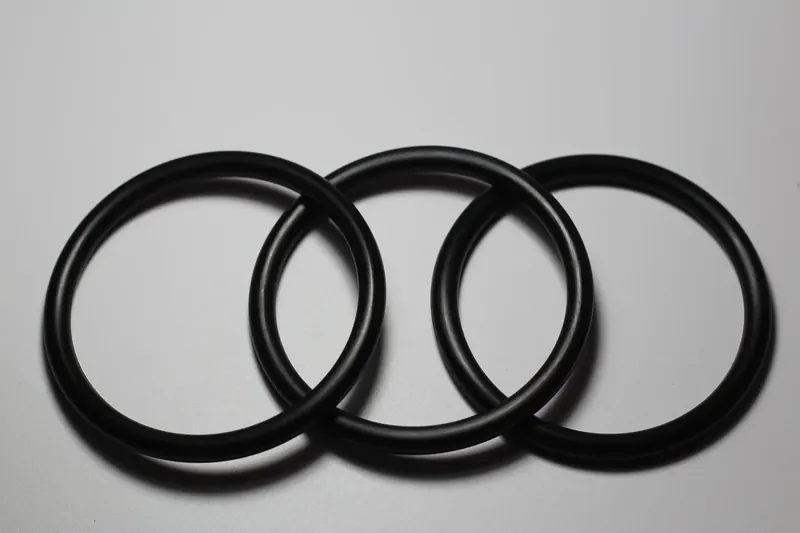
NBR is chosen for its resistance to oils, fuels and other hydrocarbons, which makes it the workhorse for automotive, aerospace, wire and cable and home appliance applications. Where a circuit handles oil or fuel at moderate temperature, NBR gives the best balance of cost against performance in our range.
NBR O-Rings →
NBR Fails in Weather and Ozone Exposure
Outdoors, in ozone rich environments or under prolonged weather exposure, NBR is the wrong choice and EPDM is the right one. The two failure modes are mirror images, which is why a plant that standardises on one compound for everything eventually sees failures in both directions.
What to Do When You Need Both
Most real machines contain both an oil circuit and a water or weather exposed circuit, which means a mixed seal schedule is normal rather than a sign of poor standardisation. Consolidating that mixed schedule with one supplier who holds both compounds is the practical answer, and it is why buyers bring twelve compound schedules to us on a single purchase order.
Rubber Seals →