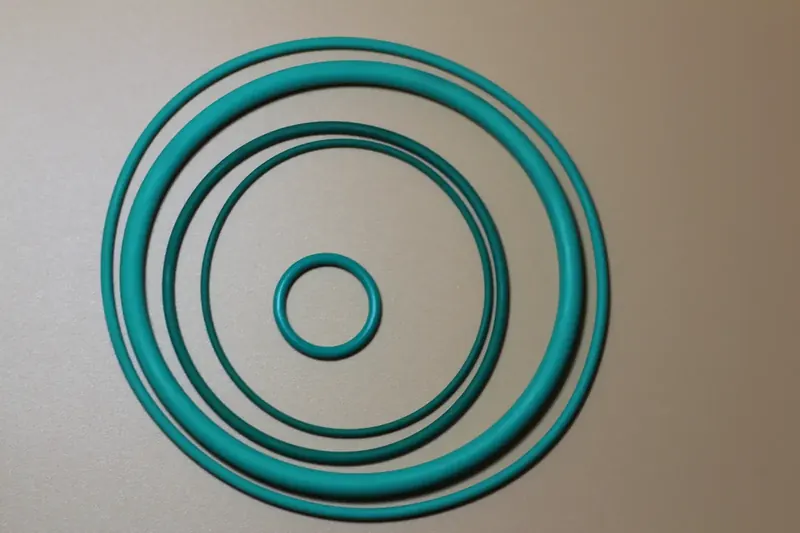
Butterfly Valve Double Flanged Manufacturer | Engineering Guide

Engineering Guide: Butterfly Valve Double Flanged

butterfly valve double flanged manufacturing

Engineering Insight: Material Selection in Double Flanged Butterfly Valves

In industrial fluid control systems, the double flanged butterfly valve serves as a critical interface between piping segments, ensuring reliable shutoff, throttling, and system integrity under dynamic pressure and chemical exposure. While standard off-the-shelf models are widely available, their performance in demanding environments often falls short due to inadequate material selection—particularly in the elastomeric sealing components. At Suzhou Baoshida Trading Co., Ltd., we emphasize engineered rubber solutions tailored to operational parameters, recognizing that generic seals lead to premature failure, unplanned downtime, and increased lifecycle costs.

The failure of standard butterfly valve seals typically originates from mismatched elastomer properties relative to media, temperature, and pressure conditions. For instance, using Nitrile Butadiene Rubber (NBR) in ozone-rich or high-temperature environments accelerates cracking and hardening, compromising the seal. Similarly, exposure to aggressive chemicals such as concentrated acids, ketones, or chlorinated hydrocarbons can cause swelling, degradation, or complete disintegration of non-resistant compounds. These failures are not inherent to the valve design but stem from suboptimal material pairing—a flaw avoidable through precision engineering.

Fluoroelastomers (FKM), Ethylene Propylene Diene Monomer (EPDM), and peroxide-cured silicone variants offer superior resistance profiles for extreme applications. FKM excels in high-temperature oil and fuel environments, maintaining resilience up to 200°C. EPDM demonstrates exceptional resistance to steam, water, and polar solvents, making it ideal for water treatment and HVAC systems. For ultra-pure or food-grade applications, platinum-cured silicone ensures low extractables and compliance with FDA and USP Class VI standards.

Beyond chemical compatibility, mechanical properties such as compression set, tensile strength, and resilience directly influence seal longevity. A low compression set ensures the elastomer maintains sealing force over time, critical in systems with thermal cycling. Hardness (Shore A) must be balanced: too soft, and the seal extrudes under pressure; too hard, and it fails to conform to minor flange irregularities.

Below is a comparative specification of common elastomers used in double flanged butterfly valve seals:

Material Temperature Range (°C) Key Chemical Resistances Typical Applications Shore A Hardness
NBR -30 to +100 Oils, fuels, aliphatic hydrocarbons Compressed air, hydraulics 60–90
EPDM -50 to +150 Steam, water, alkalis, ketones Water treatment, HVAC 50–80
FKM -20 to +200 Acids, oils, aromatic hydrocarbons Petrochemical, refining 65–90
Silicone -60 to +180 Heat, ozone, UV, water Food processing, pharmaceuticals 40–80

Selecting the appropriate elastomer requires a holistic assessment of system conditions—not just media and temperature, but also cyclic frequency, pressure spikes, and regulatory requirements. Off-the-shelf valves often default to cost-driven material choices, sacrificing long-term reliability. In contrast, engineered rubber solutions from Suzhou Baoshida ensure compatibility, durability, and compliance, transforming valve performance in mission-critical applications.


Material Specifications

Material Specifications for Double Flanged Butterfly Valve Sealing Elements

The selection of elastomeric sealing materials for double flanged butterfly valves is critical for ensuring long-term operational integrity under demanding industrial conditions. These valves experience dynamic compression, cyclic pressure fluctuations, and exposure to diverse media, necessitating precise material engineering. At Suzhou Baoshida Trading Co., Ltd., we prioritize formulations that balance chemical resistance, thermal stability, and mechanical resilience. Viton (FKM), Nitrile (NBR), and Silicone (VMQ) represent our core solutions, each engineered for specific service environments. Viton excels in high-temperature hydrocarbon applications, Nitrile offers cost-effective resilience against oils and fuels, while Silicone provides unparalleled low-temperature flexibility and biocompatibility. Material degradation—manifested as swelling, hardening, or compression set—directly compromises seal integrity, leading to leakage and system failure. Our compounds undergo rigorous ASTM D2000 and ISO 3601 validation to meet OEM dimensional and performance tolerances.

Viton fluoroelastomers are specified for aggressive chemical environments, including aromatic hydrocarbons, acids, and steam up to 230°C. Their high fluorine content ensures minimal swelling in refinery, petrochemical, and semiconductor applications. However, Viton exhibits limited resistance to ketones and brake fluids, and its higher cost necessitates careful application analysis. Nitrile butadiene rubber remains the industry standard for hydraulic systems and fuel handling due to its exceptional resistance to aliphatic hydrocarbons, water, and moderate heat (up to 120°C). Standard 40-50% acrylonitrile grades optimize oil resistance while maintaining flexibility, though ozone and polar solvents require protective additives. Silicone rubber is indispensable for pharmaceutical, food processing, and cryogenic systems, operating reliably from -60°C to 200°C. Its inertness meets FDA 21 CFR 177.2600 and USP Class VI standards, yet low tensile strength demands reinforced formulations for high-pressure cycling.

The comparative analysis below details key performance parameters for informed material selection. All values reflect standard compression-molded test specimens per ASTM D2000 classification.

Property Viton (FKM) Nitrile (NBR) Silicone (VMQ)
Temperature Range (°C) -20 to +230 -30 to +120 -60 to +200
Tensile Strength (MPa) 12–18 15–25 5–10
Elongation at Break (%) 150–300 200–500 200–700
Compression Set (70h/100°C, %) 15–25 20–40 20–35
Key Chemical Resistances Fuels, oils, acids, steam Aliphatic hydrocarbons, water, hydraulic fluids Water, alcohols, oxidizing chemicals
Key Chemical Limitations Ketones, amines, low MW esters Ozone, polar solvents, H₂O₂ Concentrated acids, fuels, steam >150°C
FDA/USP Compliance Limited grades No Yes
Typical Hardness (Shore A) 70–90 50–90 30–80

Material selection must align with fluid composition, temperature extremes, and regulatory requirements. For instance, Nitrile is unsuitable for biodiesel due to ester-induced swelling, while Viton may degrade in amine-based gas treatment systems. Silicone’s low tear strength requires geometric compensation in high-torque valve designs. Suzhou Baoshida provides custom compound adjustments—such as carboxylated NBR for improved abrasion resistance or peroxide-cured Silicone for reduced compression set—to address niche operational challenges. Always validate compatibility via immersion testing per ISO 1817 under actual service conditions. Our technical team collaborates with OEMs to optimize material-performance mapping, ensuring valve longevity and compliance with API 609 and EN 593 standards.


Manufacturing Capabilities

Engineering Capability: Precision-Driven Development for Industrial Butterfly Valve Applications

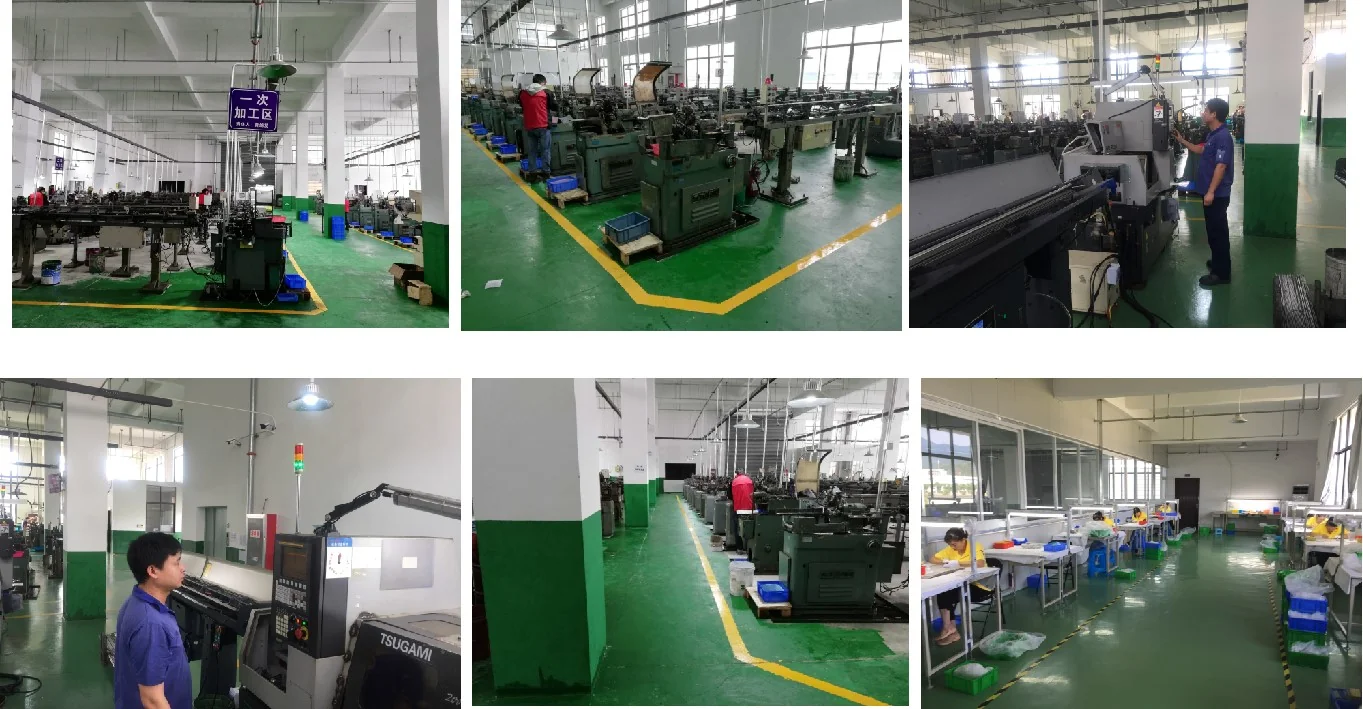
At Suzhou Baoshida Trading Co., Ltd., our engineering capability is anchored in deep technical expertise and a systematic approach to rubber formulation and mold design, specifically tailored for high-performance double flanged butterfly valves used in demanding industrial environments. Our team comprises five dedicated mold engineers and two specialized rubber formula engineers, enabling us to deliver fully integrated OEM solutions that meet exacting performance, durability, and compliance standards.

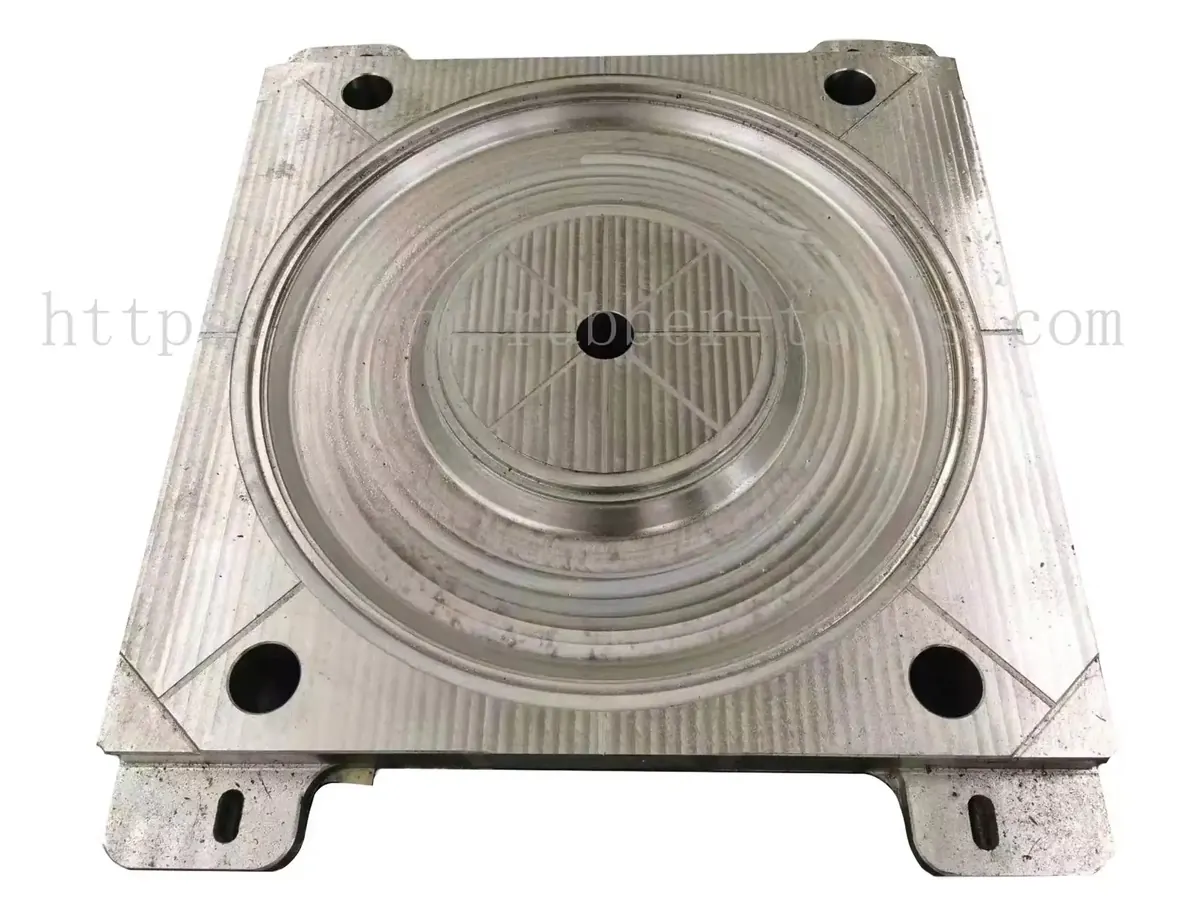
Our mold engineers bring over a decade of cumulative experience in precision tooling for elastomeric components, focusing on complex geometries required in double flanged butterfly valve seals and actuators. Utilizing advanced CAD/CAM software and collaborating closely with foundry and machining partners, we ensure tight dimensional tolerances, optimal parting line placement, and efficient demolding processes. This precision engineering reduces flash, improves consistency in high-volume production, and extends tool life—critical factors in maintaining cost-efficiency and reliability for our OEM clients.

Complementing our mold design strength is our in-house rubber formulation capability. The two formula engineers on staff specialize in developing custom elastomer compounds that meet specific operational requirements such as temperature resistance, chemical compatibility, compression set performance, and mechanical strength. Whether the application demands EPDM for hot water systems, NBR for oil resistance, or FKM for extreme temperature and chemical exposure, we formulate, test, and validate rubber compounds under simulated service conditions. This ensures that every seal performs reliably under pressure, cyclic loading, and prolonged exposure to aggressive media.

Our OEM development process follows a rigorous stage-gate methodology: from initial client specifications and material selection, through prototype tooling and iterative testing, to final validation and serial production. We maintain full traceability of materials and process parameters, supporting compliance with ISO 9001 standards and industry-specific certifications. Clients benefit from reduced time-to-market, minimized risk of field failure, and long-term supply chain stability.

We support both standard and custom flange configurations, with compatibility across common international standards. Below is a representative specification profile for a typical double flanged butterfly valve seal manufactured under our engineering oversight.

Parameter Specification
Material Options EPDM, NBR, FKM, Silicone, Neoprene
Hardness Range (Shore A) 50–90 ±5
Temperature Resistance -40°C to +230°C (depending on compound)
Pressure Rating (Max) 16 bar (PN16)
Flange Standards ISO 5211, DIN 3202, ANSI B16.1, BS 4504
Media Compatibility Water, steam, oils, acids, alkalis (compound-dependent)
Compression Set (70 hrs, 100°C) ≤20% (per ASTM D395)
OEM Customization Lead Time 4–6 weeks (from design approval to prototype)

This technical foundation enables Suzhou Baoshida to act as a true engineering partner—not just a supplier—delivering optimized rubber solutions that enhance the performance and longevity of double flanged butterfly valves across industrial, water treatment, and energy sectors.


Customization Process

butterfly valve double flanged manufacturing

Customization Process for Double Flanged Butterfly Valve Sealing Solutions

At Suzhou Baoshida Trading Co., Ltd., our industrial rubber customization process for double flanged butterfly valves integrates material science with precision engineering to ensure optimal performance under demanding operational conditions. This structured methodology mitigates sealing failures, extends service life, and aligns with stringent OEM specifications. The process initiates with rigorous Drawing Analysis, where our engineering team dissects client-provided technical schematics against ISO 5208 leakage standards and ASME B16.10 dimensional requirements. Critical parameters—including flange bolt-hole patterns, disc offset tolerances, and groove geometries—are validated using CAD overlay techniques to identify potential extrusion risks or compression set vulnerabilities. Any dimensional discrepancies exceeding ±0.1 mm trigger immediate client consultation to prevent downstream production deviations.

Following geometric validation, Formulation Development commences in our ISO 17025-accredited laboratory. Material selection is dictated by the valve’s operational profile: temperature extremes, chemical exposure, and pressure cycles. We prioritize compound stability over cost, deploying proprietary blends of EPDM, NBR, or FKM based on fluid compatibility matrices. For instance, steam applications exceeding 150°C necessitate peroxide-cured EPDM with reinforced silica fillers to resist thermal degradation, while hydrocarbon service demands low-acrylonitrile NBR formulations to minimize swelling. Each compound undergoes iterative optimization for durometer (typically 65–85 Shore A), tensile strength (>15 MPa), and compression set (<25% per ASTM D395).

Prototyping transitions theoretical formulations into physical validation. Using CNC-machined molds replicating client flange interfaces, we produce 3–5 sample seals per batch. These undergo accelerated life testing: 10,000+ pressure cycles at 1.5x rated pressure, helium leak detection per ISO 5208 Class VI, and dynamic torque analysis to verify low-operational resistance. Dimensional conformity is verified via CMM scanning against original drawings, with critical sealing zones measured to ±0.05 mm tolerance. Client feedback on prototype performance directly refines the final compound recipe and mold design before tooling sign-off.

Upon approval, Mass Production leverages statistical process control (SPC) to maintain consistency. Rubber batches are traceable via unique lot codes, with real-time monitoring of cure time, temperature, and pressure during compression molding. Every 500 units undergo destructive testing for tensile properties and non-destructive eddy current inspection for porosity. Final inspection includes 100% visual checks for flash control (max 0.3 mm) and dimensional verification of critical sealing surfaces. This closed-loop system ensures ≤0.1% defect rates while meeting OEM volume demands.

Key rubber compound specifications for butterfly valve seals are standardized as follows:

Property EPDM Standard NBR Standard FKM Premium Test Standard
Temperature Range (°C) -40 to +150 -30 to +120 -20 to +200 ASTM D2000
Tensile Strength (MPa) ≥16 ≥18 ≥14 ASTM D412
Compression Set (%) ≤25 ≤22 ≤18 ASTM D395
Fluid Resistance (IRM 903) Swell ≤25% Swell ≤15% Swell ≤10% ASTM D471
Durometer (Shore A) 70±5 75±5 80±5 ASTM D2240

This end-to-end customization framework guarantees that Suzhou Baoshida’s double flanged butterfly valve seals deliver uncompromised reliability in water treatment, chemical processing, and energy infrastructure applications.


Contact Engineering Team

butterfly valve double flanged manufacturing

Contact Suzhou Baoshida for Premium Butterfly Valve Double Flanged Solutions

At Suzhou Baoshida Trading Co., Ltd., we specialize in delivering high-performance industrial rubber solutions tailored to the rigorous demands of fluid control systems. Our expertise in engineered rubber components positions us as a trusted partner for manufacturers and distributors seeking reliable, durable, and precision-crafted butterfly valve double flanged products. As a leading OEM manager and rubber formula engineer, we ensure every component meets exacting international standards while offering customization to meet your unique operational requirements.

Our butterfly valve double flanged series is designed for optimal sealing performance, corrosion resistance, and long service life in applications ranging from water treatment and HVAC systems to chemical processing and industrial piping networks. Constructed with advanced rubber compounds such as EPDM, NBR, and Viton, our valves provide superior resilience against temperature extremes, pressure fluctuations, and aggressive media. Each product undergoes stringent quality control protocols, including compression set testing, hardness verification, and dimensional accuracy checks, ensuring compliance with ISO 9001 and other relevant certifications.

We understand that industrial procurement demands more than just product availability—it requires technical collaboration, responsive support, and supply chain reliability. That is why we invite you to contact Mr. Boyce, our dedicated technical liaison and OEM manager, who brings over a decade of experience in rubber formulation and valve system integration. Whether you are sourcing for large-volume production runs, require material compatibility analysis, or need custom molding solutions, Mr. Boyce will guide you through the entire process—from initial specification to final delivery.

By partnering with Suzhou Baoshida, you gain access to a vertically integrated supply chain, in-house R&D capabilities, and a responsive engineering team committed to solving complex sealing challenges. We support global logistics with consistent lead times and full documentation, including material test reports, RoHS compliance, and CAD drawings upon request.

For technical inquiries, sample requests, or volume quotation submissions, reach out directly to Mr. Boyce via email at [email protected]. Our team responds to all inquiries within 24 business hours and offers multilingual support to facilitate seamless international collaboration.

Explore how Suzhou Baoshida’s precision rubber engineering can enhance the reliability and efficiency of your butterfly valve applications. Let us help you optimize performance, reduce downtime, and achieve superior sealing integrity in every system.

Technical Specifications – Butterfly Valve Double Flanged (Standard Configuration)

Parameter Specification
Valve Type Double Flanged Butterfly Valve
Size Range DN50 to DN600 (2″ to 24″)
Pressure Rating PN10, PN16, Class 150
Body Material Ductile Iron, Carbon Steel, Stainless Steel
Disc Material 304/316 Stainless Steel
Shaft Material AISI 416 Stainless Steel
Seat Material Options EPDM, NBR, Viton, Silicone
Temperature Range -20°C to +150°C (varies by elastomer)
End Connections Flanged (DIN, ANSI, JIS standards)
Operation Mode Lever, Gear Operated, Actuated
Standards Compliance ISO 5211, API 609, GB/T 12238

⚖️ O-Ring Weight Calculator

Estimate rubber O-ring weight (Approx).


Butterfly Valve Double Flanged Manufacturer | Engineering Guide

Contents of Table

Contact [email protected] Whatsapp 86 15951276160