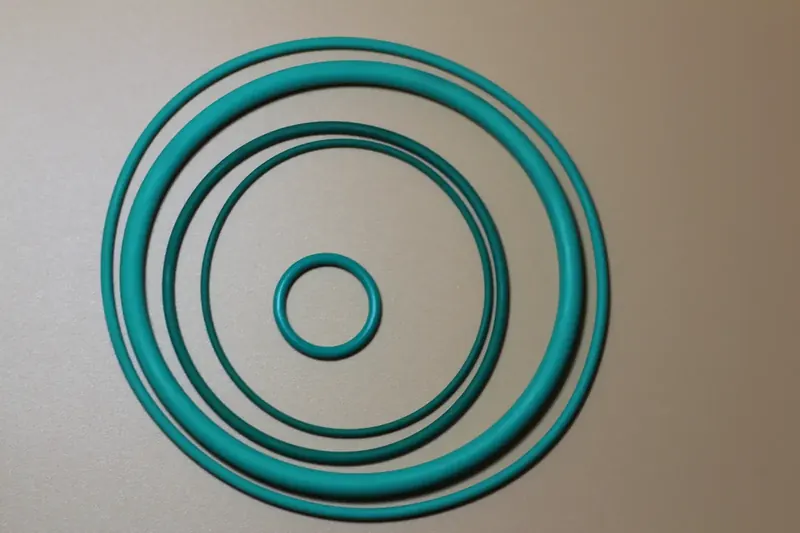
Rubber For Coloring Manufacturer | Engineering Guide

Engineering Guide: Rubber For Coloring

Engineering Insight: Material Selection Imperatives for Colored Precision Rubber Seals

The integration of color into precision rubber seals is frequently misunderstood as a purely aesthetic consideration. This perspective fundamentally misrepresents the technical complexity involved. At Suzhou Baoshida Trading Co., Ltd., our engineering data consistently demonstrates that pigment incorporation directly impacts the polymer matrix’s physical integrity, chemical resistance, and long-term performance stability. Off-the-shelf colored compounds, often formulated with generic pigments and minimal process optimization, introduce critical failure vectors that standard black or natural rubber seals do not face. The core issue lies in the pigment-polymer interaction during vulcanization and service life. Many standard organic pigments act as accelerators or retarders, disrupting the precise crosslink density required for optimal compression set resistance and tensile strength. Inorganic pigments, while thermally stable, often exhibit poor dispersion, creating localized stress points that initiate micro-cracking under dynamic compression or thermal cycling. Furthermore, pigment chemistry can catalyze degradation when exposed to specific media like ozone, hydraulic fluids, or elevated temperatures, significantly shortening seal lifespan compared to uncolored equivalents.

The consequences of inadequate material selection are severe and costly. We observe field failures where standard colored seals exhibit premature hardening, surface blooming, or catastrophic compression set within 6-12 months in applications where black counterparts exceed 5-year service life. This is particularly critical in aerospace fluid systems, medical device housings, and semiconductor manufacturing equipment, where seal failure equates to system contamination, safety hazards, or production downtime. Generic compounds prioritize color consistency over performance validation under actual service conditions, neglecting critical parameters like pigment migration into sensitive fluids or thermal stability during sterilization cycles. True engineering-grade colored seals demand a holistic approach where pigment selection, dispersion technology, and cure system modification are co-engineered from the molecular level. This requires rigorous compatibility testing between the specific polymer base (e.g., FKM, EPDM, HNBR), pigment chemistry, and the target operational environment – a level of customization absent in commodity solutions.

Our OEM engineering process mandates validation against application-specific failure modes. The table below contrasts critical performance parameters between standard off-the-shelf colored compounds and engineered solutions developed for demanding precision seal applications.

Performance Parameter Standard Off-the-Shelf Colored Compound Engineered Colored Seal Compound (Suzhou Baoshida OEM Standard)
Compression Set (ASTM D395, 70h @ 150°C) Increase of 25-40% vs. natural compound Increase maintained ≤ 5% vs. natural compound
Pigment Dispersion (Microscopy) Significant agglomeration (>5µm clusters) Homogeneous dispersion (<1µm clusters)
Thermal Stability Limit 120°C (Color degradation begins) 180°C (Color & physical properties stable)
Fluid Resistance (Skydrol LD-4) Severe swelling (>15%) & pigment leach Swelling <5%
Ozone Resistance (50pphm, 40°C) Cracking within 24 hours Zero cracking after 168 hours

Achieving this performance requires abandoning the notion of color as a superficial additive. It necessitates treating the pigment system as an integral, performance-critical component of the rubber formulation. Suzhou Baoshida’s OEM engineering protocol begins with the end-use environment, reverse-engineering the compound to ensure color fidelity does not compromise the seal’s primary function: reliable, leak-free operation under extreme conditions. Generic solutions fail because they treat color as an afterthought; precision engineering demands it be a foundational design criterion. The marginal cost premium for engineered colored seals is negligible compared to the lifecycle cost of premature system failure.


Material Specifications

Material selection is a critical factor in the performance and longevity of precision rubber seals, especially when considering environmental exposure, chemical compatibility, and operational temperature ranges. At Suzhou Baoshida Trading Co., Ltd., we specialize in high-performance rubber compounds engineered for reliability in demanding industrial applications. Our core materials—Viton, Nitrile (NBR), and Silicone—are formulated to meet stringent OEM requirements, particularly in applications involving dynamic sealing, fluid resistance, and thermal stability. Each material exhibits distinct chemical and physical properties that influence its suitability for specific operating conditions.

Viton, a fluorocarbon-based elastomer, offers exceptional resistance to high temperatures, oils, fuels, and a broad range of aggressive chemicals. It is ideal for use in aerospace, automotive, and chemical processing industries where exposure to hydrocarbons and extreme heat is common. Viton seals maintain integrity from -20°C to +230°C, with short-term exposure capability up to 300°C. Its low gas permeability and excellent aging characteristics make it a preferred choice for critical sealing applications under severe thermal stress.

Nitrile rubber, also known as Buna-N or NBR, is widely used for its excellent resistance to petroleum-based oils and fuels. It provides good abrasion resistance and tensile strength, making it suitable for hydraulic systems, fuel lines, and general industrial sealing. Nitrile operates effectively within a temperature range of -40°C to +120°C, with some formulations extending to +150°C for short durations. While less resistant to ozone and UV exposure than other elastomers, NBR remains a cost-effective solution for oil and fuel sealing environments.

Silicone rubber is valued for its outstanding thermal stability and flexibility across a wide temperature spectrum, from -60°C to +200°C. It exhibits excellent resistance to ozone, UV radiation, and weathering, making it ideal for outdoor and high-purity applications such as medical devices, food processing, and electrical insulation. However, silicone has lower tensile strength and abrasion resistance compared to Viton and Nitrile, and it is not recommended for dynamic sealing under high mechanical load or in contact with hydrocarbon fuels.

The following table summarizes key physical and chemical properties of these materials to assist in material selection for precision rubber seals:

Property Viton (FKM) Nitrile (NBR) Silicone (VMQ)
Temperature Range (°C) -20 to +230 (up to 300 short-term) -40 to +120 (up to 150 short-term) -60 to +200
Tensile Strength (MPa) 15–25 10–20 5–10
Elongation at Break (%) 200–300 250–400 200–600
Hardness (Shore A) 60–90 50–90 30–80
Resistance to Oils & Fuels Excellent Excellent Poor
Resistance to Ozone/UV Excellent Fair Excellent
Compression Set Resistance Excellent Good Good
Common Applications Aerospace seals, chemical valves Fuel systems, hydraulic seals Medical devices, electrical insulation, food-grade seals

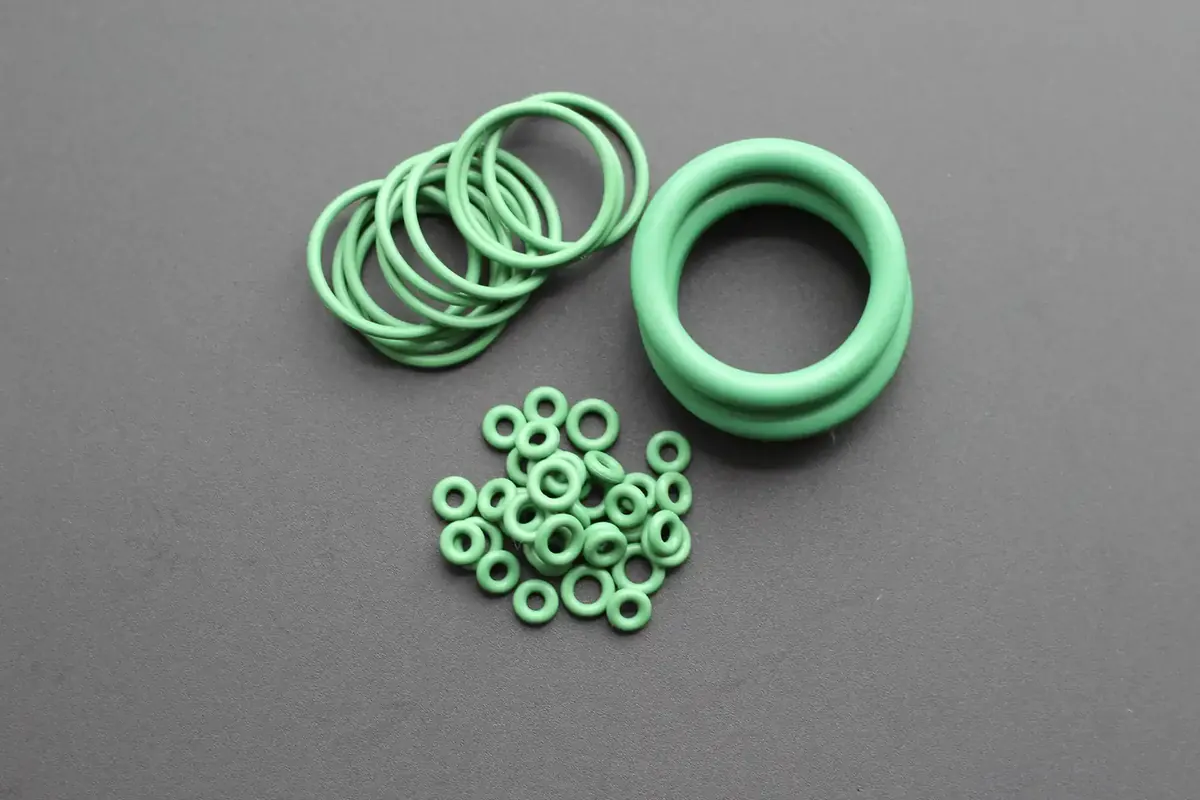
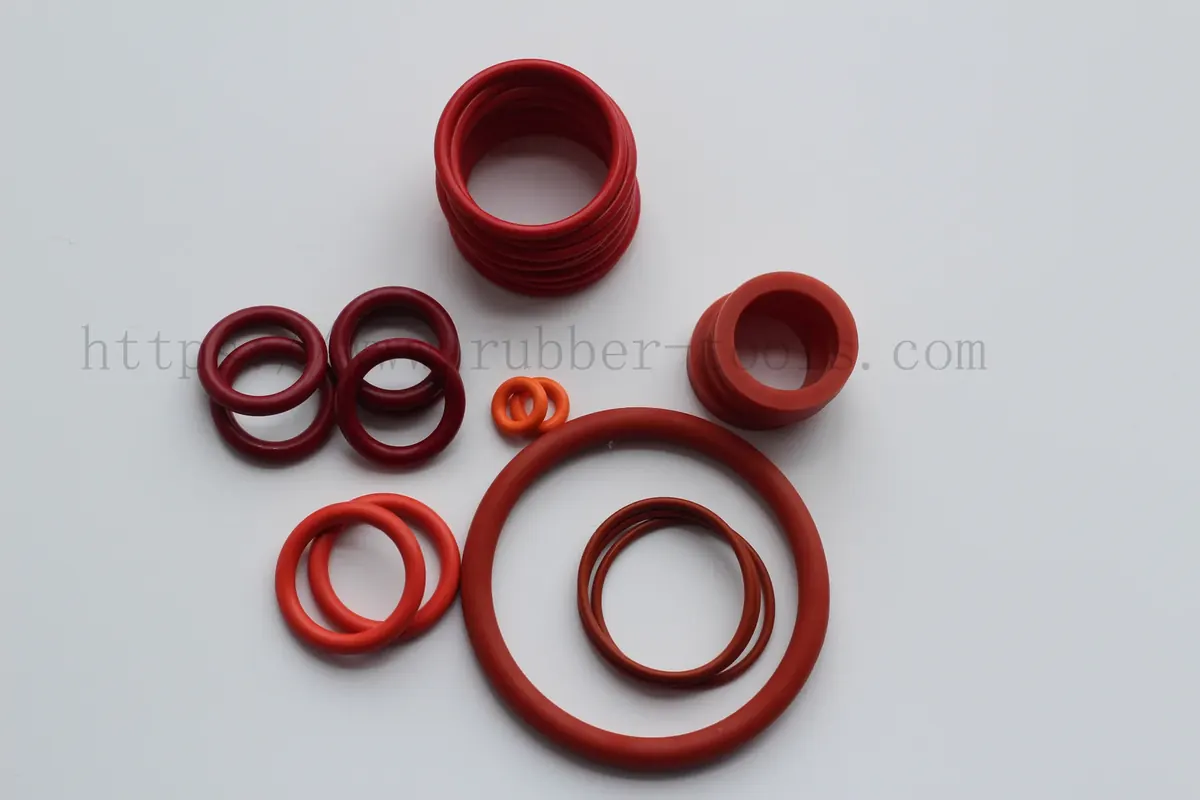
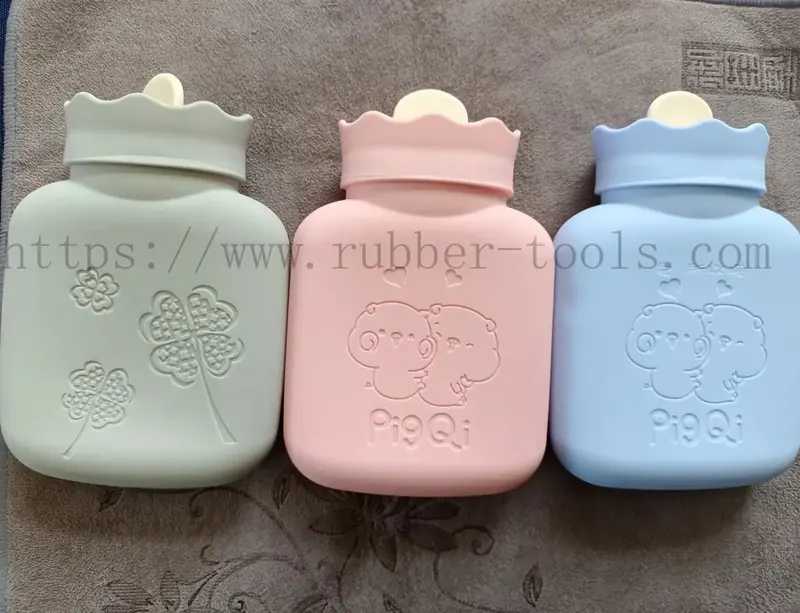
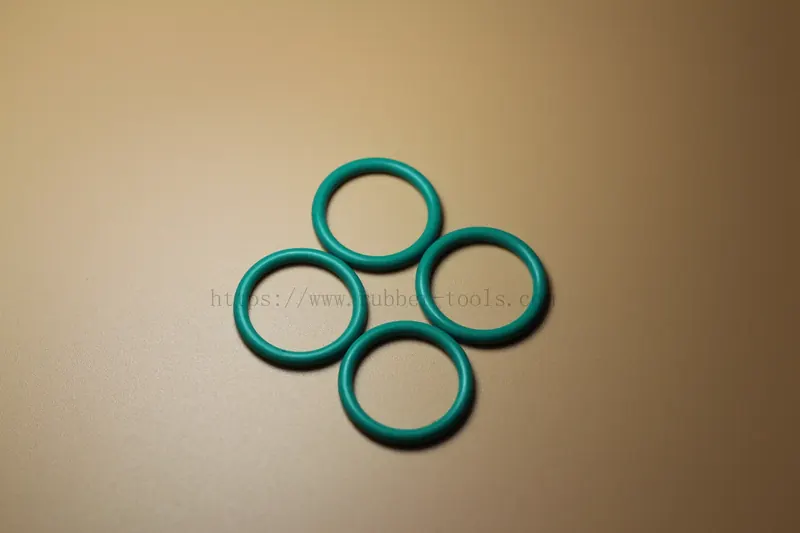
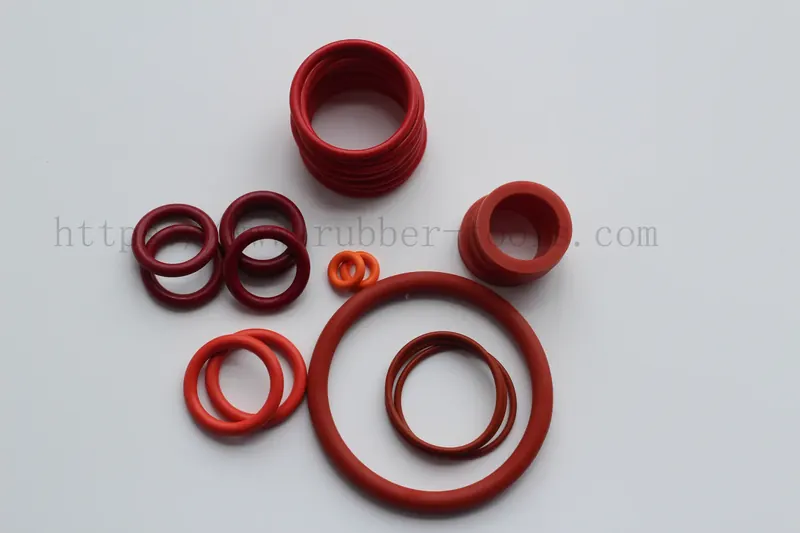
All materials are available in custom durometers and can be compounded to meet specific color requirements without compromising performance. Our coloring process ensures pigment stability and compatibility with base polymers, maintaining seal integrity under operational stress.


Manufacturing Capabilities

Engineering Capability: Precision Rubber Seals for Critical Color Applications

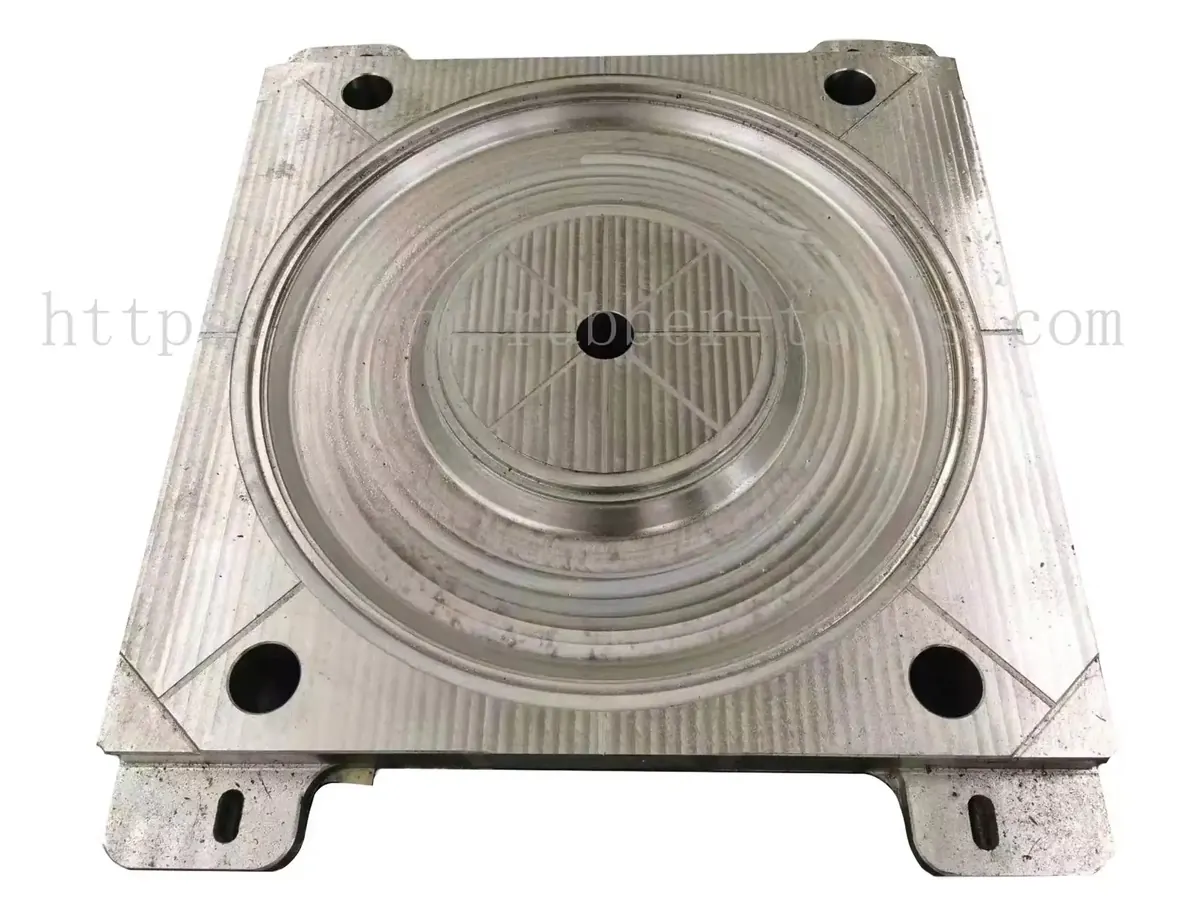
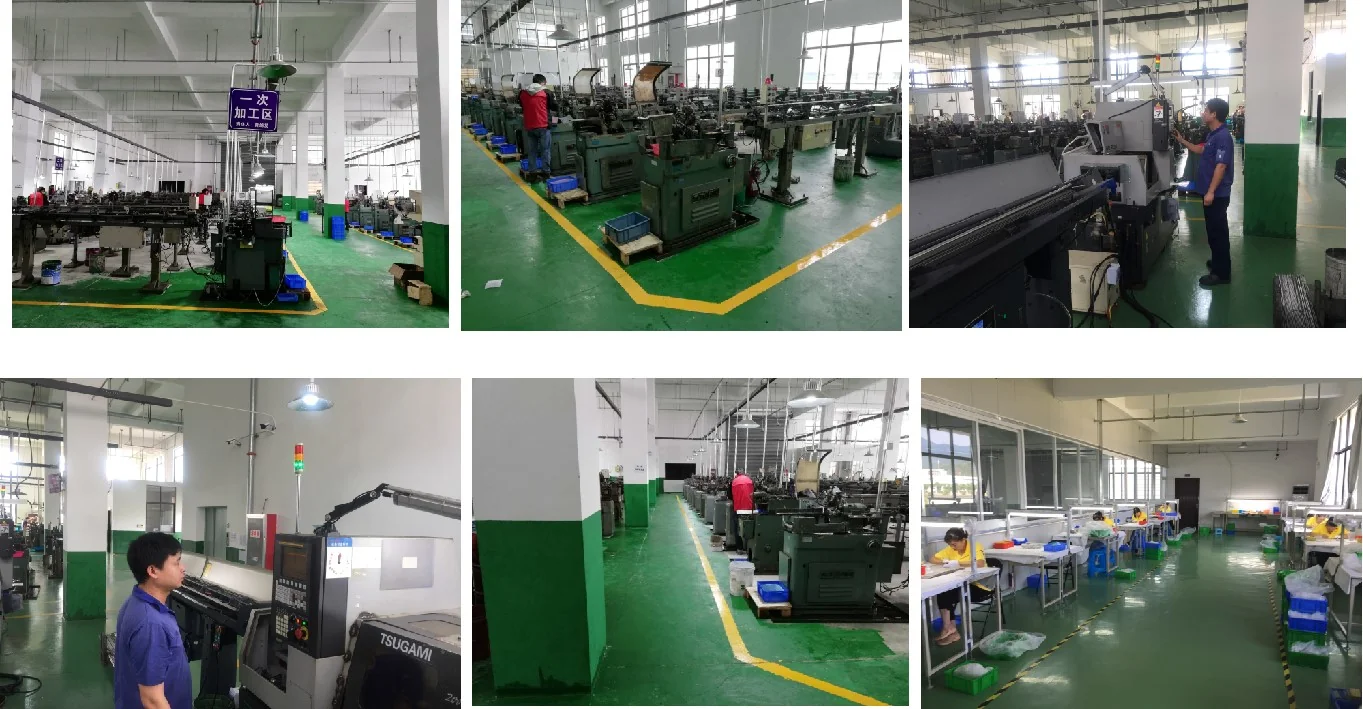
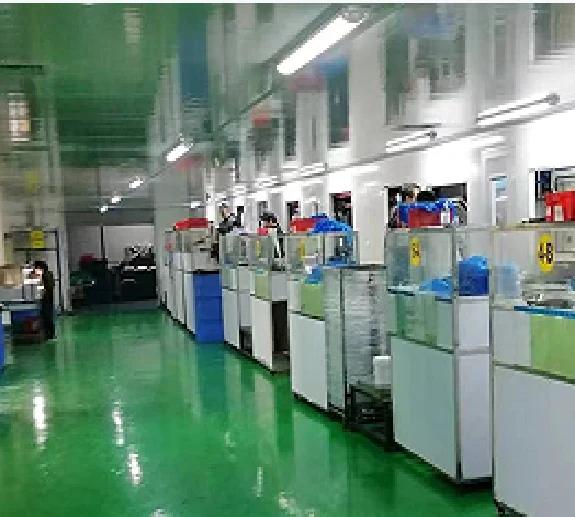
Suzhou Baoshida Trading Co., Ltd. delivers engineered rubber solutions where color consistency directly impacts functional performance and regulatory compliance. Our specialization in precision rubber seals for demanding sectors—including automotive fluid systems, medical devices, and aerospace hydraulics—requires absolute control over material formulation and manufacturing. This capability is anchored by a dedicated engineering cohort comprising five advanced mold design specialists and two PhD-level rubber formula scientists. These teams operate in integrated synergy, ensuring color stability is engineered at the molecular level without compromising mechanical integrity or sealing efficacy.

Our formula engineers focus on pigment dispersion science, polymer compatibility, and thermal stability to achieve target hues under operational stress. Through iterative lab-scale compounding and accelerated aging protocols, we resolve challenges like pigment migration, UV degradation, and chemical exposure that cause color shift in service. Simultaneously, our mold engineering team designs tooling with micron-level precision to eliminate flow lines, knit marks, or surface defects that disrupt visual uniformity. This dual-expertise approach enables us to meet ΔE color tolerances of <1.5 (per CIE L*a*b*) even for translucent or high-gloss finishes required in consumer-facing medical equipment or luxury automotive interiors.

As a certified OEM partner, we manage the entire color-critical seal lifecycle under one roof. Client specifications initiate a closed-loop process: formula validation via FTIR and DSC analysis, mold flow simulation for optimal cavity filling, and in-process spectrophotometric checks during production. We maintain traceability from raw material lot to finished part, with documentation aligned to ISO 9001 and IATF 16949 standards. This eliminates third-party handoffs that risk color drift or contamination—critical for FDA 21 CFR Part 177.2600-compliant food-grade seals or USP Class VI biocompatible components.

The following table summarizes our technical parameters for color-engineered rubber compounds:

Material Type Durometer Range (Shore A) Color Accuracy (ΔE) Key Applications
Custom NBR/Pigmented 40–90 ≤1.5 Fuel system O-rings, hydraulic seals
Silicone (Platinum) 30–80 ≤1.0 Medical tubing, baby care products
EPDM (Color-Stable) 50–85 ≤2.0 Automotive window seals, solar gaskets
FKM (High-Purity) 60–90 ≤1.8 Semiconductor fluid handling

This integrated engineering framework ensures that color is never an aesthetic afterthought but a rigorously controlled performance metric. By combining formula science with precision tooling expertise, Suzhou Baoshida guarantees that every seal meets dimensional, chemical, and visual specifications critical to OEM assembly lines and end-user safety. Our commitment extends beyond delivery—we provide ongoing technical support for material requalification and process optimization as client requirements evolve.


Customization Process

Customization Process for Colored Precision Rubber Seals

At Suzhou Baoshida Trading Co., Ltd., the customization of rubber seals for specific color requirements follows a rigorous, science-driven process designed to ensure compatibility, durability, and performance under operational conditions. The integration of color into rubber compounds is not merely aesthetic; it serves functional roles such as product identification, compliance with industry standards, and traceability in multi-component systems. Our four-phase approach—Drawing Analysis, Formulation, Prototyping, and Mass Production—ensures precision and consistency from concept to delivery.

The process begins with Drawing Analysis, where engineering teams evaluate customer-supplied technical drawings or 3D models. Critical dimensions, tolerance classes (per ISO 3302 and ISO 2768), sealing surfaces, and environmental exposure parameters are assessed. Special attention is given to color integration zones—areas where pigmentation must remain stable under compression, thermal cycling, or chemical exposure. This phase also identifies regulatory constraints such as FDA, RoHS, or UL compliance that may influence pigment selection.

Next, the Formulation stage involves developing a polymer matrix tailored to the application. Base elastomers such as NBR, EPDM, FKM, or silicone are selected based on temperature range, chemical resistance, and mechanical properties. Colorants are introduced as masterbatches or pre-dispersed pigments to ensure uniform distribution and minimize batch variation. Inorganic pigments (e.g., iron oxides) are preferred for heat stability, while organic pigments may be used for bright hues in non-extreme environments. All additives—including accelerators, fillers, and plasticizers—are balanced to maintain cure kinetics and physical properties post-coloration. Spectrophotometric analysis validates color consistency against standard references (Pantone, RAL, or customer-defined).

Prototyping follows formulation finalization. Small-batch samples are produced using precision molding techniques—compression, transfer, or injection—to simulate production conditions. Each prototype undergoes dimensional verification via coordinate measuring machines (CMM) and performance testing, including compression set (ASTM D395), tensile strength (ASTM D412), and colorfastness under UV and thermal aging (ASTM G154). Customer feedback is incorporated at this stage, with iterative adjustments made to formulation or tooling if necessary.

Upon approval, the project transitions to Mass Production, executed in controlled environments with real-time process monitoring. Inline spectrophotometers ensure color consistency across production runs, while statistical process control (SPC) maintains dimensional accuracy. Final inspection includes 100% visual checks for surface defects and random sampling for physical and chemical validation.

The following table summarizes key parameters managed during the customization process:

Parameter Standard Reference Tolerance/Class Testing Method
Dimensional Accuracy ISO 3302, ISO 2768 ±0.05 mm to ±0.3 mm CMM, Optical Comparator
Color Consistency Pantone, RAL ΔE ≤ 1.0 Spectrophotometer
Hardness ASTM D2240 ±5 Shore A Durometer
Tensile Strength ASTM D412 ≥8 MPa (NBR typical) Universal Tester
Compression Set (70°C, 24h) ASTM D395 ≤20% Compression Jig

This systematic workflow ensures that every colored rubber seal meets the highest standards of engineering integrity and aesthetic precision.


Contact Engineering Team

Precision Rubber Coloring Solutions Require Engineering Excellence

Suzhou Baoshida Trading Co., Ltd. operates at the critical intersection of advanced polymer science and demanding industrial application requirements. Our specialization in precision rubber seals necessitates absolute control over material properties, where coloring is not merely an aesthetic consideration but a fundamental engineering parameter impacting performance, longevity, and regulatory compliance. Inconsistent pigment dispersion, thermal instability during curing, or unintended chemical interactions can compromise seal integrity, leading to premature failure in critical fluid handling, pneumatic, or dynamic sealing environments. We understand that for Original Equipment Manufacturers, the cost of seal failure far exceeds the initial material investment; it risks production downtime, warranty claims, and reputational damage. Our engineering team possesses deep expertise in formulating colorants specifically for demanding elastomer systems like NBR, EPDM, FKM, and HNBR, ensuring color stability does not come at the expense of critical mechanical properties such as compression set, tensile strength, or fluid resistance.

Achieving consistent, high-fidelity coloration within stringent tolerance bands requires more than standard pigment addition. It demands a holistic approach integrating raw material selection, precise mixing protocols, vulcanization kinetics management, and rigorous validation. Suzhou Baoshida’s proprietary coloring methodologies are validated through our in-house technical center, utilizing advanced spectrophotometric analysis and accelerated aging protocols specific to seal operating conditions. We move beyond basic color matching to guarantee pigment stability throughout the entire product lifecycle, even under exposure to oils, fuels, ozone, and extreme temperatures encountered in automotive, aerospace, and industrial machinery applications. This level of control is non-negotiable for OEMs requiring traceable, repeatable manufacturing processes.

Our commitment to precision is quantifiable. The following table outlines the critical performance specifications achievable through our engineered coloring processes for precision rubber seals:

Specification Parameter Performance Standard Measurement Method Relevance to Seal Performance
Color Deviation (ΔE) ≤ 0.5 units (vs. master) CIE Lab* D65/10° Ensures visual consistency for brand ID & QA
Pigment Dispersion Rating ≥ 9.5 (ASTM D2663 Scale) Microscopic Analysis Prevents weak points, ensures uniform properties
Heat Aging Color Stability (70h/100°C) ΔE ≤ 1.0 CIE Lab* D65/10° Maintains appearance & material integrity in use
Fluid Resistance (Std. Oils) No bleed, ΔE ≤ 0.8 after exposure Immersion Testing (ASTM) Critical for seals in contact with operating fluids
VOC Emissions (Curing) Below EU REACH Thresholds GC-MS Analysis Ensures workplace safety & regulatory compliance

Partnering with Suzhou Baoshida means gaining access to more than a supplier; you engage a dedicated engineering resource focused on solving your specific coloring challenges within the complex matrix of seal performance requirements. Our technical team collaborates directly with OEM design and manufacturing personnel to develop color solutions that integrate seamlessly into your production flow without compromising the core functional attributes of the elastomeric seal. We provide comprehensive technical data packages, batch-specific certification, and proactive support to mitigate risks associated with material variation.

Do not allow coloring inconsistencies to become a hidden liability in your precision seal supply chain. Contact Mr. Boyce, our dedicated OEM Manager and Rubber Formula Engineering lead, to discuss how Suzhou Baoshida’s scientifically grounded approach to rubber coloring can enhance the reliability and value of your sealing components. Provide your specific application details, performance requirements, and target color standards. Mr. Boyce will initiate a confidential technical review and propose a tailored solution validated for your operational environment. Reach out immediately to secure engineering support for your next critical seal program.

Contact Mr. Boyce for Precision Engineering Support
Email: [email protected]
Subject Line: Precision Rubber Seal Coloring Inquiry – [Your Company Name]


⚖️ O-Ring Weight Calculator

Estimate rubber O-ring weight (Approx).


Rubber For Coloring Manufacturer | Engineering Guide

Contents of Table

Contact [email protected] Whatsapp 86 15951276160